Saw a Tesla Cybercab driving across the San Francisco Golden Gate Bridge the other day (which I could record easily, because my Tesla was in FDS, like it is now most of the time). Looks beautiful!
There is no substitute for bestie @DavidSacks … showed up black-shirted, caffeinated, & fully armed with enough crazy. Besties talked future of enterprise, AI agents that actually work (not just hype), and @chamath has enough truth China bombs to trigger all the Besties. Zero filter. Brilliant El Niño insight from @friedberg. I wasn’t ready for @Jason and neither was the group chat. Buckle up. This one’s XX spicy. 🌶️ 🚀 Check out the full episode here → https://t.co/VeqjCG0loE
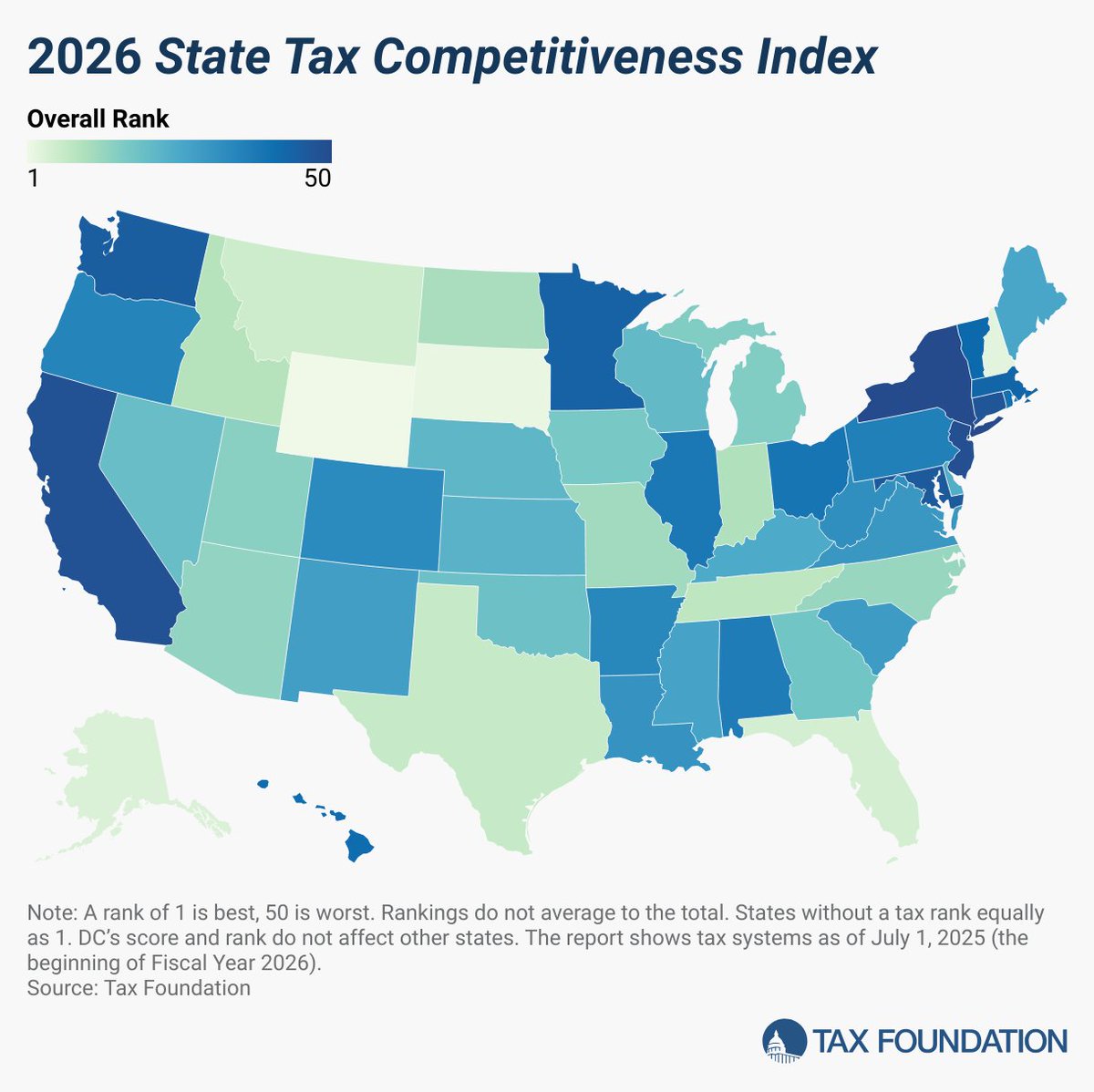
The 10 lowest-ranked, or worst, states in this year’s State Tax Competitiveness Index are:
41. Hawaii
42. Vermont
43. Massachusetts
44. Minnesota
45. Washington
46. Maryland
47. Connecticut
48. California
49. New Jersey
50. New York
Explore the interactive tool: https://t.co/Kgs6AlyMmv
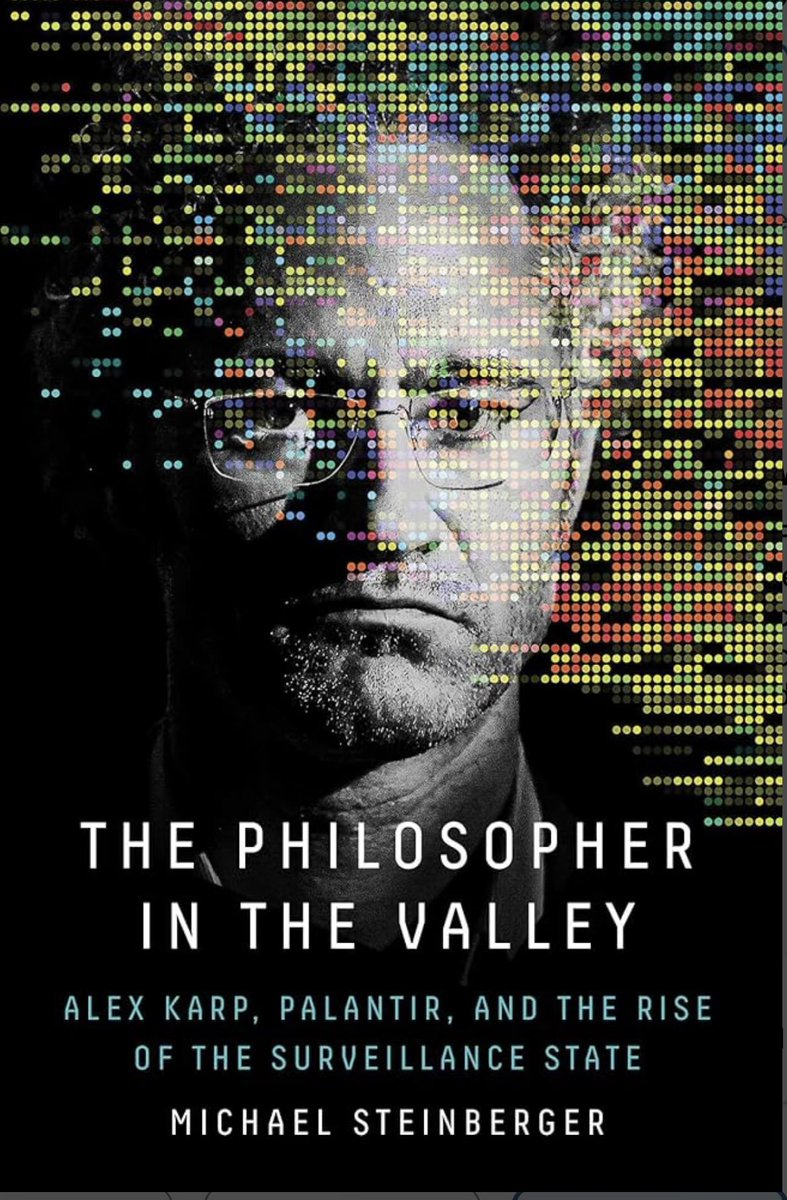
I just finished ‘The Philosopher in the Valley, Alex Karp, Palantir, and the Rise of the Surveillance State’ by Michael Steinberger. It was a quick, well-written, and fascinating read, in part a biography on Alex Karp as well as a deep dive on @PalantirTech. I found the book to be an honest portrayal of both.
Definitely worth a read.
I am a Karp fan. We need more high-profile people who are unafraid of speaking freely about important issues.
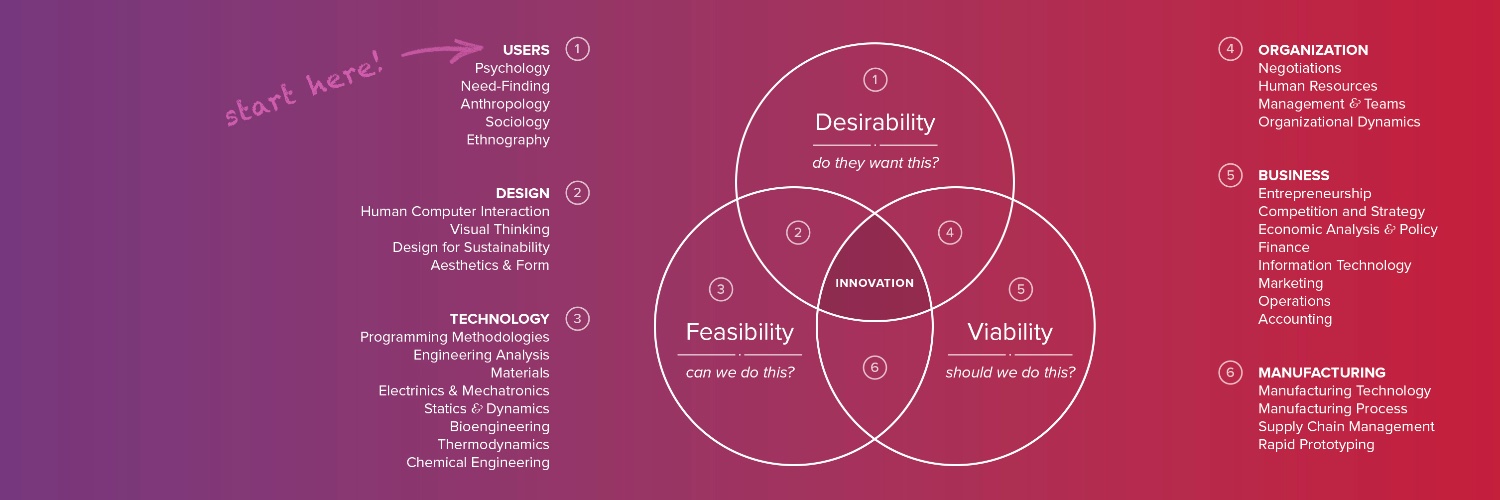
Demystifying the ‘product design process' 🙌
There is no such thing as a ‘design process’. Instead, there are just a variety of tools that you should learn, suited to solving different problems at different times. Learn as many as you can (and maintain a curious mindset to learn new approaches in the future) and you’ll become a product design maestro in no time.
Brief overview
What is a design process anyway?
1. The Double diamond (Design Council)
2. Continuous discovery (Teresa Torres)
3. Triple diamond
4. Build Measure Learn
Just to name a few! Each have their own merits, and offer a similar but different take on product design, but fundamentally they help achieve the same end goal.
A useful way to think about the idea of a design process is to see it as a way of helping you do 2 things:
1. Determine a solution to the problem as quickly as possible (focus on speed)
2. Ensure you’re solving the right problem in the first place (focus on risk)
How a design process helps and hinders
A solid design process has its place in anyone’s toolkit or business process, and can often act as a very useful tool to align thinking across multiple teams or divisions in your organisation.
Think about the design process as a way of moving from problem to solution as quickly and effectively as possible:
- How long do you spend on each stage?
- How much effort do you invest?
- Who else do you involve?
- How much research is enough?
- What’s the best way of testing your idea?
- How do you learn as quickly as possible? How do you prioritise learning, i.e. via MVPs, user testing, forming great hypotheses, desirability testing.
What will actually help you figure out the most important thing allowing you to move on to the next step, rather than blindly following each step of your process just because it’s your process:
- Are stakeholder interviews relevant for this project?
- Do you really need to conduct primary research if this is already a well understood problem space?
- Do you need to work up detailed wireframes if we could test something with users in the same timeframe by pairing with an engineer?
- Could we run desirability testing using marketing channels/social channels to gauge customer appetite before we conduct lengthy research cycles or commit to code?
Thinking differently about the process of design
In essence, what we’re really talking about here is ‘design thinking’ rather than design process. While ‘design process’ may outline WHAT you’ll do, ‘design thinking’ focuses on WHY you’re doing it.
- What is the outcome from this stage of my process?
- What do I need to learn in order to move to the next step?
- How can I get to a conclusion as quickly as possible?
- What do I need to learn to de-risk this project or idea?
- How will this tool/framework/workshop/research help me determine the right solution?
Maintain a curious mindset
1. Try to understand a variety of tools from problem discovery, to prioritisation, ideation and validation. Only through understanding the pros and cons to each tool (the first part of Shuhari) will you begin to master them. Keep track of the tools you’ve learnt, log them somewhere helpful for future reference, even create your own toolkit for the future.
2. Understand what you don’t know. Even if you haven’t had a chance to use the tool itself, simply being aware of it is the first stage of learning!
3. Test out new tools. See your next design challenge as an opportunity to validate these new tools you’ve discovered and see if they help you get from A to B more efficiently, with a better outcome, than other tools you’ve used before.
#UX #UI #UXDesign #UIDesign #ProductDesign
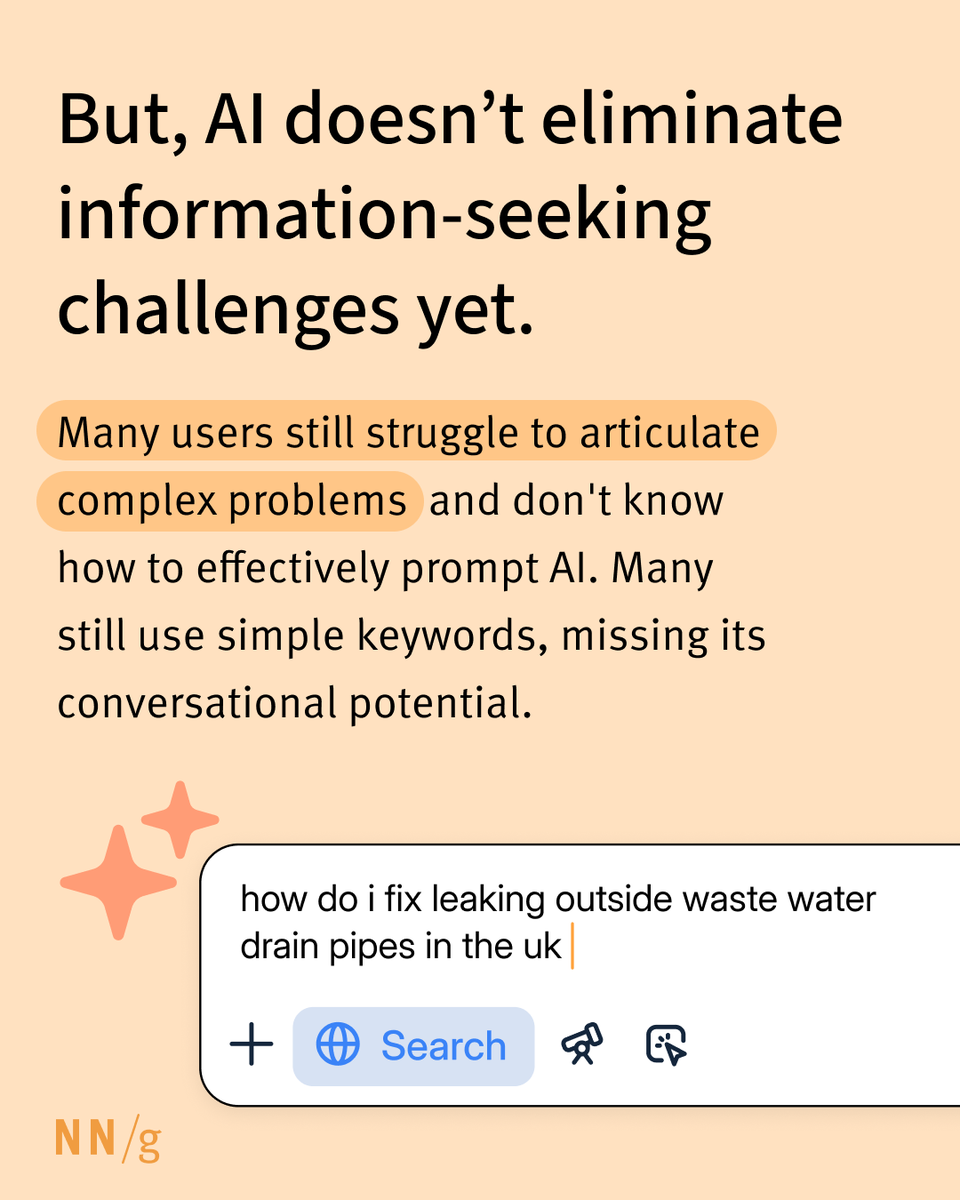
Users often search AI with basic keywords, missing its ability to understand natural language and context. Our research reveals a discoverability barrier—many don't know what AI can do.
Read more
https://t.co/gtZGbVG2Sq
#UX#AI#UserResearch
David Sacks on AI: “I think it���s bigger than the iPhone… bigger than the internet itself potentially… it’s going to fuel the growth of the American economy for years to come and get back to 4–5% growth rates… it will be one of the most important parts of Trump’s legacy.”
I don’t want to connect my coffee machine to the wifi network. I don’t want to share the file with OneDrive. I don’t want to download an app to check my car’s fluid levels. I don’t want to scan a QR code to view the restaurant menu. I don’t want to let Google know my location before showing me the search results. I don’t want to include a Teams link on the calendar invite. I don’t want to pay 50 different monthly subscription fees for all my software. I don’t want to upgrade to TurboTax platinum plus audit protection. I don’t want to install the Webex plugin to join the meeting. I don’t want to share my car’s braking data with the actuaries at State Farm. I don’t want to text with your AI chatbot. I don’t want to download the Instagram app to look at your picture. I don’t want to type in my email address to view the content on your company’s website. I don’t want text messages with promo codes. I don’t want to leave your company a five-star Google review in exchange for the chance to win a $20 Starbucks gift card. I don’t want to join your exclusive community in the metaverse. I don’t want AI to help me write my comments on LinkedIn. I don’t even want to be on LinkedIn in the first place.
I just want to pay for a product one time (and only one time), know that it’s going to work flawlessly, press 0 to speak to an operator if I need help, and otherwise be left alone and treated with some small measure of human dignity, if that’s not too much to ask anymore.
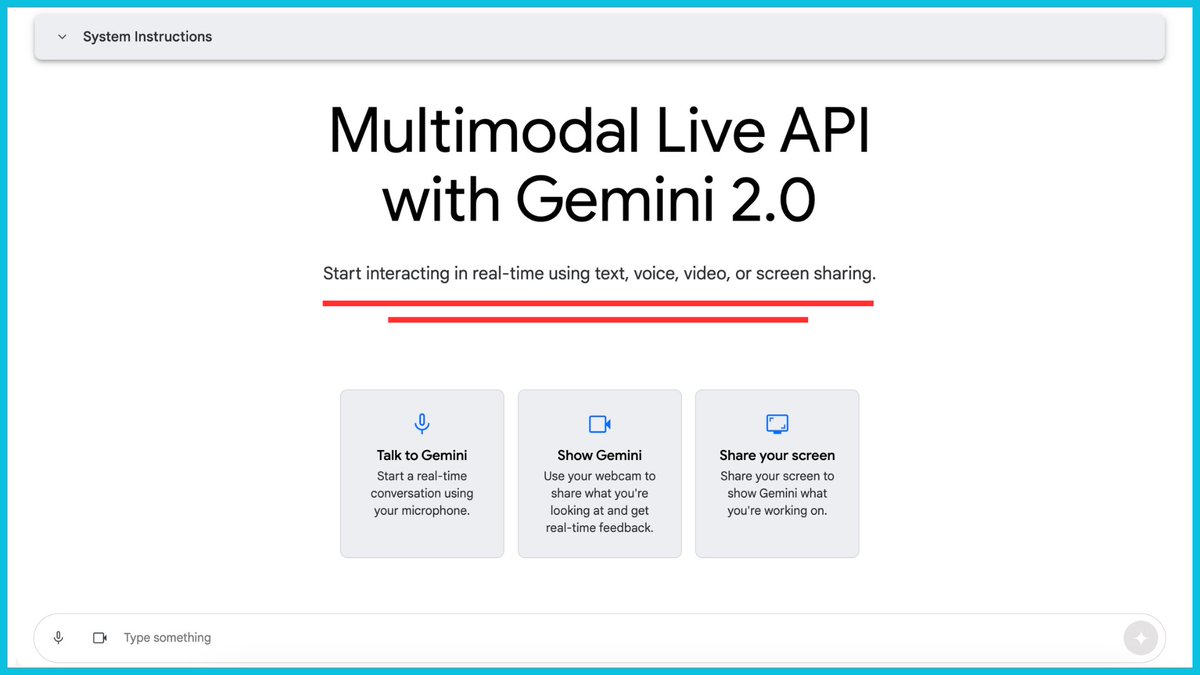
Google raised the bar with Realtime AI.
It enables AI to see your screen and chat with you in real-time, and users are discovering incredible use cases.
10 wild examples: