In this opinion piece, Zachary Utz, a former employee at the National Human Genome Research Institute, tells us about the Human Genome Project and how cuts to funding have affected the institute.
Today, we are launching the first publicly available AI Scientist, via the FutureHouse Platform.
Our AI Scientist agents can perform a wide variety of scientific tasks better than humans. By chaining them together, we've already started to discover new biology really fast. With the platform, we are bringing these capabilities to the wider community. Watch our long-form video, in the comments below, to learn more about how the platform works and how you can use it to make new discoveries, and go to our website or see the comments below to access the platform.
We are releasing three superhuman AI Scientist agents today, each with their own specialization:
A general-purpose agent (Crow);
An agent to automate literature reviews (Falcon); and
An agent to answer the question “Has anyone done X before” (Owl).
We are also releasing an experimental agent, Phoenix, that has access to a wide variety of tools for planning experiments in chemistry. More on that below.
The three literature search agents (Crow, Falcon, and Owl) have benchmarked superhuman performance. They also have access to a large corpus of full scientific texts, which means that you can ask them more detailed questions about experimental protocols and study limitations that general-purpose web search agents, which usually only have access to abstracts, might miss. Our agents also use a variety of factors to distinguish source quality, so that they don’t end up relying on low-quality papers or pop-science sources. Finally, and critically, we have an API, which is intended to allow researchers to integrate our agents into their workflows.
Phoenix is an experimental project we put together recently just to demonstrate what can happen if you give the agents access to lots of scientific tools. It is not better than humans at planning experiments yet, and it makes a lot more mistakes than Crow, Falcon, or Owl. We want to see all the ways you can break it!
The agents we are releasing today cannot yet do all (or even most!) aspects of scientific research autonomously. However, as we show in the video, you can already use them to generate and evaluate new hypotheses and plan new experiments way faster than before. Internally, we also have dedicated agents for data analysis, hypothesis generation, protein engineering, and more, and we plan to launch these on the platform in the coming months as well. Within a year or two, it is easy to imagine that the vast majority of desk work that scientists do today will be accelerated with the help of AI agents like the ones we are releasing today.
The platform is currently free-to-use. Over time, depending on how people use it, we may implement pricing plans. If you want higher rate limits, especially for research projects, get in touch. @m_skarlinski, @andrewwhite01, @_tnadolski, Remo Storni, @semajazarb, @ludomitch, @MichaelaThinks, as well as @jasonjoyride and his team for making such fantastic videos of us!
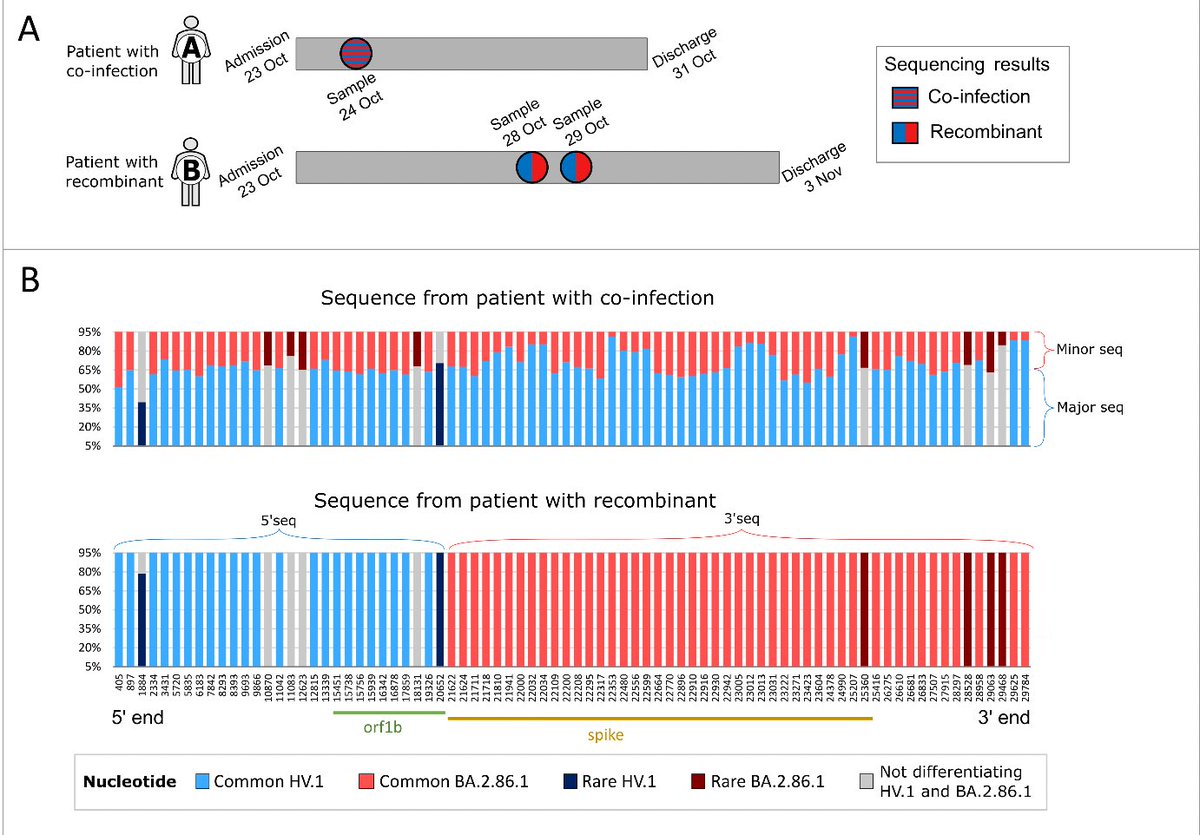
How #SARSCoV2 sequencing showed a person infected with 2 different variants directly transmitted a novel recombinant (hybrid) to another person
https://t.co/22BD2WFlZD @LancetMicrobe
first time such an event—origin of a recombinant variant— has been documented
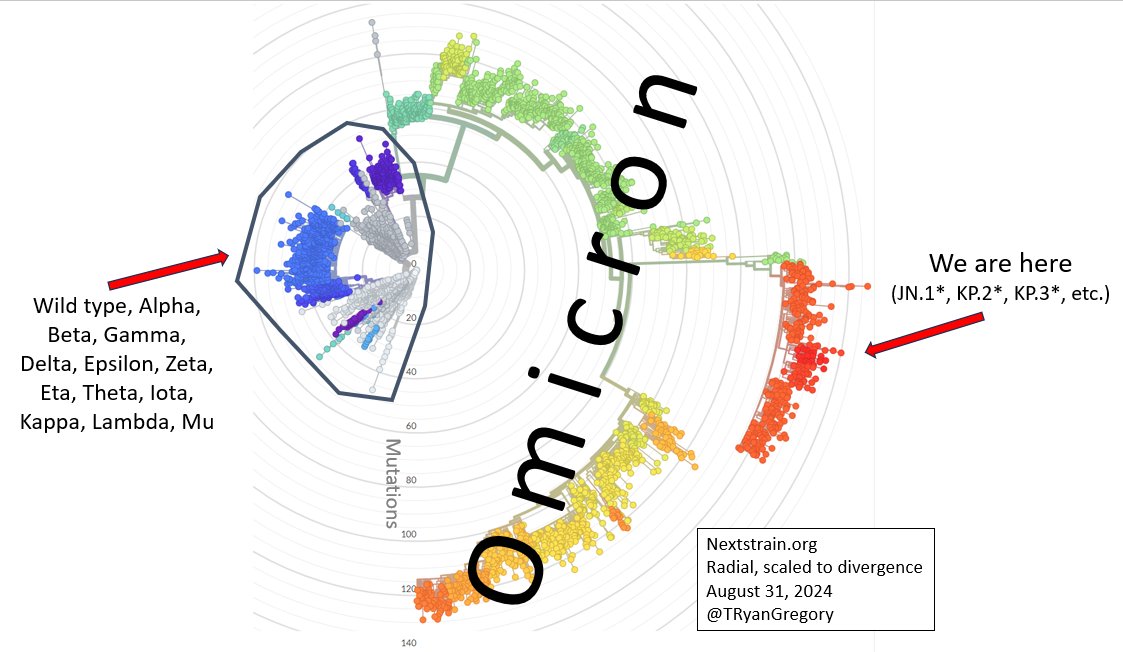
If anyone says "It's all still Omicron", "The current variants aren't that different", "SARS-CoV-2 is running out of evolutionary space", or "The current wave is finally over!", show them these. 🧵
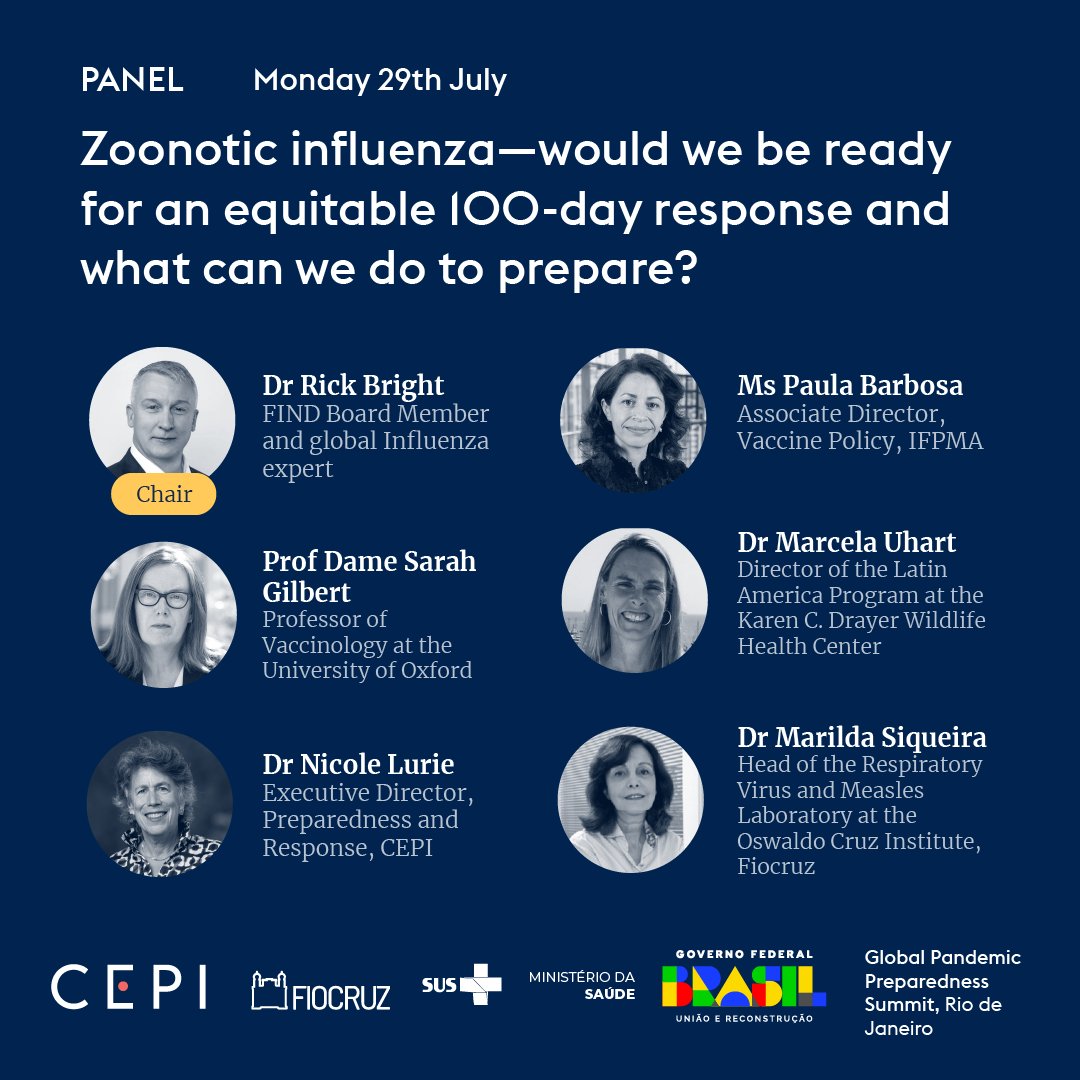
Could #H5N1 develop into a fast-spreading human outbreak? Is the world ready to respond?
Listen to experts @RickABright, Dame Sarah Gilbert, Dr Nicole Lurie & more next week at #GPPS2024 to hear how we can prepare for an equitable 100-day response to a bird flu pandemic.
What determines whether someone gets infected or not after exposure to SARS-CoV-2? A new study by Lindeboom et al examined this question with COVID-19 human challenge study. @BenIsraelow and I summarize their key findings in this News & Views 🧵 (1/)
https://t.co/11PzBqeor1
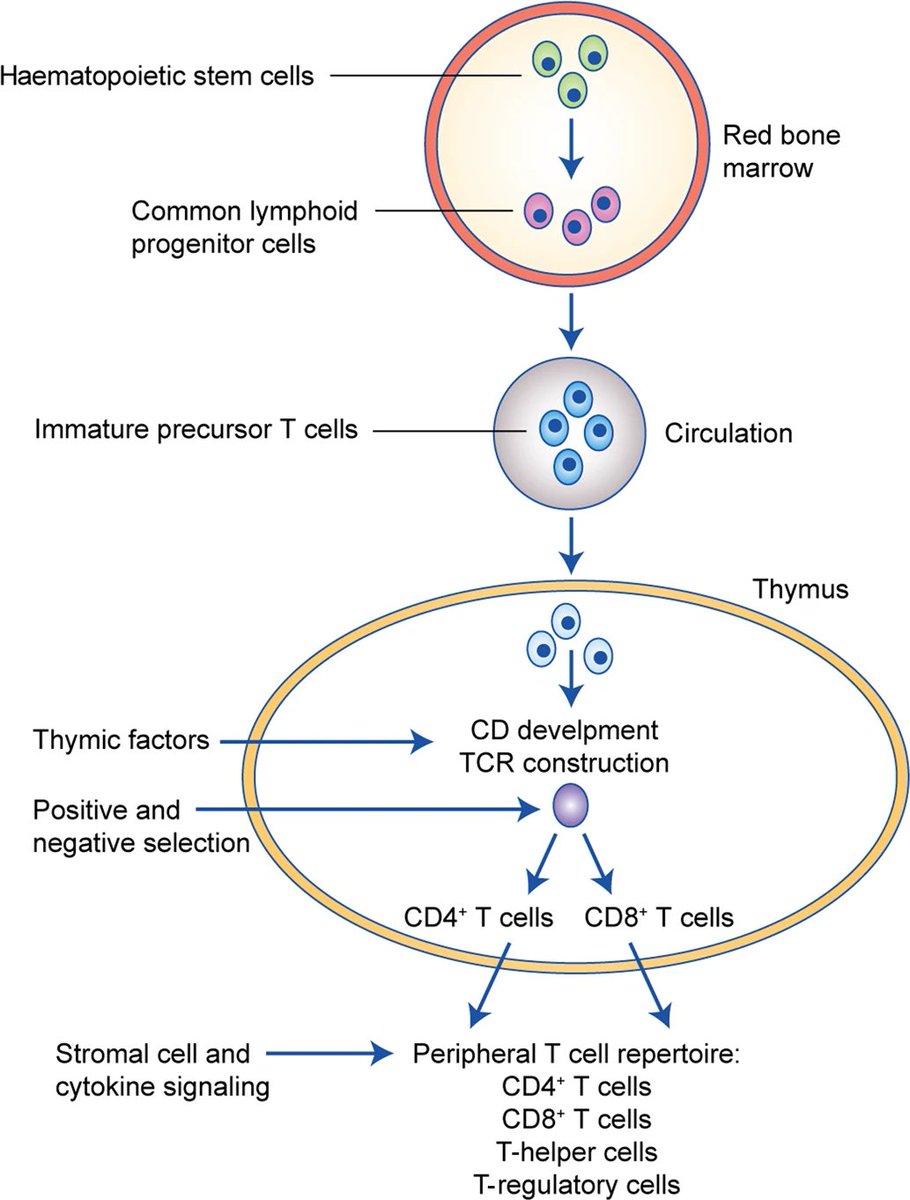
A new finding about T cells may expedite our fight against cancer!
Cytotoxic T cells are an important component of the immune system. Once activated, they differentiate into either short-lived effector cells or long-lived memory cells. 1/
Penn-CEIRR researchers performed Deep Mutational Scanning of H5 HA to better assess how mutations might affect the virus’ risk to humans or effectiveness of current candidate vaccines: https://t.co/Yit8vU1hiT
Well, it appears that USDA has finally taken more steps toward sharing more of the H5N1 cattle data.
Really grateful to this research team for sharing this, though I hope they weren’t holding on to the data solely to ensure they published first.
https://t.co/iHiLveGytp
#LongCovid is complex to diagnose and treat, so we need #biomarkers! 1. to confirm viral persistence, and 2. to map the failing/overactive immune response. So we tried to hit two birds with one stone using digital transcriptomics 👇👇 (1/n)
https://t.co/zi62Gpdd2A
Here is a link to 239 consensus genome sequences, assembled by @xrayfoo, from sequencing reads of 2.3.4.4b H5N1 influenza A virus from cattle and other species.
https://t.co/BaVCInHIcW
PS:
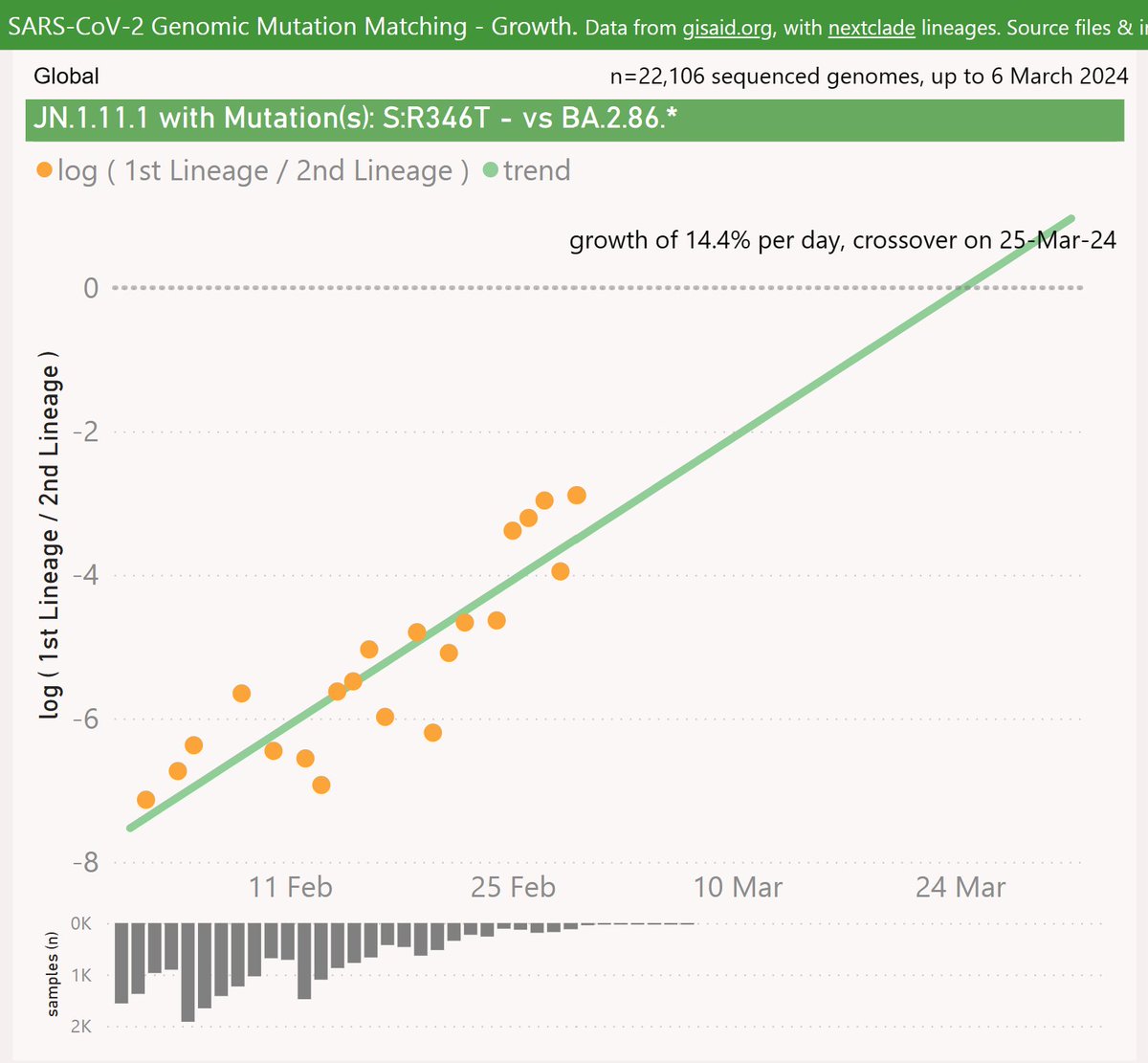
KP.2 adds the Spike R346T mutation to JN.1.11.1.
Globally, KP.2 is showing a very strong growth advantage of 14% per day (101% per week) over other BA.2.86.* "Pirola" (including JN.1.*) since February. That predicts a crossover in late March.
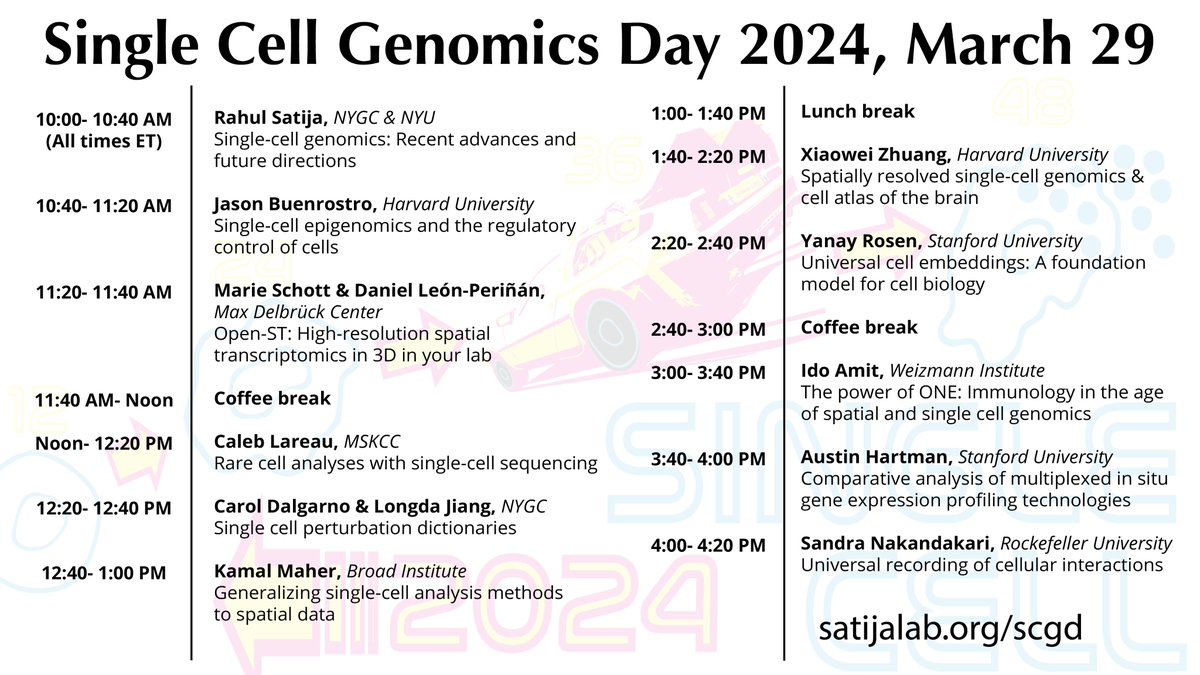
Want to hear about the latest updates/new techniques in single cell and spatial genomics? Check out the full agenda for our Single Cell Genomics Day on Friday, 3/29. All talks will be live-streamed (no registration required) at https://t.co/KJpeGwWLIr
Release of 8 new genomes of a new lineage of SARS-CoV-2 with > 100 mutations from South Africa. This is probably the most divergence lineage identified this year. In this thread, we highlight some of the characteristics of the new BA.2.X lineage and epidemiology in SA.