Biologist that navigates in the oceans of diversity through the space-time |
MSc in Biochem/Bioinfo @ibt_unam 🇲🇽 |
Protein evo, metagenomics & AI/ML/DL
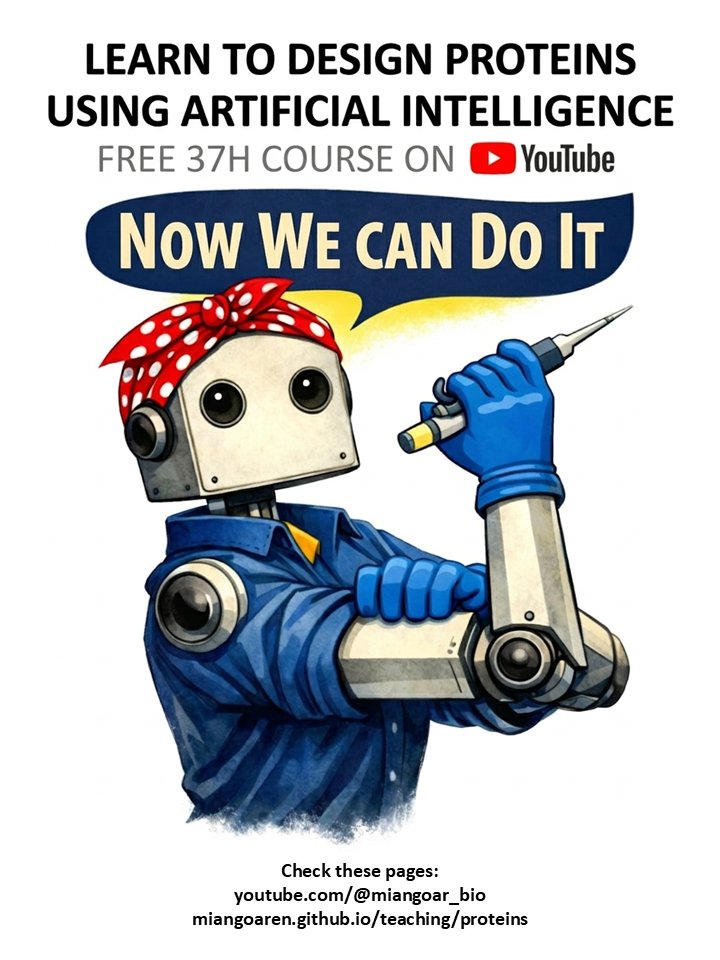
1/12🧵Do you want to learn how to design proteins using AI but don’t know anything about bio? I created a free 10-lesson course on YouTube. It’s now available in Spanish (original) and English (autodubbing w/Kokoro 82M). Here’s an overview of the topics covered in each lecture :)
Claude was trained on protein sequences, at scale.
We gave 20 language models the start of little-studied bacterial proteins and asked for the next amino acids. Only the latest Claude models predict them. Not GPT, not Gemini, not seven open-weight models.
🔥⚛️ The molecular simulation ecosystem just got accelerated 3x ⚛️🔥
Faster, better molecular simulations
=
more routine use in new scientific use cases
=
more confident, more accurate wet lab experiments
https://t.co/NGvwNetvsw
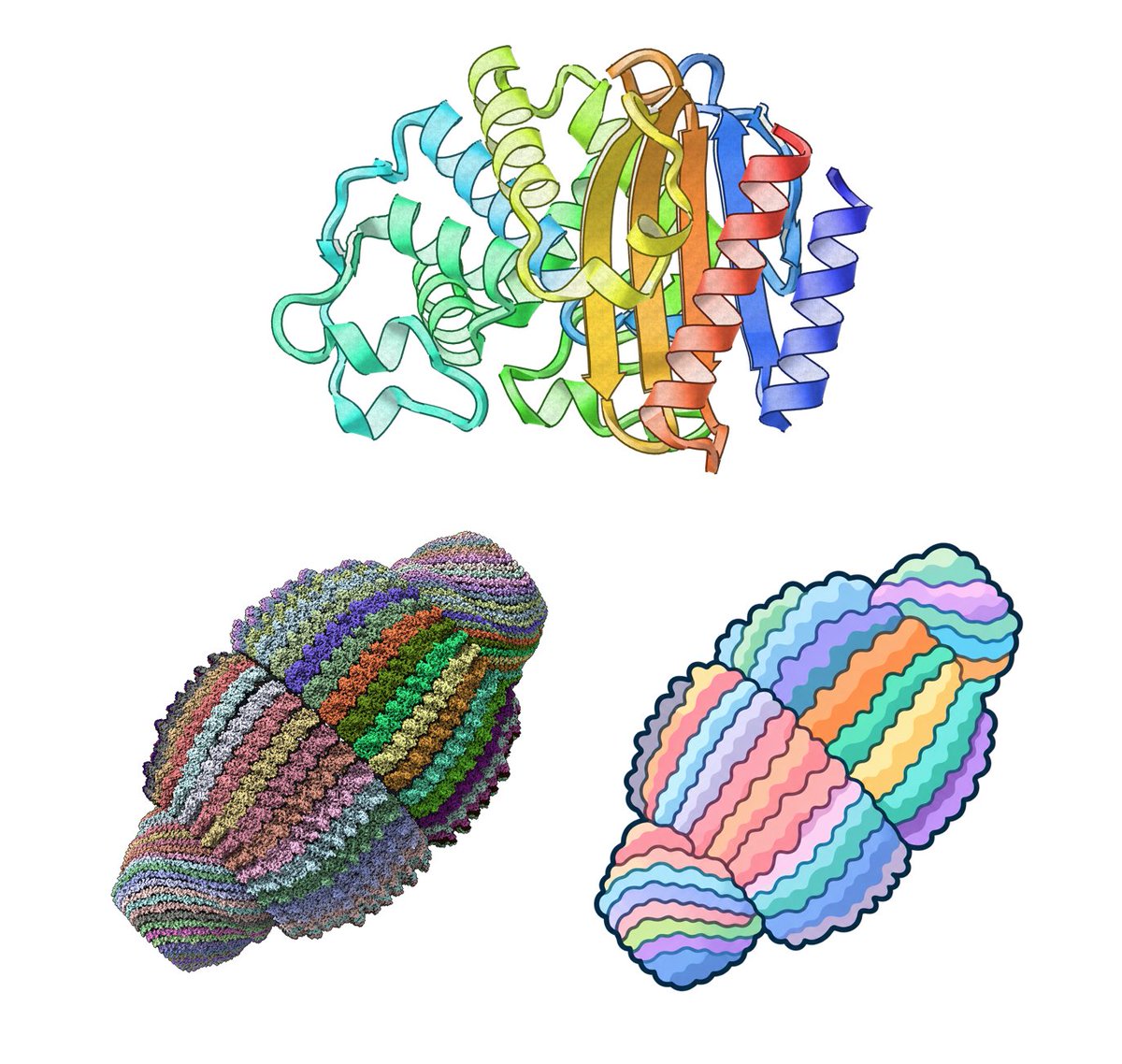
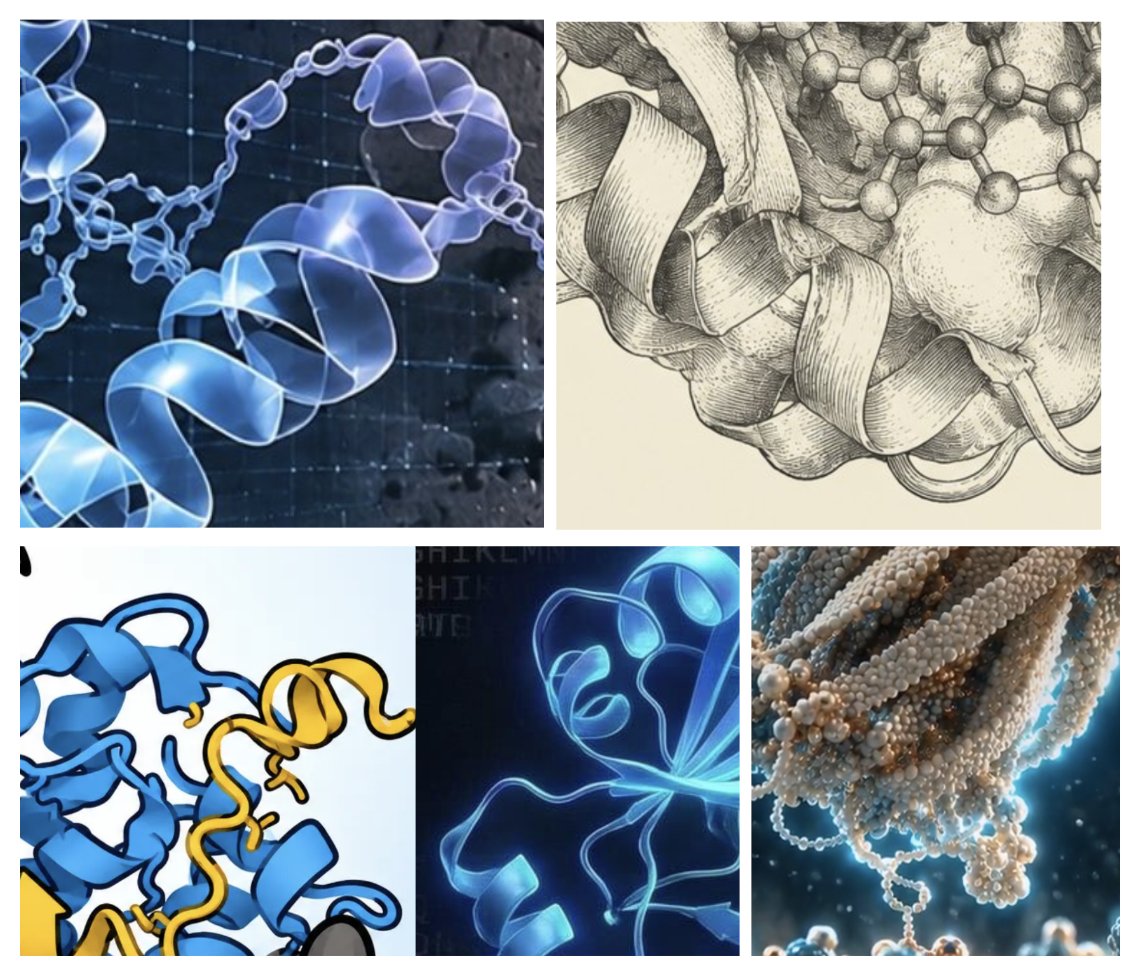
It's toooo easy to create good images of protein structures. Just use Sergey's py2dmol to render them in the Richardson style, or take a structure from ChimeraX and pass it through ChatGPT to create a minimalist icon
¯\_(ツ)_/¯
https://t.co/8hp3zSSjT2
I've been reading about AI alignment.
Had to prune through self-flattering philosophical babble, manufactured numbers and plots with no labels.
But finally found a principled angle: game theory. Stuart Russell's group has been at it for over a decade.
Thank you @seraphinagt for your very down-to-earth takes, and @0xSero for the cute robot animations!
0:00 HAL 9000 and the shutdown problem
1:36 Why would AI resist being switched off?
3:16 The off-switch game
9:19 RLHF
14:11 Does RLHF play the off-switch game?
16:14 Shutdown resistance in frontier models
18:32 Assistance games
22:03 How do they calculate p(doom)?
Excited to share what we’ve been building with Chaperone!
In our benchmark, Chaperone reduced token usage by 86%. We also went from hypothesis to sequences ready for wet-lab testing in just two weeks—yielding a 1.32 nM cortisol binder in the first experimental round!
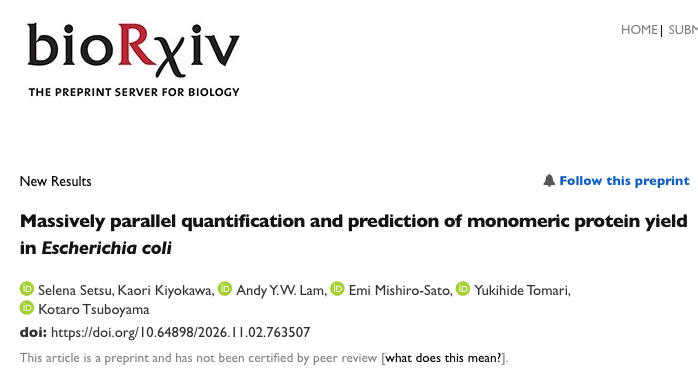
We can now design all kinds of fancy de novo proteins. But can we produce them at scale, at a reasonable cost, and without extensive optimization? That’s what got this project started. Our preprint is now out! Much of the work was led by Selena @sesameandrea and Kaori. 1/8
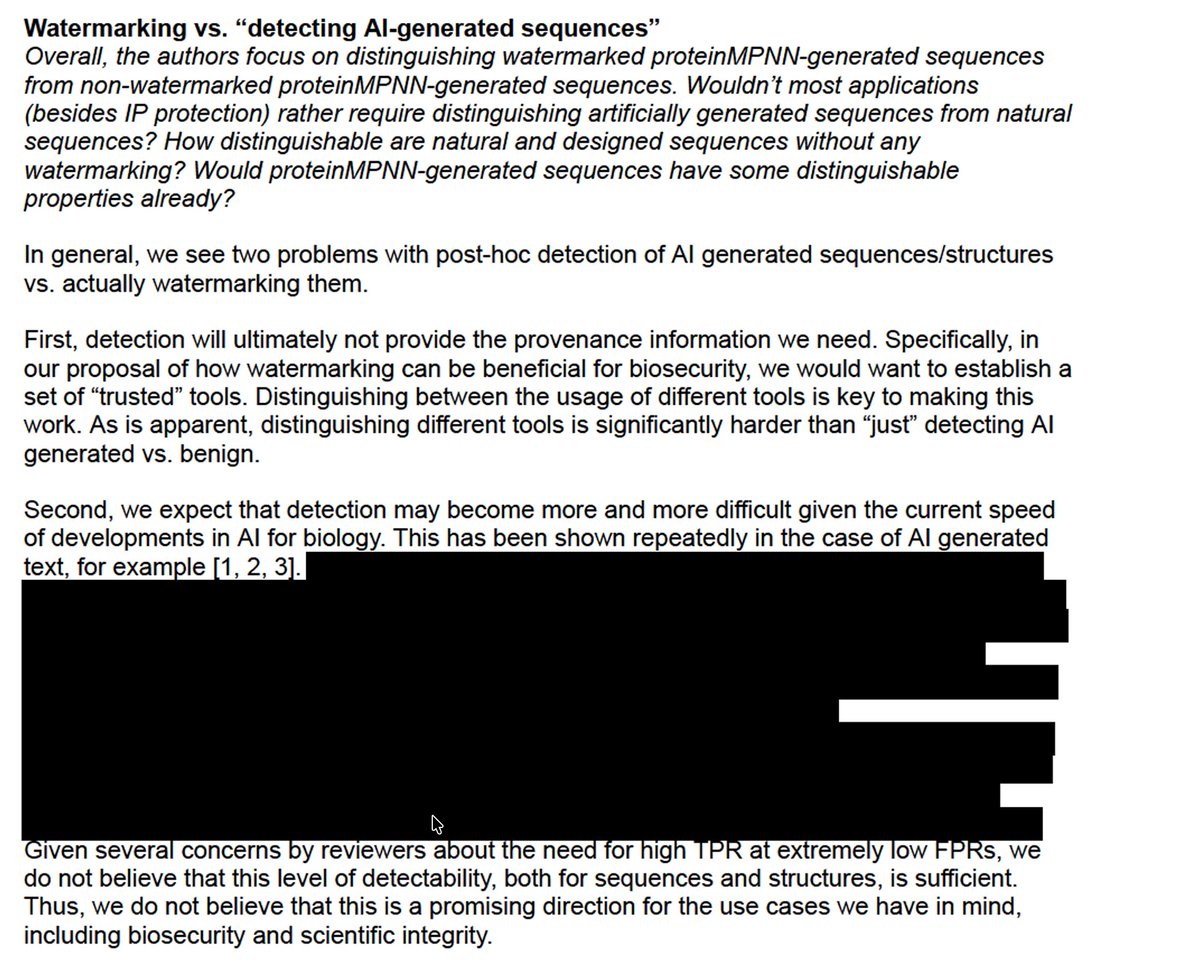
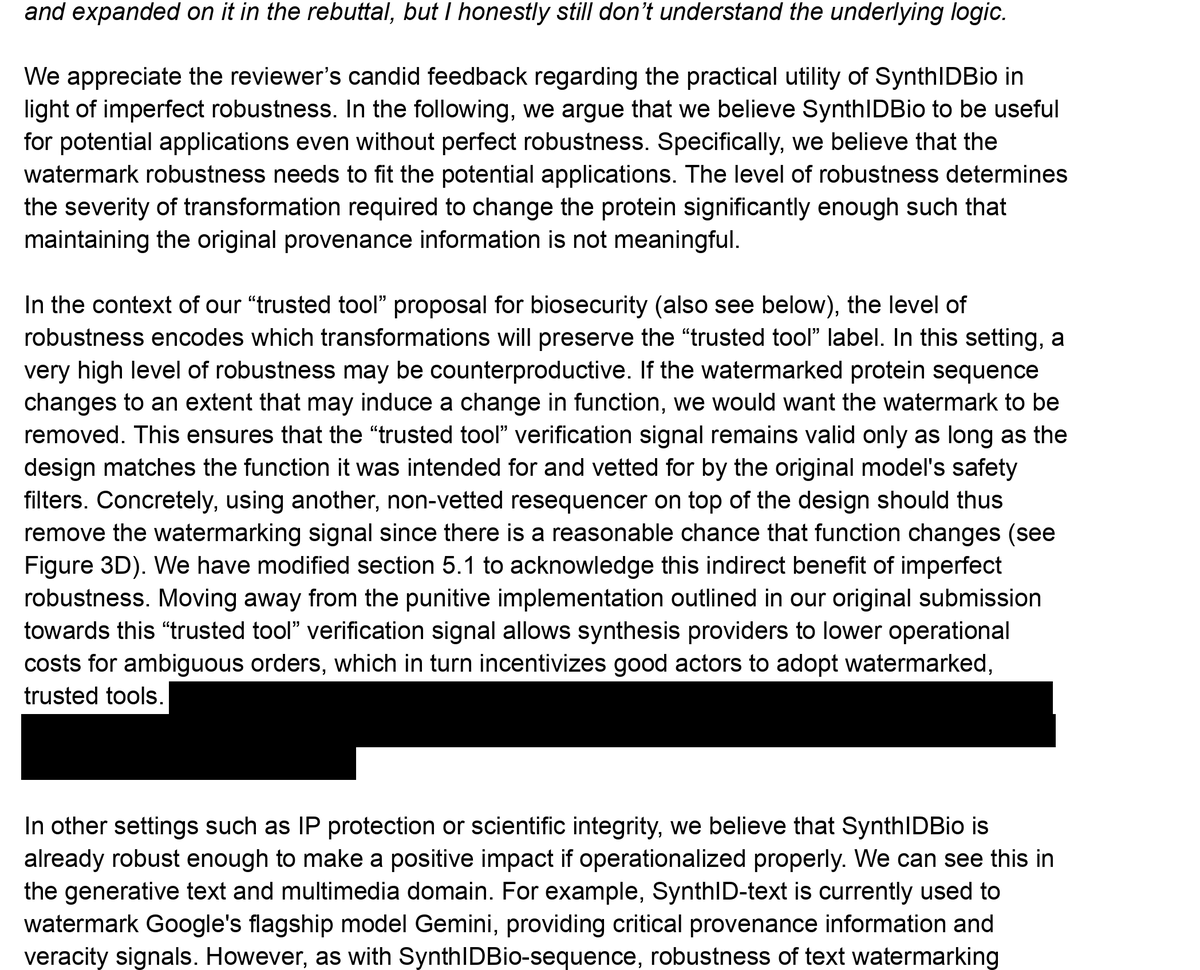
Watermarking proteins, why? How is this even a nature paper? I agree with the many reviewers that pushed back. Also this is open peer review? Redacations
@a_fisiolog57853 Hola Walter!
Sabes de donde salen esas graficas de barras y el mapa de calor (BMI vs WC vs relative risk) que aparecen en la primer figura?
Revisé el reporte de Ross que aparece en el link, pero no encontré esas graficas.
@wc_ratcliff Wow! Really cool! Could you provide more details about how you created your 9K frames? Please.
AFAIK, Claude isn't good at generating watercolor style images, and the entire script looks biologically accurate to me, unlike many of the videos generated with Claude.
Out today in @nature.com: our review on how single cells evolve into multicellular organisms, with Ozan Bozdag, @kai_tong_mc25, Peter Yunker, and Matt Herron.
https://t.co/mJYWOSK3g3
For an overview, check out the video below.
1/2 Why are hyperscaler CEOs (Dario, Sam, Demis, Elon) so obsessed with claiming that we'll cure every disease, from cancer to Alzheimer, within the next decade? This has officially become a meme, a new benchmark to max out and attract (even) more VC funding to their companies.
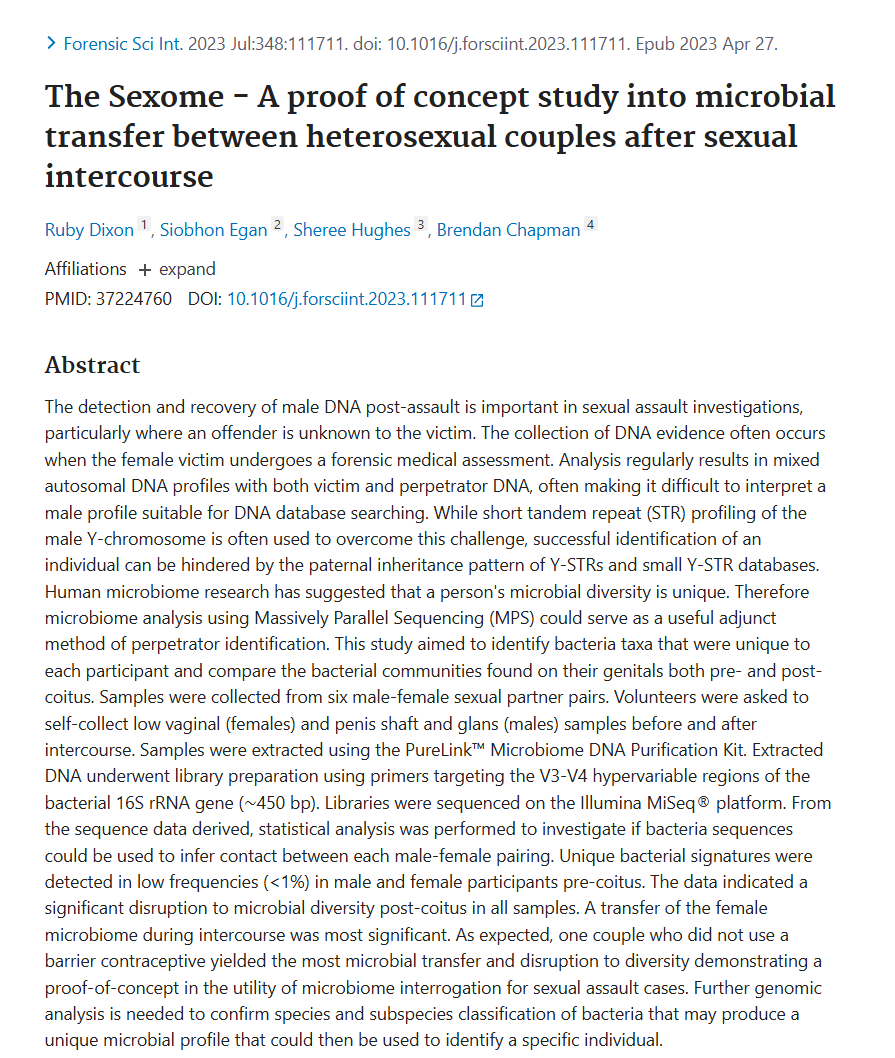
The “sexome” the set of microbes transferred during sexual intercourse, is one of the wildest omics (if not the wildest) I’ve ever seen.
The Sexome
https://t.co/TkY6XyEkDh
Bacterial transfer during sexual intercourse as a tool for forensic detection
https://t.co/yEmKvooPQf
(1/2) How did RNA and peptides organize before specific protein sequences existed?
Our new study shows that heterogeneous peptide populations can spontaneously form liquid-like RNA-rich condensates with a model of the ancient ribosome.
Your heart, brain, and immune system share the same DNA sequence. So how can a single-letter change affect disease in some cells, while sparing the rest?
AlphaGenome 2 is our new AI model that zooms in on specific cells to help scientists understand what drives disease. 🧵