The heliosphere is the outermost layer of the Solar System and protects the planets from powerful cosmic events like supernovae. This artist’s visualization shows its possible shape
[📹 Star Walk]
We love this moment from Shostakovich's Cello Concerto No. 1 played by Pablo Ferrández💖
Head on over to @MarqueeArtsTV📺 to continue streaming the concerto in full, for free today only: https://t.co/AvXBFAfiu0
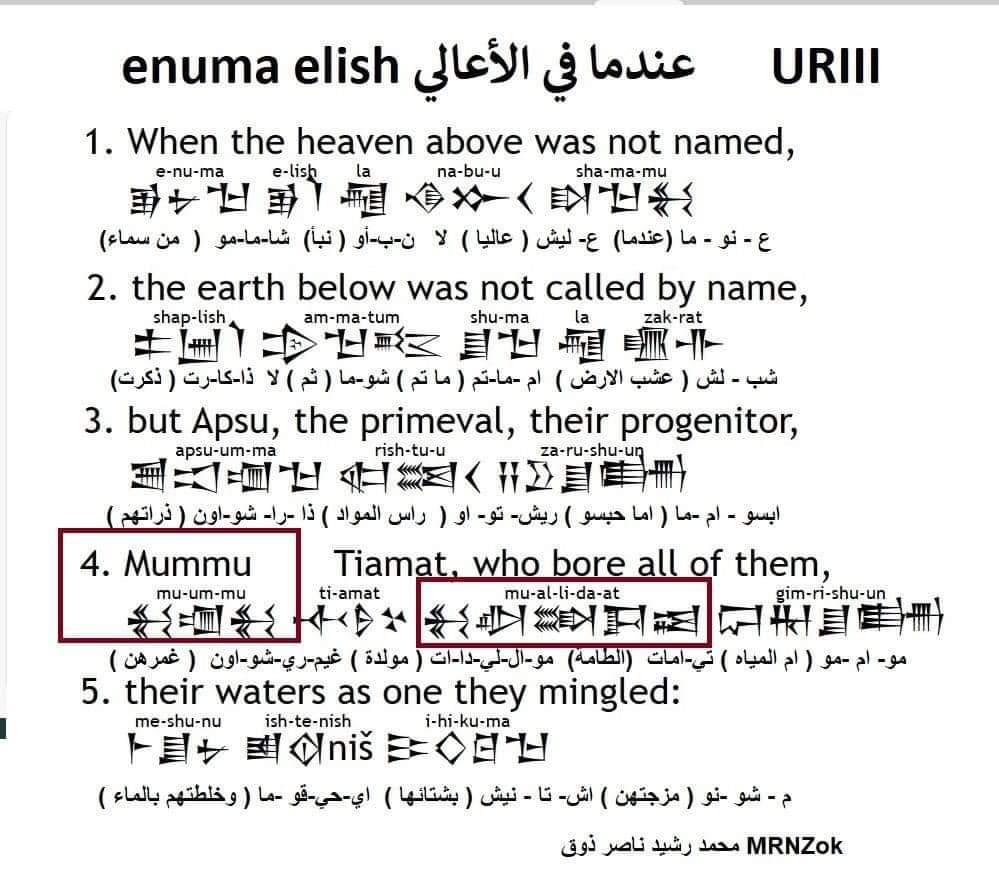
Di Maurice Ravel vi proponiamo l’ascolto di "Giochi d’acqua" interpretato da Svjatoslav Richter. Ci è venuto in mente tra i tantissimi e arcinoti spunti che la musica potrebbe darci sul tema, visto che oggi è la #giornatamondialedellacqua
Modhera Sun Temple - a lesser-known architectural jewel of India :
Modhera Sun Temple is set in the heart of Gujarat. Modhera Sun Temple is an architectural beauty dedicated to Sun (Surya) God. It is one of the prime examples of Indian temple architecture. Temple is situated on the banks of the Pushpavati River in the town of Modhera, Gujarat, India; and offers a glimpse into the rich history and culture of Gujarat. Currently, no worship is offered here now and Temple is now the Monument of National Importance and is maintained by the Archeological Survey of India. It was added to the tentative list of UNESCO World Heritage Site in December 2022.
According to Archeological Survey of India; Modhera Sun Temple was built in 1026-27 AD, during the reign of Bhima I of the Chaulukya dynasty. In 1024-25 AD, when Mahmud of Ghazni had invaded Bhima's kingdom and a force of around 20,000 soldiers had unsuccessfully tried to check his advance at Modhera. Historian A. K. Majumdar theorizes that the Sun Temple might have been built to commemorate this defense. On a block in western wall of cella, there is an inscription "Vikram Samvat 1083" upside down carelessly incised in Devnagari script which correspond to 1026-27 AD. No other date is found. As the inscription is upside down, it evidences the destruction and reconstruction of the cella. Due to position of the inscription, it is not firmly considered as the date of construction. On the stylistic ground, it is known that the Kunda with its corner shrines was built earlier at the beginning of 11th Century AD. The inscription is considered as the date of destruction by Ghazni instead of the construction. Soon after Bhima had returned to power. So the temple proper, the miniature and the niche shrines in the tank were built shortly after 1026 AD. The dancing hall was added much later in the third quarter of 12th Century AD, along with the gateways, the porch of the temple proper and the doorframes of the temple and the cella during the reign of the Karna.
Temple complex is built in Māru-Gurjara style (Chaulukya style). Temple complex has three axially aligned components; the shrine proper (garbhagriha) in a hall (gudhamandapa), outer or assembly hall (sabhamandapa or rangamandapa) and sacred reservoir (kunda). Sabhamandapa is not in continuation with Gudhamandapa but is placed little away as a separate structure. Both are built on a paved platform. Their roofs collapsed long ago leaving behind a few lower-most courses. Both roofs are 15' 9" in diameter but are constructed differently. The platform or plinth is inverted lotus-shaped.
As you enter historical complex, you first come across magnificent kund known as Ramakund, built in rectangular shape containing 108 shrines to various gods and demi-gods. Other three main shrines positioned on the three sides of the kund, dedicated to Ganesh and Vishnu and an image of Lord Shiva dancing ‘tandav’. Walk up the steps to the ‘Sabha Mandap’ or assembly and convene with sculpted renderings of twelve ‘Adityas’ (another name for the sun god). Twelve representations carved on the pillars represent the sun according to the twelve months. After witnessing the 'Sabha Mandap' a visit to the Garbhagruha will definitely feel as a spiritual experience. The statue of the sun god no longer exists and the Suryavanshi Solanki’s have been scattered into the dust of history since a thousand years but still on the day of the Equinox, one can almost hear the chanting of the prayers, the aroma of incense, the tinkling of bells as the sharp, linear rays of the sun illuminate the inner core of life and light.
Tourism Corporation of Gujarat organises an annual three-day dance festival known as Uttarardha Mahotsav at the temple during 3rd week of January, following festival of Uttarayan. The objective is to present classical dance forms in an atmosphere similar to that in which they were originally presented.
🎥 : Credit to the Owner
#archaeohistories
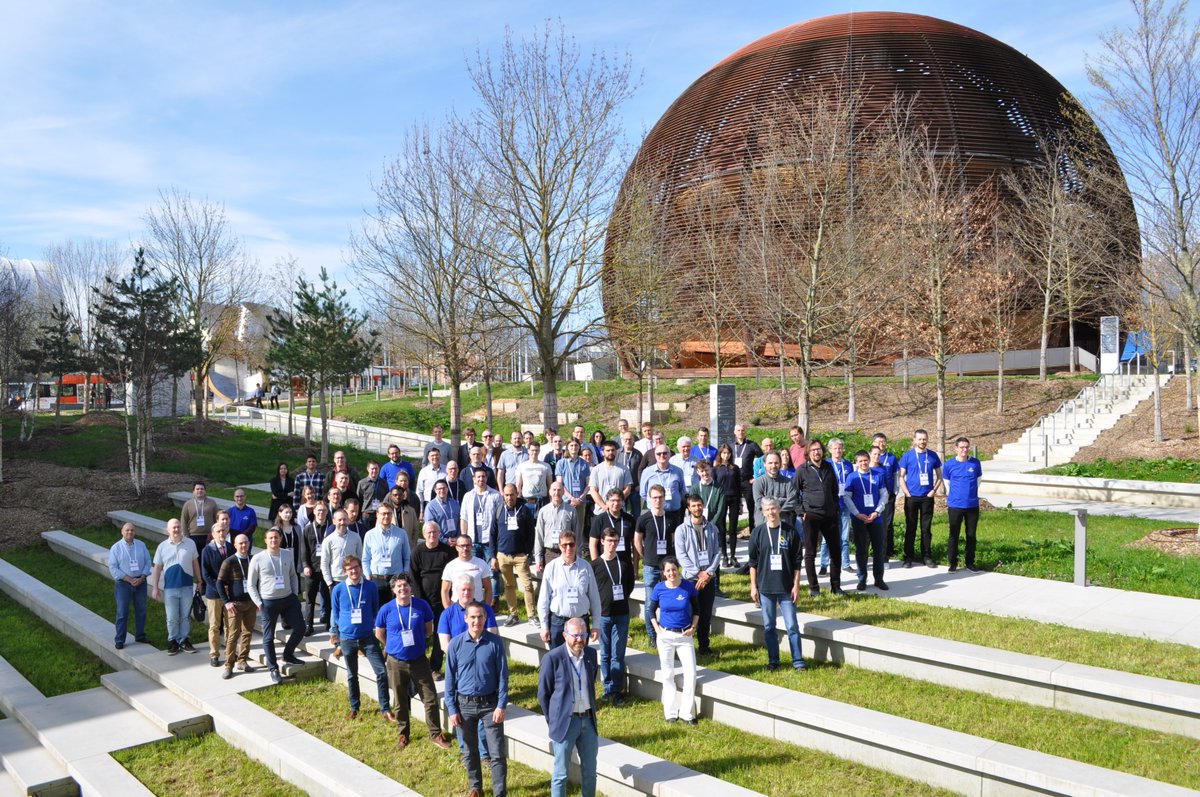
CERN launches the White Rabbit Collaboration! ⏰
White Rabbit is an open-source timing technology developed at CERN, with applications far beyond particle physics, including use in the finance sector and more.
The White Rabbit Collaboration aims to provide dedicated support and training and facilitate R&D projects.
Find out more: https://t.co/lY0gi9U3nB
#collaboration #opensource #timesynchronisation
The 'Golden Throne' of Tutankhamun, a unique work of art. The luxurious armchair is distinguished by the complexity of its technique and an abundance of details. Its colors have not faded over three thousand years, which serves as a testament to the high skill of the ancient Egyptian craftsmen.
The royal throne is made of wood, covered with gold and silver. It is ornamented with semi-precious stones and colored glass. Two projecting lions’ heads protect the seat of the throne while the arms take the form of winged uraei or rearing cobras wearing the double crown of Egypt and guarding the cartouche names of the king. The throne is called (Ist) in Egyptian hieroglyphs after the name of the mother goddess Isis, who was usually depicted bearing a throne on her head as her characteristic emblem.
The golden throne was discovered in 1922, by the British Archaeologist Howard Carter. It was found beneath a hippopotamus funerary bed in the antechamber of the Tomb of Tutankhamun (1341-1323 BC), New Kingdom, late 18th Dynasty; Valley of the Kings, Luxor, Egypt.
The throne meant, not only the link between the worlds of Gods and the people, but also majesty, stability, safety and balance. Since kings were considered Gods on earth, it may not be difficult to imagine Tutankhamun imposing his divine will over the rest of mortals while sitting on this golden throne.
On the back of the throne; depicts, Queen Ankhesenamun holds a salve-cup and spreads perfumed oil on her husband’s collar in a typical Amarna style scene, sun disc Aten shines above royal couple. At the time it was made, their names were Tutankhaten and Ankhespaaten. The scene shows one of the most famous and intimate scenes in art history: the young king appears sitting and being regaled with an ointment by his wife Ankhesenamun. The king wears a composite crown and a broad collar and the queen wears a diadem. The bodies and wigs of both of them are inlaid with exquisite colored glass and their linen robes are silver.
Egyptian Museum, Cairo
#archaeohistories
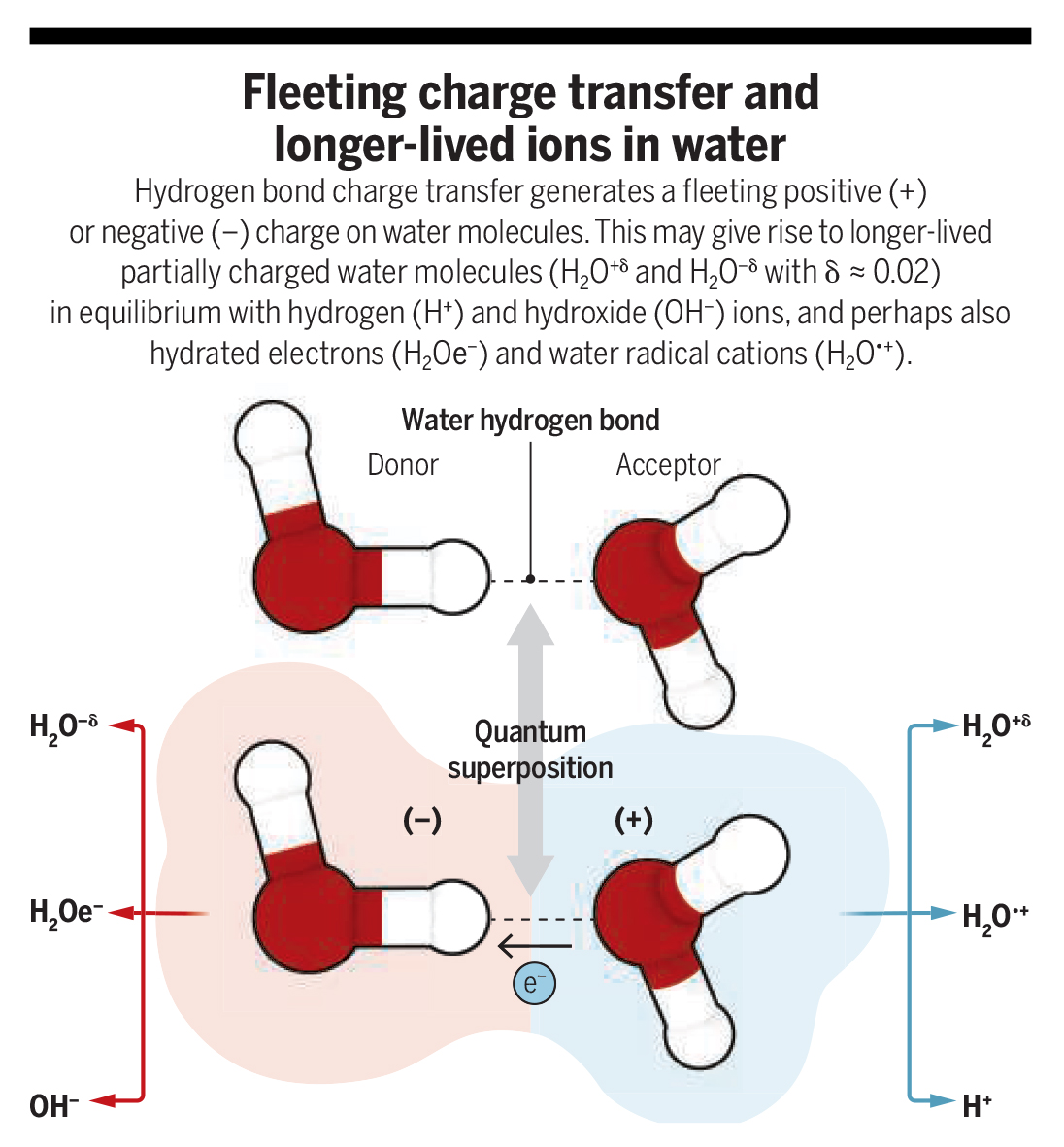
Water is more than a collection of neutral H2O molecules.
Research has revealed pure water has an additional shimmering buzz from electron transfer between neighboring water molecules, which may have far-reaching chemical implications. https://t.co/u6YlL0Wzcv #WorldWaterDay
An image of some tripping astrocytes interacting with amyloid plaques in the brain of an Alzheimer's patient. Just for the #astrocytefever#tiredofneurons
@eli_underflow@Kojima_Hideo As miraculous as that may be, we will need to verify the signature, as I am sure you will understand. Extraordinary claims, and all that.