

Top Tweets for #Bodyhacking


Sprint-interval exercise lasts less than 5 minutes but triggers more profound metabolic changes than 90 minutes of moderate cycling. A new study reveals why intensity, not duration, reshapes how your organs communicate.
Researchers tracked nearly 3,000 proteins in blood before, immediately after, and 3 hours following two types of exercise in young, healthy males. Sprint-interval exercise consisted of six 30-second all-out cycling bursts with 4-minute rests between sets. Moderate-intensity exercise was 90 minutes of continuous cycling.
The difference was striking. Sprint intervals altered 714 proteins immediately after exercise, more than 98% of which increased. Moderate-intensity exercise changed only 7 proteins at the same timepoint. The number increased to 19 after 3 hours, but remained dramatically lower than the sprint response.
Think of your bloodstream as a communication highway. After intense exercise, it floods with signals that travel to different organs. The study identified proteins originating from muscle, fat tissue, liver, brain, immune cells, pancreas, and other organs.
Skeletal muscle proved particularly sensitive to intensity. The researchers isolated human muscle cells and electrically stimulated them to mimic different exercise types. Simulated sprint exercise released 212 proteins into surrounding fluid. Simulated moderate exercise released only 9.
But muscle wasn't working alone. Sprint exercise increased proteins from the pituitary gland that regulate stress responses, factors from the brain involved in blood vessel relaxation, and immune proteins that modulate inflammation. The pattern suggested coordinated signaling across multiple organ systems.
The study also examined exercise metabolites, small molecules involved in energy production and cellular signaling. Sprint exercise immediately increased lactate, pyruvate, malate, and the obesity-suppressing compound N-lactoyl-phenylalanine (Lac-Phe). Moderate exercise showed a delayed response, with fatty acids rising primarily at the 3-hour mark.
To understand where these signals end up, researchers exposed human fat cells to blood plasma collected after each exercise type. Plasma from sprint exercise triggered extensive changes to fat cell gene activity, affecting 1,128 genes. Plasma from moderate exercise changed only 25 genes.
The remodeled fat cells showed activation of pathways controlling hormone responses, nutrient sensing, and fat breakdown. Several immune signaling receptors increased, suggesting exercise plasma primes fat tissue to respond to inflammatory signals differently.
The findings held up in real tissue. When researchers biopsied abdominal fat before and 3 hours after a maximal treadmill test, 418 genes overlapped with those changed by sprint plasma in isolated cells. This confirms circulating factors from intense exercise genuinely alter fat tissue biology.
Not all changes disappeared with training. After 8 weeks of regular exercise, the same intensity-dependent patterns persisted when participants repeated the acute tests. Growth hormone, von Willebrand factor, and POMC still increased more after sprints than moderate sessions.
The clinical relevance became clear when researchers cross-referenced exercise-responsive proteins with a database tracking 53,026 people for disease outcomes. They identified 143 proteins increased by exercise that associated with lower disease risk.
Of the 33 proteins specifically protective against type 2 diabetes, metabolic disorders, and obesity, 32 were elevated by sprint-interval exercise. Only 3 were elevated by moderate-intensity exercise. Proteins like ADGRG2, FGFBP1, and MXRA8 consistently showed strong protection across multiple metabolic conditions.
This isn't an argument against moderate exercise. The sustained energy demands of longer duration activity clearly stimulate different adaptive pathways, particularly in the liver. Proteins like IGFBP1 and follistatin increased exclusively after moderate exercise, likely reflecting sustained shifts in insulin and glucagon signaling.
The study reveals exercise intensity as a distinct variable that determines which protective signals reach your tissues, which organs respond, and potentially which disease risks decrease. The time-efficient nature of high-intensity exercise appears to work through fundamentally different signaling mechanisms than longer moderate sessions.
Key findings:
• Sprint-interval exercise altered 714 blood proteins immediately post-exercise vs. 7 for moderate-intensity exercise
• 25% of all detectable proteins changed after sprint exercise, with >98% increasing rather than decreasing
• Muscle cells released 212 proteins after simulated sprint exercise vs. 9 after simulated moderate exercise
• Sprint exercise plasma changed 1,128 genes in human fat cells vs. 25 genes for moderate exercise plasma
• Of 33 proteins protective against diabetes and obesity, 32 increased after sprint exercise vs. 3 after moderate exercise
• Intensity-dependent responses persisted after 8 weeks of training, suggesting they reflect relative intensity rather than training status
• Exercise metabolites showed distinct temporal patterns: lactate and Lac-Phe peaked immediately after sprints, while fatty acids increased later
• Moderate exercise uniquely increased liver-derived proteins (IGFBP1, follistatin) at the 3-hour timepoint
The mechanistic picture is incomplete. The study couldn't definitively prove which organs secrete which proteins, relying instead on tissue-specific gene expression databases and cell culture models. Blood volume shifts during exercise also complicate interpretation, though the findings held after correcting for plasma concentration changes.
The research focused on young, healthy, predominantly male participants. Whether the same intensity-dependent patterns occur in women, older adults, or people with existing metabolic disease remains unknown. The protective associations came from observational data that can't prove causation.
Still, the study offers a framework for understanding why brief, intense exercise produces adaptations comparable to or exceeding longer moderate sessions. The answer appears to lie in differential organ crosstalk triggered by metabolic stress signals that moderate exercise simply doesn't generate.


A surprising new clue about longevity may be hiding in folds of DNA. A new study suggests that cells store part of their youthful “memory” in the 3D architecture of DNA, and that it can be changed back within minutes 🧵


Longevity Escape Velocity is when the technology allows you to fix and repair your body, faster than your rate of aging
we are pretty damn close, for sure will reach it by 2030

Taking my Ritalin with a red bull as a chaser #bodyhacking

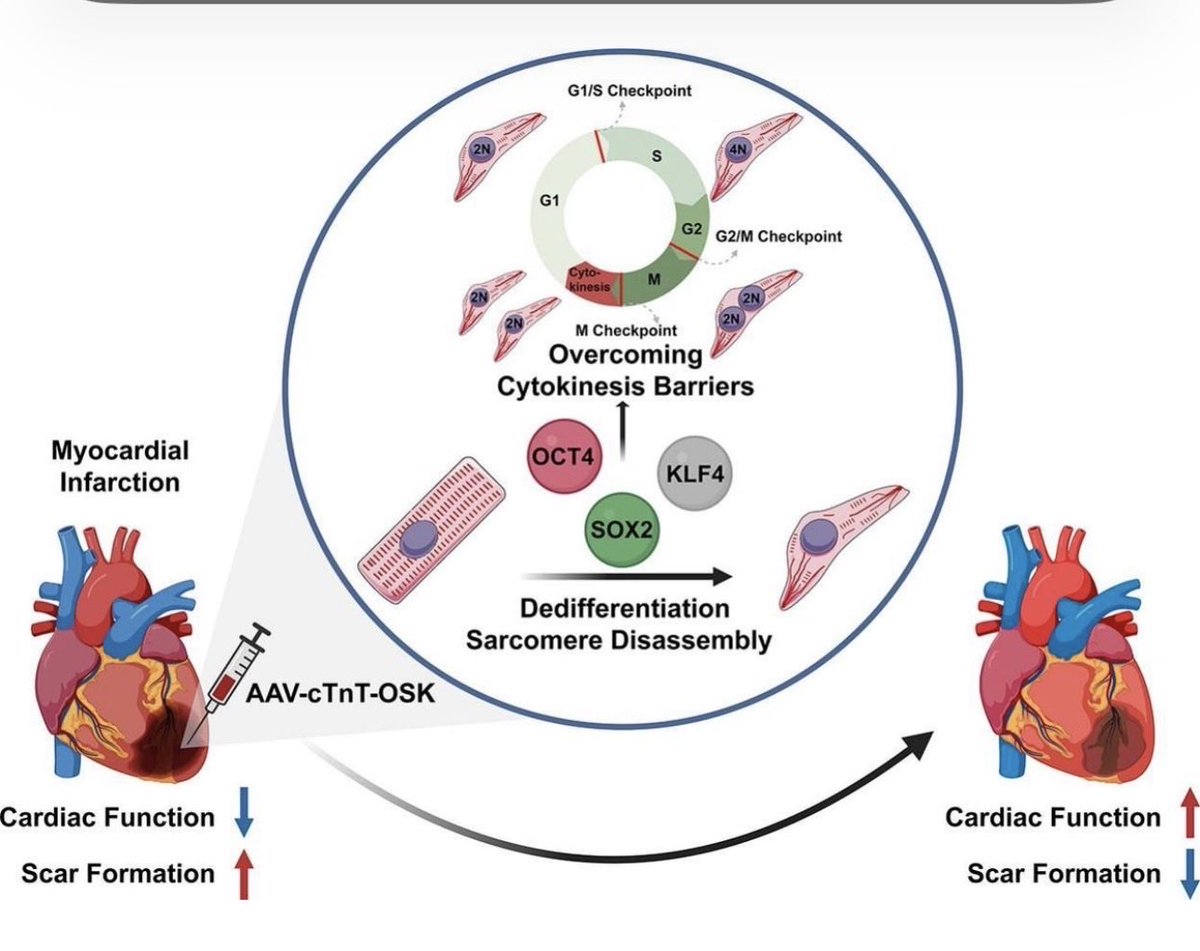
NEW STUDY: OSK rewinds the clock and pushes adult heart cells into a regenerative state that improves heart repair
Why is this such a big deal?
Because adult heart cells do not meaningfully divide, which is why the heart heals with scar tissue rather than regeneration. This fundamental limitation has defined cardiology for decades
In 2020, OSK restored function in damaged neurons. Now the same principle is being explored in the heart, building on results already seen in eye, brain, liver, and skin
Consistent with the Information Theory of Aging: cells retain the instructions for repair; aging is a loss of access to them. Restore that information, and regeneration follows…

Chronic stress is linked to:
• Heart disease
• Alzheimer's
• Autoimmune disorders
After 20+ years helping 500+ executives and professionals…
Here are the only 7 ways that actually eliminate chronic stress:
1. Walk without your phone or music (20 min)
NEW STUDY finds certain fatty acids selectively kill senescent "zombie" cells. The molecules exploit a fundamental biophysical weakness in senescent cells, a totally new approach. Could we simply consume these moleculs to treat aging? ...🧵


huge anti aging news/progress
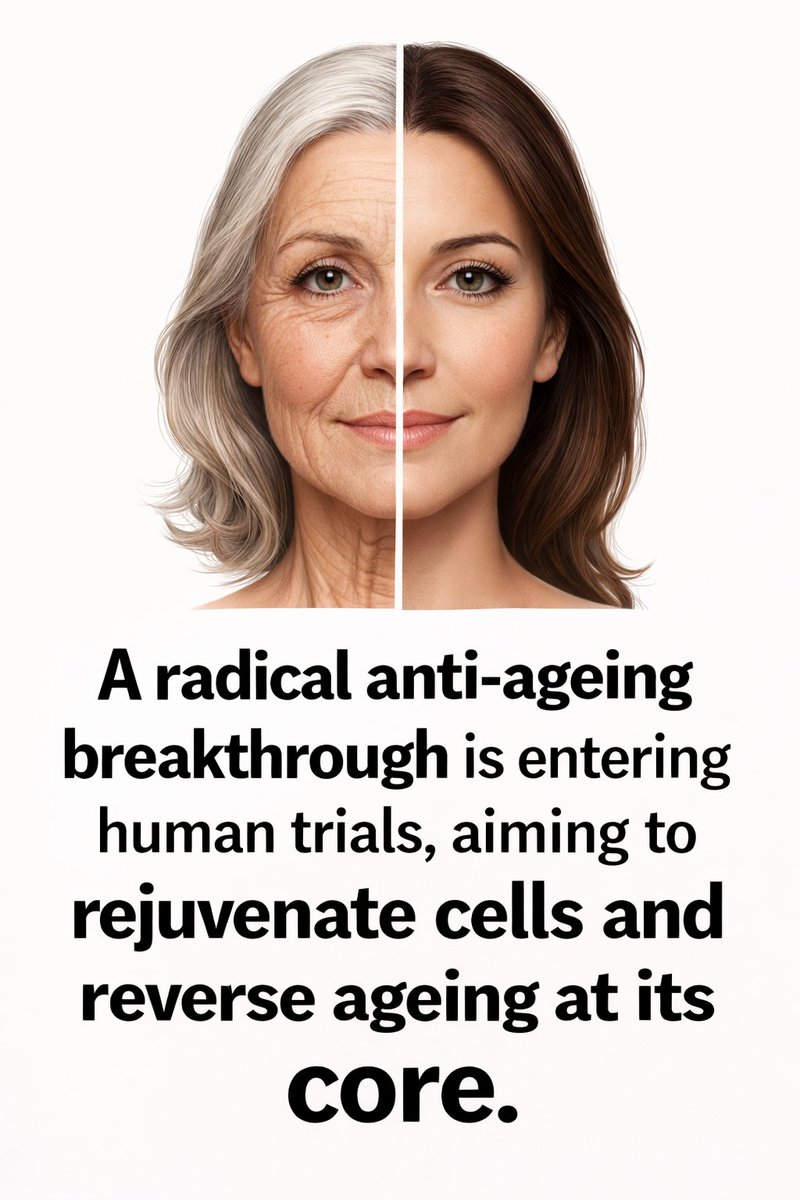
Anti ageing cell reprogramming is entering its first human trials to test if it can safely rejuvenate tissues.
A radical new anti ageing approach is entering human trials, aiming to reprogram adult cells back to a more youthful state, effectively targeting ageing at its biological root rather than just treating its symptoms.
The technique builds on cellular reprogramming, where specific factors can reset how cells behave, restoring lost function and resilience. In early studies, this approach has shown the potential to rejuvenate tissues and reverse key markers of ageing.
Now, for the first time, researchers are testing whether this can be done safely in humans, marking a major step toward therapies that could repair ageing organs.
If successful, it could signal a shift from slowing ageing… to actively reversing it.
DNA repair-driven epigenetic changes as a cause of disease is going mainstream. A general medical review on CVD says:
Genomic instability & epigenetic reprogramming are the deep mechanisms of vascular aging. Intervention strategies are the most promising & complex interventions


Anti cancer progress
Scientists developed a heat activated wearable patch that can kill melanoma tumors without surgery.
The patch uses laser-induced graphene loaded with copper oxide nanoparticles, releasing cancer killing Cu²⁺ ions when activated at 42°C using a low power laser.
In mouse trials, it achieved 97% tumor reduction within 10 days, while preventing cancer spread beyond the original site.
The system is noninvasive, flexible, and reusable, with no detectable organ toxicity or copper buildup in the body.
The technology combines photothermal therapy, metal-ion cytotoxicity, and localized drug delivery into a single skin-applied device.
Human trials have not yet begun, but the approach could shift cancer treatment from surgery to on-demand wearable therapy.

This is HUGE for anti aging
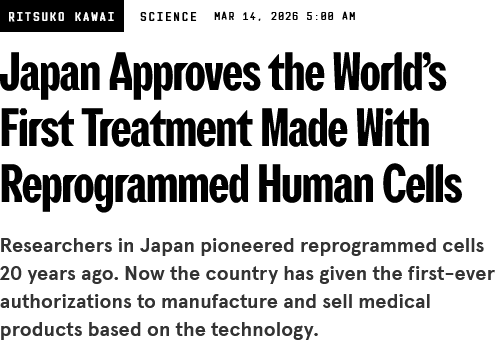
Japan Approves the World’s First Treatment Made With Reprogrammed Human Cells.
Researchers in Japan pioneered reprogrammed cells 20 years ago. Now the country has given the first ever authorizations to manufacture and sell medical products based on the technology.

Nobody told you this, but sitting in the right bath for 20 minutes can pull heavy metals and toxins straight out of your body.
Once I found out, I went deep into detox baths.
In this thread, I'll walk you through my ultimate detox bath protocol:

#BodyHacking (:

Scientists found a way to use AI to reverse aging.
We can now reprogram cells back to age 20. Heart, brain, and skin cells reset to their prime.
This tech won a Nobel Prize in 2012, but it was too slow to work well. In 2025, they supercharged it with AI.
It's a wild story:

Engineer Ian Davis built his own mechanical prosthetic when his medical insurance did not cover him, it functions without batteries or electricity
Vitamin D Supplements May Slow Biological Aging
Research suggests that vitamin D supplementation may help slow biological aging by preserving telomeres, the protective caps at the ends of chromosomes that naturally shorten with age.
In a Harvard-led study, scientists found that adults who took a daily vitamin D supplement experienced significantly less telomere shortening over time compared with those taking a placebo. Telomeres play a critical role in cellular function, and when they become too short, cells lose the ability to divide properly. Excessive telomere shortening has been linked to inflammation, cardiovascular disease, cancer, and other age-related conditions.
The findings come from a sub-study of the large, randomized, placebo-controlled VITAL trial, which followed adults aged 50 and older. More than 1,000 participants had their telomere length measured in white blood cells at the beginning of the study and again after two and four years.
Participants who took vitamin D3 daily showed significantly slower telomere shortening over four years than those receiving a placebo. Researchers estimated that the difference was equivalent to nearly three fewer years of biological aging at the cellular level. Omega-3 supplements, which were also tested in the trial, did not show a significant effect on telomere length.
According to the researchers, this is the first large, long-term randomized trial to demonstrate a protective effect of vitamin D on telomeres. The results support earlier evidence that vitamin D may reduce inflammation and lower the risk of certain diseases, and they suggest a potential role for vitamin D in promoting healthier aging. However, scientists note that further research is needed to confirm these findings and better understand their broader implications.
Learn more:
“Vitamin D supplements may slow biological aging.” The Harvard Gazette, 2025.

this seems Huge (for aging reversal)
Researchers discovered that the AKG–TET molecular pathway controls how cells enter, maintain, and potentially exit senescence, revealing a key mechanism behind cellular aging and its reversibility.

#BodyHacking (:
Scientists just cracked the multiple sclerosis code after decades of searching.
Two specific gut bacteria are triggering the disease, and they've proven it using identical twins and mice.
This changes everything we know about MS:

A breathtaking robotics moment
This woman just stood up and walked again,with a robotic exoskeleton from French company Wandercraft.
For tens of millions who can’t walk, it’s a life-changing breakthrough.
Robots and humans become one, allowing humans to regain their freedom of movement.The exoskeleton learns from over 10,000 users’ movements every day:evolving, improving, becoming smarter.
Now, that same tech has evolved into Calvin-40, a headless humanoid robot working in Renault’s factory, handling tires and parts boxes, etc.
Born from humans, made for humans. 🫶
Scientists have created a safer, more precise way to activate the immune system against cancer.
Their approach targets STING, a powerful immune pathway, using a two-part "prodrug" system. Each component is harmless on its own but becomes active only when they meet in a tumor.
One part is "caged" and only unlocked by β-glucuronidase, an enzyme found mainly in tumors.
Once activated, the two components combine to trigger STING locally, sparing healthy organs.


Implantes Avançados: Segredos de Microcontroladores Espiões Revelados!
#BodyHacking #ImplantesTecnológicos #Microcontroladores #SegurançaDigital #BlueTeam #TecnologiaAvançada #Inovação #EngenhariaReversa #ChipsEspiões #HackingÉtico
Trends for you
Most Popular Users

Elon Musk 
@elonmusk
241.5M followers

Barack Obama
@barackobama
119.1M followers

Cristiano Ronaldo
@cristiano
113.6M followers

Donald J. Trump
@realdonaldtrump
111.8M followers

Narendra Modi
@narendramodi
107.2M followers

Rihanna
@rihanna
98.5M followers

NASA
@nasa
92.4M followers

Justin Bieber
@justinbieber
91.7M followers

KATY PERRY
@katyperry
89.5M followers

Taylor Swift
@taylorswift13
83.5M followers

Lady Gaga
@ladygaga
74.9M followers

Virat Kohli
@imvkohli
72.6M followers

Kim Kardashian
@kimkardashian
70.7M followers

YouTube
@youtube
68.8M followers

Neymar Jr
@neymarjr
65.6M followers

Bill Gates
@billgates
64.9M followers

Selena Gomez
@selenagomez
62.6M followers

The Ellen Show
@theellenshow
62.3M followers

CNN
@cnn
61.8M followers

X
@x
60.8M followers