

Top Tweets for #Neurodev

For extremely preterm infants (<28 weeks), NICU discharge does not mean the end of medical follow-up
Monitoring should include:
• Respiratory health
• Feeding and growth
• Vision and hearing
• Neurodevelopment
Early identification allows timely intervention

Does the radiofrequency in a baby's first two years change how the brain wires up social attention and language? #AutismResearch
Read the protocol 👉
https://t.co/2nOHzyWp6r
#Neuroscience #Neurodevelopment #BrainDevelopment #EMF #ChildDevelopment


@DeryaTR_ This is awesome! Just plugged into TARA and started a computational drug discovery screen for an ultra-rare genetic neurodevelopmental disorder, AFG2B. I’ll be sure to share any novel findings!

#Rays of #Belief #Limited, the parent company of Mom’s Belief, is a specialized healthcare and child development enterprise focused on providing personalized intervention programs for children with neurodevelopmental disorders such as Autism Spectrum Disorder (ASD), ADHD, Down Syndrome, Cerebral Palsy and learning disabilities. Founded in 2017, the company operates an asset-light network of learning and therapy centres across India and has also expanded its presence internationally. Through a family-centric approach, Rays of Belief empowers parents to actively participate in their child’s developmental journey while offering therapies, assessments, vocational training and digital intervention solutions. The company launched its ₹125 crore mainboard IPO to fund expansion of new centres, technology infrastructure, research initiatives and brand outreach programs, positioning itself to benefit from the growing awareness and demand for specialized neurodevelopmental care services in India.
#nuvama #nseipo #nse #bse #ipo

@_PathetiCat_ the first recollection we have of trauma stsrts before the first recollection of a symptom but what the trauma was over was literally a sign of a neurodevelopmental delay that my parents chose to abuse me over instead of get help. 💀it was always doomed from the beginning

السلام عليكم ورحمة الله وبركاتة
هل Bobath (NDT) فعلًا أفضل طريقة لتأهيل مرضى الجلطات؟ 🤔
من أكثر المفاهيم انتشارًا في العلاج الطبيعي هو Bobath أو Neurodevelopmental Treatment (NDT)، ويُستخدم منذ سنين طويلة بإعادة تأهيل مرضى السكتة الدماغية وغيرهم من الحالات العصبية


The LARGEST vaccinated vs. unvaccinated birth cohort study EVER done shows vaccinated children are FAR SICKER across ALL 22 chronic disease categories:
Autism: +180%
Cancer: +54%
Neurodevelopmental disorders: +1254%
Autoimmune disease: +1120%
Motor disability: +810%
Speech disorder: +803%
Mental health disorders: +696%
Asthma: +553%
Developmental delay: +412%
Atopic disease: +386%
Seizure disorder: +216%
Food allergy: +128%
Neurological disorder: +26%
Any chronic condition: +250%
ADHD (ONLY in vaccinated children)
Diabetes (ONLY in vaccinated children)
Brain dysfunction (ONLY in vaccinated children)
Behavioral disability (ONLY in vaccinated children)
Learning disability (ONLY in vaccinated children)
Intellectual disability (ONLY in vaccinated children)
Tics (ONLY in vaccinated children)
Other psychological disability (ONLY in vaccinated children)
Our peer-reviewed reanalysis of the landmark Henry Ford birth cohort study found 22 out of 22 chronic disease categories were proportionally higher in vaccinated children... ZERO exceptions.

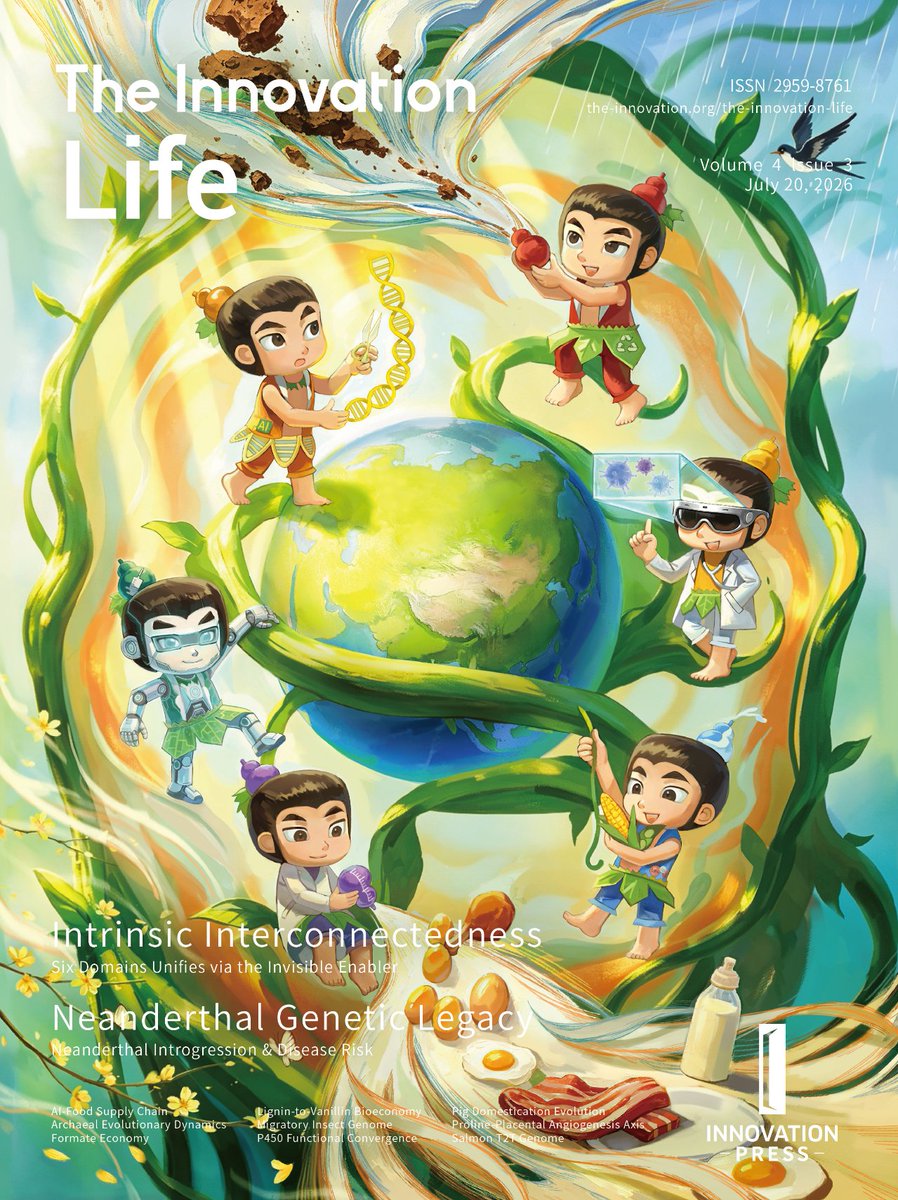
Check out the latest issue of The Innovation Life!!! Volume 4, Issue 3 is now online!
@InnovationLife
https://t.co/7BA1IXJk3K
#LifeSciences #epigenetics #drugscreening #deeplearning #superresolutionimaging #gutbacteria #GeneEditing #cellediting #evolution #neurodevelopment #Archaic #geneticadmixture #SequencingTechnology #bioeconomy #foodsecurity

We warmly invite you to submit to the Special Issue:
🧠 Showcasing the Contributions of Early Career Researchers to Integrative Neuroscience
Guest-Edited by Prof. Dr. Gernot Riedel (University of Aberdeen), Dr. Eleonora Virgilio, MD, PhD (San Luigi Gonzaga University Hospital, University of Turin) and
Dr. Zahra Farzinpour, PhD (@nyulangone).
📖 For more details, please see: https://t.co/OLfiM8SyAF
👉 Early Career Researchers are essential drivers of scientific progress, bringing fresh perspectives, technical innovation, and emerging ideas to #neuroscience. This JIN Special Issue recognizes the vital contributions of the next generation of neuroscientists, providing a dedicated forum for high-quality and innovative research by ECRs. There are no restrictions on research topics—submissions are welcome across all fields of #neuroscience, including clinical and translational neuroscience, #neurodegenerative disorders, #neuropsychiatric diseases, #neuroimaging, #neuromodulation, #neurodevelopment, #neuroinflammation, and #computationalneuroscience.
This special topic encourages the submission of research papers across all fields of neuroscience:
✨ Original research articles
✨ Systematic, mini, and narrative reviews
✨ Short communications and brief reports
✨ Proceedings papers from conferences, forums, or workshops
🧠 Why submit to this Special Issue of JIN?
✔️ Open Access
✔️ Double-blind peer review
✔️ Indexed in PubMed and Scopus
✔️ Enhanced visibility for early career researchers
✔️ International scientific exchange
✔️ Promotion of emerging ideas and innovative approaches
📖 Eligible ECRs: Doctoral students, postdoctoral researchers, and early-stage independent researchers (ECR must serve as first and corresponding or co-corresponding author)
📆 Submission deadline: 30 Nov 2027
✍️ Submit your work to https://t.co/sZipldyNDs
📑 Click here for author guidelines: https://t.co/urYOSzBRya
We look forward to receiving your cutting-edge research!
#Neuroscience #ECR #EarlyCareerResearchers #Neurodegeneration #Neuroinflammation #Neuroimaging #ComputationalNeuroscience #BrainResearch #Neurology

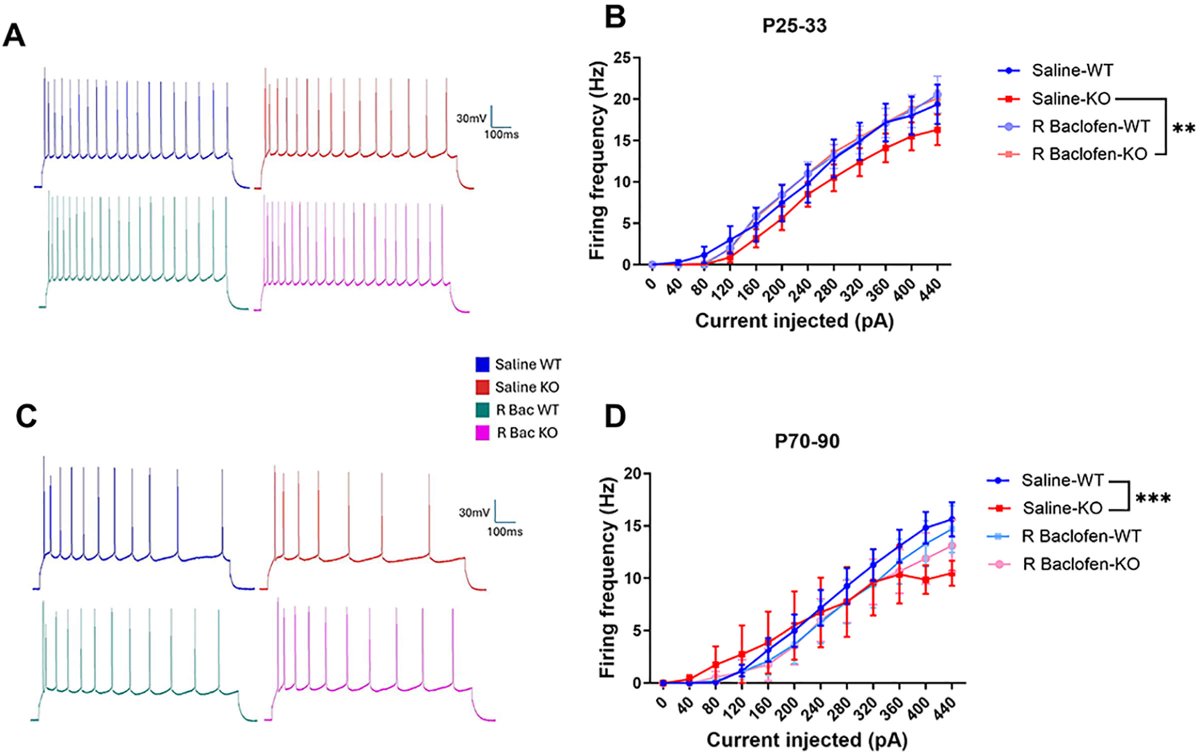
🧠 A drug that calms autism-like symptoms in rats? Yes. But give it during a critical 8-day window, and it permanently rewires neurons—sometimes for worse.
The latest work from @WesternU @westernuScience(H. Pineda & @neuro_suse ) is now featured in JIN!
👉 https://t.co/A3vNkNs6dk
💡 Patch-clamp recordings reveal: early R-baclofen altered excitability in auditory cortex, but it exacerbated the knockout phenotype in some cells and caused off-target effects in wild-type neurons. Early intervention is a double-edged sword—timing is everything.
#AutismResearch #Cntnap2 #Neurodevelopment #GABA #PatchClamp #JINJournal #Neuroscience #CriticalPeriod

ADHD and autism are real neurodevelopmental conditions. The newer science is now showing that each condition may contain different underlying biological and clinical categories, which helps explain why people with the same diagnosis can look so different.

Invited Commentary Pediatrics
Rethinking Vitamin D Biology in Development—From Thresholds to Trajectories
Carol L. Wagner, MD; Bruce W. Hollis, PhD.
Carol L Wagner et al. JAMA Netw Open. 2026.
@wbgrant2
Nutritional science has long relied on thresholds, which are discrete concentration cut points that define sufficiency, safety, and biological adequacy. This framework has been essential for preventing classical deficiency states, yet it sits uneasily with contemporary understanding of developmental biology. Nutrients that function as signaling molecules during critical periods may exert effects that are nonlinear, delayed, and context dependent. Vitamin D, a preprohormone with widespread receptor expression and tightly regulated local metabolism, exemplifies this tension between measurement and meaning.
In a randomized clinical trial of prenatal vitamin D3 supplementation and cognitive performance at age 10 years, Frederiksen et al1 bring this tension into sharp focus. The findings are quietly provocative; modest but consistent improvements in specific cognitive domains—particularly memory—emerged without a clear dose–response association and without benefit at widely proposed biological thresholds. Rather than clarifying what constitutes sufficiency in pregnancy, these results challenge the premise that such a threshold is the appropriate question at all.
In their post hoc analysis, Frederiksen et al1 found that higher-dose vitamin D3 supplementation during pregnancy was associated with modest improvements in verbal and visual memory in offspring at age 10 years, with suggestive effects on executive function. Notably, no differences were observed in global intelligence, and analyses based on achieved maternal 25-hydroxy-vitamin D (25(OH)D) concentrations—particularly thresholds at or above 100 nmol/L—did not demonstrate measurable cognitive benefit.1 At first glance, these findings appear internally inconsistent. If vitamin D exerts meaningful biological effects on neurodevelopment, why are they not captured by the thresholds presumed to define sufficiency?
This apparent contradiction likely reflects a limitation of the framework used to interrogate vitamin D biology. Threshold-based models assume predictable responses once a circulating concentration is reached, an assumption poorly suited to signaling molecules with context-dependent effects. Vitamin D does not function solely as a nutrient. It is a preprohormone with widespread receptor expression across multiple tissues, including the developing brain, and with tightly regulated local conversion to its active form, 1,25-dihydroxyvitamin D [1,25(OH)2D]. Its actions are pleiotropic, influencing cellular differentiation, calcium signaling, immune modulation, and gene expression in context-dependent ways. Under such conditions, a single circulating threshold is unlikely to capture the full scope of its biological effects.
https://t.co/YTMpXmmpgT


Grok on being asked about why fluoride should not be in water.
Arguments against adding fluoride to tap water (water fluoridation) center on ethics, potential health risks, dosage control, and alternatives. While major health organizations like the CDC, WHO, and ADA endorse it at optimal levels (~0.7 mg/L) for reducing tooth decay by ~25%, critics highlight legitimate concerns backed by studies and principles. Here’s a balanced summary of the main “why not” points.
1. Ethical Concerns: Mass Medication Without Consent
• Fluoridation adds a substance intended to treat or prevent disease (dental caries) to the public water supply. This bypasses informed consent, a core medical ethics principle. Individuals cannot easily opt out (filtration is imperfect/expensive), and it affects everyone regardless of age, health, or need.
• Vulnerable groups (infants, kidney patients, high water consumers) get uncontrolled doses. Critics compare it to compulsory medication, violating personal autonomy. Many see it as a violation of bodily autonomy, even if the intent is public health benefit.
2. Potential Neurodevelopmental Risks (Especially IQ in Children)
• Recent meta-analyses and reviews (e.g., NTP, JAMA Pediatrics 2025) link higher fluoride exposure to lower IQ scores in children. Associations appear in some studies even at levels below 1.5–2 mg/L, with dose-response effects noted in urine and water measurements.
• While effects are clearer at higher natural levels (>1.5 mg/L) common in some countries, and U.S./UK levels are lower, critics argue total exposure (water + toothpaste + food) pushes risks higher for some. Not all studies confirm harm at 0.7 mg/L, and some recent ones find no effect or slight benefits, but uncertainty remains.
3. Dental and Skeletal Fluorosis
• Excess fluoride causes dental fluorosis (mottled, discolored, or pitted enamel), mainly cosmetic in mild cases but a sign of overexposure. It occurs even at recommended levels in some populations due to multiple sources.
• At higher exposures, skeletal fluorosis (bone weakening, pain, fractures) is documented. Critics worry cumulative effects over a lifetime.
4. Other Health Concerns and Lack of High-Quality Evidence
• Claims (with varying evidence) include thyroid disruption, kidney issues, bone fractures, and possible cancer links (though major reviews find no strong cancer association).
• No large-scale randomized controlled trials (RCTs) prove fluoridation’s effectiveness or long-term safety — a point emphasized by opponents. Many studies are observational with confounding factors (diet, socioeconomic status).
• Benefits have declined in modern times with widespread fluoride toothpaste use; some reviews show smaller caries reductions today.
5. Practical and Environmental Issues
• Dose control: People drink varying amounts; boiling doesn’t remove it, and it affects formula-fed babies disproportionately.
• Waste: Most fluoridated water goes to showers, toilets, lawns, and industry — not teeth.
• Alternatives exist: Targeted fluoride toothpaste, rinses, varnishes, or sealants provide benefits without universal exposure. Improved dental access and education address root causes like sugar intake and poverty.
• Some countries/communities have stopped or banned it, citing risks or better options.

Autism Spectrum is a neurodevelopmental condition characterized by differences in social communication, restricted or repetitive behaviours, and sensory sensitivities. Individuals with autism are at a heightened risk of developing Post-Traumatic Stress Disorder due to heightened sensory sensitivity, naivety, social vulnerability, and challenges in processing traumatic experiences. Hence, individuals with ASD may partake in substance use as a coping strategy to manage anxiety, sensory overstimulation, or distress.
Autism can impact an individual’s emotional regulation, social functioning, and stress levels. Individuals with ASD represent a vulnerable population within mental health and addiction contexts.
Studies state that individuals with ASD are at an increased risk of experiencing trauma and developing PTSD due to factors such as social vulnerability and sensory sensitivities. Similarly, these challenges may contribute to substance use as a maladaptive coping strategy, significantly reducing an individual’s wellness and quality of life.
#PTSD #CPTSD #SubstanceUseDisorder #MentalHealth #AutismSupport #Disability #DisabiltyEducation #ADHD #AUDHD #Disabled #SubstanceUse #AutismSpectrum #AutismAcceptance #AutismAwareness

Yes! "Savant" (from French for "knowing") traditionally just means a deeply learned expert or scholar.
"Savant syndrome" is the specific neurodevelopmental condition where someone shows prodigious skills in one narrow area (e.g., calendar calculation, music) often alongside challenges like autism.
Nowadays "savant" is shorthand for the latter, but the words aren't identical. Clearer now? 🧃🤓

Autism is not a disease, it's a neurodevelopmental condition....
The Trump administration claimed that Tylenol is a cure for autism even there's no scientific evidence....

The latest work from Columbia University Irving Medical Center and New York Presbyterian Hospital by first author Dr. Dorin Zeevi and the team is now featured in JIN!
Welcome to read this article 👉: https://t.co/d1XJMzJLoz
Article Highlights
💡Autism Spectrum Disorder (ASD) is a complex neurodevelopmental condition characterized by diverse presentations, which complicates the identification of consistent biological markers.
This study examined whether integrating multimodal neuroimaging and physical-health measures from a population-based cohort can improve ASD classification and reveal interpretable markers that reflect both clinical and community variation.
✒ Author: Dorin Zeevi, Hector Acosta-Rodriguez, Pratheek Bobba, Alicia Stephan, Huang Lin, Ajay Malhotra, Seyedmehdi Payabvash (Corresponding author)
🏪 Affiliation: Columbia University Irving Medical Center @columbiaimaging, New York Presbyterian Hospital @nyphospital ; Yale School of Medicine @YaleMed
📖 Don’t miss this citable reference for your future research!
Citation format: Dorin Zeevi, Hector Acosta-Rodriguez, Pratheek Bobba, Alicia Stephan, Huang Lin, Ajay Malhotra, Seyedmehdi Payabvash. Integrating Multimodal Neuroimaging and Physical-Health Markers for Autism Spectrum Disorder in the ABCD Study. J. Integr. Neurosci. 2026, 25(2), 48212
Welcome to submit your work via our submission link👉: https://t.co/0E0ef4gJeG
JIN welcomes original researches, reviews, short (brief) reports and other types of research contributions on molecular, cellular, systems or translational neuroscience using various approaches and functional strategies.
📑 Click here for author guidelines: https://t.co/gdwdeR9pzo
#Autism #ASD #MRI #functionalneuroimaging #sleep #machinelearning #biomarkers #JINPaper


A retard dev created a token on a neurodevelopmental disorder that affects roughly 0.79% of the population. 🫣
I'm glad that I am so bad at trading tokens that makes fun out of a medical conditon.
RT, if you feel likewise.
$Sobat

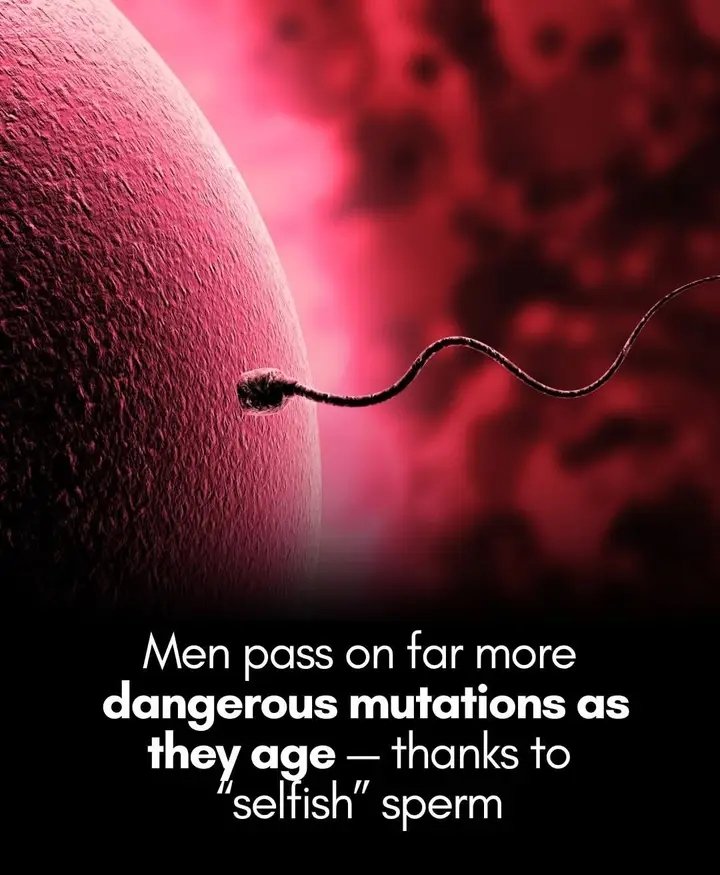
THE "SELFISH" SPERM
⚠️ Older fathers are passing on far more harmful genetic mutations than we thought.
It significantly raises the risks of autism and cancer in offspring, new research shows.
New research shows that older men are far more likely to pass on disease-causing mutations to their children, due to a phenomenon known as “selfish” sperm.
A large-scale study using cutting-edge genome sequencing revealed that while around 1 in 50 sperm from men in their early 30s carries a harmful mutation, that figure climbs to nearly 1 in 20 by age 70. These mutations arise not just from aging but from specific mutations that give sperm-producing stem cells a growth advantage—causing them to multiply faster and dominate sperm production over time.
These “selfish” mutations disproportionately affect critical genes involved in neurodevelopment and cancer risk, and their exponential increase means that the danger grows more steeply with age. Researchers identified over 40 genes that can cause this effect, including those linked to autism and severe developmental disorders. Interestingly, while unhealthy habits like smoking and drinking did increase mutation loads in blood, sperm cells seemed largely protected from these environmental factors.
This groundbreaking study reshapes how we understand paternal age and genetic risk—emphasizing that a father’s age is just as crucial as a mother’s in determining the long-term health of future children.
Know your health and stay safe
#healthiswealth 🩺

This study identifies nuclear mitochondrial DNA segments (NUMTs) in modern humans that originated from archaic hominins like Neanderthals and Denisovans through introgression. Analyzing thousands of modern genomes alongside archaic sequences, researchers pinpoint five key NUMTs with archaic signatures, inserted before admixture events and preserved on specific haplotypes. These fragments influence nuclear gene function, such as upregulating immune genes or altering chromatin near neurodevelopmental loci, with some showing signs of positive selection. Far from inert fossils, these archaic mtDNA insertions highlight dynamic genetic exchanges that shaped modern human evolution, diversity, and adaptation.
https://t.co/46FQTiXgEL

KAYNAKLAR
1. Roush SW, Murphy TV; Vaccine-Preventable Disease Table Working Group. Historical comparisons of morbidity and mortality for vaccine-preventable diseases in the United States. JAMA. 2007;298(18):2155-2163. doi:10.1001/jama.298.18.2155. PMID: 18000199.
2. Centers for Disease Control and Prevention. Achievements in Public Health, 1900-1999 Impact of Vaccines Universally Recommended for Children -- United States, 1990-1998. MMWR. 1999;48(12):243-248. https://t.co/liws9i2fgc
3. Children's Hospital of Philadelphia. Global Immunization: Worldwide Disease Incidence. Vaccine Education Center. https://t.co/yrnZ1jqFd0
4. Centers for Disease Control and Prevention. Thimerosal and Vaccines. Vaccine Safety. https://t.co/F0PtcQYWqN
5. Institute of Medicine. Immunization Safety Review: Thimerosal-Containing Vaccines and Neurodevelopmental Disorders. Washington, DC: National Academies Press; 2001. https://t.co/JJMLgNIGoK
6. U.S. Department of Health and Human Services. HHS Adopts ACIP Recommendation to Remove Thimerosal from All U.S. Influenza Vaccines. Press Release. July 23, 2025. https://t.co/PiW2JYipVY
7. Snopes. CDC faces lawsuit over '72-dose' children's vaccine schedule. Fact Check. https://t.co/bsbXMIcIFl
8. Vaccinate Your Family. The Danish Vaccine Schedule Protects Babies and Children from Fewer Diseases Than in the United States. https://t.co/2NlT4rX5d0
9. STAT News. Why Denmark's vaccine schedule works for Denmark - but not for the United States. December 19, 2025. https://t.co/UUEtbQ5TfC
10. Muscular Dystrophy Association. Spinal Muscular Atrophy: Causes/Inheritance. https://t.co/pOC5IRTCa7
11. MedlinePlus. Phenylketonuria. National Library of Medicine. https://t.co/YLdRCrOpTR
12. National Center for Biotechnology Information. The Political History of PKU: Reflections on 50 Years of Newborn Screening. PMC. 2013. https://t.co/uAw40a3DKV
13. Centers for Disease Control and Prevention. Increases in Neonatal Intensive Care Admissions in the United States, 2016–2023. NCHS Data Brief No. 525. March 2025. https://t.co/5nh0xmJrT8
14. UnityPoint Health. 6 Reasons Why Your Baby May Be Admitted to NICU. https://t.co/CGRMVYk9RD
15. National Center for Biotechnology Information. Vaccines - safety in pregnancy. PMC. 2021. https://t.co/PBUAKjqtqV
16. Centers for Disease Control and Prevention. Tdap Vaccination for Pregnant Women. Whooping Cough. https://t.co/mstiz2VVAf
17. Taylor LE, Swerdfeger AL, Eslick GD. Vaccines are not associated with autism: an evidence-based meta-analysis of case-control and cohort studies. Vaccine. 2014;32(29):3623-3629. doi:10.1016/j.vaccine.2014.04.085. PMID: 24814559.
18. World Health Organization. WHO expert group's new analysis reaffirms there is no link between vaccines and autism. News Release. December 11, 2025. https://t.co/d97ohtnrUV
19. Johns Hopkins Bloomberg School of Public Health. Vaccines Do Not Cause Autism. 2025. https://t.co/01ZgWP3We1
As described in the DSM-V, autism spectrum disorder (ASD) is a heterogeneous neurodevelopmental condition affecting an individual’s ability to socialize and communicate [1]. ASD often presents with repetitive movements or behaviors, restricted interests, and abnormality in sensory processing [2]. The prevalence of ASD has risen dramatically over the last several decades, from 1 in 5000 children in 1975 to 1 in 45 children in 2014 in the United States. That trend shows a 700% increase within 40 years [3]. However, the cause of that rapid growth is not fully known. True increase in incidence of autism cannot be ruled out and constitutes an “urgent public health concern” [4,5]. Despite considerable effort to determine the etiological factors of ASD, no single or definitive cause has been identified [6]. The etiology of ASD is unknown, although the interaction of genetic and environmental factors is believed to play a fundamental role in the process [7]. Biological factors possibly associated with autism risk include hereditary risk factors [8]. Despite early evidence of heredity of autism, the largest population-based study of twins with autism is that adaptation rates for fraternal twins are higher than previously reported and that the shared prenatal environment constitutes a greater proportion of the risk of autism in twins [9,10,11]. ASD has been tentatively associated with >440 identified gene variants. Of those cases that can be clearly linked to genetic causes, 7–20% can be accounted for by copy number variants, 5–7% are attributed to single-nucleotide polymorphisms, and <5% are linked to genes involved in rare metabolic disorders [12]. Thus, nearly 70% of cases have a cause that has not been linked to genetics [10]. Lifestyle and environmental factors such as nutrition [13,14], toxic substances [15,16], medications [17,18], maternal infections during pregnancy [19,20], vaccine immunization [21], and stress [22] have been extensively studied. In particular, the factors that cause autism—air pollution, cloudy weather, seasonal factors, migration of dark-skinned immigrants to poleward latitudes, birth order, gestational diabetes, preeclampsia, cesarean delivery, autoimmune disease in the family, and nutrition—are all associated with vitamin D [23,24]. To give an example through studies, gestational vitamin D deficiency was associated with a 2.66-fold higher risk in developing gestational diabetes [25] and in utero exposure to gestational diabetes mellitus, giving the child a 4.4 adjusted odds ratio (aOR) for ASD.
Birth via cesarean delivery increases the risk of autism [27], and low maternal vitamin D increases the risk of having to give birth via C-sections up to fourfold [28]. A 2009 study in Dermato-Endocrinology examined whether maternal vitamin D deficiency is a risk factor for infantile autism disease (IAD) [29]. In the study using epidemiological data on seasonal variation of birth rates and prevalence of IAD for cohorts born before 1985, the researchers found a strong effective latitudinal (related to wintertime solar UVB radiation) increase in IAD prevalence. Those findings are consistent with the hypothesis that maternal vitamin D deficiency is a risk factor for IAD. Another study examined ASD trends by considering birth data in Denmark, Finland, Norway, Sweden, and Western Australia [30]. The data showed a modest increase in risk for children born in the fall and a modest decrease for children born in the spring. The researchers concluded that the risk was highest for fall births and lowest for spring births......
How 25(OH)D Levels during Pregnancy Affect Prevalence of Autism in Children: Systematic Review
Nazlı Uçar et al. Nutrients. 2020.
Authors
Nazlı Uçar, William B Grant @wbgrant2, Isabel Peraita-Costa, María Morales Suárez-Varela.
https://t.co/p88HSYmSbw

22 out of 22 chronic disease categories worse in vaccinated children, Massive spikes in neurodevelopmental issues, autism, autoimmune disease, asthma, seizures, cancer, and mental health disorders, And entire diagnoses (ADHD, diabetes, learning and intellectual disabilities, tics, etc.) appearing only in the vaccinated group.

Our peer-reviewed re-analysis of the LARGEST vaccinated vs. unvaccinated birth cohort study in HISTORY shows vaccinated children are FAR sicker across ALL 22 chronic diseases:
1. Neurodevelopmental disorders: 📈 +1254%
2. Autism: 📈 +180%
3. Cancer: 📈 +54%
4. Autoimmune disease: 📈 +1120%
5. Motor disability: 📈 +810%
6. Speech disorder: 📈 +803%
7. Mental health disorders: 📈 +696%
8. Asthma: 📈 +553%
9. Developmental delay: 📈 +412%
10. Atopic disease: 📈 +386%
11. Seizure disorder: 📈 +216%
12. Food allergy: 📈 +128%
13. Neurological disorder: 📈 +26%
14. Any chronic condition: 📈 +250%
Observed ONLY in vaccinated children (ZERO cases in unvaccinated):
15. ADHD 💉
16. Diabetes 💉
17. Brain dysfunction 💉
18. Behavioral disability 💉
19. Learning disability 💉
20. Intellectual disability 💉
21. Tics 💉
22. Other psychological disability 💉
Bottom line:
22 out of 22 chronic disease categories were worse in vaccinated children. ZERO exceptions.
The CDC’s vaccination schedule is driving the modern epidemics of chronic disease and autism.

This is the lore for everyone
Spectrum boy" usually refers to a boy diagnosed with Autism Spectrum Disorder (ASD), a neurodevelopmental condition often characterized by challenges with social interaction, communication, and repetitive behaviors. Boys are four times more likely to be diagnosed with autism than girls. Key characteristics often include a preference for routines, intense interests, and sensory sensitivities.
Last Seen Hashtags on Sotwe
Most Popular Users

Elon Musk 
@elonmusk
240.1M followers

Barack Obama
@barackobama
118.6M followers

Cristiano Ronaldo
@cristiano
114.4M followers

Donald J. Trump
@realdonaldtrump
111.7M followers

Narendra Modi
@narendramodi
106.9M followers

Rihanna
@rihanna
98.6M followers

NASA
@nasa
92.1M followers

Justin Bieber
@justinbieber
91.7M followers

KATY PERRY
@katyperry
89.9M followers

Taylor Swift
@taylorswift13
83.9M followers

Lady Gaga
@ladygaga
75.4M followers

Virat Kohli
@imvkohli
73.3M followers

Kim Kardashian
@kimkardashian
70.8M followers

YouTube
@youtube
68.6M followers

Neymar Jr
@neymarjr
66.3M followers

Bill Gates
@billgates
65.2M followers

Selena Gomez
@selenagomez
63M followers

The Ellen Show
@theellenshow
62.1M followers

CNN
@cnn
61.7M followers

X
@x
60.6M followers