The Innovation Life is a journal on life science from Innovation Press, a sister journal of The Innovation @The_InnovationJ. #Life#Science#Research#News
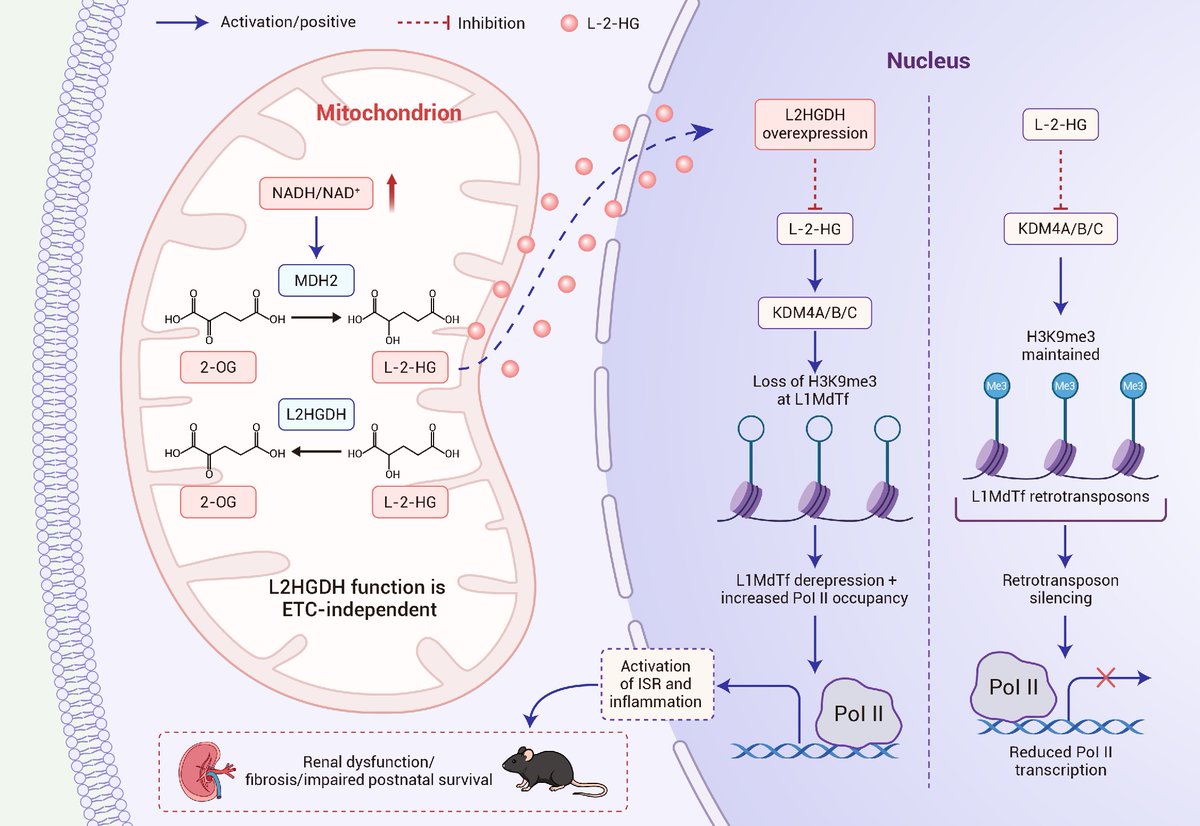
L-2-HG, once regarded as a metabolic waste product, has now been shown to be a physiological signal that derives from mitochondria. L-2-HG suppresses KDM4 function, maintains transposon silencing, and safeguards kidney homeostasis. The identity of a metabolite is far more complex than imagined.
@InnovationLife
https://t.co/PNzgQuG2E5
#LifeSciences
GLP-1 peptides protect the gut from immune injury.
Essential role of endogenous GLP-1 family peptides to reduce inflammation and restore mucosal integrity in the experimental model @DanielJDrucker@CellRepMed
https://t.co/oE0Z1VQ98m
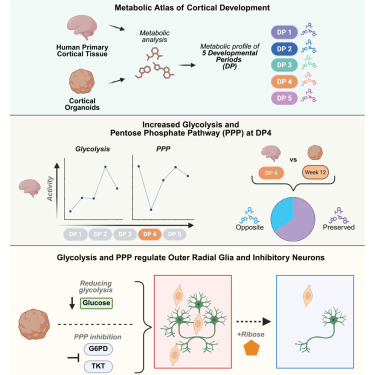
In the latest issue! Metabolic atlas of early human cortex reveals glycolytic remodeling and pentose phosphate pathway control of cell fate transitions dlvr.it/TVyZNj
In @SciSignal, scientists show that intracellular changes to receptor conformation alter how activating molecules bind to a biologically important GPCR from outside the cell through an “inside out” mechanism. https://t.co/S846m5AU9G
New in The Innovation Medicine! Innovation-driven drug discovery Frontier exploration and breakthrough.
This Review surveys highly innovative drug discovery publications from Top journals and explores the latest applications of innovative technologies in small molecule drug development over the past five years (2020–2025)
@Innov_Medicine
https://t.co/s05L6Bm8xv
#medicine #DrugDiscovery
The Central Dogma of Aging: dysregulation of four-layers, DNA, RNA, proteins, and metabolites, coupled by four rules, regulated through three tiers, modulated by the exposome, ultimately drives aging.
@InnovationLife
https://t.co/E3zr8phVYV
#agingmechanisms#genomicinstability
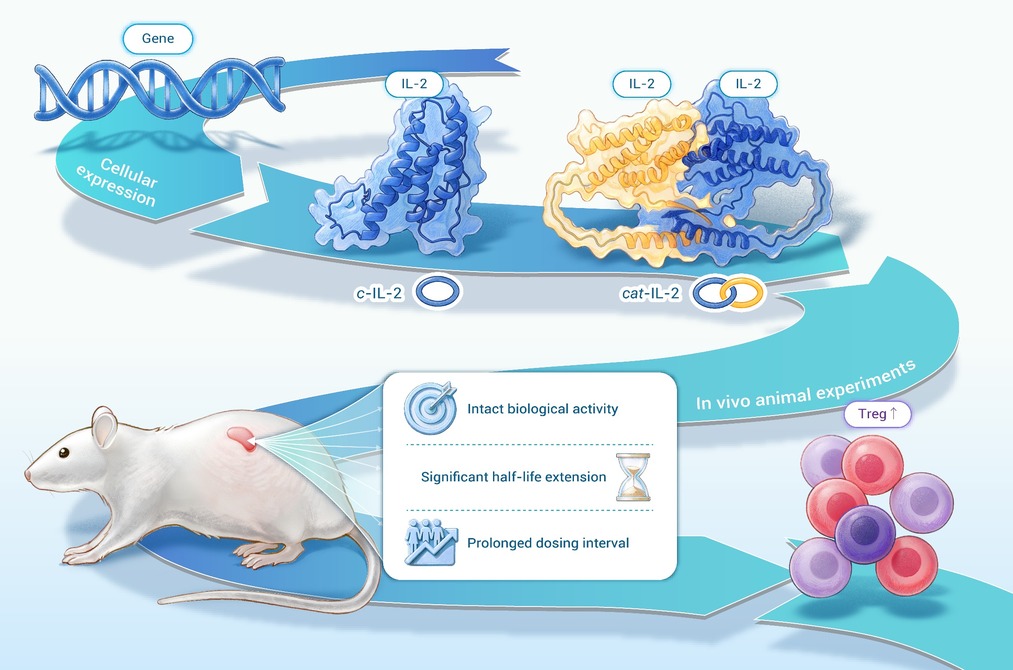
Protein topology engineering yields cyclic and catenated IL-2 variants with prolonged serum half-lives and preserved immunoregulatory activity, enabling once-weekly low-dose administration that expands regulatory T cells and alleviates disease manifestations in three mouse models of autoimmune diseases.
@InnovationLife
https://t.co/aUPTQbtl5A
#chemicaltopology
It has long been recognized that millions of women, especially younger women, are disproportionately affected by pain disorders.
In a new #ScienceReview, researchers synthesize recent advances in understanding these conditions. https://t.co/XKFCWzLxFo
New in @The_InnovationJ! Skyeye meets AI: Minimizing information asymmetry in agricultural insurance.
This commentary explores how remote sensing and AI could connect timely observations, early crop mapping and physics-guided loss assessment to support more transparent agricultural insurance. Discover the proposed blueprint and the challenges ahead.
https://t.co/ZnTReq8nYm
#remotesensing #ArtificialIntelligence
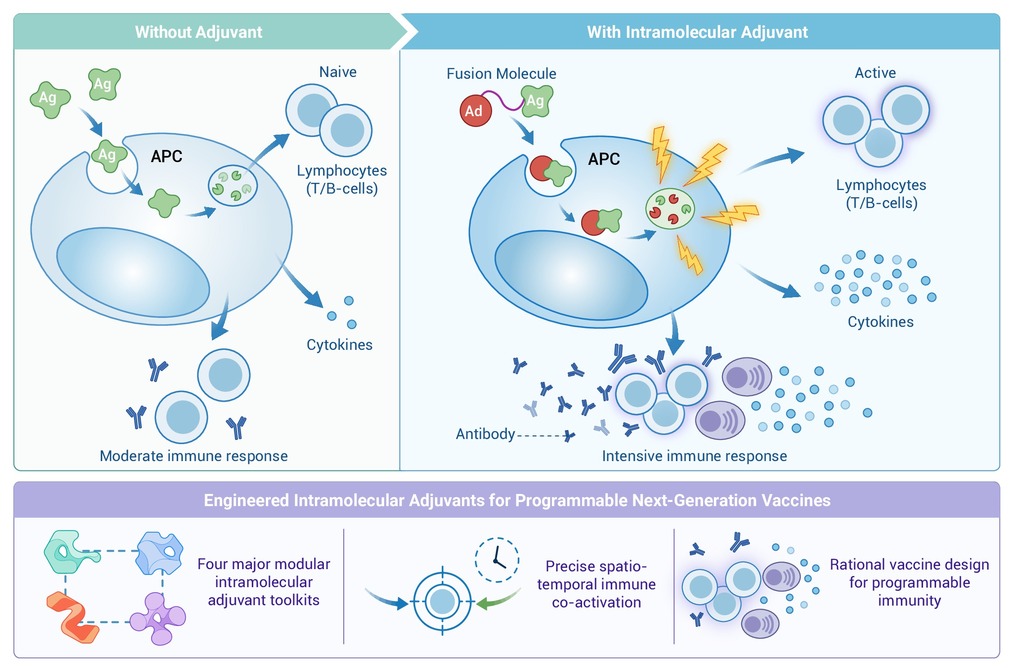
New in The Innovation Medicine! Engineering intramolecular adjuvants for next-generation vaccines.
This review systematically summarizes the current toolbox of genetically encoded intramolecular adjuvants, including derivatives of bacterial toxins, pattern recognition receptor (PRR) ligands, cytokines, and the complement fragments.
@Innov_Medicine
https://t.co/JBwNHlE4lR
#medicine #vaccine
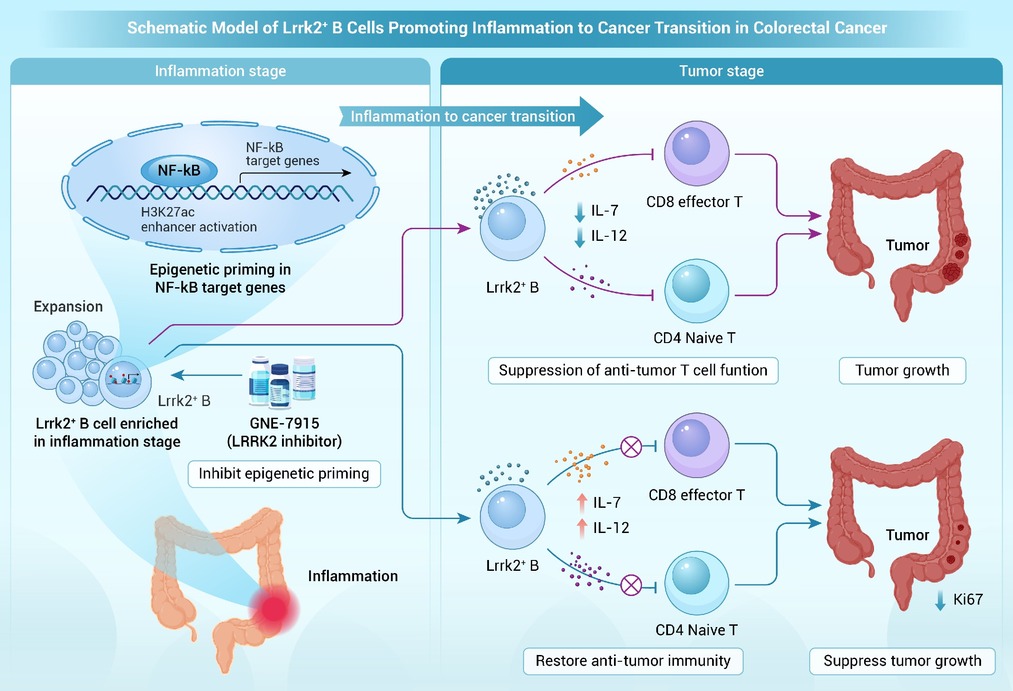
How does chronic inflammation progress toward cancer? Single-cell transcriptomic and H3K27ac epigenomic profiling identify inflammation-enriched LRRK2⁺ B cells and their epigenetic remodeling, providing new insights into inflammation-to-cancer transition in colorectal tumorigenesis.
https://t.co/VtAvSeNlul
#SingleCellSequencing #colorectalcancer #TumorMicroenvironment
Can PD-L1-targeted imaging make lung tumors easier to locate and remove? By combining MRI with NIR-II fluorescence, this dual-modal platform links preoperative localization to intraoperative guidance, with encouraging evidence from mouse models and fresh human tissue specimens.
@Innov_Medicine
https://t.co/OG987Y14Ks
#medical #NonSmallCellLungCancer
New in The Innovation Drug Discovery! Microhelenin C targets LIF to inhibit hepatocellular carcinoma progression and modulates tumor-associated macrophages.
This study provides mechanistic insight into the anti-hepatocellular carcinoma (HCC) activity of Microhelenin C and supports the development of leukemia inhibitory factor targeted therapeutic strategies in HCC.
https://t.co/6bEIWcDNbe
#MicroheleninC #HepatocellularCarcinoma