

Top Tweets for #Spinalanesthesia

الإبرة الشوكية spinal #Anesthesia
تدخل تحت نهاية الحبل الشوكي، إما للتخدير النصفي أو لسحب سائل نخاعي (Lumbar puncture) للتشخيص.
#التخدير #SpinalAnesthesia
#LumbarPuncture #MedicalX
Cridet: @thebrainmaze

🧠 RA & ANS: E. Parasympathetic Nervous System - Anatomy • Connections • Anesthetic Implications 🎯
#ParasympatheticSystem #RAandANS #CraniosacralOutflow #VagusNerve #AutonomicBalance #RegionalAnesthesia #GeneralAnesthesia #SpinalAnesthesia #HighSpinal #Bradycardia #AnatomyMatters
#TipofTheDay #MyRATips
Tip of the Day:
🟢 CRANIOSACRAL OUTFLOW
🔹 Brainstem nuclei →CN III, VII, IX, X
🔹 Sacral spinal cord → S2–S4
🔹 Long preganglionic fibers
🔹 Ganglia located near or within target organs
🔹 Neurotransmitter: Acetylcholine (ACh)
🧩 NEUROCHEMICAL ORGANIZATION
🟡 Preganglionic → ACh → Nicotinic receptors
🟢 Postganglionic → ACh → Muscarinic receptors
🔵 Highly organ-specific response (localized effect)
👁 CRANIAL Parasympathetic Pathways
🔸 CN III → Pupillary constriction & accommodation
🔸 CN VII → Lacrimal & salivary secretion
🔸 CN IX → Parotid secretion
🔸 CN X (Vagus) → Heart, Lungs, GI tract
🔥 PEARL: Vagus nerve dominates thoracic & abdominal parasympathetic supply up to proximal 2/3 of transverse colon.
🌿 SACRAL Parasympathetic (S2–S4)
🔹 Pelvic splanchnic nerves
🔹 Detrusor contraction
🔹 Rectal motility
🔹 Erectile vasodilation
⚠️ Pelvic splanchnics are PARASYMPATHETIC, not sympathetic.
🏥 Implications in REGIONAL ANESTHESIA
💉 Neuraxial Block
🔸 Sympathetic block occurs first
🔸 Parasympathetic tone remains unopposed
🔸 Relative vagal dominance
➡️ Bradycardia
➡️ Hypotension (from sympathetic loss, not parasympathetic excess)
🚨 High Spinal
🔹 Block of T1–T4 cardiac accelerator fibers
🔹 Dominant vagal tone
🔹 Severe bradycardia or asystole
🎯 Spinal bradycardia is a VAGAL phenomenon, not direct LA cardiac toxicity.
🫁 Fascial Plane Blocks (FPBs)
🔸 Do NOT block parasympathetic efferents
🔸 Visceral analgesia = sympathetic afferent modulation
🔸 No true parasympathetic blockade achievable
🏥 Implications in GENERAL ANESTHESIA
🫀 Airway & Vagal Reflexes
🔹 Laryngoscopy → Vagal stimulation
🔹 Opioid-heavy techniques → Increased vagal tone
🔹 Pediatric patients → Higher vagal responsiveness
➡️ Bradycardia
➡️ Bronchospasm
💊 DRUG INTERACTIONS
🔸 Opioids → Increase vagal tone
🔸 Propofol → Suppresses sympathetic tone → relative parasympathetic dominance
🔸 Volatiles → Alter autonomic reflex balance
🛑 Anticholinergics
▪️ Atropine
▪️ Glycopyrrolate
➡️ Block muscarinic receptors
➡️ Prevent/treat vagal bradycardia
🎓 TAKE HOME:
🧠 Parasympathetic system = craniosacral, organ-specific
🫀 Vagus nerve = central anesthetic player
⚖️ Most anesthetic events = autonomic imbalance
💡 Regional anesthesia → relative parasympathetic dominance
🚑 Clinical safety depends on anticipating vagal physiology


SPINAL ANESTHESIA
کے لیے یہ سوئی استعمال کرنی ہے؟
DELIVERYکے بعد کمر درد نہیں ہوگا؟
#92Podcast #MaherZishan #DrZahoorCheema #SpinalAnesthesia #BackPainPrevention #DeliveryCare #MedicalTips #PregnancyHealth #SafeAnesthesia #whattowatch

🧠 Does the needle insertion side matter during ultrasound-guided spinal anesthesia?
Inserting the needle from the dependent side resulted in faster CSF flow and no dry taps, which is similar to the paramedian approach.
🔗 https://t.co/mHx4U3cqSq
#SpinalAnesthesia #RAPM


Bupivacaine is the commonest long-acting local anesthetic used for #spinalanesthesia in our day-to-day practice round the world.
DIAM secondary to it must be extremely rare ⁇
It is perhaps our only experience till date.
A ⓵ pager on DIAM.
9|10

🚀 Fast-track TKA? Which spinal anesthetic promotes quicker ambulation—mepivacaine or low-dose bupivacaine? 🤔
Hear Brian Sites, MD & Clinton Pillow, MD discuss the latest RCT on RAPM Focus.
🎧 Listen here -> https://t.co/FL2XVUvEVf
#RAPM #TKA #SpinalAnesthesia

Join Tural Alakbarli, MD for the OA-SOAP Fellows Webinar on spinal pathologies in obstetric anesthesia! #ObstetricAnesthesia #anesthesiology #MedicalEducation #MedEd #SpinalAnesthesia @IARS_Journals @openanesthesia Watch: https://t.co/ASLn3jak9X


It bothers me that doctors don’t explain this to patients…
Everyone that gets a LP #lumbarpuncture gets a CSF leak
that may or may not heal on its own…
Everyone that gets #spinalanesthesia gets a CSF leak that may or may not heal on its own…

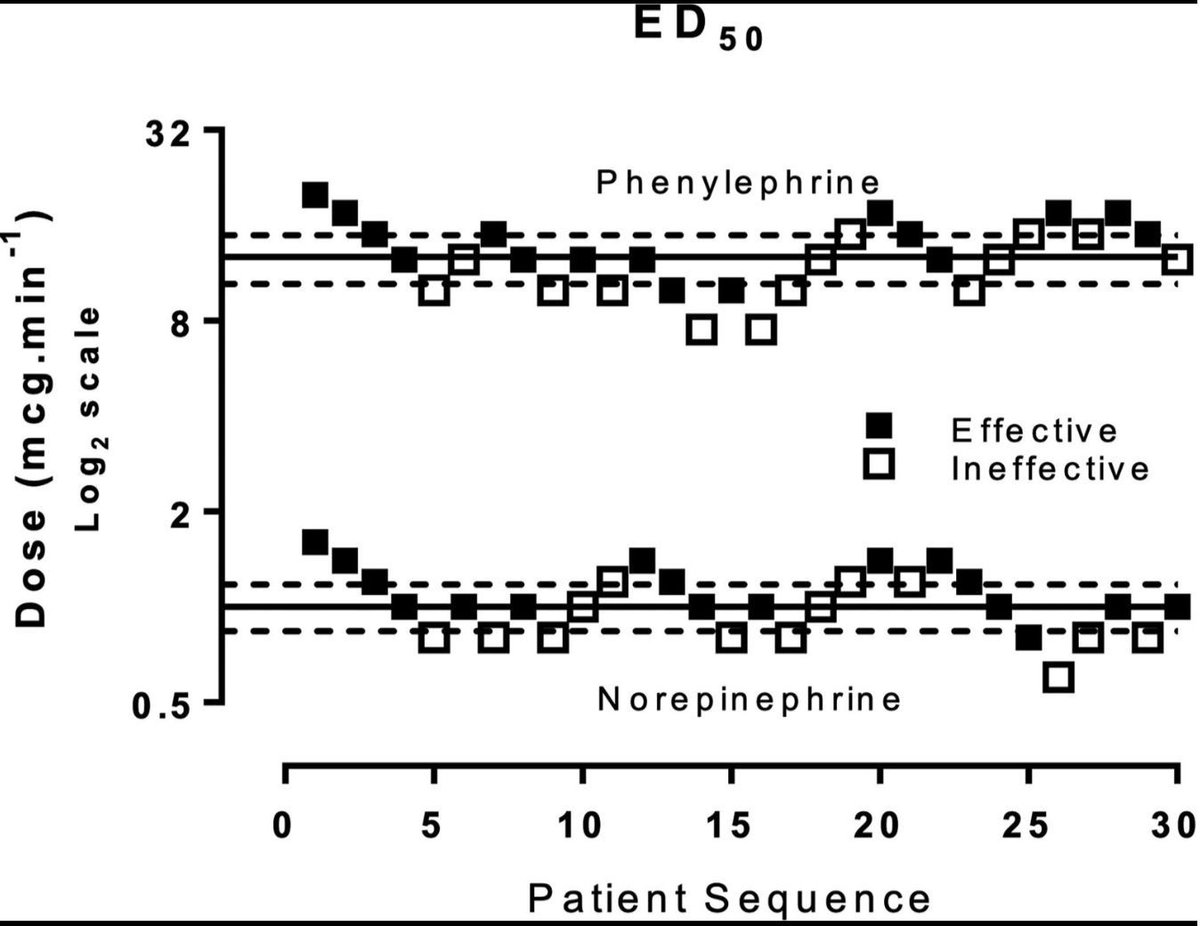
🚨 New Study Alert: Rethinking Vasopressors in C-Sections! 🚨
Can norepinephrine outshine phenylephrine in preventing spinal hypotension during cesarean deliveries? 🤰💉 #OBAnes #MaternalHealth #CesareanDelivery #SpinalAnesthesia
https://t.co/JRjw2hykHi
🌟 Mastering Spinal Dosing: From Babies to the Elderly! 🌟
#SpinalAnesthesia #SafeSpinals
#RegionalAnesthesia #SpinalBlock
#NeuraxialAnesthesia #AnesthesiaMatters #PediatricAnesthesia #GeriatricAnesthesia #AnesthesiaTips #FellowshipLearning #TipOfTheDay #MyRATips
Tip of the Day:
A simple guide to make spinal anesthesia less confusing and more confident!
A. 🧠 How Do We Decide the Spinal Dose?
🔹The dose of spinal anesthetic isn’t “one-size-fits-all.”
🔹Customize it based on the patient’s profile, surgery site, and local anesthetic characteristics.
B.📌 Tips for Beginners
✅ Ask 2 things:
💡“What level of block do I need?”
💡“Can this patient tolerate high spinal spread?”
✅Start with the standard dose:
💡Adjust up or down based on: Height, Age, Comorbidities (like kyphosis, obesity, severe AS, scoliosis)
✅ When unsure – Use spinal opioid adjuvants to reduce LA dose but maintain analgesia.
✅ Keep a quick "SPINAL DOSING QUICK REFERENCE CARD " in your pocket.
✅ When in doubt - start conservatively, observe, and document spread.
C. 🔑 Key Factors That Influence Spinal Dose
1. 🧍♂️ Height
🔸Short (<150 cm): Slightly lower dose
🔸Tall (>180 cm): May need full dose
🔸Rationale: Taller people have a longer spinal column, so drug may spread less unless compensated.
2. ⚖️ Weight & BMI
👉Obese patients have reduced CSF volume → increased spread → use less
👉Very thin: May also need lower dose
3. 🎂 Age
🧩Elderly have less CSF + increased nerve sensitivity → use 10–20% less
🧩Young adults: standard dose
🧩Infants/children: strictly weight-based
4. 🩺 Surgery Site
📌Perineal: S2–S4 → ~1.2–1.5 mL
📌Lower limb ortho: T10–T12 → ~2.0–2.5 mL
📌LSCS/Gyn: T6–T8 → ~1.6–2.0 mL
📌Lower abdominal: T4–T6 → ~2.5–3.0 mL
5.🤰 Pregnancy
💡Less CSF, increased vascularity → reduce dose
6.📏 Baricity & Position
📍Hyperbaric: spreads with gravity (adjust table tilt)
📍Hypobaric/Isobaric: less predictable; position critical
D.👶 Pediatric (esp. <8 years):
☑️CSF volume is higher per kg than adults → requires more mL/segment
☑️General rule: 0.05–0.07 mL/kg/spinal segment (for hyperbaric bupivacaine) Or overall dose: 0.4–0.5 mg/kg
☑️Example, a 10-kg child needing T10 block (around 6–8 segments): ~0.7 mL total of 0.5% bupivacaine.
E. 👨⚕️ Adults:
➡️Not commonly taught as mL/segment because dosing is not linear.
➡️ 0.1–0.15 mL/segment can give some approximation, only in average-sized adults
➡️Example, for a T4 level (approx. 14 segments from S5): 2.0–2.5 mL of 0.5% hyperbaric bupivacaine.
➡️Remember LA spread is governed by gravity, baricity, CSF volume, and patient factors, not just volume.
F. 👵 Elderly:
👉Decreased CSF volume, increased sensitivity to LA, less compliance.
👉Need less volume/segment → 0.08–0.1 mL/segment
👉Example, in an 80-year-old, 1.2–1.4 mL may be enough for a T8 level
G.✅ Safe Geriatric Dosing (Bupivacaine 0.5% Heavy)
🦴 Hip Surgery (T10–T12 level)
🔸Dose: 1.2–1.5 mL
🔸Use adjuvants (e.g., fentanyl 15–20 mcg) to enhance effect with reduced LA volume.
🦵 Knee/Lower Limb Ortho (T10–T12 level)
🔹Dose: 1.0–1.4 mL
🔹Reduce to as low as 0.8–1.0 mL if frail or kyphotic.
📌 Tips for Geriatric Safety:
🎯Use smaller gauge needle (25G/27G pencil-point)
🎯Keep head slightly elevated to avoid high spinal
🎯Monitor for bradycardia, hypotension more closely
🎯Consider preloading + gentle vasopressor titration
🎯Maintain MAP = Age of the Patient
H.🚀🏠Take-Home Messages🎯
💉 Spinal dose is never fixed — always tailor to the patient.
👶 Pediatrics: Use 0.08–0.1 mL/kg of 0.5% bupivacaine.
🧍 Adults need 1.5–3.0 mL based on surgery level.
🧓 Elderly? Go low — 1.0 to 1.4 mL is often enough.
👩🦰 Pregnant or obese? Reduce dose by 10–20%.
🛌 Baricity and position guide your block spread.
💊 Opioid adjuvants = lower LA, longer relief.
📏 No fixed mL/segment - think clinically, not mathematically.
🧠 Ask: What level do I need? Can the patient tolerate it?
🚨 Watch for high spinal signs - and act fast.
"When it comes to spinal dosing — think smart, dose small, and aim precise!"

🧠"Demystifying Neuraxial Anesthesia: Spinal, Epidural & Segmental Spinal Simplified"
#NeuraxialAnesthesia #SpinalAnesthesia #EpiduralAnesthesia #SegmentalSpinal
#RegionalAnesthesia #AnesthesiaEducation
#PainManagement #CaudaEquina #CSFSpread #AnatomyMatters #SafeNeedlePractice #AnesthesiaTips
#NeuroAnatomy #BlockWithPrecision #MedTwitter #SpinalCordAnatomy #TipoftheDay #MyRATips
Tip of the Day:
⭐Spinal Anesthesia (Conventional)
💉Injected into the subarachnoid space below L2 -usually at L3–L4 or L4–L5.
🧠Acts directly on the cauda equina (bundle of spinal nerve roots), not the spinal cord.
⚡Blocks voltage-gated sodium channels on nerve roots → prevents action potentials.
🎯Produces rapid, dense sensory, motor, and sympathetic block.
🧊Small volume can have wide coverage, depending on position and baricity.
⭐Epidural Anesthesia
💉Administered into the epidural space, outside the dura mater.
🔄LA must diffuse across dura and arachnoid to reach nerve roots.
🕒Slower onset and segmental spread, ideal for controlled or continuous anesthesia.
📦Requires larger volume due to indirect diffusion route.
⭐Segmental Spinal Anesthesia
💉 Aimed above the conus medullaris (any level above L1), targeting specific nerve roots.
🧪 Very low volume (0.5–1.5 mL) remains localized in CSF.
🎯 Produces focused block with minimal motor and sympathetic involvement.
🩺 Great for high-risk patients needing short, localized anesthesia.
🚀How LA Reaches higher levels in Spinal anesthesia?
🌊LA spreads cranially within CSF along the dural sac.
🔄Reaches upper thoracic roots via passive flow and positioning.
📈 Influenced by many factors.
🧩Common Factors Influencing Spread
⚖️Baricity: Determines direction of spread with gravity.
🧍♂️Positioning: Critical in spinal and segmental spinal techniques.
💧Dose/Volume: Higher = broader spread.
⛲CSF Volume: Less CSF (e.g., elderly, pregnancy) = wider block.
🧬Anatomy: Spinal curvature and fat distribution affect CSF dynamics.
🧱Injection Site: Higher levels = more focused spread.
🫀Epidural Fat & Veins: Alter space dynamics (epidural only).
🧠 Why Spinal Anesthesia Doesn’t Affect the Cord?
🛑Spinal cord ends at L1–L2 in adults—needle placement is below this level.
🧤The pia mater acts as a barrier to LA penetration.
🌊LA in CSF stays diluted and acts on nerve roots, not cord neurons.
✨ It’s a "conduction block" (electrical), not a chemical synapse block - Not a Chemical transection of the spinal cord.
🧭 Traversing vs. Exiting Nerve Roots?
🔀Traversing Root: Travels within the thecal sac to exit one level below.
↔️Exiting Root: Leaves the spinal canal at the same vertebral level.
🏠 Take-Home Messages:
✅ Spinal anesthesia offers rapid, dense block with minimal volume, acting on cauda equina in CSF.
✅ Epidural anesthesia requires larger volume, spreads segmentally, and allows gradual, titratable control.
✅ Segmental spinal anesthesia delivers targeted, localized blocks with low dose, ideal for high-risk cases.
✅ Spread is influenced by baricity, patient position, volume, CSF dynamics, and spinal anatomy.
✅ LA acts by blocking conduction, not synaptic transmission—nerve roots, not spinal cord, are the target.
✅ Understanding spinal levels, barriers, and root anatomy ensures safer, smarter neuraxial anesthesia.
For More details, Plz Click the following link,
𝐒𝐞𝐠𝐦𝐞𝐧𝐭𝐚𝐥 𝐒𝐩𝐢𝐧𝐚𝐥 𝐀𝐧𝐞𝐬𝐭𝐡𝐞𝐬𝐢𝐚:
https://t.co/8MEX7EC5Fb
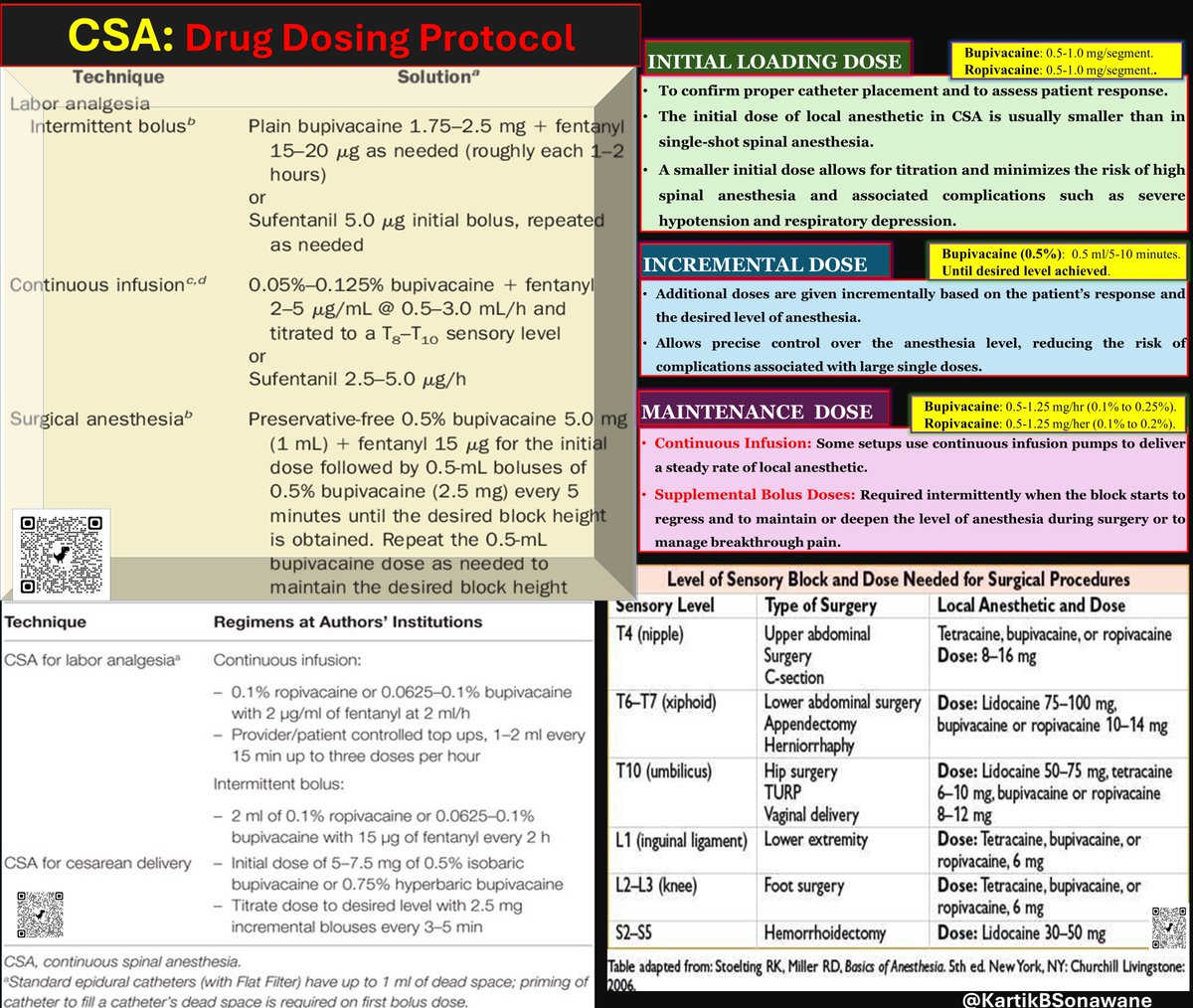
𝐂𝐒𝐀:
https://t.co/4lcn6JJvrh

“Revisiting and Revitalizing Continuous Spinal Anesthesia (CSA): A Modern Revival of an Older Technique”
🩺🚀 Discover how advanced technologies, improved safety protocols, and innovative drug delivery systems are transforming CSA into a game-changer for high-risk and prolonged surgeries. 🌟📚
📈 From 1907 to 2024: How Continuous Spinal Anesthesia has evolved into a state-of-the-art technique with advanced monitoring and precision drug delivery. 🚀🌟
Improved safety, better outcomes, and patient empowerment! 🌟
#Anesthesia #MedicalInnovation #PatientCare #CSA #ContinuousSpinalAnesthesia #NeuraxialBlocks #Surgery #HealthTech #AnesthesiaAdvances #PatientSafety #MedicalResearch #PatientOutcomes #MedicalTech #HealthCareInnovation #MedicalAdvances
#RegionalAnesthesia #MedTwitter #EDRA
My 10 Points:
In Article Format,
Plz Click the Following Links,
For Online Viewing:
https://t.co/sF4w1WKUx9
For PDF Download:
https://t.co/Bx2nXV4fTT




Introducing our first faculty spotlight for #ASRASPRING25! Dr. Steve Coppens from Leuven, Belgium will be joining us this spring, catch him debating #spinalanesthesia for lower limb and #epidural for thoracic surgery. Don't miss these sessions, register at https://t.co/ok1J3dGCzJ


Early in my career, I heard @ewhitakermd give a talk on #spinalanesthesia. Came home to @MayoClinicKids, inspired to start a program for our @MayoUrology patients with my amazing @MayoAnesthesia colleagues. Grateful for the 💪 collab, and offering this to our littlest pts. 👶🏻❤️

Proud to share our work on utility of spinal anesthesia for neonatal torsion
🔑 collab with @MayoAnesthesia to ⬇️ risk a/w general anesthesia in this vulnerable population
@pence_sierra @candacegranberg @MayoUrology @MayoClinicKids
https://t.co/iSY58eAU9G

Is intrathecal #Ropivacaine associated with reduced hypotension as compared to #Bupivacaine ?
Read this meta-analysis and trial sequential analysis in Feb 2024 issue of #IJA
Link: https://t.co/O8SzF3ZunS
#SpinalAnesthesia #AnesthesiaResearch #PainManagement #PatientCare #MedicalResearch #Healthcare #AnesthesiaDrugs #SurgicalAnesthesia #PainRelief

"Spinal Showdown: Thoracic vs. Lumbar - What You Need to Know!"
#MedicalComparison #SpineHealth #SpinalAnesthesia #NeuraxialAnesthesia
#SegmentalSpinalAnesthesia #ThoracicVsLumarNeuraxials #SpinalSafety
#MedTwitter
My 10 Points:
A. PROS AND CONS
1. Thoracic spinal anesthesia
Pros:
a. Indications: Suitable for thorax, breast, and upper abdomen surgeries.
b. Less hypotension: Due to the higher injection level.
c. Obstetric suitability: For certain obstetric procedures like cesarean sections.
d. Lower volume requirement: Less required LA volume potentially reduces systemic toxicity risk.
e. It can explored in deformed or post-instrumented lumbar spines, especially for below umbilicus surgeries.
f. Suitable for segmental spinal anesthesia without involving lower roots.
Cons:
a. Limited anesthesia spread: Coverage is not as effective as lumbar spinal anesthesia.
b. Limited suitability: Not suitable for some lower abdominal, pelvic or lower extremity surgeries.
c. Risk of complications: Like PDPH and nerve damage, albeit rare.
d. Technical challenge: Requires precise injection technique due to smaller interlaminar spaces and angulated spinous processes.
e. Risk of spinal cord injury with untrained hands.
2. Lumbar spinal anesthesia:
Pros:
a. Indications: Surgeries below the umbilicus, including lower abdominal surgeries and lower limb procedures.
b. Technically easy: Due to the larger size of the lumbar spinal canal, wider interlaminar spaces, and less angulated spinous processes.
c. Offers flexibility in adjusting the level of anesthesia by selecting the appropriate lumbar interspace for injection.
d. Effective for surgeries requiring prolonged anesthesia, such as major orthopedic procedures.
Cons:
a. Increased risk of hypotension due to a larger volume of LA required and lower injection level.
b. Higher risk of complications such as PDPH and nerve damage compared to thoracic spinal anesthesia.
c. Not suitable for surgeries involving the upper abdomen.
d. Relatively contraindicated in deformed and post-instrumented spine.
e. Not suitable for segmental spinal anesthesia.
B. KNOW THE TARGET- EXITING NERVE ROOT
3. Thoracic Nerve Roots:
a. The thoracic nerve roots are smaller in diameter than the lumbar because thoracic nerves primarily handle sensory functions for the trunk and abdomen, with less motor function.
b. Consequently, compression or injury to these smaller thoracic nerve roots may lead to symptoms like chest or abdominal pain, numbness, or weakness, albeit potentially less severe due to their smaller size.
4. Lumbar Nerve Roots:
a. The lumbar nerve roots are thicker than the thoracic because lumbar nerves serve significant sensory and motor functions, controlling movement and sensation in the lower body.
b. This larger diameter can exacerbate symptoms in cases of compression or injury, potentially leading to more pronounced issues like leg pain, weakness, or numbness, commonly associated with conditions such as disc herniation or spinal stenosis.
C. CSF HOMEOSTASIS
5. CSF Volumes:
· The total volume in normal adults is 90-200 ml.
· 20% in ventricles and 80% in subarachnoid space.
· 50% Intracranial and 50% Extracranial.
· Total CSF volume in Spine = 81 ± 13 mL
Cervical - 19 ± 4 mL
Thoracic - 38 ± 8 mL
Lumbosacral - 25 ± 7 mL
· Average 5 ml of CSF/vertebral level with high individual variability.
6. CSF Pressure:
CSF pressure varies slightly depending on the spinal level when measured in the sitting position, with the pressure typically being lower in the lumbar region compared to the thoracic and cervical regions.
· Cervical region: 8 to 20 mmHg.
· Lumbar region: 6 to 15 mmHg.
· Thoracic region: 7 to 18 mmHg.
D. WHY IS PDPH LESS COMMON IN THORACIC SA?
7. Anatomical/physiological factors:
a. Less CSF pressure fluctuation between sitting and supine positions reduces the likelihood of CSF leakage and PDPH.
b. Lower CSF volume in the thoracic region minimizes the amount lost in case of dural puncture, reducing the risk of PDPH.
c. Reduced mobility in the thoracic spine lowers stress on the dural puncture site, decreasing the risk of CSF leakage and PDPH.
d. Thinner dura mater in the thoracic region is less prone to tearing, further reducing the risk of CSF leakage.
e. The thoracic spinal canal is narrower, making accidental punctures less likely to affect the dura mater and cause cerebrospinal fluid leakage.
E. WHY IS THINNER DURA LESS PRONE TO TEARING?
8. The dura mater is the tough outermost membrane covering the brain and spinal cord, and its thickness can vary depending on the region of the spine.
a. Greater elasticity: Thinner dura has more elasticity, flexing and deforming under stress instead of tearing outright, which absorbs mechanical forces and lowers the risk of tearing.
b. Less tissue to traverse: Thinner dura requires less force for penetration, reducing the likelihood of inadvertent tearing.
c. Less resistance to needle insertion: Thinner dura offers less resistance to spinal needle insertion, reducing frictional forces and the risk of tearing.
d. Lower structural stress: Thinner structures experience lower internal stresses, decreasing the risk of tears due to mechanical strain.
e. Faster healing: Thinner tissues often heal faster, reducing the risk of complications such as CSF leaks.
9. Why less paresthesia during thoracic spinal anesthesia?
a. Thoracic spinal nerves are thinner than those in the lumbar region, so they are less likely to be stimulated during needle insertion, reducing the likelihood of paresthesia.
b. Different nerve distribution: The lumbar nerves are larger and more densely packed than the thoracic nerves, so there is a higher chance of accidentally stimulating a nerve root, leading to paresthesia.
c. The thoracic spine is less mobile than the lumbar spine, making it easier to accurately insert the spinal needle without inadvertently contacting nerve roots, decreasing the likelihood of paresthesia.
d. The dura mater in the thoracic region is thinner than the lumbar region, making it less likely to impinge on nerve roots during needle insertion, reducing the risk of nerve stimulation and subsequent paresthesia.
e. Different Patient Positioning: During lumbar spinal anesthesia, the sitting position can place more stress on nerve roots and increase the likelihood of paresthesia. In contrast, the lateral decubitus or prone position during thoracic spinal anesthesia can provide better access to the spinal space with less nerve interference.
10. SAFETY:
a. Both thoracic and lumbar spinal anesthesia can be safe and effective when performed correctly by experienced practitioners.
b. However, lumbar spinal anesthesia may carry a slightly lower risk of complications due to anatomical differences.
c. As with any medical procedure, careful patient selection, proper technique, and close monitoring are essential to minimize risks and ensure patient safety.


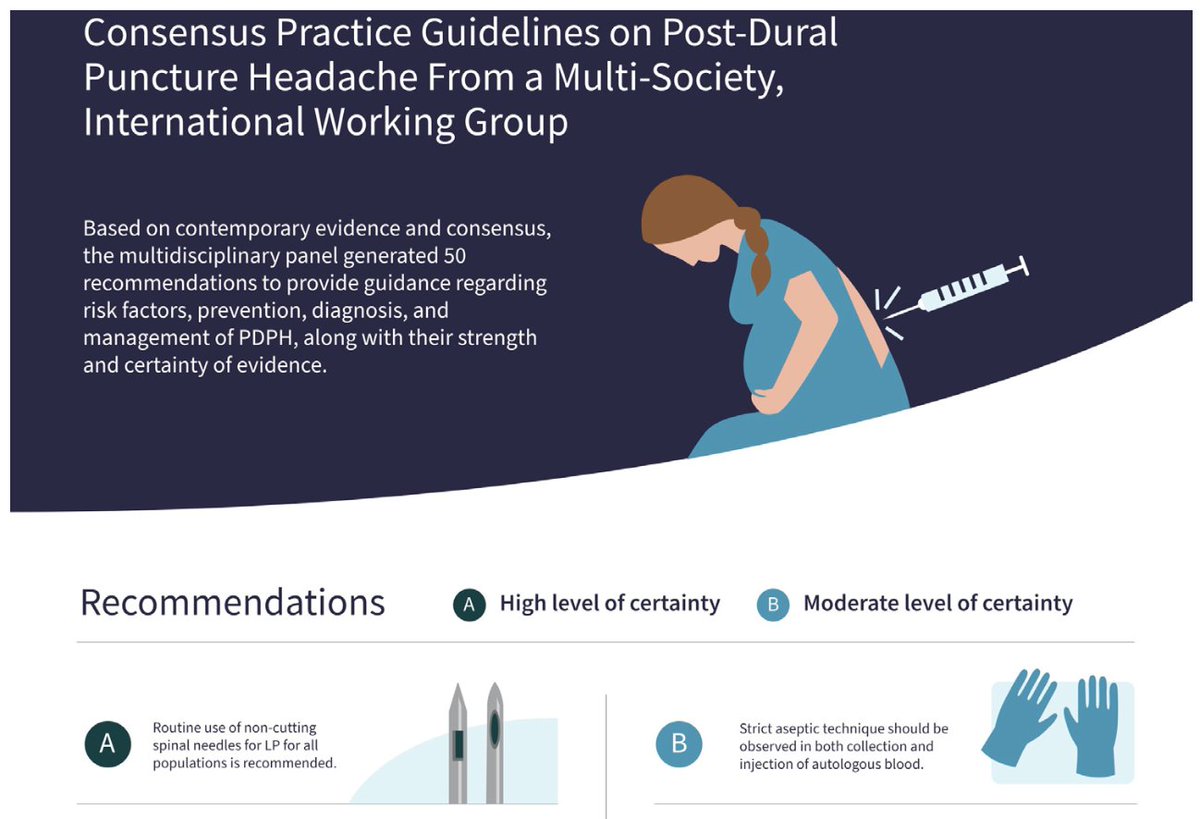
Evidence-based clinical practice guidelines on postdural puncture headache: a consensus report from a multisociety international working group. Uppal V, et al. Reg Anesth Pain Med 2023;0:1–31.
#Postdural #Headache #laborEpidural #SpinalAnesthesia


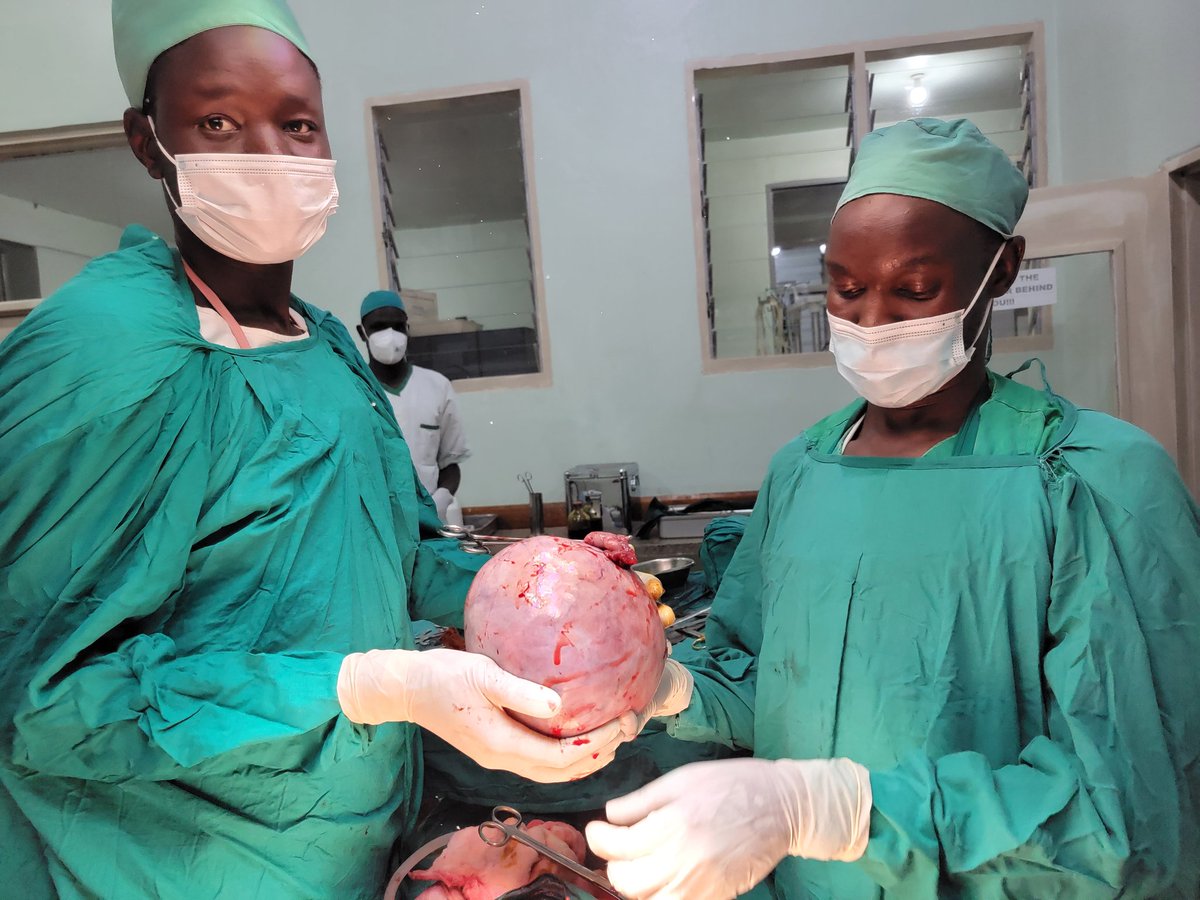
A giant ovarian cyst on a 30yr female, who was attending antenatal services, thinking she was pregnant. @matany_hospital came to rescue. Did ex-lap under #Spinalanesthesia Thanks to the gynecological team.

You know that when a senior surgeon is on board- it's the way to go! #infant #spinalanesthesia
@lilppmd (Chief of Ped Urol @nationwidekids) wrote this insightful commentary in @jpurology...spinal is the way to go! #pedsanes
https://t.co/Gr4fhpwuHj

New from NYSORA’s YouTube: Spinal Anesthesia: Column Layers! #nysoravideos #anesthesia #spinalanesthesia #anesthesiology


🆕Evidence-based Clinical Practice Guidelines on #PDPH
🙏Thanks to the 21 contributors from six different societies.
🆓 Executive summary @JAMANetworkOpen 👇
🔗https://t.co/DWlud6bARX
🆓 Full report @RAPMOnline soon
🧵Thread sharing some key findings 1/10
Last Seen Hashtags on Sotwe
minichat()** +filter:native_video
Seen from Singapore
minichat filter:videos()******
Seen from Switzerland
فضفضة
Seen from United Kingdom
rubenbadamusic
Seen from United States
Smallgirls porn
Seen from Canada
gamingfree
Seen from United States
learnermanagement
Seen from United States
twink
Seen from Turkey
ass
Seen from Germany
NewAmsterdamRecords
Seen from United States
Trends for you
Most Popular Users

Elon Musk 
@elonmusk
241.7M followers

Barack Obama
@barackobama
119M followers

Cristiano Ronaldo
@cristiano
114.4M followers

Donald J. Trump
@realdonaldtrump
111.9M followers

Narendra Modi
@narendramodi
107.2M followers

Rihanna
@rihanna
98.7M followers

NASA
@nasa
92.4M followers

Justin Bieber
@justinbieber
91.8M followers

KATY PERRY
@katyperry
90M followers

Taylor Swift
@taylorswift13
83.9M followers

Lady Gaga
@ladygaga
75.4M followers

Virat Kohli
@imvkohli
73.3M followers

Kim Kardashian
@kimkardashian
70.9M followers

YouTube
@youtube
68.8M followers

Neymar Jr
@neymarjr
66.3M followers

Bill Gates
@billgates
65.1M followers

Selena Gomez
@selenagomez
63M followers

The Ellen Show
@theellenshow
62.3M followers

CNN
@cnn
61.8M followers

X
@x
60.7M followers