

Top Tweets for #USPCC26

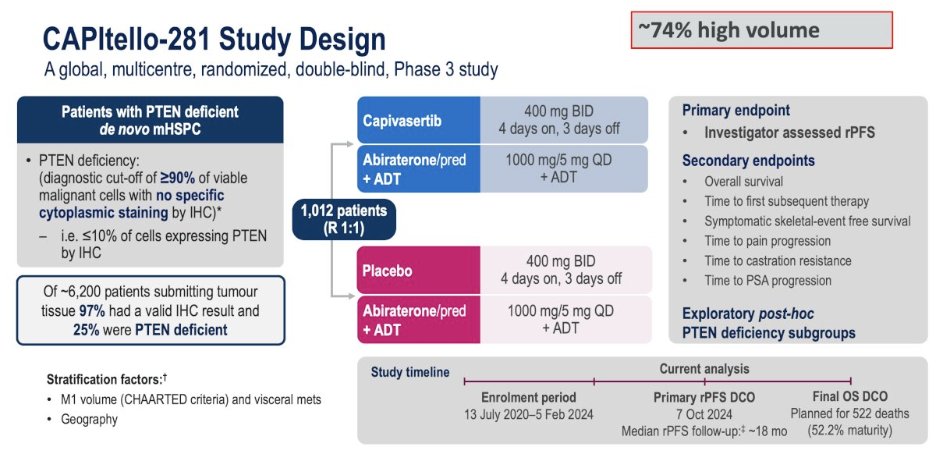
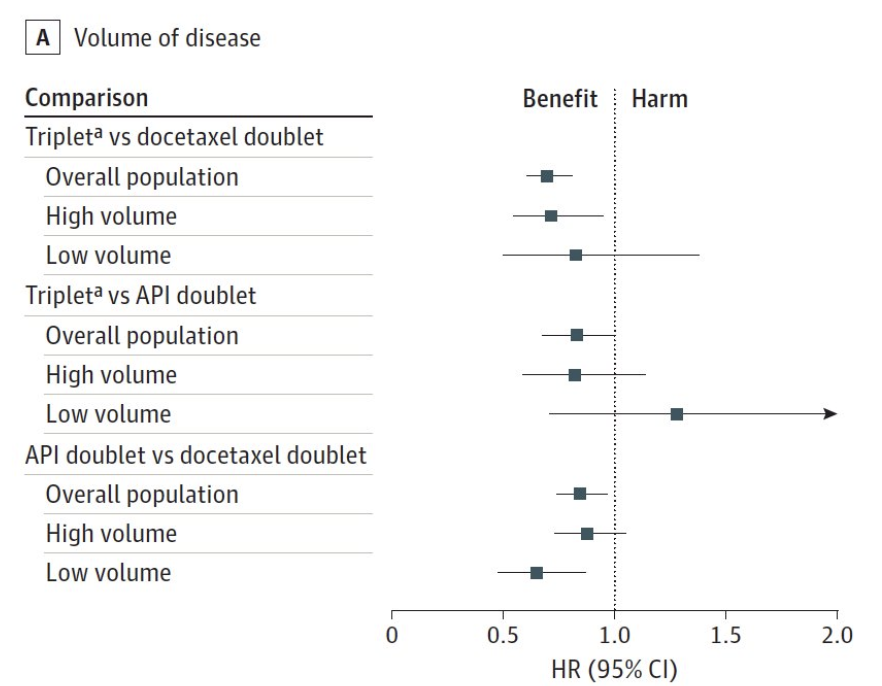
🧬 Capivasertib + abiraterone offers a precision-medicine alternative to chemotherapy-based triplet therapy in PTEN-deficient metastatic APMN/S prostate cancer.
At #USPCC26, Dr. Russell Szmulewitz @UChicagoMed highlighted CAPItello-281: in 1,012 patients with PTEN-deficient de novo metastatic disease, capivasertib improved median rPFS from 25.7 to 33.2 months, with the largest apparent benefit in complete PTEN loss. OS is still immature, while toxicity—including diarrhea, hyperglycemia, rash, and anemia—was manageable but led to discontinuation in ~18%.
Bottom line: For high-volume, de novo PTEN-deficient disease, capivasertib + abiraterone targets a poor-prognosis biology at the earliest opportunity—without requiring docetaxel.
Written coverage by @zklaassen_md on UroToday > https://t.co/LEiVlqqq17

Should PSMA PET–defined MFS count as a legitimate, actionable trial endpoint?
Dr. Steve Cho @UTMDAnderson at #USPCC26 says YES.
✅ PSMA PET outperforms CT/bone scan for nodal, bone, and visceral metastases
✅ In an EMBARK-eligible cohort with negative conventional imaging, 84% were PSMA PET+, 46% had M1 disease
✅ Bone scans are becoming obsolete—more sensitive molecular imaging should define progression
⚠️ Use rigorous PROMISE/PSMA-RADS criteria, expert central reads, and confirm equivocal lesions
Bottom line: A new PSMA PET–detected metastasis is real progression—not “metastasis-free” simply because CT/bone scan is negative.
Written coverage by @zklaassen_md @GACancerCenter > https://t.co/jyV3N4bVW6 @PCFnews


Should PSMA PET be used for treatment response assessment today?
Dr. Steven Rowe @UTSWMedCenter at #USPCC26 says NOT YET.
Key cautions:
⚠️ PSMA expression is dynamically regulated by the androgen axis—ADT/ARPIs can alter uptake independent of true tumor burden (flare, downregulation)
⚠️ Quantitative metrics (SUVmax/mean/total, volume) show meaningful test–retest variability; lesion identification/segmentation remains inconsistent
⚠️ RECIP is promising for radioligand therapy but needs broader validation; AI-assisted standardization is still evolving
Bottom line: PSMA PET has clear staging value, but biologic modulation, reproducibility issues, and immature criteria mean it has no routine role for response assessment yet—focus on understanding PSMA kinetics and improving AI-based quantification.
Written coverage by @zklaassen_md @GACancerCenter on UroToday > https://t.co/RBonFyL2QY @PCFnews
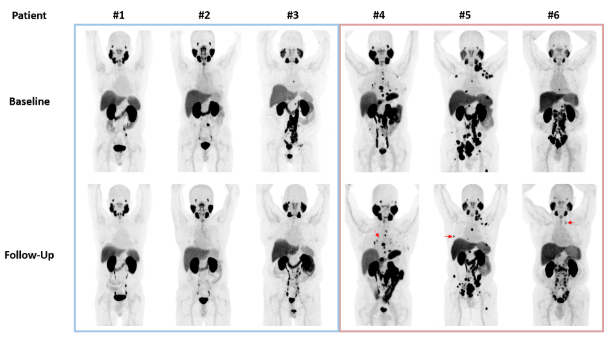
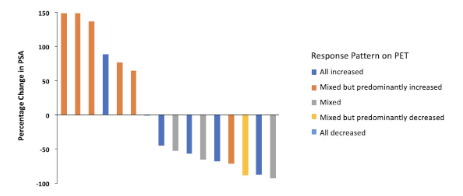
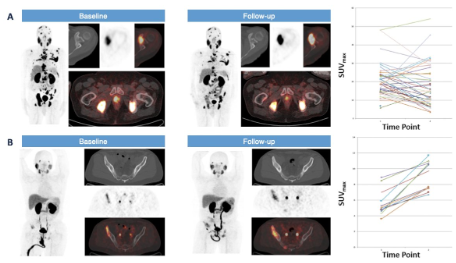
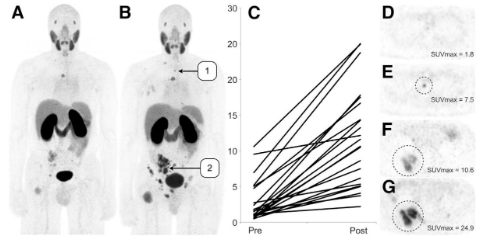
💉 Docetaxel in metastatic androgen pathway–naïve (APMN) #ProstateCancer—who benefits most?
@CaPsurvivorship @DanaFarber at #USPCC26: Yes, for the right patients.
Key points:
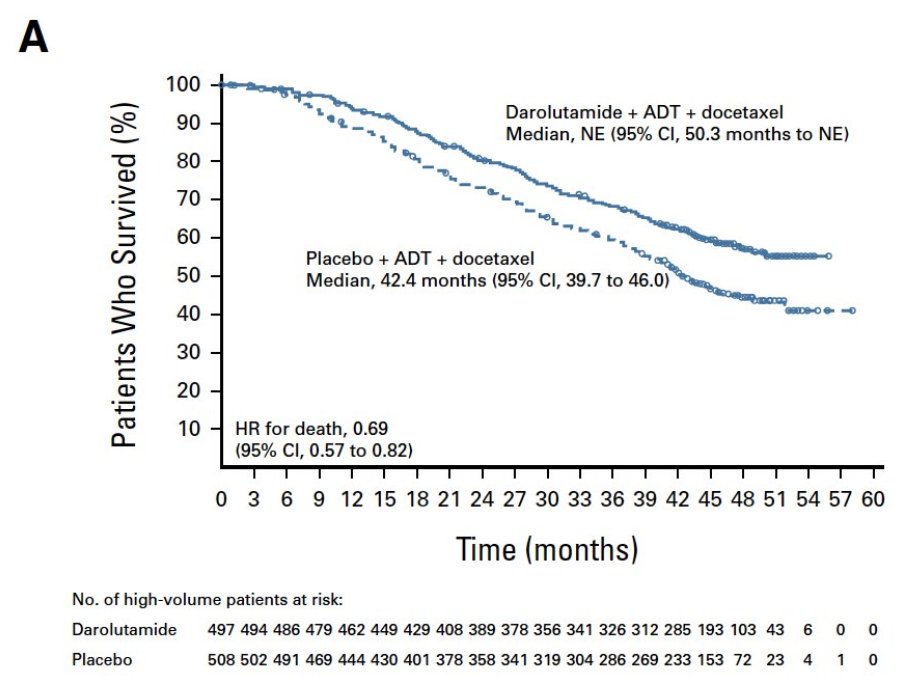
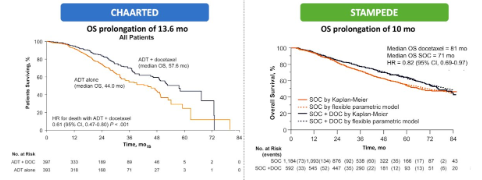
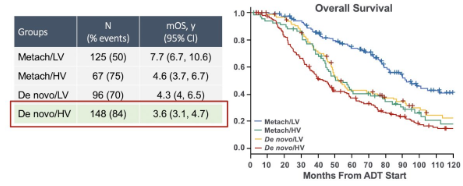
✅ Greatest OS benefit in de novo high-volume disease (CHAARTED/STAMPEDE); early > late chemo
✅ Biomarker signals: high Decipher and PTEN-inactive tumors derive more benefit; BRCA2 alterations favor PARP inhibitors over docetaxel (TRITON3)
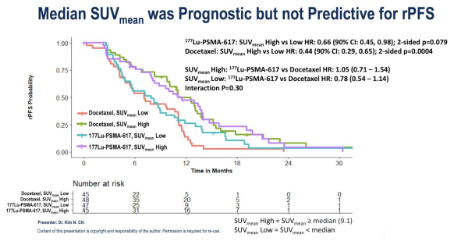
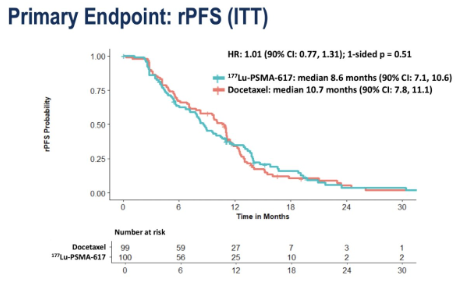
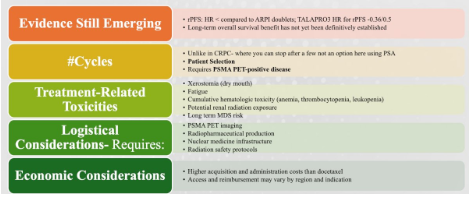
✅ PLUDO: rPFS similar to 177Lu-PSMA-617; OS numerically favored docetaxel but confounded by crossover; QoL comparable
✅ Practical wins: rapid start, widely available, finite 6 cycles, no radiation safety precautions
Best candidates: chemo-fit, high-volume/de novo, aggressive biology (high Decipher, PTEN-inactive), limited access to Lu-PSMA, or wish to avoid radiation logistics.
Written coverage by @zklaassen_md @GACancerCenter > https://t.co/ORBZdsKKEb @PCFnews
🔬 177Lu-PSMA-617 in metastatic androgen pathway–naïve #APMN #ProstateCancer?
@sandysrimd at #USPCC26: Reasonable for selected patients.
Key data (PSMAddition, n=1,144):
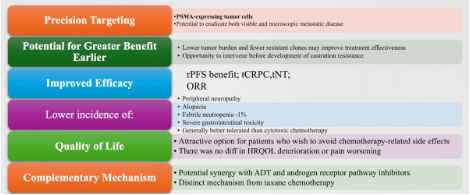
✅ rPFS HR 0.72; ORR 85% (CR 57% vs 42%); PSA progression HR 0.42; time to CRPC HR 0.70
✅ OS immature; HRQoL/pain similar to control
⚠️ More xerostomia, cytopenias, dry eye; logistics/cost > docetaxel; needs PSMA PET+
Best candidates: de novo high-risk/high-volume, frail/poor chemo candidates, high PSMA uptake, no visceral disease, no adverse genomic profile.
Written coverage by @zklaassen_md on UroToday > https://t.co/l0yBbzAEt5
Should a PSMA PET–only lesion count as an MFS event by conventional imaging standards?
Dr. Michael Carducci at #USPCC26 says NO.
Key points:
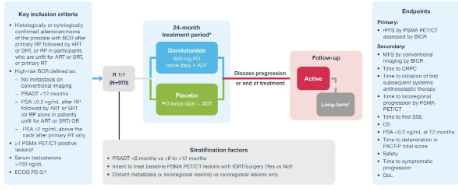
✅ MFS is validated as an OS surrogate using CT/bone scan—not PSMA PET. PSMA-defined progression lacks prospective OS validation (ongoing: ARASTEP)
✅ PSMA finds disease earlier, but earlier ≠ more aggressive; PSMA-only lesions often asymptomatic with variable growth
✅ NCI Consensus: PSMA+/conventional imaging–negative BCR is a distinct state—not automatically "metastatic"
✅ Risk: labeling PSMA-only findings as progression can trigger premature therapy changes without proven benefit
✅ PCWG4: PSMA PET remains investigational for response/progression; continue to use CT/bone scan criteria; consider "No Longer Clinically Benefiting"
✅ Caveats: PSMA flare on ARPI start; PSMA downregulation on 177Lu-PSMA-617 can confound serial reads
Record PSMA-only events for research, but don't call progression or switch therapy solely on PSMA PET unless protocol-defined.
Written coverage by @zklaassen_md on UroToday > https://t.co/AJnuv1aLS2 @PCFnews
📸 Should PSMA PET be used to assess treatment effects in routine #ProstateCancer care?
@Daniel_J_George @DukeCancer at #USPCC26 argues YES.
Key points:
✅ PSMA PET >> conventional imaging for sensitivity/specificity across disease states
✅ ORIOLE: treating all PSMA-visible lesions improved composite PFS and DMFS
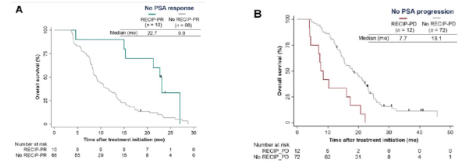
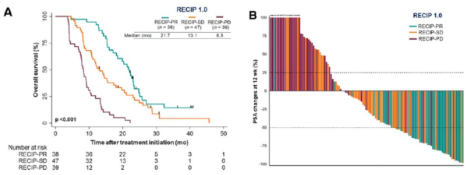
✅ RECIP 1.0 provides standardized response criteria on serial PSMA PET (tumor volume + new lesions); predicts OS independent of PSA
✅ Early PSMA response (≈3 months) prognostic in mCRPC: RECIP PD vs non-PD HR 2.6 for OS
✅ Practical uses: guide consolidative RT in PSA-complete responders, target oligoprogression with SBRT, decide continue/stop/switch in mCRPC
✅ PSMA-RADS improves interpretive consistency across readers
PSMA PET refines burden classification, targets therapy, and offers earlier, more biologic response assessment than PSA or CT/bone scan alone.
Written coverage by @zklaassen_md @GACancerCenter > https://t.co/2Qi5EkXJRj @PCFnews


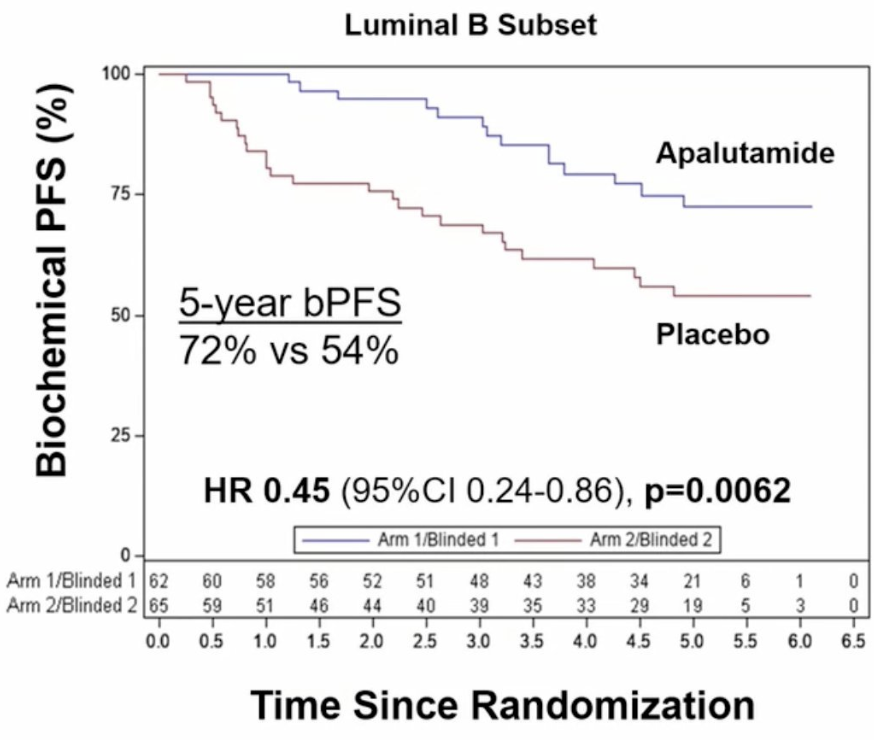
Point-Counterpoint: BCR PSA less than 0.5 patients benefit from ADT intensification with radiation (RTOG 0534).
@AarmstrongDuke at #USPCC26 says YES—for the right biology.
Key evidence:
✅ RTOG 9601: HT benefit concentrated in Decipher >0.45; no benefit (possible harm) in low genomic risk, especially at PSA <0.6
✅ DADSPORT/POSEIDON meta-analyses: modest but real OS/MFS gains with HT + SRT; NNT ~21–43 in selected subgroups
✅ BALANCE (NRG-GU006): In luminal B tumors, apalutamide + SRT improved bPFS and MFS; no benefit in non–luminal B
✅ MMAI digital pathology: high-risk patients saw larger DM reduction with intensification
Bottom line: ~60% of early salvage patients may not need HT, but ~40% with luminal B or MMAI High-Risk profiles do. Use biomarkers to personalize—not blanket intensify.
Written coverage by @zklaassen_md @GACancerCenter > https://t.co/yspTQxhB56 @PCFnews



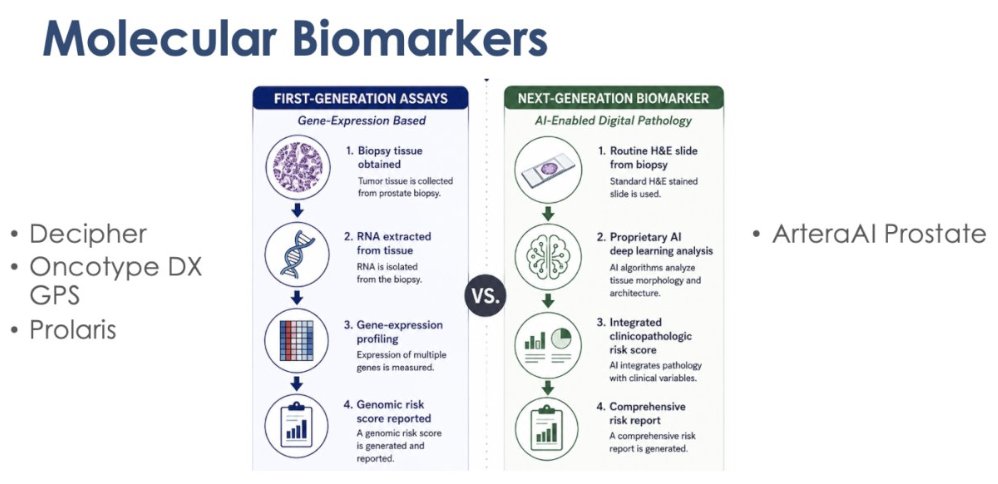
Point-Counterpoint 🧬 Do molecular biomarkers justify encouraging active surveillance (AS) in localized #ProstateCancer?
Dr. @zklaassen_md @GACancerCenter at #USPCC26: They inform—but shouldn't independently drive—AS decisions yet.
Key points:
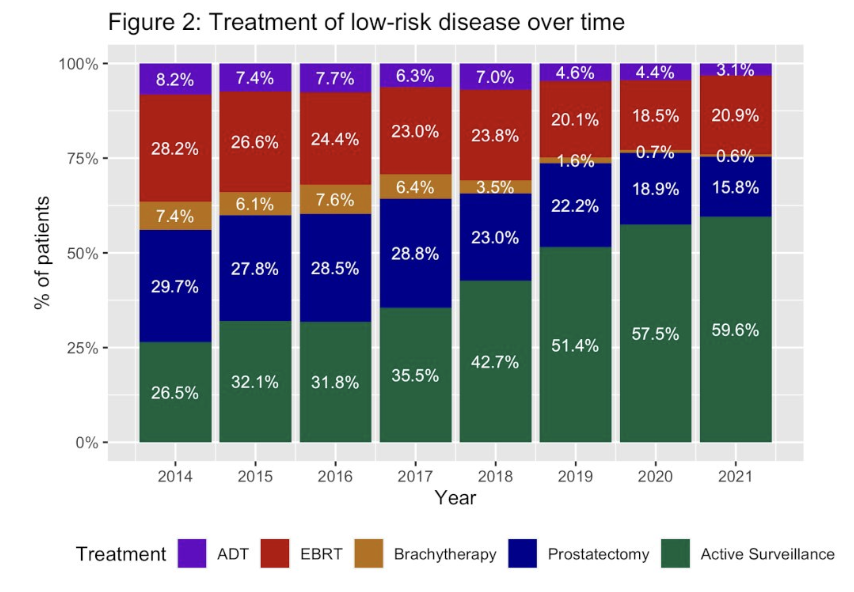
✅ AS is already SOC for low-risk disease with excellent long-term MFS/CSS
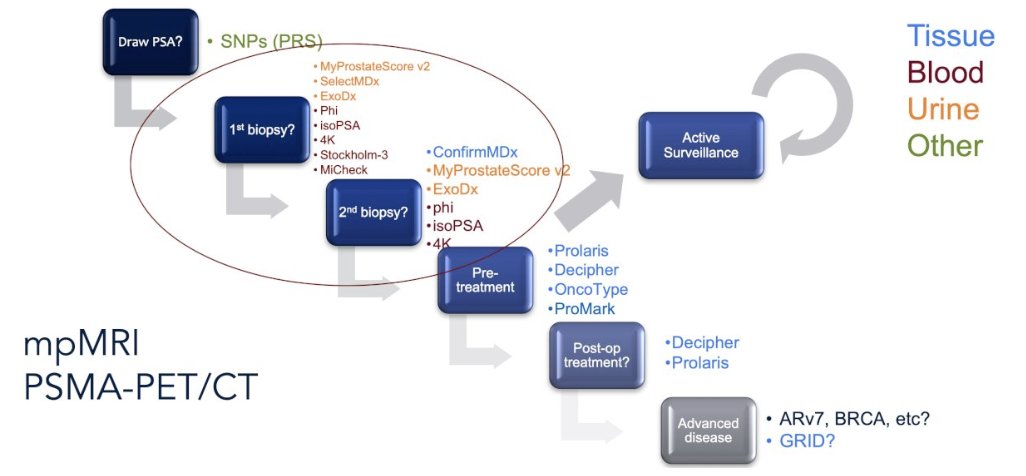
✅ Biomarkers (Decipher, Oncotype GPS, Prolaris, ArteraAI) show clinical validity (prognosis) but lack prospective clinical utility (changing management → better outcomes)
✅ PASS study: adding GPS to clinical models gave minimal incremental value; association attenuated after adjusting for PSA density
⚠️ Tumor heterogeneity complicates interpretation (targeted vs systematic cores can disagree)
🎯 What's needed: prospective, MRI-era, biomarker-guided RCT showing reduced overtreatment without compromising safety
Written coverage by @RKSayyid @UAUrology on UroToday > https://t.co/yrBeceCrqw @PCFnews



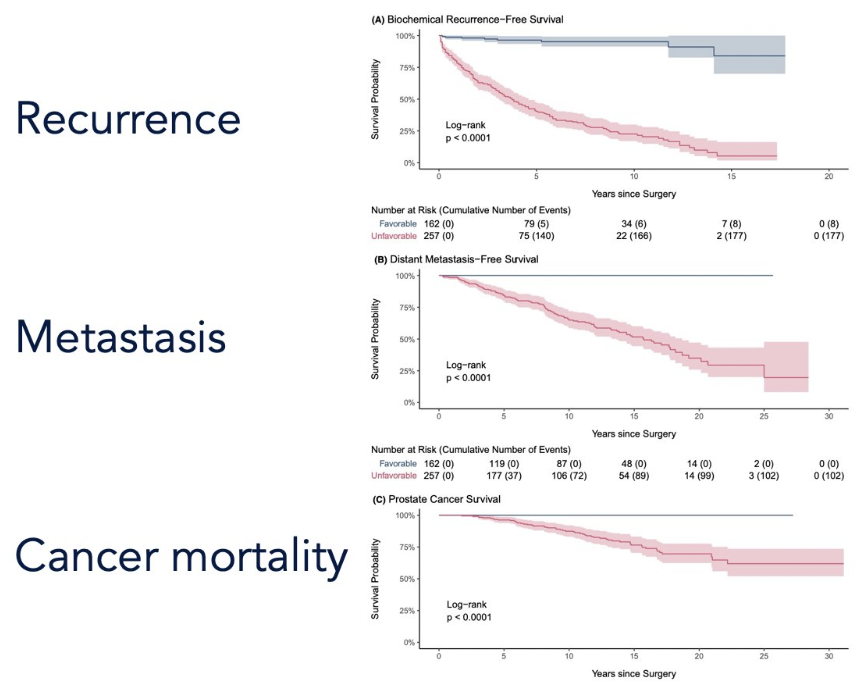
Point-Counterpoint: 🧬 Should molecular biomarkers encourage active surveillance in intermediate-risk prostate cancer?
@dr_coops @UCSFCancer at #USPCC26 says YES—for the right patients.
Key points:
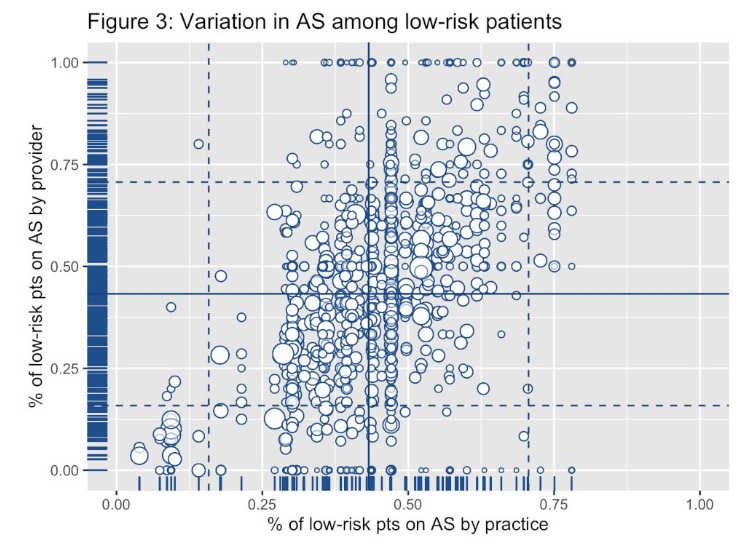
✅ AS is already SOC for low-risk (GG1) disease; GG1 is an "incidentaloma" that rarely, if ever, metastasizes
✅ Practice variation persists—clinician preference still drives AS use despite guideline support
✅ Intermediate-risk is heterogeneous: CAPRA (c-index ~0.76) + histologic features (cribriform, IDC, pattern 5) better stratify risk than NCCN buckets alone
✅ Biomarkers add most value in borderline GG2/selected GG3 to support AS discussions; strongest data to date for Decipher GC
✅ Emerging tools: Prolaris, @arteraAI, MPS2-AS urine assay, AI-pathology, liquid biopsies
Bottom line: AS decisions should be granular, individualized, and dynamic. Use biomarkers to reassure and select for AS in intermediate-risk—not to overtreat GG1.
Written coverage by @zklaassen_md @GACancerCenter. #ReadMore on UroToday > https://t.co/yZ7VsrfRFw @PCFnews @neerajaiims
Point-Counterpoint: Neoadjuvant intensified ADT-radical prostatectomy needs more validation.
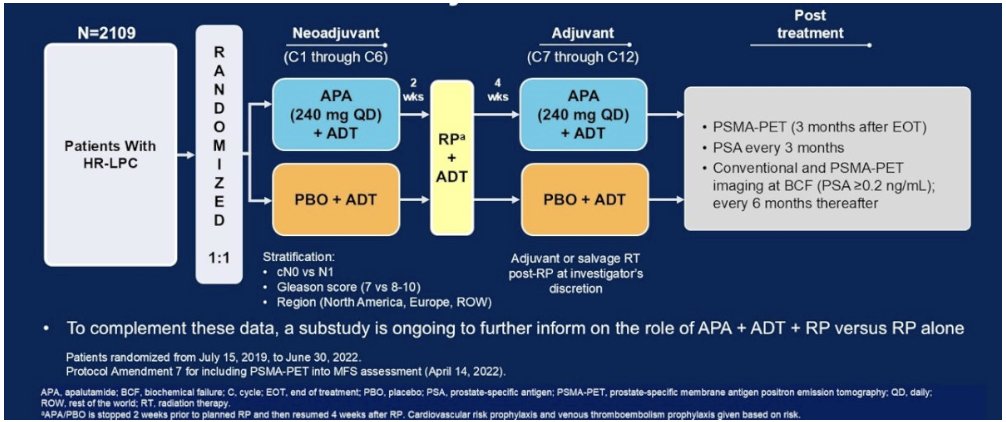
Key cautions from Dr. Evan Yu @fredhutch at #USPCC26 on #PROTEUS:
⚠️ Primary MFS benefit relied heavily on PSMA PET (53% of events); conventional imaging MFS was NOT significant
⚠️ ICECaP validated MFS→OS using conventional imaging—not PSMA PET. PSMA-detected progression may behave more like BCR, not true metastatic disease
⚠️ Control arm included ~1 year of ADT; current surgical SOC is RP alone. True toxicity burden (metabolic, CV, sexual, QoL) is underestimated
⚠️ Mature SOC exists for many: RT + long-term ADT (EORTC) and RT + ADT + abiraterone (STAMPEDE) with proven OS benefit
⏳ Await PROTEUS substudy (APA + RP vs RP alone) and longer follow-up before adopting widely
Bottom line: Discuss with patients, but don't declare a new standard yet—more validation needed.
Written coverage by @zklaassen_md @GACancerCenter > https://t.co/XCZRxF414C @PCFnews @neerajaiims


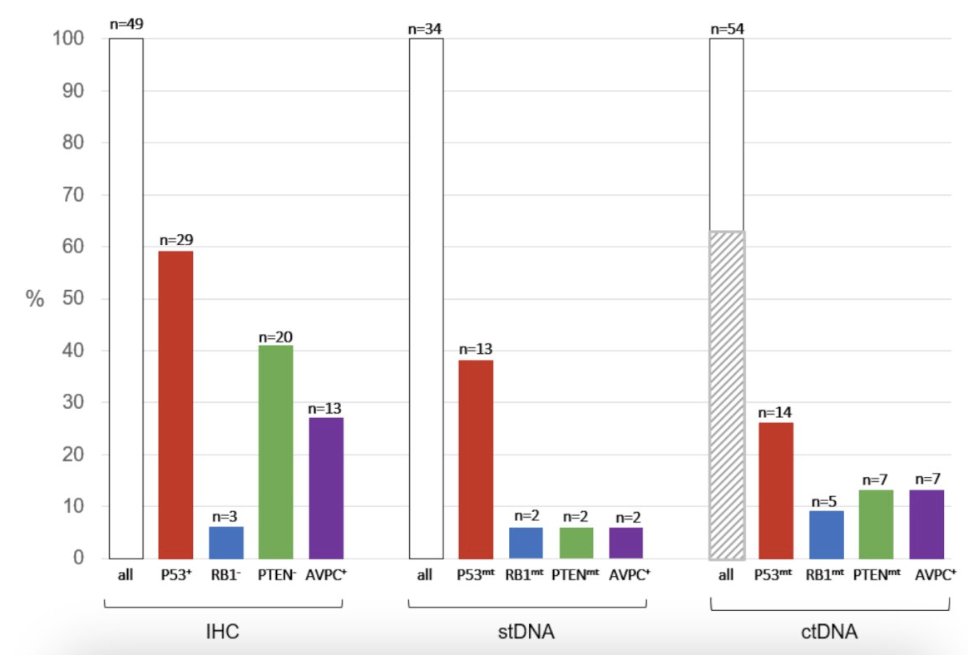
Point-Counterpoint: When considering capivasertib for #mAPMN disease, IHC for PTEN loss is necessary.
Key points from @aaparicioMD @UTMDAnderson at #USPCC26:
✅ CAPItello-281 used ONLY the VENTANA PTEN (SP218) RxDx IHC assay (≥90% tumor cells with no cytoplasmic staining) for patient selection
✅ IHC measures functional protein loss—capturing epigenetic/post-transcriptional mechanisms NGS can miss
✅ IHC & NGS are NOT interchangeable (IPATential150 & other studies show discordance)
✅ Practical wins: IHC is faster, cheaper, widely available, and avoids ctDNA/NGS pitfalls (low tumor fraction, PTENP1 pseudogene, variable CNV calling)
Bottom line: To treat per the registration trial, use the companion diagnostic IHC—not NGS or ctDNA alone.
Written coverage by @zklaassen_md @GACancerCenter > https://t.co/cpLV2tW4jS @PCFnews @neerajaiims


Point-Counterpoint: Does #PROTEUS represents a new standard of care?
Dr. David Morris @UA_Nashville at #USPCC26 says YES—for carefully selected patients planning RP.
Key arguments:
✅ PSMA PET is now routine practice—MFS by PSMA PET reflects real-world staging
✅ Perioperative apalutamide delayed next therapy by ~3 years (NNT ~10 at 5 yrs)
✅ ~3× higher odds of organ-confined disease; pCR may convert some to surgical candidates
✅ 77–80% recover testosterone >150 ng/dL by 1 year with proactive AE management
Bottom line: For high-risk/node+ patients accepting upfront toxicity to delay progression, PROTEUS supports perioperative intensified therapy as "a" new SOC.
Written coverage by @zklaassen_md @GACancerCenter > https://t.co/agXcd2Kw3N


Last Seen Hashtags on Sotwe
ไซด์ไลน์
Seen from United States
绿小林子
Seen from United States
TEENAGEEE()()()()filter:native_video
Seen from France
hijab
Seen from Bahrain
ipcam
Seen from Chile
egresadas
Seen from Colombia
teenageee
Seen from Turkey
african backshots
Seen from United States
กรุงเทพ
Seen from Thailand
AdrianaOlivarez
Seen from Ecuador
Trends for you
Most Popular Users

Elon Musk 
@elonmusk
241.7M followers

Barack Obama
@barackobama
119M followers

Cristiano Ronaldo
@cristiano
114.4M followers

Donald J. Trump
@realdonaldtrump
111.9M followers

Narendra Modi
@narendramodi
107.2M followers

Rihanna
@rihanna
98.7M followers

NASA
@nasa
92.4M followers

Justin Bieber
@justinbieber
91.8M followers

KATY PERRY
@katyperry
90M followers

Taylor Swift
@taylorswift13
83.9M followers

Lady Gaga
@ladygaga
75.4M followers

Virat Kohli
@imvkohli
73.4M followers

Kim Kardashian
@kimkardashian
70.9M followers

YouTube
@youtube
68.8M followers

Neymar Jr
@neymarjr
66.4M followers

Bill Gates
@billgates
65.2M followers

Selena Gomez
@selenagomez
63.1M followers

The Ellen Show
@theellenshow
62.3M followers

CNN
@cnn
61.8M followers

X
@x
60.7M followers