

Top Tweets for #devonian

Below is a list of some national, international, global, and local observances for May 16, 2026:
National Piercing Day celebrates body art and self-expression on May 16, reminding enthusiasts of the ancient global traditions, from Egyptian pharaohs to modern subculture, that transform the human form; it prompts reflection on how piercings, often dismissed as fleeting trends, have long served as rites of passage, cultural markers, and personal statements of identity across millennia.
Culture Freedom Day, observed on the third Saturday in May (May 16, 2026), promotes the right to cultural expression and diversity; it underscores that true freedom includes safeguarding artistic and traditional voices against homogenization, echoing historical struggles for cultural preservation that continue to shape inclusive societies today.
National River Cleanup Day, aligned with the third Saturday in May, mobilizes volunteers to remove trash and restore waterways on May 16; beyond the immediate environmental benefits, it highlights rivers as vital arteries of life and history, think of how the Mississippi or Hudson shaped American expansion, while reminding us that collective stewardship can reverse decades of neglect in a single coordinated effort.
World Whiskey Day (third Saturday in May) toasts the global spirit on May 16, spanning Scotch, bourbon, Irish, and Japanese varieties; its observance on this date celebrates distilling craftsmanship and community, yet invites deeper contemplation of how a simple fermented grain, aged in oak, has forged transatlantic bonds and economic legacies while carrying stories of innovation, prohibition, and cultural identity.
Drawing Day on May 16 encourages everyone to pick up pencils, pens, or tablets and create; whether professional or novice, it celebrates the universal language of lines that predates writing, fostering creativity that can bridge divides and unlock personal insight in ways words sometimes cannot.
National Coquilles St. Jacques Day honors the elegant French scallop dish baked in its shell with cream and breadcrumbs on May 16; its enduring appeal lies in transforming humble seafood into refined cuisine, mirroring how culinary traditions evolve through trade and technique to become symbols of sophistication and shared tables.
Nickel Day marks May 16, 1866, when Congress authorized the U.S. five-cent coin to replace the silver half-dime; this everyday currency shift during Reconstruction reflects broader economic adaptations, reminding us that even small monetary changes can signal larger societal transitions in value and accessibility.
Do Dah Day (Salute to Silliness), a beloved local celebration in Birmingham, Alabama, on the third Saturday in May, features a pet parade, music, and whimsical fun on May 16; it playfully subverts seriousness to foster community joy, proving that embracing absurdity can heal, connect, and counter the weight of everyday life in profoundly human ways.
National Honor Our LGBT Elders Day on May 16 recognizes the resilience and contributions of older LGBTQ+ individuals; it shines light on generations who paved the way through activism and quiet endurance, challenging us to value lived wisdom that continues to shape equity and inclusion long after the spotlight fades.
Wear Purple for Peace Day encourages donning the color on May 16 to symbolize unity and non-violence; its simple act draws from historical and spiritual associations of purple with dignity and calm, turning personal wardrobe choices into collective statements that quietly affirm peace as an active, everyday practice rather than a distant ideal.
Armed Forces Day falls on the third Saturday in May, aligning perfectly with May 16, 2026, to honor all branches of the U.S. military in a unified tribute established after the 1947 National Security Act consolidated the services under the Department of Defense; President Harry Truman proclaimed the first observance in 1950 as a “combined demonstration of America’s defense team,” replacing separate Army, Navy, and Air Force days with parades, open houses, and massive flyovers of B-36 bombers over state capitals—an event that thought-provokingly illustrates how postwar institutional unity, born from Cold War necessities, continues to underscore that collective readiness transcends individual service branches.
https://t.co/kl9cRtGKPK
Preakness Stakes, the second jewel of the Triple Crown and one of America’s most iconic horse races, takes center stage on May 16, 2026, at Laurel Park (its temporary home due to Pimlico renovations) where three-year-old Thoroughbreds compete in the 1 3/16-mile “Run for the Black-Eyed Susans”; first run in 1873 and named after a horse that won an early stakes race at the old Pimlico track, the event’s enduring pageantry of elaborate hats and cocktails reminds us how a single 19th-century sporting wager has woven itself into the fabric of American tradition, reflecting both the thrill of competition and the fragility of legacy amid modern venue shifts.
https://t.co/Nyg6w6Hbep
National Barbecue Day celebrates the low-and-slow American grilling tradition on May 16, inviting backyard cooks nationwide to fire up smokers and share smoky meats; its roots trace to the Taíno people of the Caribbean, whose “barbacoa” wooden-frame smoking method, observed by Spanish explorers in the 1500s and later adapted by enslaved Africans in the American South, transformed an Indigenous survival technique into a cornerstone of U.S. culture, with presidents from Washington to Johnson hosting legendary cookouts, prompting reflection on how culinary heritage often emerges from cross-cultural exchanges that history sometimes overlooks.
https://t.co/5Bpx1I6O0M
National Mimosa Day toasts the brunch staple of orange juice and sparkling wine every May 16, encouraging effortless weekend gatherings; the cocktail was invented around 1925 at Paris’s Ritz Hotel by bartender Frank Meier (who published a version in 1936), its sunny hue named for the mimosa flower native to Australia and the Americas, a simple innovation that spread globally as a symbol of leisurely sophistication, yet invites deeper thought on how one Parisian mixologist’s creation became a worldwide emblem of accessible luxury and social connection.
https://t.co/aVHtxfUo3J
National Learn to Swim Day, observed on the third Saturday of May (May 16, 2026), promotes water-safety education and swimming lessons for children and adults alike as summer approaches; launched in 2012 by Swimways Corp. to combat drowning—the leading cause of accidental death for young kids in the U.S.—it highlights the sobering statistic that roughly half of Americans lack basic swimming ability, turning a practical skill into a life-saving imperative that echoes ancient Greek and Roman training while underscoring modern gaps in public health education.
https://t.co/cY87oTgfjX
National Do Something Good For Your Neighbor Day encourages random acts of kindness and community support on May 16; rooted in everyday neighborly goodwill, it challenges us to move beyond isolation, reminding that small gestures, much like historical barn-raisings or block parties, forge the social bonds that sustain societies, especially in an era when digital connections often eclipse face-to-face ones.
Biographer’s Day on May 16 commemorates the craft of life-writing by marking the 1763 London bookshop meeting of Samuel Johnson and his future biographer James Boswell; their encounter led to Boswell’s groundbreaking 1791 Life of Samuel Johnson, widely regarded as the model for modern biography because it captured not just facts but the subject’s personality through shared meals and conversations, proving that the most revealing histories emerge from intimate, lived relationships rather than detached observation.
https://t.co/ZmpoLSzxD1
National Love a Tree Day invites appreciation for the vital role trees play in our environment and daily lives on May 16; beyond providing oxygen and shade, trees have existed for over 400 million years since the Devonian period, shaping ecosystems and human civilization alike, yet their quiet, rooted resilience offers a profound lesson in sustainability and the often-unseen foundations of planetary health that we risk taking for granted.
International Day of Light, recognized by UNESCO on May 16, celebrates light’s contributions to science, culture, art, and sustainable development; it coincides with the 1960 anniversary of Theodore Maiman’s first working laser at Hughes Research Labs in California, a device once dismissed by some scientists as a “solution looking for a problem” that revolutionized medicine, communications, and energy, highlighting how one focused beam of light can illuminate humanity’s greatest leaps while underscoring the need for equitable access to such innovations worldwide.
https://t.co/xV0eXQ1FCS
National Sea Monkey Day on May 16 honors the tiny brine shrimp sold as novelty “instant pets” since the 1950s; invented by Harold von Braunhut (who marketed them via comic-book ads as “Instant Life” before renaming them for their monkey-like tails), these resilient creatures can survive years in suspended animation through cryptobiosis and even hatched after a 1998 space-shuttle flight, offering a whimsical yet thought-provoking glimpse into nature’s extraordinary survival mechanisms and the power of clever marketing to turn microscopic crustaceans into childhood icons.
https://t.co/lMdTTha8Kn

Bu abuk ve anlamsız tartışmalar ışığında kısa bir şeyler yazmak istedim.
Biraz aceleye geldi ama çok yoğunum idare edin
Bilim felsefesinde Karl Popper'ın 1934'te "The Logic of Scientific Discovery" eseriyle yerleştirdiği yanlışlanabilirlik kriteri, bilimsel bir teori ile psödo-bilimi ayıran temel ölçüt olarak kabul edilir:
Bir önerme bilimsel sayılabilmek için, hangi gözlemin onu çürütebileceğinin önceden tanımlanabilir olması gerekir.
Çürütülemeyen, her gözlemi açıklayan, hiçbir veriyle ters düşmeyen önermeler bilim alanı dışında kalır.
Bu çerçeveden bakıldığında evrim teorisi tıp, biyoloji ve doğa bilimleri içinde belki de en yüksek yanlışlanabilirlik düzeyine ve aynı zamanda en yoğun başarılı doğrulama dosyasına sahip teoridir.
Darwin'in zaten kendisi bu eşiği Türlerin Kökeni 1859 baskısında bizzat yazdı:
"Eğer ardışık ve hafif modifikasyonlarla oluşamayacak herhangi bir kompleks organ bulunduğu gösterilirse, teorim mutlak biçimde çöker."
Bu cümle teorinin kendi yanlışlanma kriterini açıkça koyuyor; Darwin teoriyi aslında en başında test edilebilir bir iddia olarak sundu.
JBS Haldane'in şu sözünü bu konuyla ilgilenen herkes bilir:
"Pre-Cambrian dönemden modern bir tavşan fosili bulunsaydı evrim teorisi çökerdi."
İnanılmaz değil mi?
Bu test 160 yıldır milyonlarca fosil incelemesinde tek bir kez bile başarısız olmadı; jeolojik katmanlar evrimsel sıralamayı tutarlı biçimde gösteriyor.
Test edilen ve geçilen tahminler dosyası söylediğim gibi o kadar şaşırtıcı genişlikte ki milyonlar diyebiliriz.
Tetrapod evrimi için Shubin, Daeschler ve Jenkins ekibi 2004'te Kanada Ellesmere Adası'ndaki yaklaşık 375 milyon yıllık Late Devonian katmanlarına gitti çünkü teorik model balık-amfibiyen geçiş formunun tam o döneme denk düştüğünü öngörüyordu; aynı yıl Tiktaalik roseae fosilini buldular, yüzgeç ve uzuv arası anatomi tahmin edilen morfolojiye birebir uyumlu çıktı (Daeschler EB et al. Nature 2006;440:757; Shubin NH et al. Nature 2006;440:764).
Archaeopteryx (1861), Ambulocetus ve Pakicetus (balinanın kara atalarına geçiş), Ardipithecus ve Australopithecus serileri benzer "tahmin et, kaz, bul" desenini tekrar tekrar tamamladı.
Genetik Darwin öncesi yoktu, o zaman Darwin aşıldı zırvasına tutunuyor arkadaşlar ama gariptir ki genetik biyolojisi 20. yüzyıl ortalarından bu yana evrimi sayısız bağımsız hatla doğruladı.
Bu aslında Darwin'in ne kadar sağlam bir gözlem yaptığını ve ne kadar kusursuz bir çerçeve çizdiğini kanıtlar diyebiliriz.
DNA, RNA, kodon-amino asit eşlemesi, ribozomal aparat, ATP enerji para birimi tüm canlılarda evrensel, ortak köken için en güçlü moleküler kanıt.
Daha önce de bahsettiğim üzere Endojen retroviral diziler (ERVs) ise belki tek başına en sarsıcı doğrulama: İnsan ve şempanze genomlarında aynı kromozom bölgelerinde aynı viral DNA insersiyonları bulunuyor, bağımsız insersiyon olasılığı astronomik düzeyde düşük, ortak ata zorunluluğu bir matematiksel sonuç (Lebedev YB et al. Gene 2000;247:265; Belshaw R et al. PNAS 2004;101:4894).
Ayrıca yuvalanmış morfolojik sınıflandırma ile moleküler filogeninin birbirini bağımsız olarak doğrulaması (Penny D et al. Nature 1982;297:197) iki ayrı bilim alanının aynı tarih ağacını üretmesi anlamına gelir, ortak ata olmadan açıklanamayan bir paterndir.
Gözlemlenen evrim de takdir edersiniz ki teoriyi laboratuvar düzeyinde sürekli test ediyor.
Richard Lenski'nin 1988'de başlattığı Long-Term Evolution Experiment (LTEE) E. coli popülasyonunu bugüne kadar 75.000 nesli aşan bir sürede izledi; 31.500. nesilde bir popülasyonun aerobik koşullarda sitrat metabolize etme kapasitesi kazandığı gözlemlendi, bu E. coli için "key innovation" niteliği taşıyor (Blount ZD, Borland CZ, Lenski RE. PNAS 2008;105:7899).
Peter ve Rosemary Grant'ın 40 yıl boyunca Galapagos'taki Daphne Major Adası'nda yürüttüğü Geospiza fortis çalışması kuraklık dönemlerinde gaga boyutunun ölçülebilir biçimde değiştiğini, kalıtsallık katsayısıyla bir sonraki kuşağa aktarıldığını belgeledi (Grant PR, Grant BR. Princeton University Press 2014). Antibiyotik direnci ise benim de sürekli gözlemlediğim klinik pratikteki gerçek zamanlı doğrudan evrim olgusu; MRSA'nın 1960'lardan bu yana metisilin altında popülasyon dinamiği tek başına teorinin günlük doğrulaması.
Spesifik tahmin doğrulamalarına da bir sürü örnek verebiliriz. Mesela benim özellikle bahsetmeyi sevdiğim örneklerden biri Darwin'in Madagaskar orchidi Angraecum sesquipedale örneğidir.
Darwin 1862'de bu çiçeğin nektarına ulaşması için yaklaşık 30 cm probosise sahip bir tozlayıcı kelebeğin var olması gerektiğini öngördü; entomologlar onlarca yıl bunu spekülatif buldu.
1903'te Madagaskar'da uzun probosisli güve Xanthopan morganii praedicta tanımlandı; 1992'de bu kelebeğin tam olarak Darwin'in tarif ettiği şekilde Angraecum'u tozladığı kayıt altına alındı.
Tahmin, 130 yıllık test, doğrulama; bu cidden bilim tarihinde nadir bir döngü.
Okumuyorsunuzzzz diye milletle dalga geçip, 5 kişi kahkahalarla gülen ama bir şey bilmeyen arkadaş, acaba bunları okudu mu? Daha güzel soru, okusa anlar mıydı??
Bu beş ana kanıt hattı (paleontoloji, moleküler genetik, ERV analizi, karşılaştırmalı filogeni, gözlemlenen evrim) birbirini destekleyen bir konverjans oluşturur.
Üzerine biyocoğrafya, embriyoloji, vestijyal anatomi ve Hox gen ailesi konservasyonu eklenince evrim teorisi yedi-sekiz farklı bilim alanından bağımsız hatlarla doğrulanmış nadir teorilerden biri haline gelir.
Mucizevi gerçekten.
Darwin sen neymişsin be.
Hayran kalmamak elde değil
Genel görelilik fiziğin, plate tectonics jeolojinin, germ teori tıbbın olduğu gibi evrim de biyolojinin birleştirici çerçevesidir. Modern moleküler biyoloji, immünoloji, mikrobiyoloji, onkoloji ve epidemiyolojinin tamamı evrim çerçevesi olmadan iç tutarlılığını kaybeder.
Biraz dağınık yazdım, mazur görün. Toparlayayım
Darwin'in teorisi 1859'dan bu yana her on yıl tekrar tekrar test edildi; her test geçildi, hiçbir test çürütücü çıkmadı.
Yanlışlanabilirlik açısından kuvvetli, doğrulanma açısından devasa, bilimsel disiplinler arası yayılım açısından eşsiz.
Bu arkadaşın da kitabını paylaştığı Theodosius Dobzhansky'nin 50 yıl önce şöyle güzel bir ifadesi var, buraya cuk oturuyor:
"Biyolojide hiçbir şey evrim ışığında bakılmadığı sürece anlam kazanmaz" (Dobzhansky T. American Biology Teacher 1973;35:125).
Evrimle ilgili sorularınızı kendi space odanızda, 3-5 şakşakçıyla, kendiniz hakem ve katılımcı koltuğunda aynı anda oturarak; münazaraya uymayan saçmasapan hiddetli söz kesmelerle konuya dair hakimiyeti olmayan insanlara sorup da o küçümen bilgi seviyenizi dev aynasında görmeyin.
Adam gibi kitabına uygun soracaksanız, buradayım.


Wood doesn't "survive" as organic material over 400 million years due to decay, but it can be preserved through petrification or fossilization. The oldest known fossil wood dates to the Devonian period, around 390-400 million years ago, like the fossil forest in the UK. So, yes, remnants can endure that long under specific conditions.
The human respiratory system's primary purpose is gas exchange: inhaling oxygen for cellular respiration and exhaling CO2, while also filtering air, warming/humidifying it, and aiding in pH balance and vocalization.
Lungs specifically facilitate this by providing a large surface area (via alveoli) for O2/CO2 diffusion into/out of blood.
Evolutionarily, it traces from fish gills to primitive lungs in Devonian lungfish (~400M years ago), adapting for land life in tetrapods. In hominins, over ~2M years, fire use (from Homo erectus) exposed us to smoke, likely selecting for tolerances like enhanced mucociliary clearance and immune responses in airways to handle particulates/irritants from caves, tents, and poor-ventilation fires. However, chronic exposure still risks damage, as our system isn't "designed" for heavy pollutants—it's an adaptation to varied environments. (548 chars)


Mordida Fatal
Em 1938, Marjorie Courtenay-Latimer segurava nas mãos um paradoxo com escamas. O celacanto, dado como extinto há 66 milhões de anos, piscava suas guelras diante dela num cais sul-africano. Era como encontrar uma startup do Jurássico ainda operando enquanto unicórnios com valuations bilionárias já haviam virado pó.
A ciência acaba de revelar que esse peixe-fantasma e seus primos de nadadeiras lobadas foram os disruptores originais dos oceanos. Há 400 milhões de anos, desenvolveram mandíbulas revolucionárias numa velocidade que faria qualquer aceleradora babar. Força de mordida tremenda, músculos robustos, inovação radical. Dominaram os mares do Devoniano com a mesma arrogância de uma big tech prometendo mudar o mundo.
Enquanto isso, os peixes de nadadeiras raiadas – aqueles que hoje somam 33 mil espécies – nadavam devagar, quase parados. Suas mandíbulas evoluíam com a pressa de uma atualização do Windows. Nenhum venture capitalist do Siluriano apostaria um centavo neles.
Eis o plot twist: os inovadores radicais viraram oito espécies melancólicas escondidas em águas profundas. Os lentos herdaram o planeta aquático.
Reconheço esse padrão toda vez que entro numa reunião de inovação corporativa. O CEO quer ser o peixe de nadadeiras lobadas – mordida forte, disrupção imediata, dominar o mercado antes do próximo quarter. PowerPoints celebram a velocidade como virtude suprema. "Move fast and break things" virou mantra religioso, esquecendo que às vezes o que se quebra é a própria empresa.
Observo startups queimando capital como se fosse oxigênio, desenvolvendo mandíbulas cada vez mais especializadas para morder problemas que talvez nem existam. MVP vira MVT – Minimum Viable Trauma. Pivotam tanto que parecem bailarinas com vertigem. A mordida fica tão forte que travam a própria mandíbula.
O pessimismo me invade quando vejo a taxa de mortalidade. Noventa por cento das startups fracassam – uma extinção em massa corporativa que faria o meteoro dos dinossauros parecer um espirro. Inovação virou sinônimo de velocidade suicida. Empresas centenárias são vistas como dinossauros, não como sobreviventes admiráveis.
Mas então lembro dos peixes de nadadeiras raiadas e sua "mordida de língua" – uma inovação que levou 150 milhões de anos para aparecer, mas quando surgiu, mudou tudo. Pequenos ajustes compostos ao longo de eras geológicas. Não era preguiça; era paciência estratégica.
A utopia ainda pulsa em mim quando imagino uma inovação que conversa com o futuro, não com o próximo demo day. Quando empresas param de confundir agitação com progresso. Quando percebem que sobreviver 400 milhões de anos talvez seja mais impressionante que um exit de 18 meses.
O celacanto não tem conta no LinkedIn para postar sobre sua jornada empreendedora. Não faz pitch deck. Simplesmente continua nadando, com suas nadadeiras lobadas antigas, assistindo impérios tecnológicos nascerem e morrerem como plâncton na maré.
Talvez a verdadeira inovação seja aprender quando morder forte e quando apenas persistir. Saber que velocidade sem direção é apenas uma forma sofisticada de se perder. Que às vezes o futuro pertence não aos que mordem primeiro, mas aos que ainda têm dentes quando a festa acaba.
No registro fóssil dos negócios, quantas mandíbulas revolucionárias já viraram curiosidade de museu? E quantas tartarugas corporativas ainda nadam tranquilas, cobrando mensalidade, gerando caixa, sobrevivendo?
A evolução não tem pressa. Só nós temos.
ousadia criativa. precisão estratégica. – por kim.


@paddysaidingbar @joe51du @FriedrichFiles @kissingtruth @insane_voice @OscarsWild1 @WeRone777 @kennetham12 @Gilles_Borghese @nalonjack @ScienceBlog3 @peblackstock @CCross1776 @Royalacresrod @Konrad_Chapman @M3othra012 @Ballyhoguetrade @Milei_InEnglish @Fossil_Herb @craigthomler @BobPartridge16 @smeemartin @MichaelCastill2 @CO2Coalition Paddy, more directly to your claim about *mass* extinction events specifically:
Warming was the primary driver of at least two of the Big Five:
•The End-Permian
•The End-Triassic
And possibly contributed to the Late Devonian extinction.
(Source: ChatGPT)

Devonian (419.6 to 358.9 Million years ago)


@ScienceBlog3 @Royalacresrod @joe51du @peblackstock @benmooreau @smeemartin @MichaelCastill2 @Konrad_Chapman @Fossil_Herb @M3othra012 @WeRone777 @craigthomler @insane_voice @OscarsWild1 @BobPartridge16 Please join the Climate Change Debate
@jgatta06 @Devonian1342 @WayneAllanH @FreeSpeech4U_Me @phlannelphysics @TrixX306 @rln_nelson @BubbasRanch @Michael_D_Crow @LexWaters7 @BenKoby1911 @Kenneth72712993 @ChrisBBacon3

100 aura points 2 whoever can guess what this little guy is:p (hint: they somewhat closely resemble their 300-400 million year old ancestors from the Devonian period) #pond #vernalpools #invertebrates #bugtwt

@asterisque79 possibly Heliophyllum sp. horn coral from the Devonian period?

@wrathiapng im sorry for being a sheep and not some armored fish from the late devonian 😔😔

Beautiful...
Kulturelle Orchidee/
Cymbidium devonianum Paxton
NaturePhotography
Gardening


@feignroyal Gillion would definitely be a Dunkleoteus from the late devonian period. Creatures of pure muscle and strength, and the top predators of their time. I like to headcanon tritons have jaws similar to arthrodiras.


A couple of photos I took yesterday of a curious nishikigoi in the Koi pond at the Devonian Gardens in downtown Calgary. #Photography


A couple of photos I took yesterday of a curious nishikigoi at the Koi pond at the Devonian Gardens in downtown Calgary. #Photography


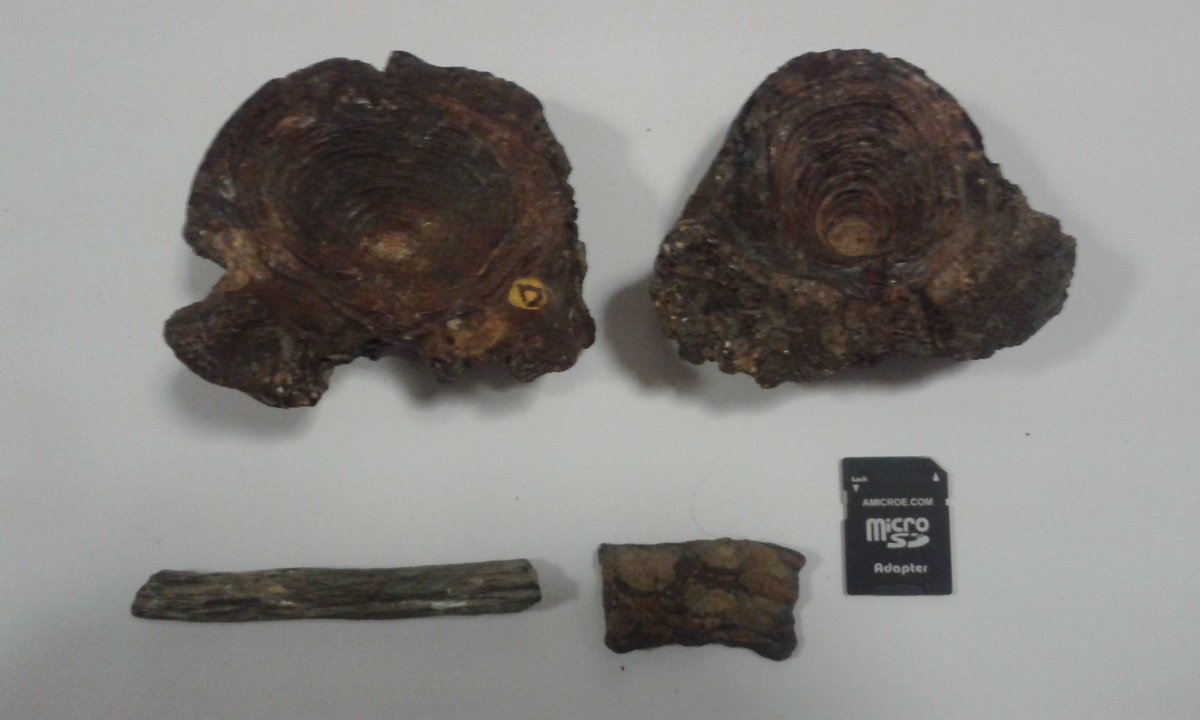
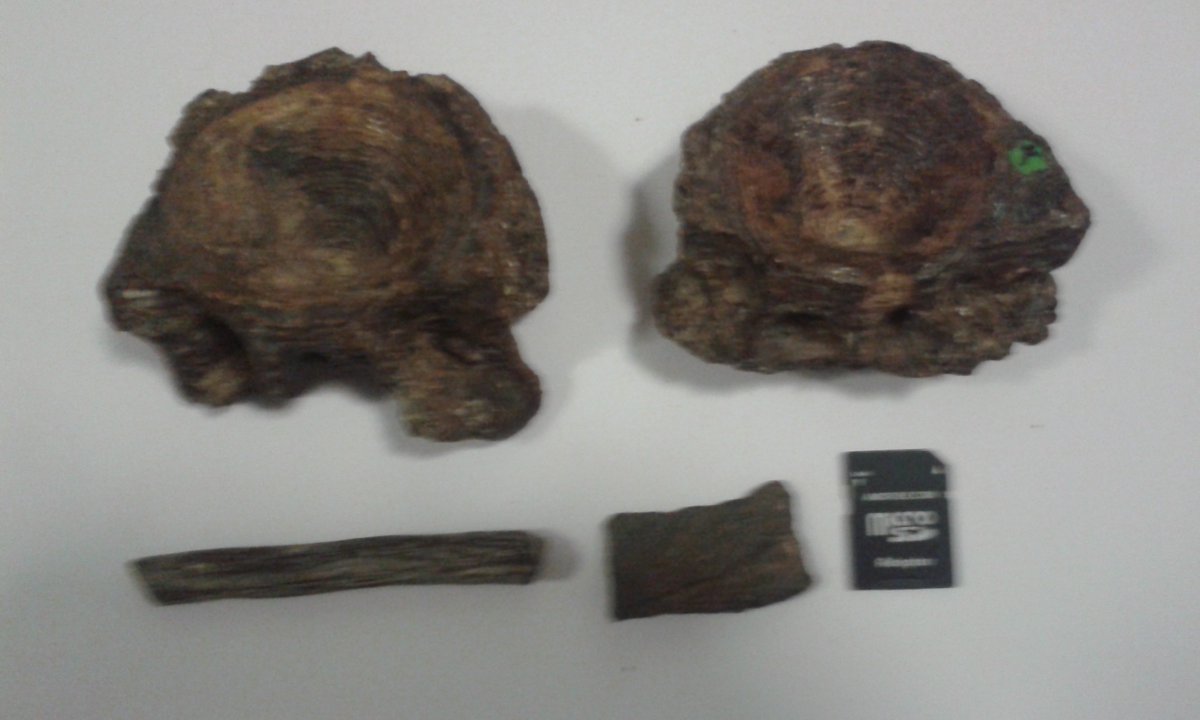
#Australia Giant telecost fish vertebra/ spike & Placoderm Plate #Devonian #aboriginal #History #artifacts #fossil #heritage #qldpol #auspol #Science #geology #paleontology #Discovery #ebook #books #authorscommunity https://t.co/vWyZNG24Ur
Most Popular Users

Elon Musk 
@elonmusk
240M followers

Barack Obama
@barackobama
118.6M followers

Cristiano Ronaldo
@cristiano
114.4M followers

Donald J. Trump
@realdonaldtrump
111.7M followers

Narendra Modi
@narendramodi
106.9M followers

Rihanna
@rihanna
98.6M followers

NASA
@nasa
92.1M followers

Justin Bieber
@justinbieber
91.7M followers

KATY PERRY
@katyperry
89.9M followers

Taylor Swift
@taylorswift13
83.9M followers

Lady Gaga
@ladygaga
75.4M followers

Virat Kohli
@imvkohli
73.3M followers

Kim Kardashian
@kimkardashian
70.8M followers

YouTube
@youtube
68.6M followers

Neymar Jr
@neymarjr
66.3M followers

Bill Gates
@billgates
65.2M followers

Selena Gomez
@selenagomez
63M followers

The Ellen Show
@theellenshow
62.1M followers

CNN
@cnn
61.7M followers

X
@x
60.6M followers