

Top Tweets for #dueCredit

@Rainmaker1973 Since you seem to be in the habit of copy-pasting, let me remind you, as this is from Bharat. The peaks were identified and labeled by @Kyangs_Thang, and the video source is @Satyamraj_in. Without their work, you wouldn’t have been able to spot a single one. #DueCredit


.@ericadamsfornyc Kudos to Mayor Adams and the NYPD for making the Trump Rally at MSG happen yesterday! I’m sure your city didn’t make it any easier for you.😉
#DueCredit
#NYC
#TrumpRally
@realDonaldTrump
https://t.co/VepRrSJ4wM

Tamannaah Bhatia lauds background dancers of 'Aaj Ki Raat', gives them due credit
#TamannaahBhatia #Actress #backgrounddancers #AajKiRaat #duecredit #Stree2 #YesPunjab
@tamannaahspeaks
https://t.co/A4doOe4Th4

#TREEGyan
A Series to create awareness about Indian #NativeTrees
Anyone can use this information with #DueCredit.
#PalashTree| #SacredTree| #FlameofForest
Scientific Name: Butea monosperma
Common name: Flame of the Forest, Palash, Dhank, Tesu, Chhula, Purasu
Height: Up to 15-20 meters in height.
Layer & Type: Tree Layer, Deciduous tree
Habitat: Found in different tarin including dry deciduous forests, grasslands, and rocky slopes.
Distribution: Southeast Asian countries such as India, Sri Lanka, Bangladesh, Nepal, Myanmar, Thailand, Cambodia, Vietnam, Malaysia, and Indonesia.
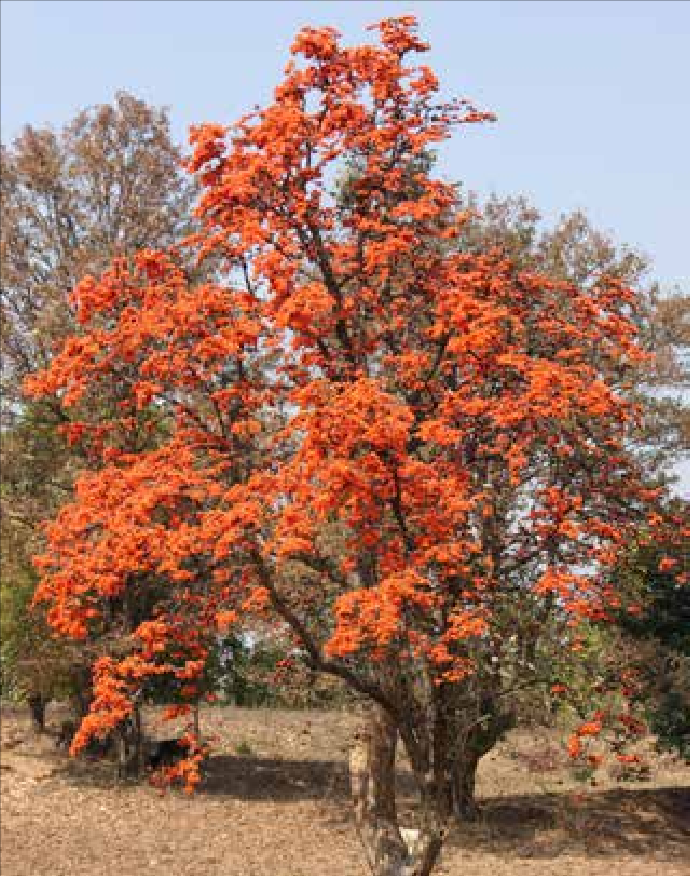
Flower colour and Flowering season: bright orange-red in color, resembling flames. January - April.
Propagation: Through seeds or stem cuttings.
Did You Know?
It is called The #BirdsMagnetand attracts 94 birds species belonging to 31 families either for feeding, roosting and nesting.
It is best replacement of exotic non-native tree #GulmoharTree (Delonix regia)
It is the state flower of Madhya Pradesh, Uttar Pradesh and Jharkhand.
Environmental/Biodiversity Benefits: It plays an important ecological role in supporting biodiversity. The tree provides food and habitat for various birds, insects, and pollinators. It also helps in soil conservation and acts as a nitrogen fixer, enriching the soil with nutrients.
Religious Importance and Associated Deities: Palash tree, holds significant religious and cultural importance in various regions of India. It is said that the tree is a form of Agni, the God of fire and war.
Palash has been mentioned as Brahma Swaroop (identical to Brahma) in scriptures. In later Vedic texts, Palāśa has been mentioned as Brahmavriksha.
Palāśa, the flame of forest is considered sacred because it has fulfilled the needs of mankind since ancient times. The flowers of this tree are offered to several Gods and Goddesses. They include Ganesha, Shiva, Vishnu, Surya, Lakshmi, Parvati etc. The leaves and sticks of Palāśa tree are used for purifying objects being used for Homa purposes.
Furthermore, in some regions, the palash tree is associated with the worship of the goddess Saraswati, who is revered as the deity of knowledge, wisdom, and arts. The tree's association with the goddess makes it a symbol of learning and education.
Associated Stories and Beliefs: In Manipur, there is an interesting cultural use of the wood of this tree with beautiful flowers - when a member of the Meitei community dies and, for some reasons, his body cannot be found, the wood of this tree is cremated in place of the body.
Tribals of Satpuda hill region in Nandurbar district of Maharashtra follow a practice in which, after a new harvest fresh rice cooked and mixed with "dal" and "ghee" is put on leaves of this tree and kept on the roof of the house to please the goddess of harvest (128).
Social benefits: Butea monosperma is valued for its cultural and aesthetic significance. It is often planted in parks, gardens, and along roadsides, enhancing the beauty of the surroundings and providing shade. The tree is also used in traditional craftwork, such as making dyes and natural colorants.
Emotional and psychological benefits and Importance: Beautiful palash flowers have pleasant effect in our mood. It is particularly prominent during the festival of Holi, also known as the festival of colors. The bright orange-red color of the palash flowers is used to make natural dyes, which are then used to playfully smear and sprinkle colors on people during Holi celebrations. The tree is therefore linked with numerous positive memories and continues to do so for numerous Indian populace.
Known hazards: There are no known hazards associated it. However, caution should be exercised when using any plant for medicinal purposes, and it is advisable to consult with a qualified healthcare professional.
Where to plant: It is well-suited for dry and hot regions. It can be planted in gardens, parks, or as part of reforestation and afforestation efforts in its native range.
Some more interesting facts:
· Flowers are offered to the local deity, Bommappan.
· Bark yields a dye.
· Roots are made into paint brushes by the local people.
· Bark yields good fiber.
· Leaves are much used for plates as wrappers and as fodder for buffaloes.
· Red kino gum is extracted from the trunk.
· Bark is used in herbal preparations.
· Flowers are specially used in the worship of Lord Shiva on occasion of Shivratri in Telangana.
· In most of the old namboodiri (Kerala Brahmin) houses, one can find this tree because this is
widely used for their fire ritual.
· It is used for timber, resin, fodder, medicine, and dye.
· Wood is dirty white and soft and, being durable under water, is used for well-curbs and water scoops.
· Good charcoal can be obtained from it.
· Leaves are usually very leathery and are not eaten by cattle.
· Leaves are used by street food sellers to serve food placed on the leaves.
· Flowers are used to prepare a traditional Holi color.
· It is also used as a dyeing color for fabric.
· This plant kills Mosquitoes. They are attracted by the smell and color of the flower. Eggs that are laid into the liquid within the flower will never hatch. Any mosquito that touches the fluid can never escape from it.
· Bark fibers are used for making cordage.
· Wood is used for well curbs and water scoop. It is a cheap board wood.
· Wood pulp is suitable for newsprint manufacturing.
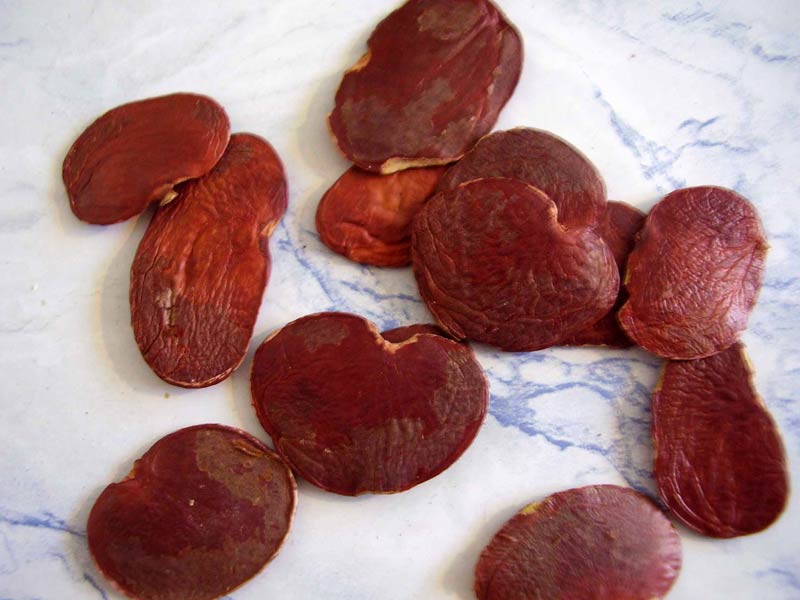
· The seed pods are flat and contain a single seed, which gives rise to the species name
"monosperma," meaning "one seed."
· Palash is a major source of shellac resin, a wonderful natural varnish obtained by breeding the
lac insect on pollarded host trees.
· A Bright ruby-red gum (called ‘Bengal kino’) oozes from incisions or wounds in the bark. Trees
are bled in May and June and the brittle gum is collected and sold as a dye and tanning
substance but also as an astringent drug mainly to treat diarrhoea.
· Palash tree yields a clear oil used as vermifuge.
· The leaves are extensively used to make bowls and plates by stitching them together.
· Roots fibbers are used to make rope, brushes etc.
Medicinal Uses: Various parts of Butea monosperma, including the leaves, flowers, and bark, have medicinal properties. In traditional medicine, it is used to treat various ailments such as leprosy, respiratory disorders, blood and digestive problems, skin diseases, and diabetes. The flowers are also used to prepare herbal dyes and cosmetics.
#PradeepTREEpathi #NativeTrees #NativeTree #NativeTreesofIndia #MiyawakiForest #VedicTrees #TreesofIndia #ClimateChange #Naturebase #NatureBasedSolutions #TreePlantation
#TREEGyan
A Series to create awareness about Indian #NativeTrees
Anyone can use this information with #DueCredit.
#PalashTree| #SacredTree| #FlameofForest
#ScientificName: Butea monosperma
#Common name: Flame of the Forest, Palash, Dhank, Tesu, Chhula, Purasu
#Height: Up to 15-20 meters.
#Layer & Type: Tree Layer, Deciduous tree
#Habitat: Found in different terrains including dry deciduous forests, grasslands, and rocky slopes.
#Distribution: Southeast Asian countries such as India, Sri Lanka, Bangladesh, Nepal, Myanmar, Thailand, Cambodia, Vietnam, Malaysia, and Indonesia.
#Flower colour and #Flowering season: bright orange-red in color, resembling flames. January - April.
#Propagation: Through seeds or stem cuttings.
#DYK?
It is called The #BirdsMagnetand attracts 94 birds species belonging to 31 families either for feeding, roosting and nesting.
It is best replacement of exotic non-native tree #GulmoharTree (Delonix regia)
It is the state flower of Madhya Pradesh, Uttar Pradesh and Jharkhand.
#Environmental/#Biodiversity Benefits: It plays an important ecological role in supporting biodiversity. The tree provides food and habitat for various birds, insects, and pollinators. It also helps in soil conservation and acts as a nitrogen fixer, enriching the soil with nutrients.
#ReligiousImportance and Associated #Deities: Palash tree, holds significant religious and cultural importance in various regions of India. It is said that the tree is a form of Agni, the God of fire and war.
Palash has been mentioned as Brahma Swaroop (identical to Brahma) in scriptures. In later Vedic texts, Palāśa has been mentioned as Brahmavriksha.
Palāśa, the flame of forest is considered sacred because it has fulfilled the needs of mankind since ancient times. The flowers of this tree are offered to several Gods and Goddesses. They include Ganesha, Shiva, Vishnu, Surya, Lakshmi, Parvati etc. The leaves and sticks of Palāśa tree are used for purifying objects being used for Homa purposes.
Furthermore, in some regions, the palash tree is associated with the worship of the goddess Saraswati, who is revered as the deity of knowledge, wisdom, and arts. The tree's association with the goddess makes it a symbol of learning and education.
#AssociatedStories and Beliefs: In Manipur, there is an interesting cultural use of the wood of this tree with beautiful flowers - when a member of the Meitei community dies and, for some reasons, his body cannot be found, the wood of this tree is cremated in place of the body.
Tribals of Satpuda hill region in Nandurbar district of Maharashtra follow a practice in which, after a new harvest fresh rice cooked and mixed with "dal" and "ghee" is put on leaves of this tree and kept on the roof of the house to please the goddess of harvest (128).
Social benefits: Butea monosperma is valued for its cultural and aesthetic significance. It is often planted in parks, gardens, and along roadsides, enhancing the beauty of the surroundings and providing shade. The tree is also used in traditional craftwork, such as making dyes and natural colorants.
#Emotional and #Psychological benefits and Importance: Beautiful palash flowers have pleasant effect in our mood. It is particularly prominent during the festival of Holi, also known as the festival of colors. The bright orange-red color of the palash flowers is used to make natural dyes, which are then used to playfully smear and sprinkle colors on people during Holi celebrations. The tree is therefore linked with numerous positive memories and continues to do so for numerous Indian populace.
#Where to plant: It is well-suited for dry and hot regions. It can be planted in gardens, parks, or as part of reforestation and afforestation efforts in its native range.
More #InterestingFacts:
· Flowers are offered to the local deity, Bommappan.
· Bark yields a dye.
· Roots are made into paint brushes by the local people.
· Bark yields good fiber.
· Leaves are much used for plates as wrappers and as fodder for buffaloes.
· Red kino gum is extracted from the trunk.
· Bark is used in herbal preparations.
· Flowers are specially used in the worship of Lord Shiva on occasion of Shivratri in Telangana.
· In most of the old namboodiri (Kerala Brahmin) houses, one can find this tree because this is
widely used for their fire ritual.
· It is used for timber, resin, fodder, medicine, and dye.
· Wood is dirty white and soft and, being durable under water, is used for well-curbs and water scoops.
· Good charcoal can be obtained from it.
· Leaves are usually very leathery and are not eaten by cattle.
· Leaves are used by street food sellers to serve food placed on the leaves.
· Flowers are used to prepare a traditional Holi color.
· It is also used as a dyeing color for fabric.
· This plant kills Mosquitoes. They are attracted by the smell and color of the flower. Eggs that are laid into the liquid within the flower will never hatch. Any mosquito that touches the fluid can never escape from it.
· Bark fibers are used for making cordage.
· Wood is used for well curbs and water scoop. It is a cheap board wood.
· Wood pulp is suitable for newsprint manufacturing.
· The seed pods are flat and contain a single seed, which gives rise to the species name
"monosperma," meaning "one seed."
· Palash is a major source of shellac resin, a wonderful natural varnish obtained by breeding the
lac insect on pollarded host trees.
· A Bright ruby-red gum (called ‘Bengal kino’) oozes from incisions or wounds in the bark. Trees
are bled in May and June and the brittle gum is collected and sold as a dye and tanning
substance but also as an astringent drug mainly to treat diarrhoea.
· Palash tree yields a clear oil used as vermifuge.
· The leaves are extensively used to make bowls and plates by stitching them together.
· Roots fibbers are used to make rope, brushes etc.
#Medicinal Uses: Various parts of Butea monosperma, including the leaves, flowers, and bark, have medicinal properties. In traditional medicine, it is used to treat various ailments such as leprosy, respiratory disorders, blood and digestive problems, skin diseases, and diabetes. The flowers are also used to prepare herbal dyes and cosmetics.
#Known hazards: There are no known hazards associated it. However, caution should be exercised when using any plant for medicinal purposes, and it is advisable to consult with a qualified healthcare professional.
#PradeepTreepathi #NativeTrees #FlameofForest #Palash #NativeTree #VedicTrees


#TREEGyan
A series to create awareness about #NativeTrees
Anyone can use this information with #DueCredit.
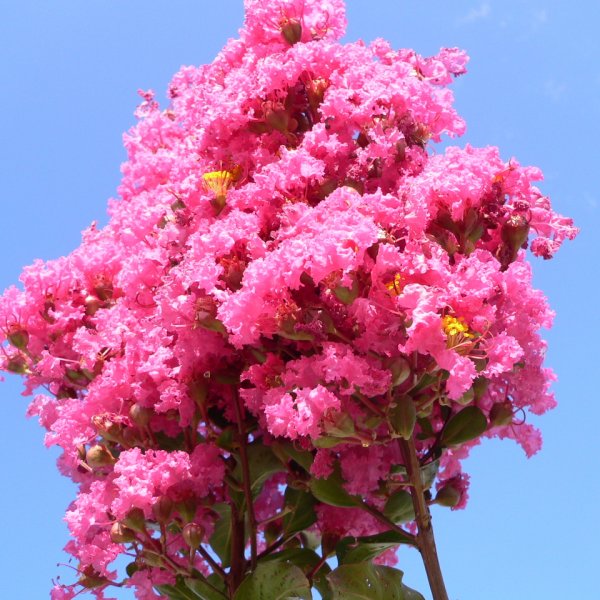
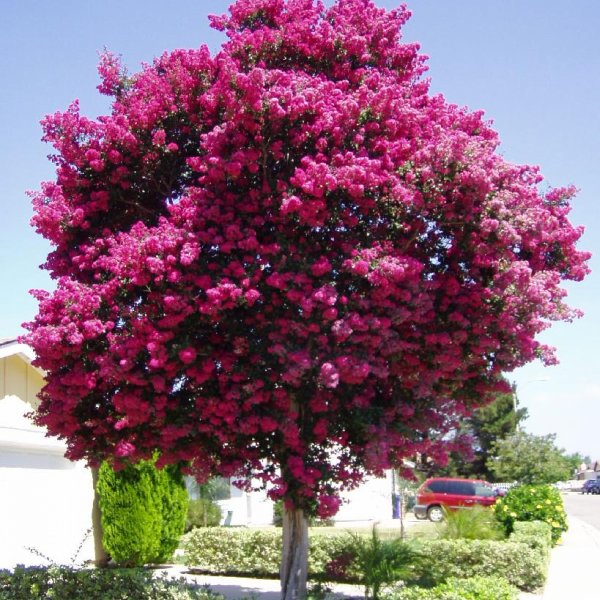
1. COMMON NAME: #JARUL, #TAMAHN
SCIENTIFIC NAME: Lagerstroemia Indica
OTHER LOCAL NAMES Pride of India, Saoni, Taman | HEIGHT: Upto 10m-20m
LAYER: Shrub, Sub-tree| TYPE: Deciduous, perennial, seed propagated, woody.
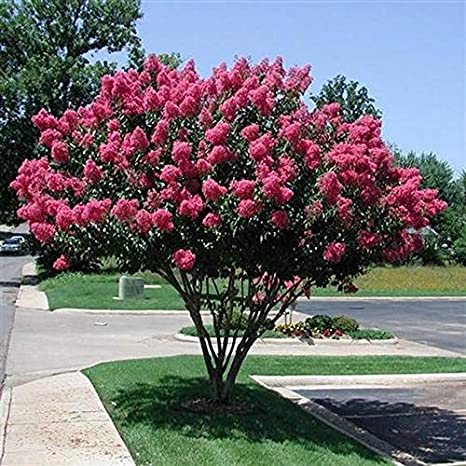
FLOWER COLOUR AND FLOWERING : White/Pink, flowers in summer, April-May.
The crape myrtle (also��crepe myrtle, crêpe myrtle, or crepeflower) is a species of flowering plant in the genus #Lagerstroemia of the family Lythraceae.
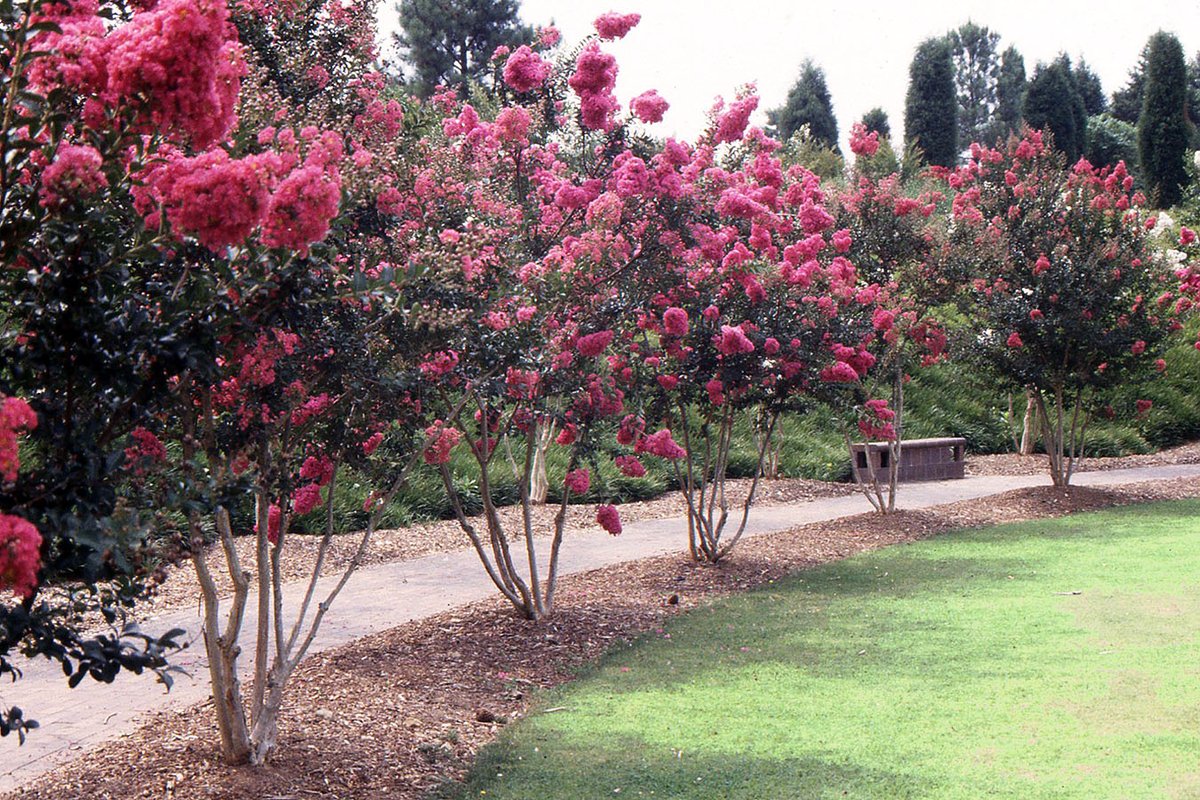
It is native to the Indian Subcontinent and also to Southeast Asia, China, Korea and Japan. It is an often multi-stemmed, deciduous tree with a wide spreading, flat topped, rounded, or even spike shaped open habit. The tree is a popular nesting shrub for #songbirds and wrens.
In the United Kingdom, It has gained the #RoyalHorticultural Society’s Award of Garden Merit.
HABITAT: Naturally it grows mostly is moist habitat, along riverbeds and is a good tree to plant in areas which face water-logging conditions.
DISTRIBUTION: Throughout India, Southeast Asia, invasive in Costa Rica, Virgin Islands.
The species is widely cultivated as ornamental throughout the world, and has become invasive in some countries
PROPAGATION: The seed are chiefly dispersed by the winds, birds and small mammals also play a role in seed dispersal.
MEDICINAL USES: Seeds have narcotic properties. In Manipur, flowers and leaves are used as purgatives. Bark is stimulant and febrifuge (fever removing) Roots are astringent and used as gargle.
ENVIRONMENTAL/BIODIVERSITY BENEFITS: The flowers mainly attract butterflies and other insects, the fruits attract several bird’s species like parakeets, bulbuls, and orioles. Invertebrate food for silkworm.
OTHER USES: Animal fodder, source for gum and resin, Land reclamation, erosion control.
WHERE TO PLANT: The plant is a good fit to plant in low lying areas which face water-logging problems, at the same time it should be avoided in dry areas as it can take up all the water.
Can be grown in areas polluted by heavy metals the plant has been shown to concentrate several of these metals in its tissues, either as a means of removing these metals or as a means of locking them up and helping to restore the fertility of the soil.
PROS AND CONS
1. It also has good soil holding capacity and can be planted on edges of cliffs as well.
2. It has a high potential for use in phytoremediation projects.
3. The dense and wide-spreading root systems which make it useful for planting in erosion control projects.
4. It can absorb large amount of water.
5. It is not drought tolerant.
EMOTIONAL IMPACT
A very pleasant and attractive looking tree, especially in flowering season, looking beautiful with bright green leaves and a crown of pink flowers.
Images Credit: Google (Ask for credit)
#PradeepTreepathi #NativeTrees #FlameofForest #Palash #NativeTree #VedicTrees


#TREEGyan
A Series to create awareness about Indian #NativeTrees
Anyone can use this information with #DueCredit.
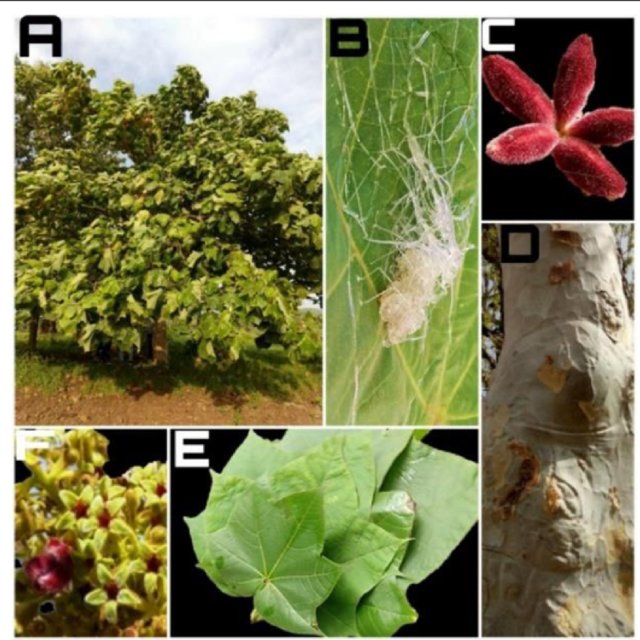
#GhostTree
COMMON NAME: GHOST TREE
SCIENTIFIC NAME: Sterculia Urens
HINDI/MARATHI AND OTHER LOCAL NAMES: Gum karaya, kulu, kogdol, katira, sterculia gum or kateera gum
HEIGHT: 15m: LAYER: Tree: TYPE: Deciduous
FLOWER COLOR & SEASON: Flowers are greenish yellow in color, flowering between Dec-March.
DISTRIBUTION: Indigenous to India, South Asia and Southeast Asia. It is found in tropical and subtropical regions, growing in a variety of habitats, including forests, woodlands, and savannas.
The tree is drought-tolerant and prefers well-drained soils with good fertility. It can tolerate a wide range of soil types, from sandy to loamy, and can grow in acidic, neutral, or alkaline soils.
Sterculia urens is also known for its ability to grow in harsh environmental conditions, such as arid and semi-arid regions. It can grow in areas with an annual rainfall of 300-2500 mm, with an optimum range of 1000-2000 mm.
It is also found in urban areas as an ornamental tree, thanks to its attractive foliage and colorful flowers.
Why it is called ghost tree?
It is called the "ghost tree" because of its distinctive, smooth white bark that appears ghostly in the moonlight. White bark can give the tree an eerie, otherworldly appearance at night, especially when the moon is shining on it.
Additionally, some people believe that the tree is haunted or inhabited by ghosts or spirits, which may be another reason why it has been given this nickname. However, this belief is based on superstition and has no scientific basis.
Medicinal Properties:
1. Anti-inflammatory: The bark of Sterculia urens has been traditionally used as an anti-inflammatory agent. It has been used to treat various inflammatory conditions, such as arthritis and rheumatism.
2. Antioxidant: Sterculia urens contains high levels of antioxidants, which can help to protect the body against oxidative stress and prevent cellular damage.
3. Digestive: The bark and fruit of Sterculia urens have been used in traditional medicine to treat various digestive disorders, such as diarrhea and dysentery.
4. Antimicrobial: Studies have shown that extracts from the bark and fruit of Sterculia urens have antimicrobial properties. They can help to inhibit the growth of various types of bacteria and fungi.
5. Wound healing: The bark of Sterculia urens has been traditionally used to promote wound healing. It can help to reduce inflammation and promote the growth of new tissue.
Key Environmental benefits:
1. Carbon sequestration: Like all trees, Sterculia urens absorbs carbon dioxide from the atmosphere and stores it in its biomass through the process of photosynthesis. This helps to reduce the concentration of greenhouse gases in the atmosphere, mitigating the effects of climate change.
2. Soil improvement: The leaves and branches of the Sterculia urens tree can be used as green manure, providing organic matter and nutrients to the soil as they decompose. Additionally, the tree's deep roots can help to break up compacted soil, improving water penetration and aeration.
3. Biodiversity: Sterculia urens tree has a positive impact on biodiversity as it provides habitat and food for a range of wildlife, including birds, insects, and mammals. The tree is known to attract a variety of bird species that feed on its fruits, including barbets, parakeets, and bulbuls. The tree's flowers also attract pollinators such as bees and butterflies, which are important for maintaining plant diversity in the ecosystem.
4. Water conservation: The deep roots of the Sterculia urens tree help to prevent soil erosion and retain water in the soil, reducing runoff and conserving water resources.
5. Air purification: Sterculia urens, like all trees, helps to purify the air by absorbing pollutants and releasing oxygen. This can help to improve air quality and reduce respiratory illnesses and other health problems associated with poor air quality
Economical Benefits:
1. Food and nutrition: The nuts of the Sterculia urens tree are edible and have a high nutritional value. They are rich in protein, fat, and carbohydrates, and can be used as a food source in times of scarcity.
2. Timber: The wood of the Sterculia urens tree is used for a variety of purposes, including construction, furniture, and carvings. It is strong, durable, and resistant to termites and decay.
3. Industrial: The oil extracted from the seeds of Sterculia urens can be used for making soap and candles. The wood of the tree is also used for making furniture and construction materials.
4. Cosmetic: The oil from Sterculia urens is used in cosmetic products such as lotions, creams, and soaps due to its moisturizing and emollient properties.
Karaya Gum:
It is a natural gum is obtained the stem. It is a polysaccharide composed of galactose, rhamnose, and galacturonic acid. Karaya gum has various commercial applications, such as:
Food Industry: Karaya gum is used as a thickening agent, stabilizer, and emulsifier in various food products, including ice cream, yogurt, salad dressings, and canned soups.
Pharmaceutical Industry: Karaya gum is used as an excipient in pharmaceutical formulations. It is used as a binder, disintegrant, and controlled-release agent in tablets and capsules.
Cosmetics Industry: Karaya gum is used in cosmetic products such as creams, lotions, and shampoos as a thickening agent and emulsifier.
Industrial Applications: Karaya gum is used as a binder in the manufacturing of carbon black pellets and in the production of water-based paints and adhesives.
Medical Applications: Karaya gum has potential medical applications as a wound dressing and in drug delivery systems due to its biocompatibility and mucoadhesive properties.
Sterculia urens, also known as Indian Almond or the Bengal almond, has various medicinal properties. Some of these properties include:
Anti-inflammatory: Sterculia urens has anti-inflammatory properties and is used in traditional medicine to treat various inflammatory conditions such as arthritis and joint pain.
Laxative: The bark and seeds of Sterculia urens have laxative properties and are used to treat constipation and other digestive disorders.
Wound healing: The leaves of Sterculia urens are used in traditional medicine to treat wounds and promote wound healing.
Antimicrobial: Sterculia urens has antimicrobial properties and is used in traditional medicine to treat various microbial infections such as bacterial and fungal infections.
Respiratory ailments: The bark and leaves of Sterculia urens are used to treat respiratory ailments such as coughs, colds, and bronchitis.
Skin disorders: Sterculia urens is used to treat various skin disorders such as eczema, psoriasis, and acne due to its anti-inflammatory and antimicrobial properties.
Anti-diabetic: Sterculia urens has hypoglycemic properties and may be beneficial in managing diabetes.
In conclusion, Sterculia urens has various medicinal properties and is used in traditional medicine to treat various ailments. However, more research is needed to determine its efficacy and safety for use in modern medicine. It is important to consult a healthcare professional before using Sterculia urens for any medical purposes.
#PradeepTreepathi #VedicTrees #NativeTrees #NativeTree #NativeTreesofIndia


@ANI Finally... @narendramodi has given the #DueCredit to the #First Prime Minister of #India !!! #NetajiStatue #NetajiSubhashChandraBose


#Pakistani terrorists operating in Kashmir valley are using fake Aadhaar cards to conceal their identity in a bid to evade arrest by police and other security agencies.
Read more:
https://t.co/NQ1hM2hnvY

Starting #TREEGyan Series to create awareness about #NativeTrees
Anyone can use this information with #DueCredit.
1. #JARUL
The crape myrtle is a species of flowering plant in the genus #Lagerstroemia of the family Lythraceae.
Full Details on: https://t.co/48K1WXQw2K



@StorgaardMikkel @SociologenHD Nårh, lidt udlændinge- og velfærdsstramninger er det da også blevet til i tidens løb, så lidt andet har de da udrettet. #duecredit

उसी ज़मीन पर खड़े होकर देश की नीव को ही खोदने लगे ... !
#boycotttukadetukadegang
#aligarhmuslimunversity
#duecredit
#amulease
#amunamechange


Is there a site that tracks who actually broke specific news stories? #journalism #breaking #duecredit

“Pride comes before destruction, and an arrogant spirit before a fall.”
Proverbs 16:18 HCSB
Our identity must be found in The Creator because His grace and mercy provide us with rich blessings. When you accomplish great things, who do you praise? #DueCredit #GodProvides

@malkhedkar @IRSAssociation @PMOIndia @FinMinIndia @nsitharaman Shayad ab saheb ye service ko / contribution ko acknowledge kar de 😝 🙊🙈🙉 #dueCredit

I Make People Famous. #DueCredit @BCW_Wrestling_
@BriiCombination #BCW #WorldHeavyweightChampion #TheKickHeardAroundTheWorld #5thDefense https://t.co/7N0HtU4JPN

#New #IFMVideo
@BCW_Wrestling_
ERIC JAYDEN @followthebadguy vs
BCW CHAMP @MrDariusCarter
#IndustryFixx
https://t.co/YekxZtm1RE


@TruthAlwaysWin4 @NinzyZ28 @JButing @Ken723Ken @ZellnerLaw It must be said- B&S laid out a damned good roadmap of what happened. Their Motion even named the very suspects she’s onto.
Some of the most helpful info has come about only w/ the passage of time.
So without their original work- none of this is possible today. #duecredit

Great, unforgettable comment by the irreplaceable Carl Sagan..
#DueCredit

@TheRickWilson To be fair, if the plan was to bring down Russia, China, transnational organized crime, his own political allies and himself in the most agonizing and humiliating way possible, it's proceeding masterfully.
#DueCredit
Last Seen Hashtags on Sotwe
momson teenage*
Seen from United Kingdom
デストロイクルー
Seen from United Kingdom
snotfetish
Seen from United States
emotwt
Seen from United States
pissvids
Seen from Turkey
眼鏡美女
Seen from Korea
monkeyapp
Seen from United States
awekvairal
Seen from Malaysia
นัดเย็ดมทส
Seen from Thailand
Drawtober2025
Seen from United States
Something went wrong.