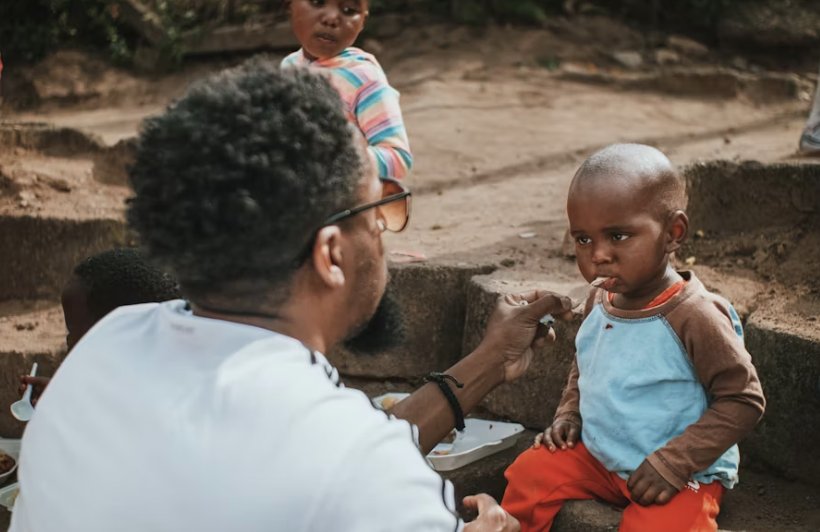
The key driver of this study is themed under the preliminary findings that indicate teenage parenthood as an issue which constitutes a global public health challenges predominantly affecting low and middle income countries.
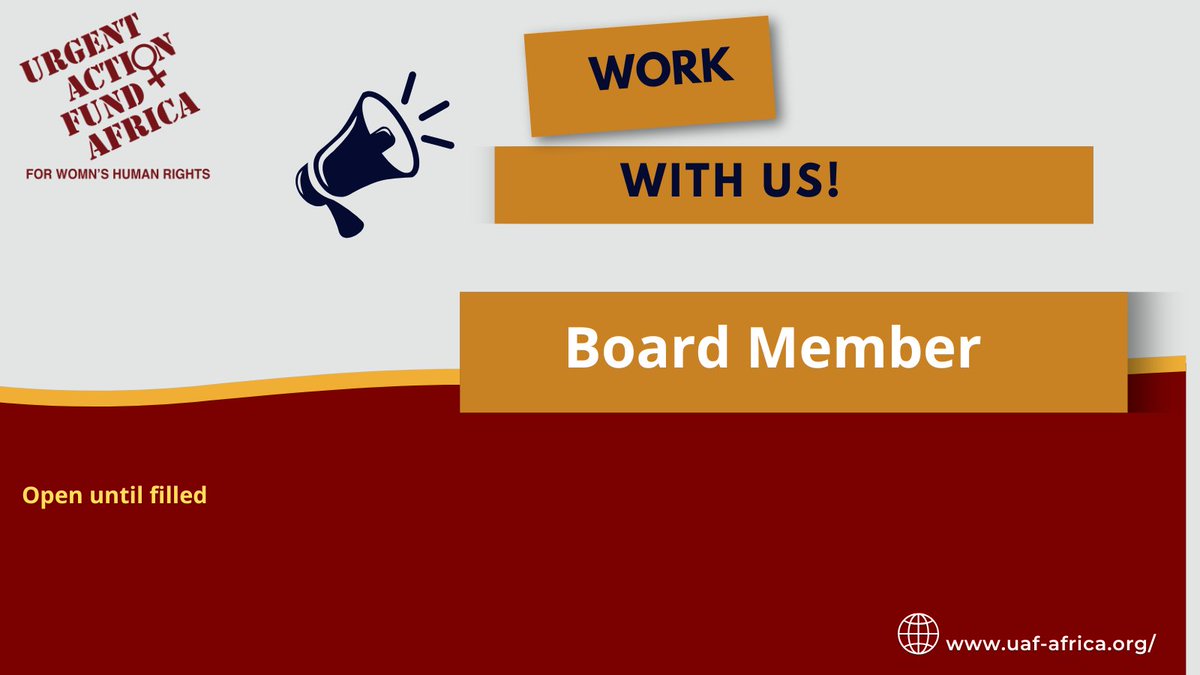
We are looking for a Dynamic Feminist & Women’s Rights Advocate!
Join Our Board of Directors today.
Follow this link for more details: https://t.co/SxzUhMY0n9
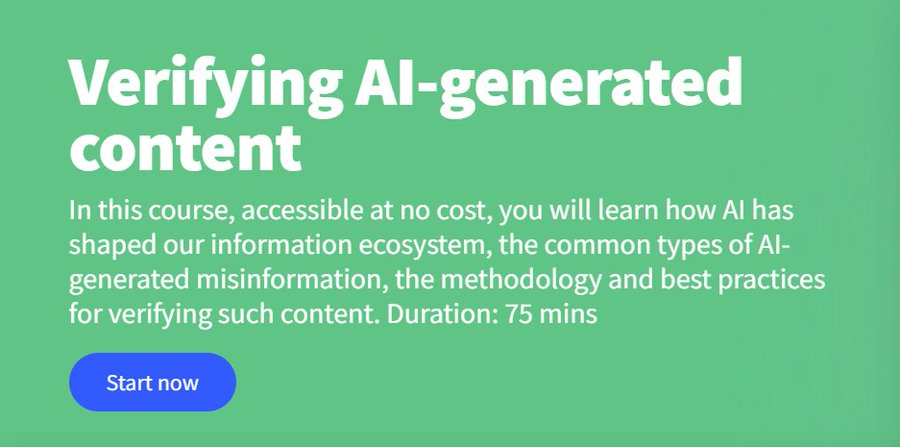
📢 Calling all journalists: if you want to learn how to identify and verify AI-generated content, @AFP has launched a new, open-access online course!
It takes about an hour and includes plenty of case studies and exercises.
Find it here: https://t.co/KmFcleguzP
I visited a friend who had just given birth in the hospital. She had just woken up, so I joked that the baby must have kept her awake all night.
She smiled and said, “No, he slept all through the night.”
Her MIL advised her not to wake him, so he could “learn” to sleep at night.
I immediately asked her to put him to breast, but something was wrong. He wasn’t crying, sucking and barely moved. When I touched him, his body felt cold.
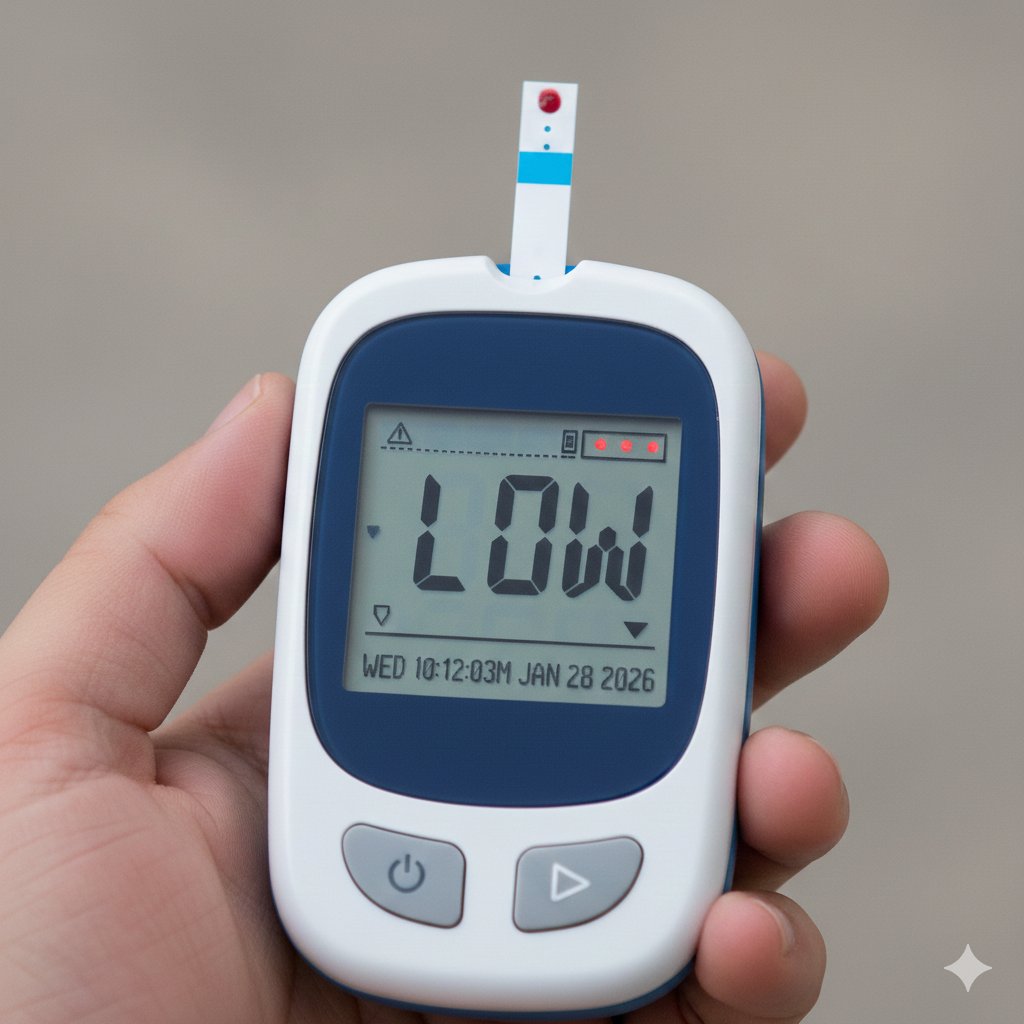
I raised an alarm, the nurses rushed in. His blood sugar was dangerously low.
This baby wasn’t calm, he had hypoglycemia and was shutting down. Urgent attention saved his life.
Newborns don’t always cry when they’re in danger. Sometimes, they become quiet.
Low blood sugar in newborns is life-threatening and often silent.
Watch out for these danger signs:
⚠️ Too sleepy or hard to wake for feeds
⚠️ Poor or no sucking
⚠️ Cold body, hands, or feet
⚠️ Weak or absent cry
⚠️ Little or no movement
❗This is NOT a “good” or “peaceful” baby.
❗Newborns must feed frequently, day and night.
❗Do NOT delay feeds to train a newborn.
If you notice these signs, go to the hospital immediately.
Early feeding and urgent treatment save lives.💝
I’m excited and honored to bring you volume 5 of WalkTalkConnect.
This is a compilation of stories from walk number 401 to 500.
It also contains articles from people who have walked with me. It also features stories by Catherine Kasozi-Opondo who is one of the global WTC ambassadors!
While I post each of my walks as individual stories, every time I walk, the compilation is my way of bringing all the stories together.
Thank you to each and every person I’ve walked with and to all of you who read my stories.
As @Akeda4 said - on to the next 500! 🙆🏾♀️😊🙏🏾
#WalkTalkConnect
https://t.co/PGTMYXMXi1
Episode 4 is here!
From Policy to Community: Who is Responsible for Uganda’s Children?
We unpack what it really means to protect and invest in Uganda’s youngest generation — from government policy to parental roles and community action.
#ECDAwarenessUG#ECDBeyondPolicy
Walking, talking and reimagining our fight for clean air.
Yesterday, our team at Public Square came together for a refreshing group walk. It wasn't just about the distance, it was a chance to catch up on the incredible progress of our #KampalaBreathes campaign and chart our course for the future.
As we moved along our route from Kisementi to Mulago and Kyebando, meeting various commuters, school children inclusive, The readings revealed that three-quarters of our walk took place with moderate air quality. However, about a quarter of the route was deemed unhealthy or very unhealthy for sensitive groups (like children) and even for healthy adults. This data brings home the reality that the threat of poor air quality is a constant challenge, even in the course of a single journey through our city.
It was a powerful reminder of the commitment of citizen scientists and everyone working tirelessly to raise awareness about air quality.
The energy was high as we discussed our next steps from expanding our data collection efforts to amplifying our advocacy for policy changes.
In agreement that this journey is a marathon, not a sprint, and we're grateful for every step we take together.
Let's discuss in the comments, What do you think the next major move should be in the fight for cleaner air?
#KampalaAirQuality
#CitizenScienceUG
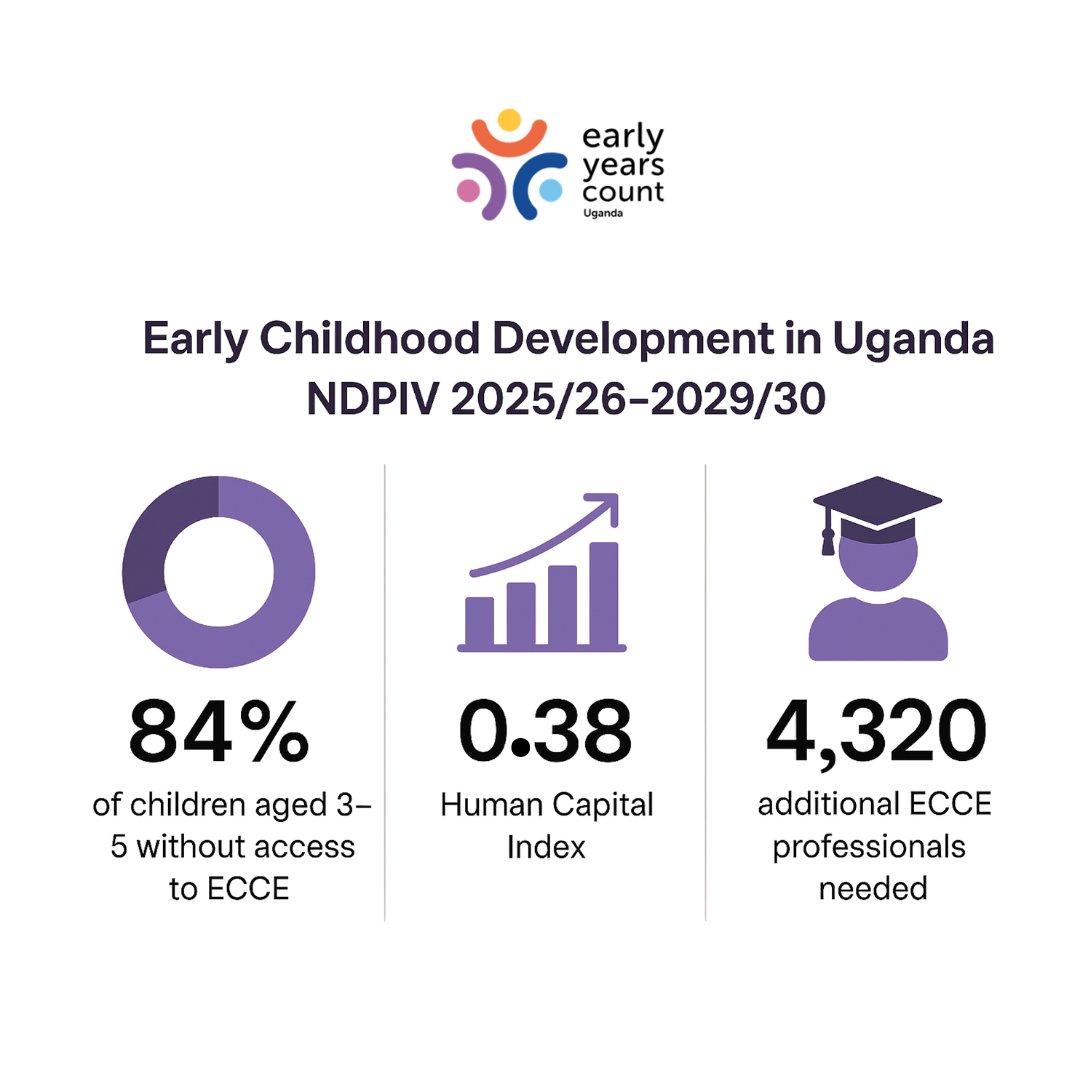
🚨 84% of Uganda’s 🇺🇬 children aged 3-5 lack access to Early Childhood Education.
We need:
➡️ 4,320 more trained #ECCE professionals
➡️ Raise our Human Capital Index: 0.38
Without early investment, Uganda risks stunted potential.
Read the NDPIV> https://t.co/mVnBPUUHLN
1/2
Yesterday, our team joined hands in a medical outreach at the Old Taxi Park, delivering free health consultations and essential medical services to over 500 individuals.
At the heart of our mission is a firm belief that health is the bedrock of socio-economic transformation.
📢 Mukami Kariuki, @WorldBank Uganda 🇺���� acknowledges that a nation’s future is built in the early years.
We champion #ECD for a skilled, healthy, productive Uganda.
The growth we seek starts with the investments we make today. #ECDworks #EarlyYearsCount
@WBG_Education
📣@ngoforum under the auspices of the CSO Core Reference Group on SDGs is organizing a CSO – Government Public Dialogue to create awareness of the #ARFSD11 among Civil Society, Government, Academia, Private Sector, and the General Public.
🗓️Wednesday, 2nd April 2025
⏲️ 8:00 am - 1:00 pm EAT
🔗Join us online here> https://t.co/IJxA2wU36c
Over the past three years at @HummingbirdUg, we have worked tirelessly to provide life-changing healthcare services while reaching thousands of individuals in last-mile and underprivileged communities. Through various initiatives, we have fostered healthier, more resilient societies by ensuring access to essential medical care, health education, and empowerment programs that promote social and economic well-being.
Today as the Executive Director of @HummingbirdUg, I’m honored to join fellow youth-led organizations for a capacity-building program for CSOs, organized by @FarajaAfricaFdn and @giz_uganda in Apac. This is an incredible opportunity to exchange ideas, strengthen collaborations, and amplify our collective impact in advancing healthcare access and sustainable community development. Looking forward to insightful discussions and valuable learning experiences!
#HealthForAll #CommunityEmpowerment #YouthLeadership #SustainableImpact
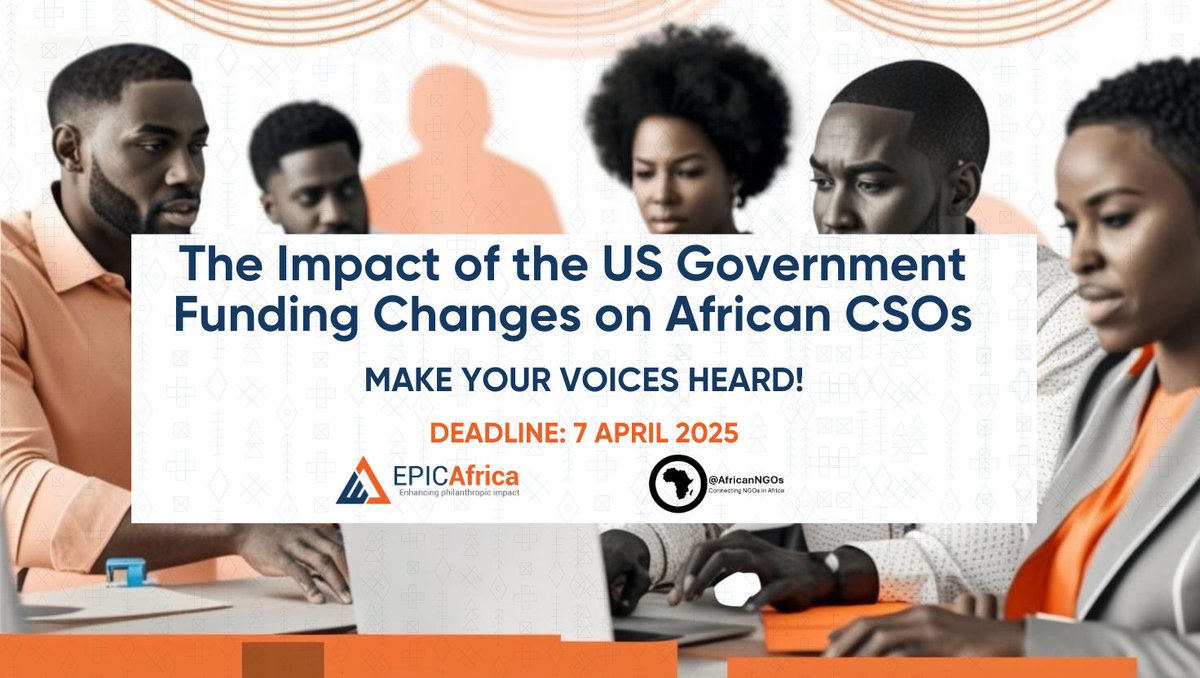
Calling all African NGOs – has your work been impacted by the US government’s funding cuts? Participate in the @AfricanNGOs & EPIC-Africa survey to share your experiences and make your voices heard! Deadline: 7 April 2025 https://t.co/xhhoJ3AgzT
🌱🥦At the #N4GParis Summit, our Early Years Associate, @MbabaziAnna1412, joined a panel on advancing local solutions for the prevention & treatment of malnutrition.
✅ Local innovations = Stronger food systems
✅ Investing in grassroots = Lasting impact
Let’s scale local action
🌟Check out our latest LinkedIn article on what’s next for Uganda’s youngest! With just 38% of 3-5-year-olds in pre-primary school, we’re dreaming big, fueled by a 6.2% GDP growth projection for 2025!
Dive in➡️https://t.co/tOgcFlo3v2
#EarlyYearsCount@WorldBankAfrica@UNICEF
🌍Last week, we hosted over 40 participants from Sri Lanka🇱🇰, India🇮🇳, Indonesia🇮🇩, Colombia🇨🇴, Brazil🇧🇷, South Africa🇿🇦, The Gambia🇬🇲, Burkina Faso🇧🇫, Tanzania🇹🇿, Kenya🇰🇪, Cambodia🇰🇭, Nepal🇳🇵, Ethiopia🇪🇹, Ghana🇬🇭, The Netherlands🇳🇱, and Uganda🇺🇬 for an inspiring convening of the @CTGAcademy Alliance to exchange insights, celebrate progress, and strengthen our collective impact.
Since 2015, we have been equipping grassroots organizations with the knowledge, skills, and networks to mobilize local resources and advocate for sustainable change.
💡So, what did we learn?
🔹 Local fundraising works; when communities take the lead, change is not only possible but deeply rooted.
🔹 Working as a collective is powerful; collaboration amplifies our efforts, enabling us to drive sustainable change together.
🔹 We are changemakers; beyond gaining skills, our participants become part of a movement that shifts power and redefines development.
🔹 Context matters: our training is delivered in multiple languages and tailored to societal realities, ensuring real impact.
🔹 A movement, not just a program; with over 4000 organizations trained and 25,000+ online learners, over the past 10 years, we're building a global community of changemakers who support each other beyond the classroom.
✨What sets Change the Game Academy apart?
We believe in #shiftingpower. Our approach prioritizes local ownership, ensuring that organizations can mobilize their resources, build resilience, and drive the change they envision; on their terms.
The journey doesn’t stop here! We continue to learn, innovate, and grow together.
In this article, @moses_mulindwa highlights the significant challenges Uganda faces as it strives to achieve its ambitious goal of growing GDP tenfold by 2040. Uganda’s five-year election cycle often triggers political uncertainty that disrupts business activity, discourages foreign investment, and undermines GDP growth. For example:
📌During the 2021 elections, the Uganda Securities Exchange recorded a 56% drop in quarterly turnover, while foreign direct investment declined by 12.4%.
📌The tourism sector, a vital revenue source, faces setbacks from travel advisories during election periods.
📌Inflation, currency depreciation, and fiscal imbalances follow suit, as seen during the 2011 election, where inflation rose to 18.8% and GDP growth fell to 4.1%.
As we approach the 2026 elections, this pattern risks repeating itself, further derailing our long-term growth aspirations.
What Needs to Change?
To achieve a stable and thriving economy, stakeholders must prioritize:
✔️ Electoral transparency and reforms to reduce political tensions.
✔️ Strengthening investor confidence by ensuring a stable political climate.
✔️ Addressing triggers of violence and reevaluating the role of the military in elections.
Time is running out, and reforms must be discussed before the next election cycle. Without these steps, Uganda’s 2040 dream may remain just that; a dream.
🔗https://t.co/gk2XsYItLc
💬 What reforms do you think are necessary to balance electoral processes and economic growth? Share your thoughts below!