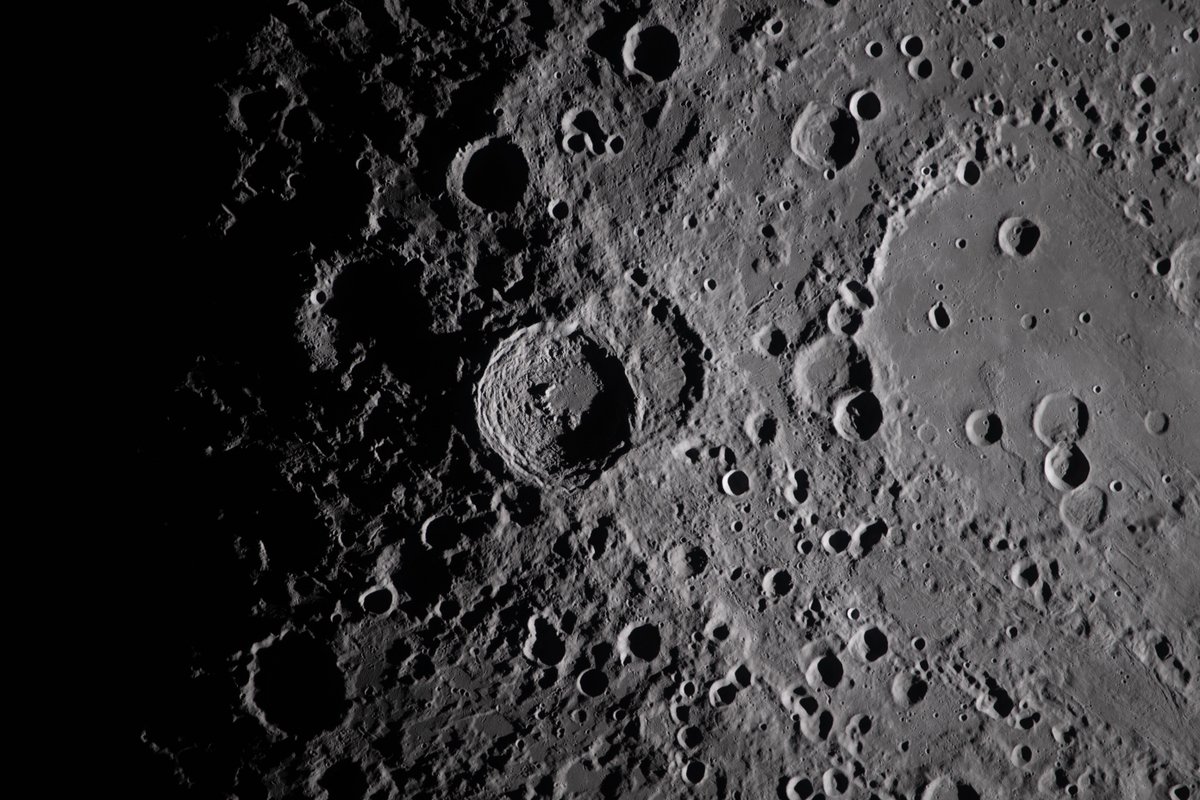
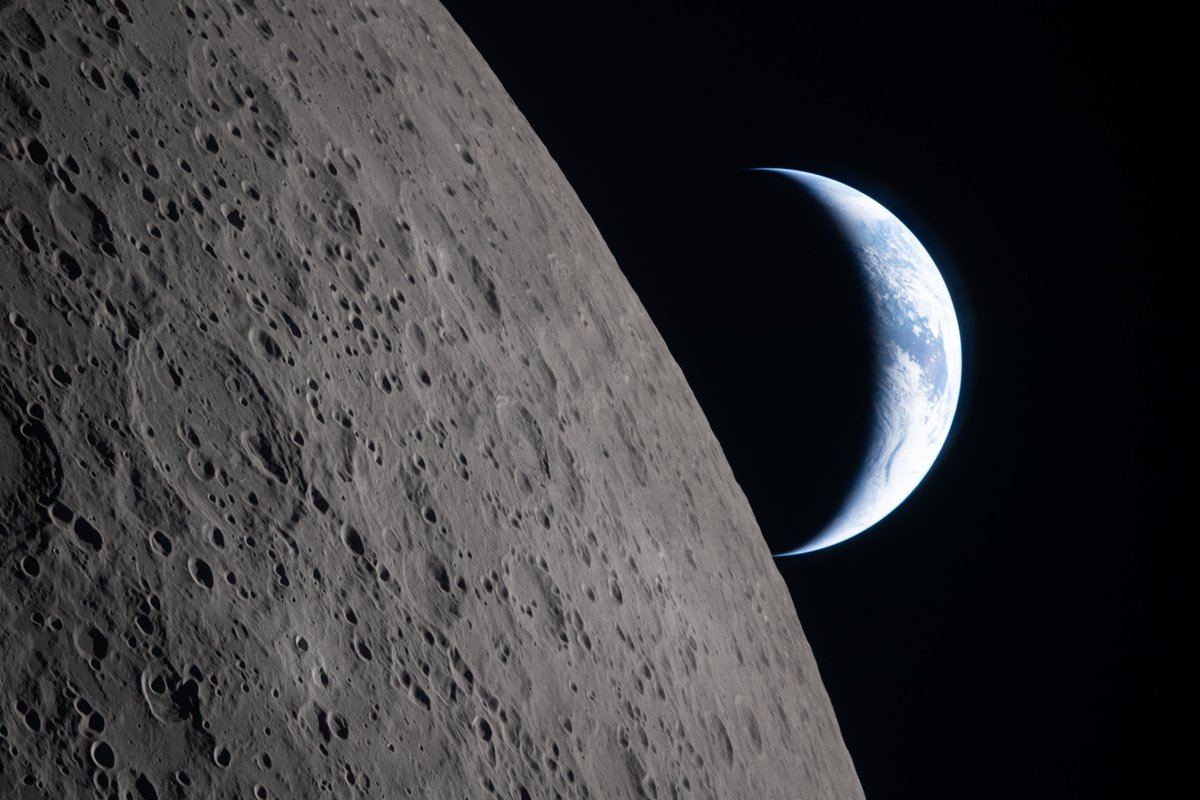
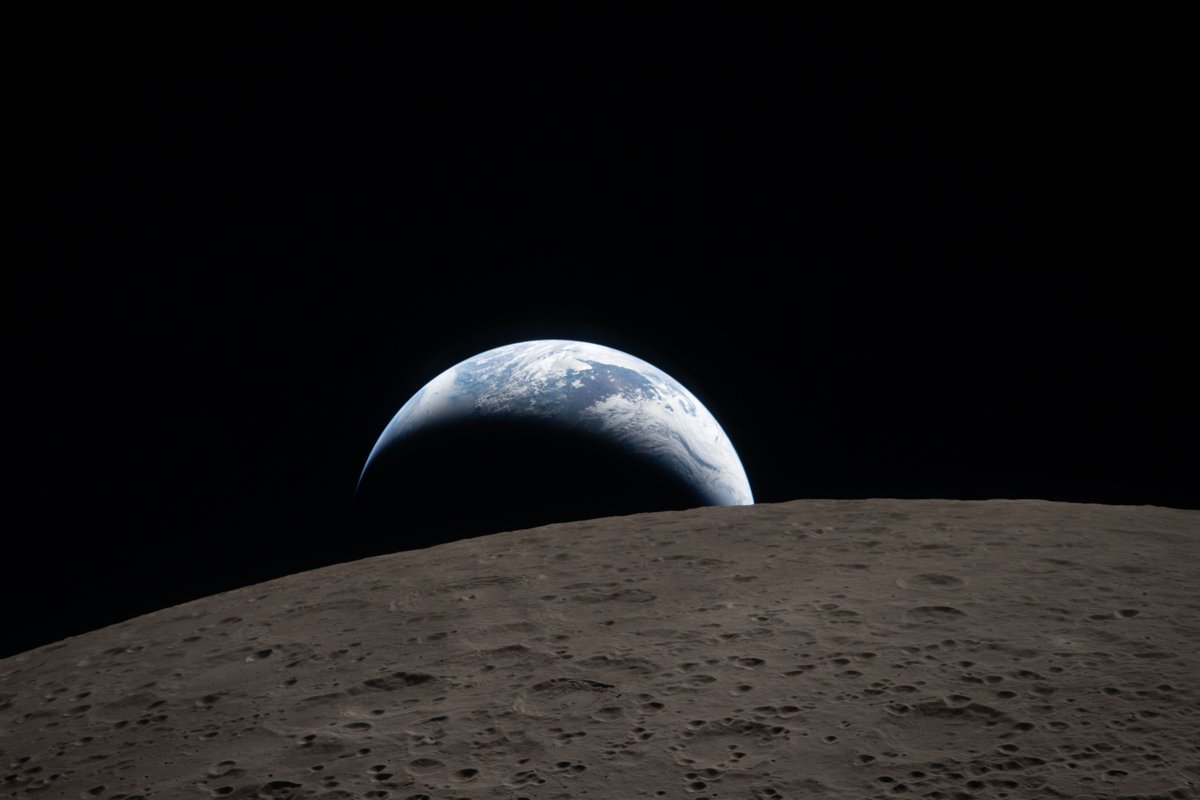
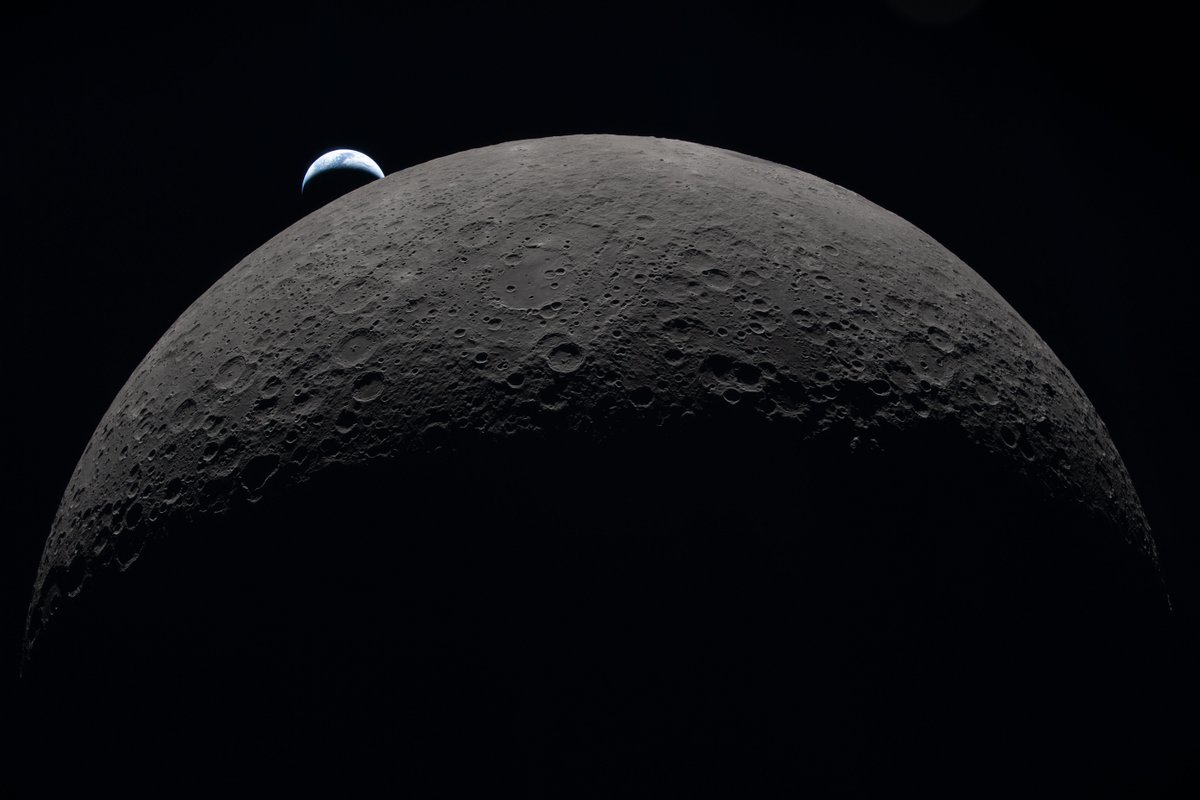
Hello, Moon. It’s great to be back.
Here’s a taste of what the Artemis II astronauts photographed during their flight around the Moon. Check out more photos from the mission: https://t.co/rzM1P0QbOl
Good morning, world! 🌎
We have spectacular new high-resolution images of our home planet, all of us looking back through the Orion capsule window at our Artemis II astronauts as they continue their journey to the Moon.
The countdown begins.
Teams at @NASAKennedy have arrived to their stations at the Launch Control Center. We are about 48 hours from the launch of the Artemis II mission around the Moon. https://t.co/PqaR8eyxu4
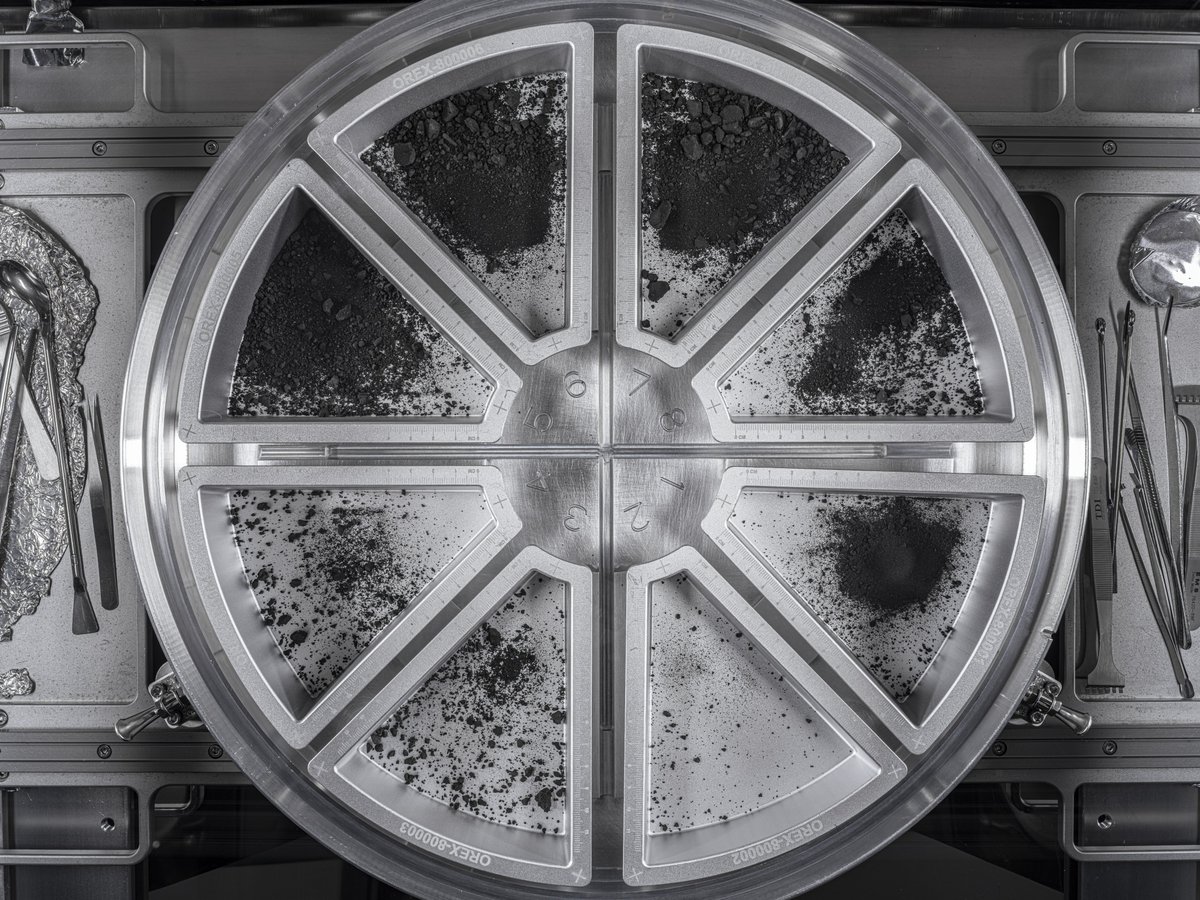
Scientists identified ribose (used in RNA) and – for the first time in any extraterrestrial sample – glucose, a major energy source for life. These sugars join nucleobases and phosphates previously found, demonstrating the full suite of RNA building blocks were present on the ancient asteroid.
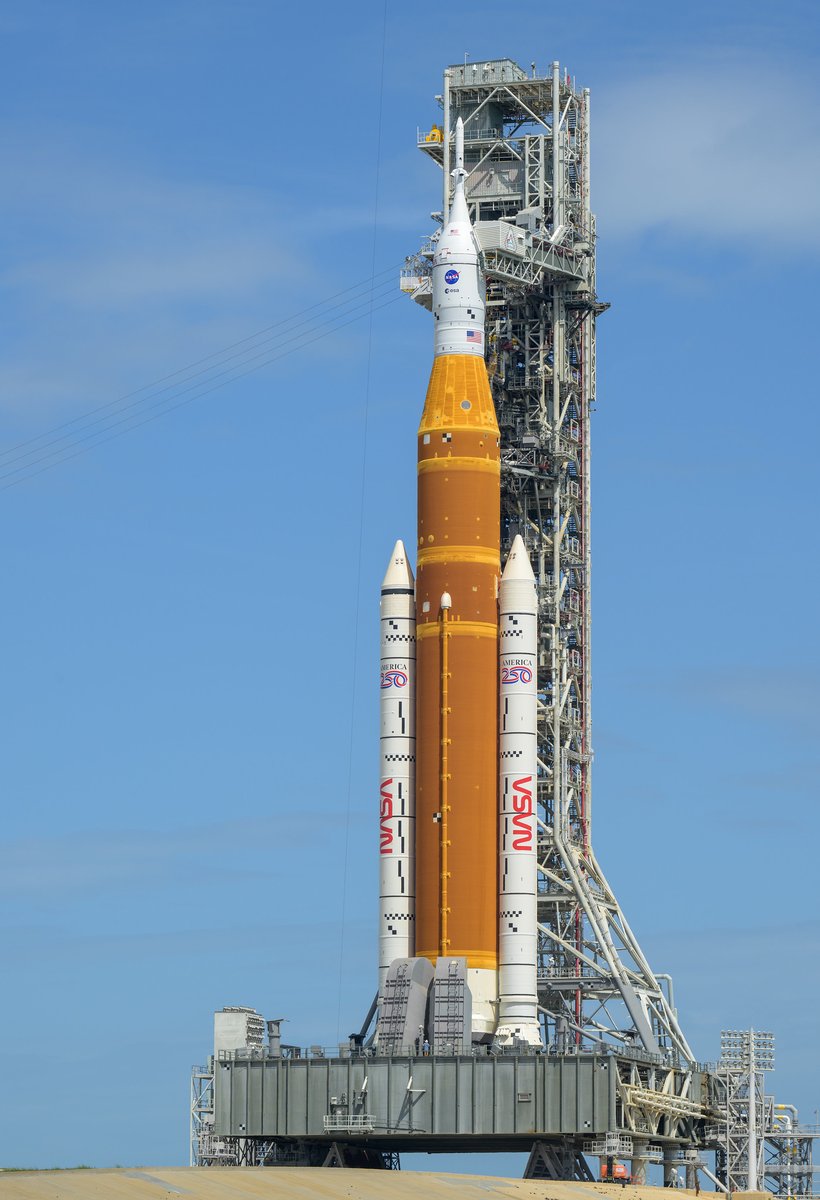
For the first time in our existence, we possess the means, technology, and, for the moment, the will to establish a permanent human presence beyond Earth. Starship is designed to make this future a reality → https://t.co/dGAZiB4rr3
Starship HLS is going to have 135x the living volume of the Apollo LEM!
Sci-fi shows from 10y ago imagined future landers would be ~10x larger than the LEM, but we’re skipping over an entire generation and going straight to giant multipurpose ships.
SpaceX is 20 years ahead.
We are saddened to announce that African savanna elephant Ruth was humanely euthanized after falling this morning. MCZ staff did an outstanding, compassionate and professional job and we are proud of them. A necropsy will be performed this weekend. https://t.co/DTgeLGvJuK
Sapphire Canyon, a Martian sample collected by our Perseverance rover, could preserve evidence of ancient life on the Red Planet. Here's what we've learned after a year of scientific scrutiny: https://t.co/Ciohk9ly8k
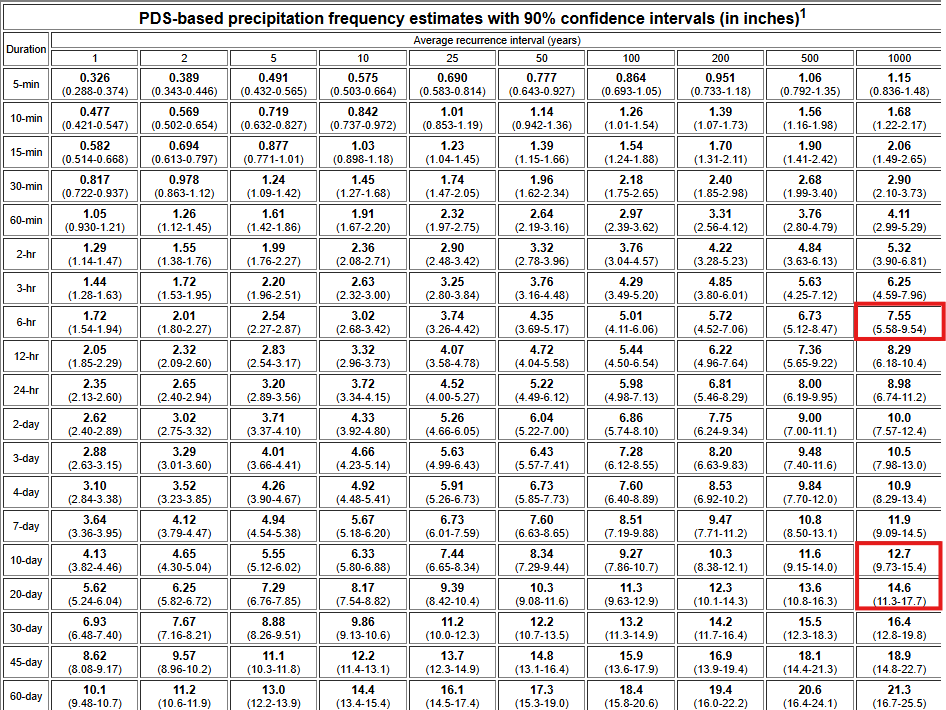
Saturday's flooding was easily a 1 in 1000 year rainfall event for Milwaukee. In fact, 14" of rain over a 20 day period is a 1 in 1000 year rain event for MKE.
Places saw that much rain in 4-6 hours.
A 1 in 1000 year event means the chance it happens in any given year is .1%.
Today we announce a new Colossal de-extinction project: the legendary moa of New Zealand. This new de-extinction initiative, coordinated by the Ngāi Tahu Research Centre, brings the return of this legendary bird closer to reality.
Hope is taking flight, even if these birds can’t.
SOUND ON. You’re hearing the first howl of a dire wolf in over 10,000 years. Meet Romulus and Remus—the world’s first de-extinct animals, born on October 1, 2024.
The dire wolf has been extinct for over 10,000 years. These two wolves were brought back from extinction using genetic edits derived from a complete dire wolf genome, meticulously reconstructed by Colossal from ancient DNA found in fossils dating back 11,500 and 72,000 years. This moment marks not only a milestone for us as a company but also a leap forward for science, conservation, and humanity. From the beginning, our goal has been clear: “To revolutionize history and be the first company to use CRISPR technology successfully in the de-extinction of previously lost species.” By achieving this, we continue to push forward our broader mission on—accepting humanity’s duty to restore Earth to a healthier state.
But this isn’t just our moment—it’s one for science, our planet, and humankind. All of which we love and are passionate about. Now, close your eyes and listen to that howl once more. Think about what this means for all of us.