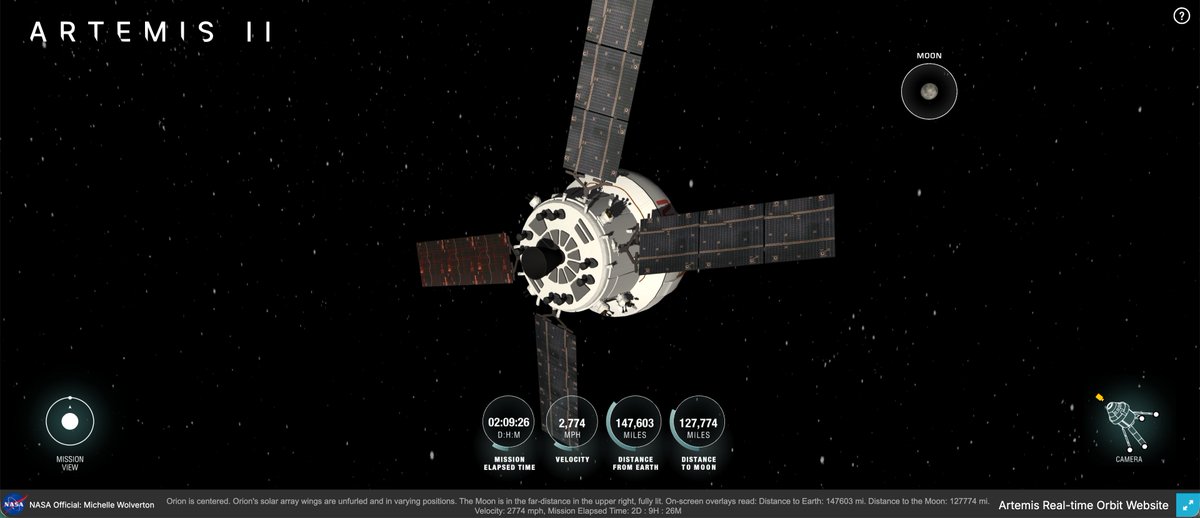
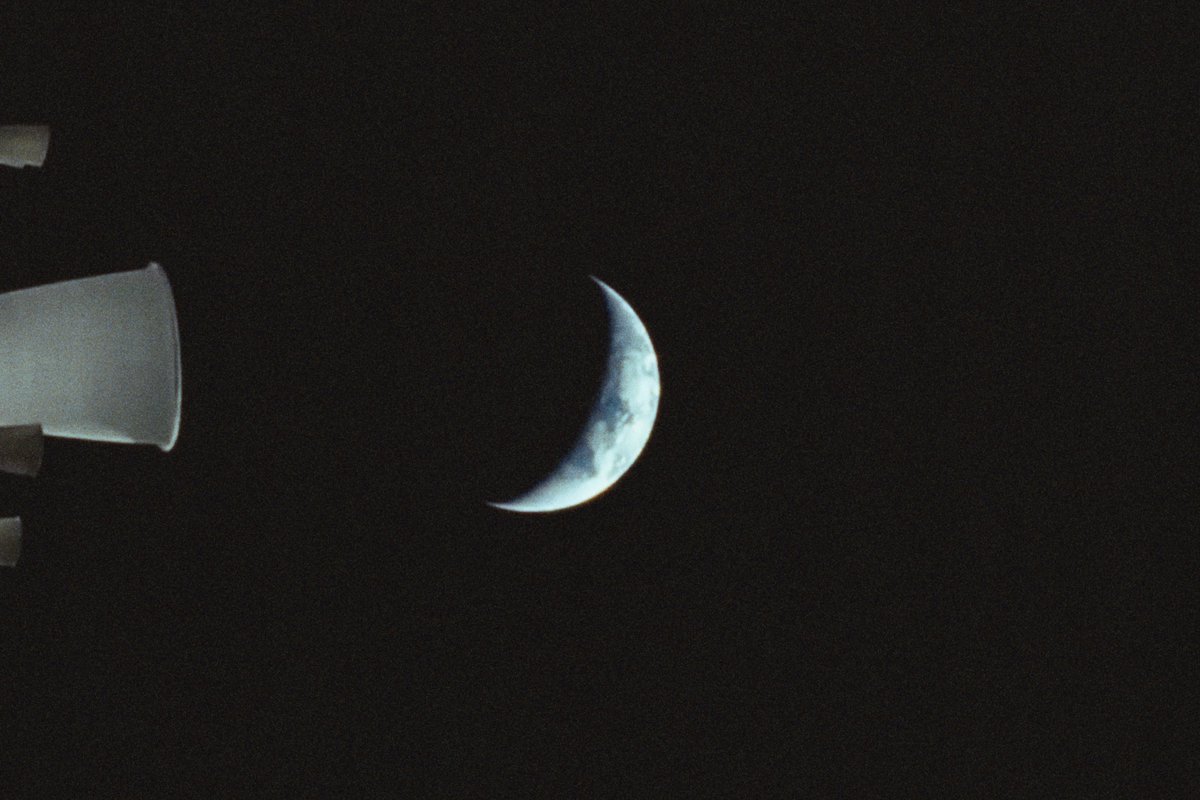
For the first time in over 50 years, humans are Moonbound.
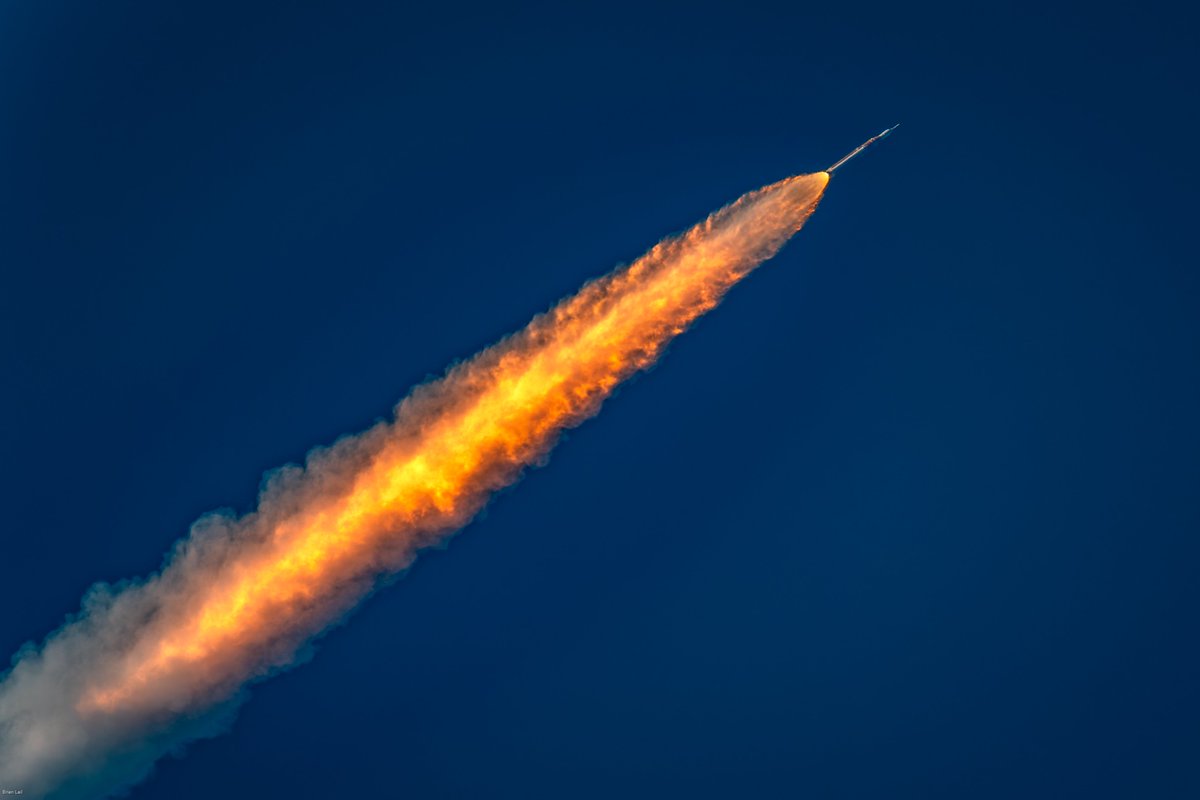
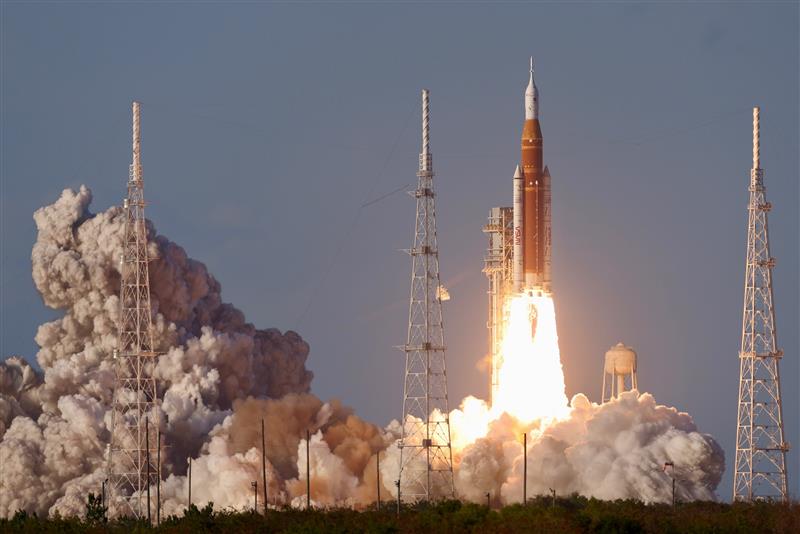
At 6:35 p.m. EDT (2235 UTC) NASA’s Space Launch System rocket and the Orion spacecraft lifted off from the agency’s Kennedy Space Center in Florida, sending four astronauts on a planned test flight around the Moon and back. https://t.co/0Q9ZB4IWVI
What will the Artemis-2 astronauts do during the entire 10-day mission?
Day by day overview:
Day 1. Launch.
Launch on the SLS rocket, stage separation, orbital insertion. Maneuvers around the spent stage, initial system checks, change from spacesuits to everyday clothing.
Day 2. Beginning the journey to the Moon:
Simulator exercises, then the main maneuver—translunar injection (TLI), which places Orion on a trajectory to fly around the Moon and return to Earth.
Day 3. Preparation
Rehearsals for lunar observations in zero gravity, corrective maneuver, emergency procedures training (e.g., CPR).
Day 4. Course correction
Second minor maneuver, communication with Mission Control, media sessions, photography of Earth and the Moon at the midpoint.
Day 5. Lunar Entry
For the first time since 1972, humans will be in cislunar space. Spacesuit tests: rapid pressurization, life support systems checks. Another course correction.
Day 6. Lunar Flyby
The main day: The Orion spacecraft will fly at an altitude of 6,400–9,650 km above the lunar surface.
This distance is approximately 15–24 times greater than the orbital altitude of the ISS. Plus, the Moon itself is smaller. Visually, the Moon will look like a basketball at arm's length to the astronauts. There will be only three hours for observations during closest approach. The astronauts will take photographs and record geological data. Depending on the launch time, the Artemis 2 crew could break the record for the longest distance from Earth.
Day 7. Lunar Exit
Data transfer to scientists, psychological and physical debriefings. Symbolic call with the ISS crew. First maneuver of the return trajectory.
Day 8. Demonstrations
Radiation protection training (using water and thermal protection as barriers). Testing the Orion attitude control systems in various modes.
Day 9. Preparing for reentry
The last full day of the flight. Technological demonstrations, course corrections, fitting of compression suits to help the body adapt to weightlessness.
Day 10. Return
Final maneuver, atmospheric reentry, during which the temperature will reach 1650°C. Parachute deployment, splashdown in the Pacific Ocean off San Francisco. Crew pickup by US Navy ships.
The Artemis II crew is boarding Orion.
Reid, Victor, Christina, and Jeremy are taking their seats atop the most powerful manned rocket ever built. They have trained for years for this moment, and now they are preparing to execute a mission that will take us back around the Moon and begin the next chapter of human space exploration.
Liftoff.
The Artemis II mission launched from @NASAKennedy at 6:35pm ET (2235 UTC), propelling four astronauts on a journey around the Moon.
Artemis II will pave the way for future Moon landings, as well as the next giant leap — astronauts on Mars.