🧠 Effective teaching depends on understanding how learning happens.
Daniel Willingham’s Simple Model of the Mind provides a practical lens for designing instruction grounded in key insights from cognitive science.
It helps teachers move beyond poor proxies for learning and make more deliberate decisions about what students attend to, think about, and remember.
The full What, Why, and How—plus a free planning resource—are available in this week’s ⚗️DistillED.
https://t.co/QGXjKEPjWe
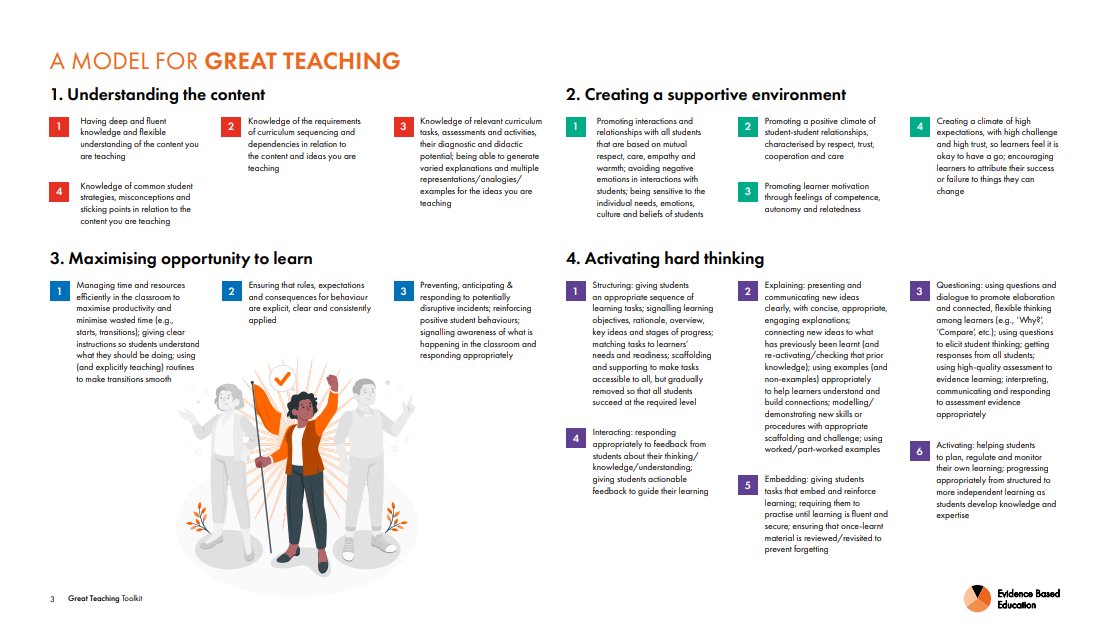
What does great teaching look like? The Model for Great Teaching is an excellent summary of the Great Teaching Toolkit Evidence Review (Coe et al, 2020).
1 Understanding the content.
2. Creating a supportive environment.
3. Maximising opportunity to learn.
4. Activating hard thinking.
@EvidenceInEdu
https://t.co/ozIH5SHGzK
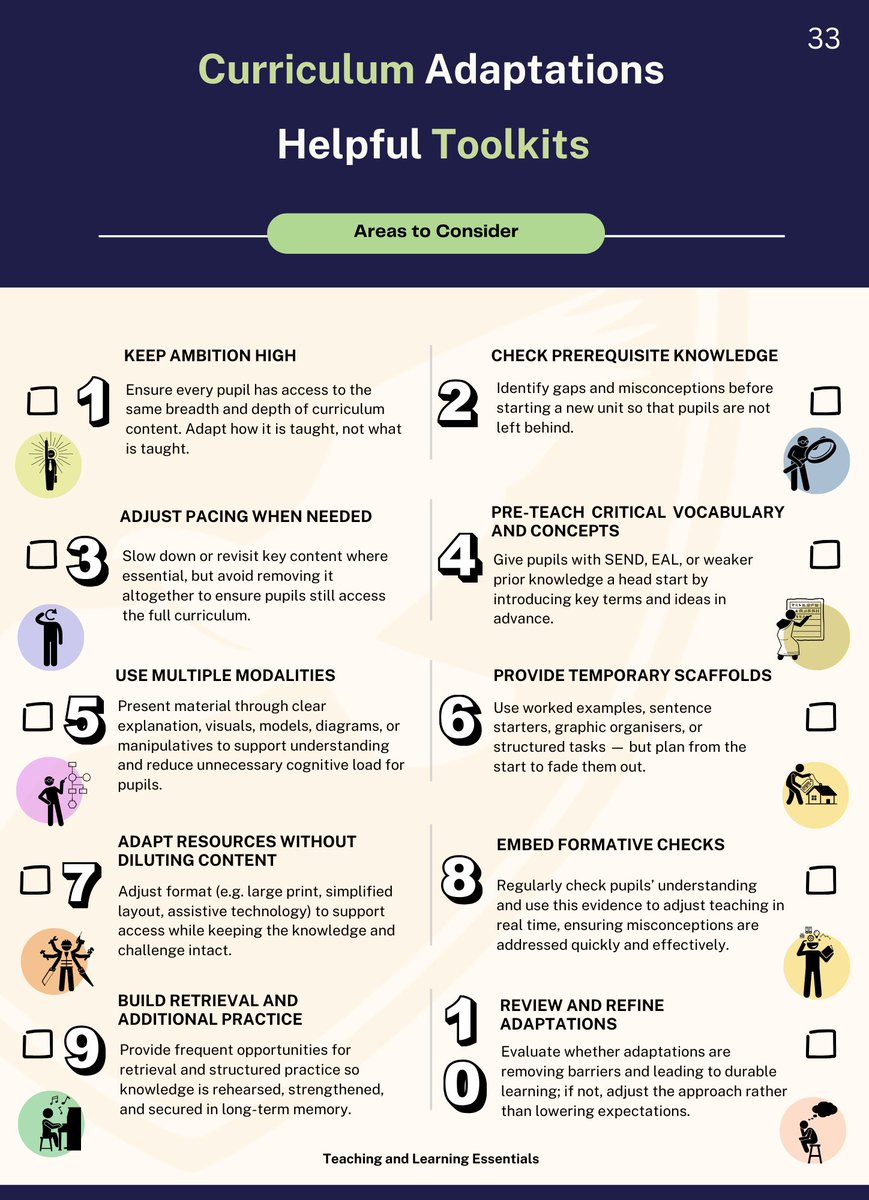
▶️ New Curriculum Leaders
▶️So the new Ofsted framework is out, whether we like it or not.
▶️Let’s create some practical toolkits we can all use to support each other.
▶️First up: What do we mean by Curriculum Adaptations?
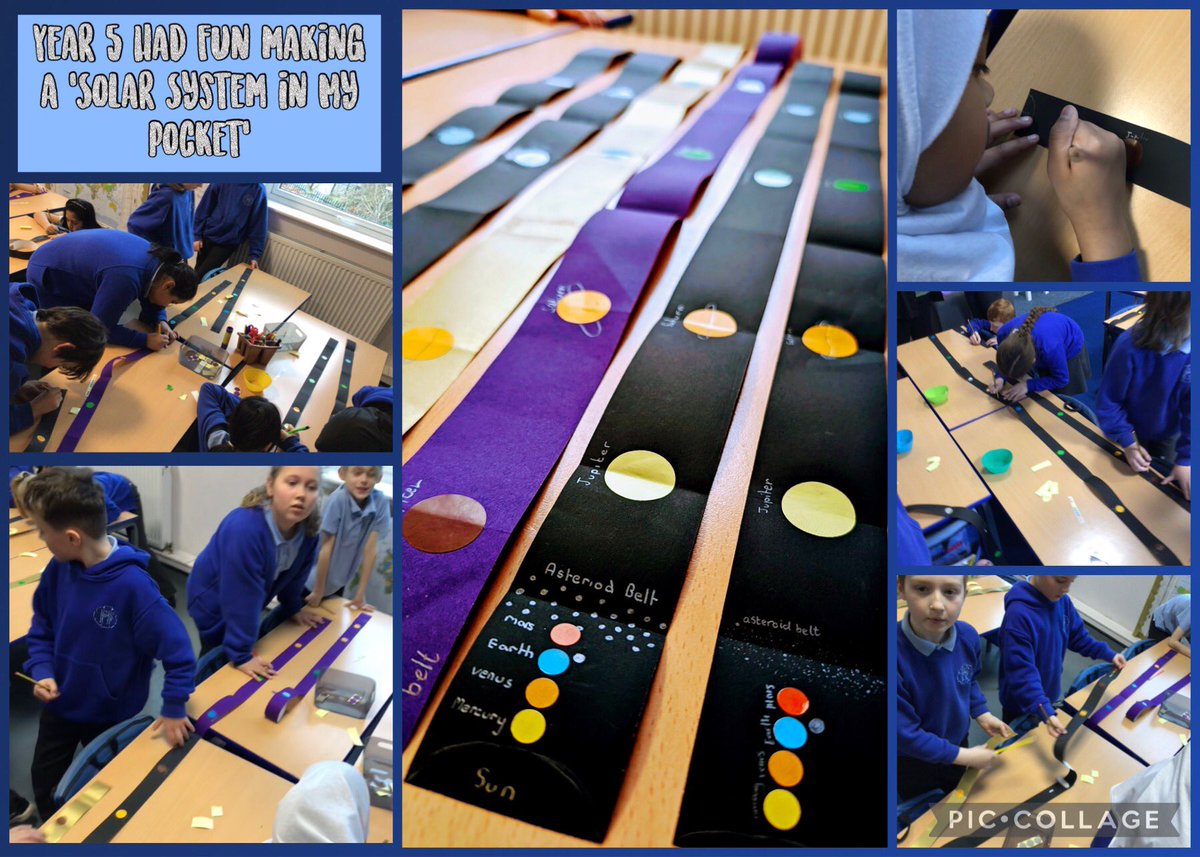
Getting to grips with celestial bodies in our solar system and distances in space. Year 5 made their very own ‘Solar System in My Pocket’. #ffpsscience@ogdentrust
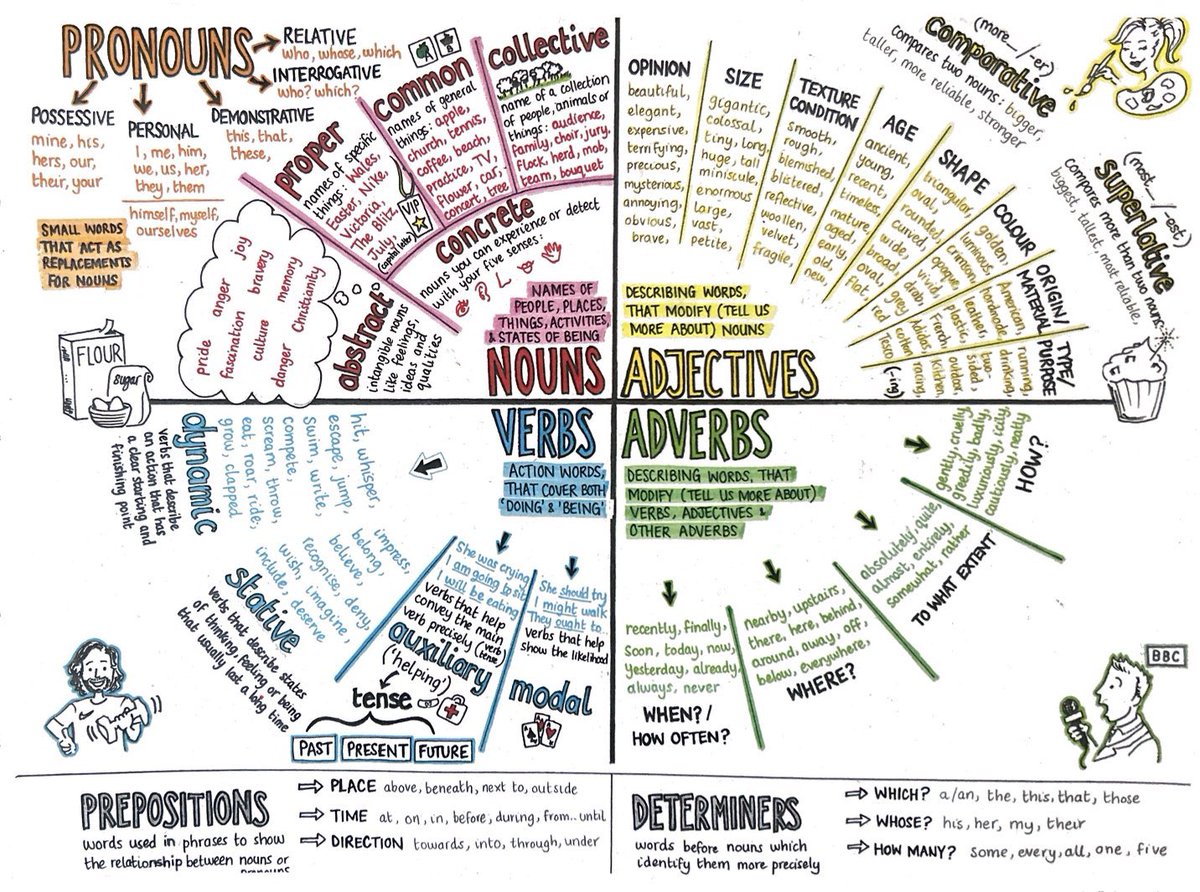
In the last weeks of the yr, I always returned to looking at how grammar instruction could be improved. I know frequent, low-stakes exercises tied in with SoL is key but, my goodness… it never is a ‘done’ thing, is it!? Sharing my poster here. #SPaG#teamenglish#litdrive
ESSENTIAL GUIDES! Check out this powerhouse quartet for effective evidence-informed teaching:
📡 Checking for understanding
◽️ Mini-whiteboards
🏗️ Scaffolding learning
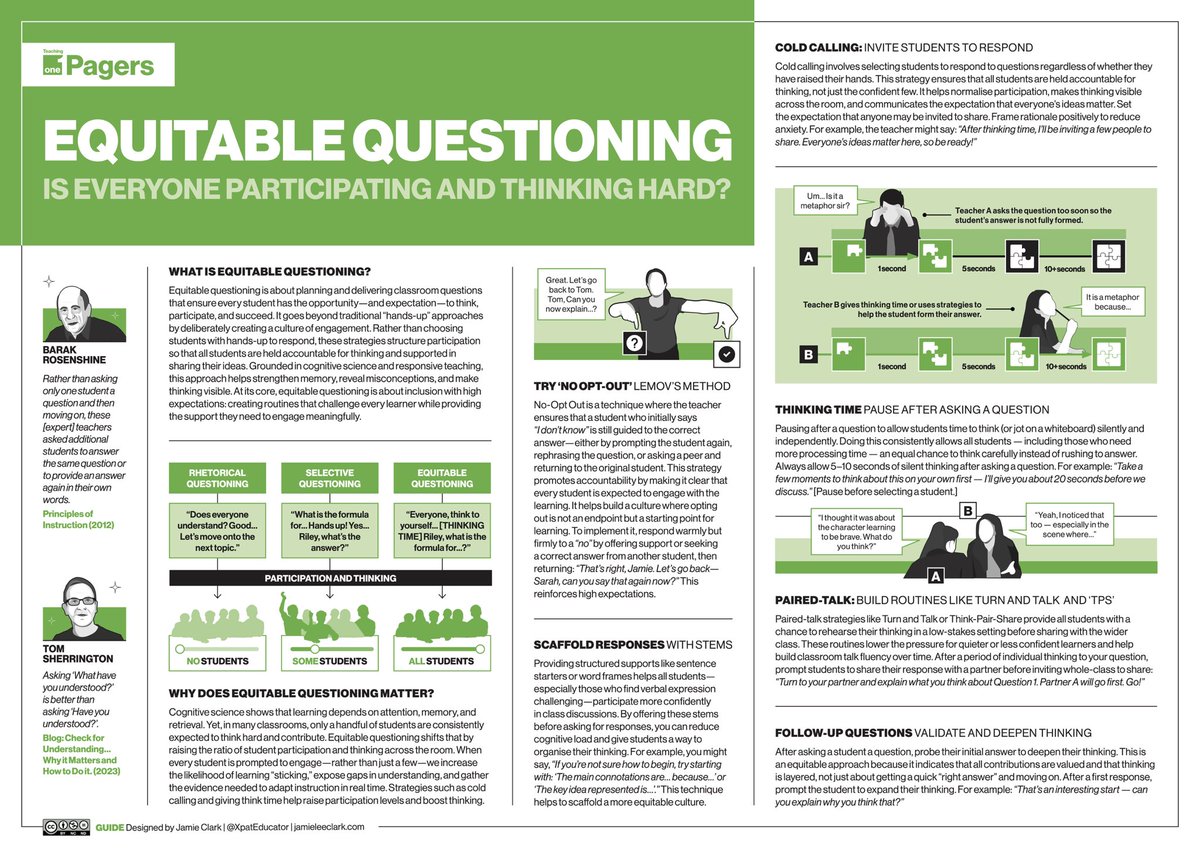
🫵 Accountable questioning
REPOST and grab all 4 FREE guides via my website or the ⚗️DistillED newsletter.
https://t.co/TiPSYeVC45
https://t.co/yHBoZf9Op6
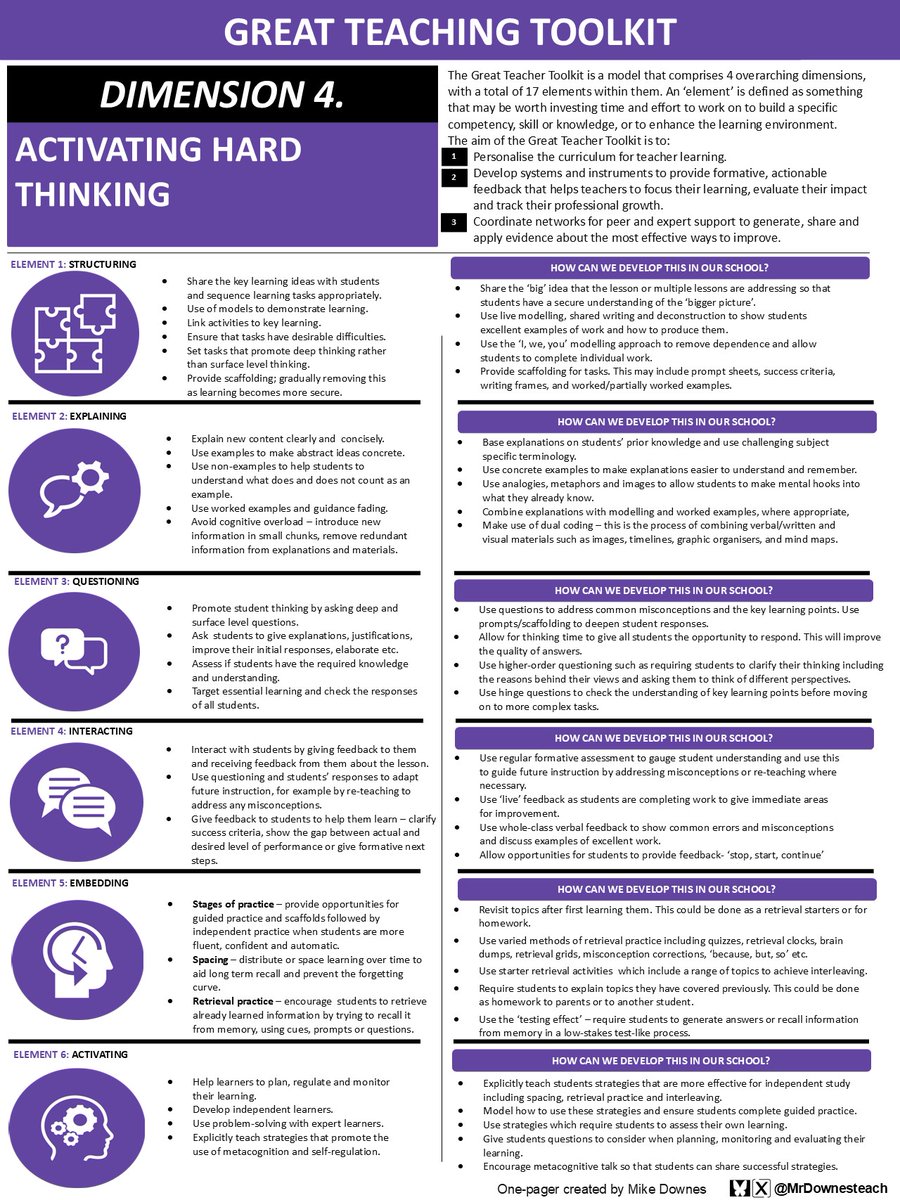
On Monday, our EiM Collaboration Group came together to discuss ‘The GTT: From Principles to Practice’, focusing on Dimension 4: Activating hard thinking. We used this D4 one-pager to facilitate meaningful conversations on how great teachers should present content and activities in ways that activate student thinking. The successful implementation of the elements outlined below is key to ensuring that students are thinking hard about the material we want them to learn:
✅ Element 4.1: Structuring
✅ Element 4.2: Explaining
✅ Element 4.3: Questioning
✅ Element 4.4: Interacting
✅ Element 4.5: Embedding
✅ Element 4.6: Activating
Please RP if you would like a copy of the D4 one-pager
@EvidenceInEdu@ProfCoe@ProfKime
🧠 CLT! Dylan Wiliam said that Cognitive Load Theory is ‘the single most important thing for teachers to know’. This guide summarises some key ideas from CLT and offers 6 strategies to optimise instruction and maximise learning.
🌱 Support my work by tapping REPOST and grab a FREE high-quality copy here: https://t.co/Xj2XpPGvnu
📘📗 If you find these guide helpful, check out my books Teaching One-Pagers Volumes 1 and 2 on Amazon: https://t.co/fCMU90JkZx
😏A very negative post😏
4️⃣ways to use the Numicon negative number line to:
🪜Support & scaffold
🧱Build confidence through familiarisation
➡️Progress through a concept using same resource
⬇️Reduce workload of planning & resourcing
⬆️Increase engagement
Which would you try?😃
@DeputyGrocott Can I build another me. Excellent book for transition. I’ve used with all year groups in KS2. Great for recognising strengths and what makes us unique.
IMAGINE IF...
... your school differentiated its approach to marking and feedback by taking formative assessment one step further?
By student capability
By format
Not all schools will be ready for this, but as ever, it will be pragmatic and #GuideToFeedback will show you how!
🔗 https://t.co/4i48VS6haL
📢 We're thrilled to announce we're working with @voice21oracy to shine a spotlight on #oracy in #maths!
Our #TalkForMaths Benchmarks include top tips to develop spoken maths skills in the classroom.
Download the benchmarks & share your feedback with us: https://t.co/pJTrgiLCTe