The chunky wood butcher block in 1980s kitchens disappeared because of a government recommendation that had zero science behind it.
In the early 90s, food microbiologist Dean Cliver asked the USDA for the evidence behind their advice to ditch wood for plastic. They admitted they had none. So he ran the test himself.
He contaminated wood and plastic boards with E. coli, Salmonella, and Listeria. Three minutes later, 99.9% of the bacteria on the wood was dead. The wood's pores pull bacteria beneath the surface, where they can't survive.
Plastic went the other way. Left overnight at room temperature, the bacteria multiplied. And knife-scarred plastic was nearly impossible to sanitize, even in a dishwasher. Every cut creates a groove where bacteria hide from your sponge.
The thickness wasn't decoration either. Those blocks were end grain, wood fibers standing vertical, so the knife slides between fibers instead of cutting across them and the surface heals itself. That construction only holds together as a thick slab. Slice it thin and it cracks.
Cliver repeated the results across nine hardwoods, maple to walnut. Same outcome every time.
The butcher block was self-sanitizing and built to outlive the house. America threw it out for the board that grows bacteria overnight.
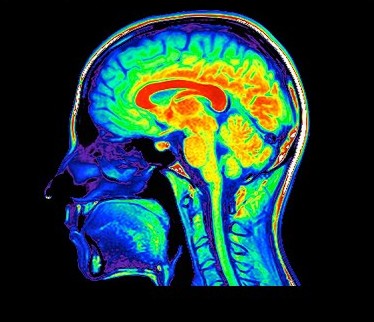
Exercise literally increases the size of your brain.
Older adults who engaged in moderate-intensity aerobic exercise three times per week for one year saw a 2% increase in the size of their hippocampus.
Hippocampal volume shrinks 1–2% per year, so a 2% increase is equivalent to adding between 1 to 2 years worth of volume for this age group!
Just 1 tablespoon of sauerkraut leading up to 1/4 to 1/2 cup daily (therapeutic) has powerful health benefits.
Dramatically increases the variety of good bacteria in the gut microbiome:
👉 Neutralizes oxidative stress
👉 significantly decrease levels of 19 distinct inflammatory proteins (such as interleukin-6) in the blood.
👉Several systemic health benefits, particularly regarding cancer risk reduction, heart protection, and bone health.
👉 Accelerated digestion and motility.
👉 Maximized nutrient absorption.
Interesting! 💦
The science is clear:
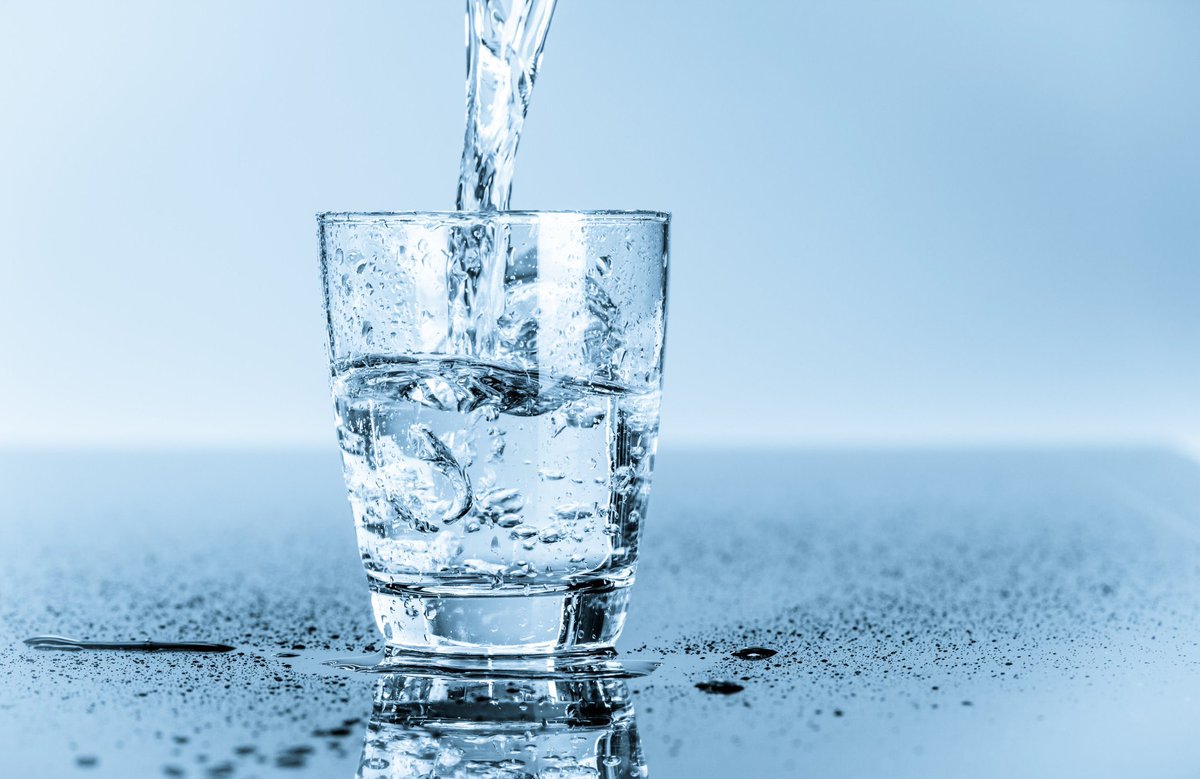
How much water you drink shapes how fast you age.
A landmark NIH study tracking over 11,000 adults across 25 years found that those with higher serum sodium levels — a marker of chronic underhydration — were 21% more likely to die younger and 39% more likely to develop conditions like heart failure, stroke, and dementia.
Biological aging happens faster when daily fluid intake is low.
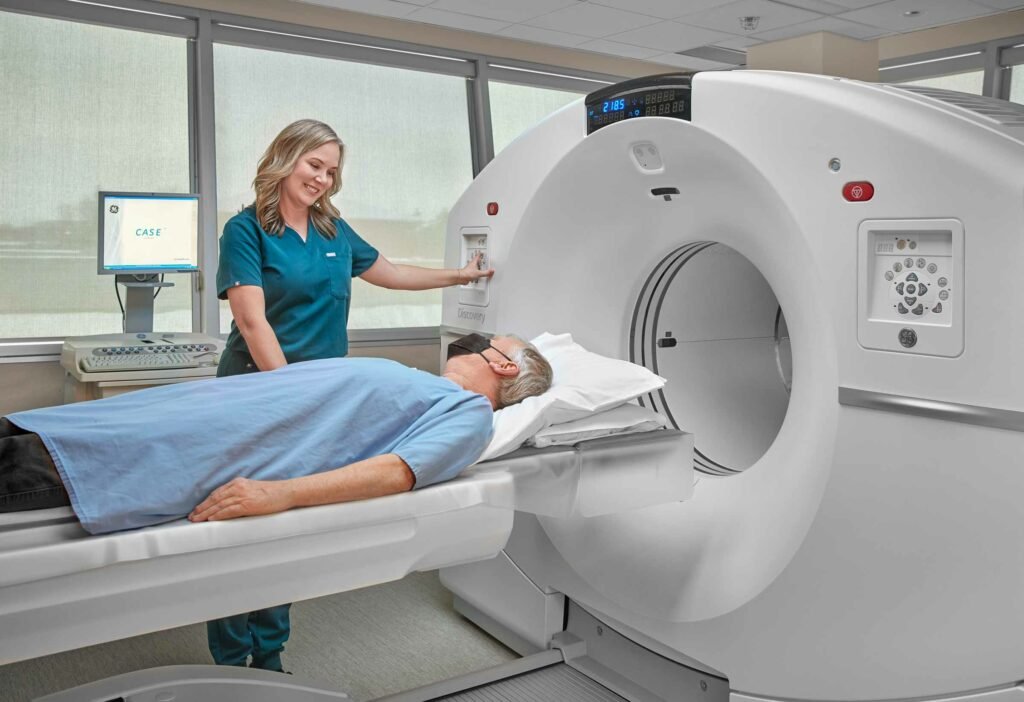
To find a hidden tumour, they inject you with radioactive sugar and photograph where it goes.
It works, reliably, because the cancer drinks that glucose so greedily it flares up on the scan like a bonfire while the healthy tissue around it sits dark. The entire technology rests on one fact nobody says out loud in the room: the tumour runs on sugar, and it will outbid the rest of your body for every last gram of it.
We have known about this appetite for the better part of a century. We built a vast imaging industry on the back of it. We use it today, in every major hospital, to hunt the disease down.
Then, having located the cancer by following the sugar, they bring round the lunch trolley. White toast. Tinned fruit in syrup. A carton of juice, a biscuit, and a leaflet recommending plenty of wholesome carbohydrates to keep your strength up.
We spend a fortune using sugar to find the thing.
Then we sit the patient down and feed it.
Read that twice.
🧄 Mind-blowing 2026 garlic research just dropped!
Recent studies (including Cell Metabolism) show specific bioactive compounds in aged garlic extract (S1PC & others) can:
• Extend lifespan (~11% median in mice)
• Boost cellular energy by ramping up NAD+ production (mitochondria energy, DNA repair, sirtuin activation)
• Reverse age-related muscle decline & frailty via a fat → brain → muscle signaling pathway
S1PC triggers eNAMPT from fat tissue that hits the hypothalamus, firing up the sympathetic nervous system for stronger muscles and better vitality in aging models.
👉Early human data looks promising too!
Typical aged garlic supplements contain the S1PC compound.
Nature’s pantry keeps delivering. Who’s adding more garlic to their meals?
#Longevity #AntiAging #GarlicPower
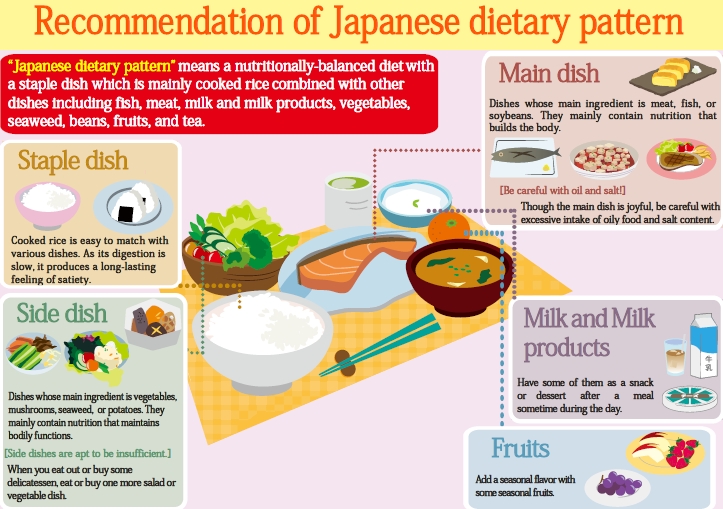
Japan is one of the least obese countries in the world.
One of the biggest reasons they stay slim (without GLP-1's) is they made good nutrition a national law in 2005.
They call it Shokuiku, aka Food Education.
Kids learn nutrition, portion control, and how meals connect to farming and their own bodies, starting in elementary school.
School lunch isn't cafeteria mystery food. It's cooked fresh by licensed dietitians and eaten together in the classroom as a lesson.
Instead of treating obesity with drugs, they fight it with early education.
The reasons more people are wearing wired headphones are not about "counter-signaling".
It's the Bluetooth.
Bluetooth earbuds contain a low-power transmitter in your ear canal for hours a day. The WHO classified RF radiation as a possible carcinogen back in 2011.
While the levels you get from earbuds are below current safety limits, those limits were built around heat, not long-term biological effects.
You also have a lithium-ion battery and a tiny magnet sitting millimeters from your brain. A 2022 study measured static magnetic fields from wireless earbuds and found wired options are the safer choice.
I'm not saying Bluetooth is dangerous, but celebs (and many others) are wearing wired earbuds less for status signaling and more for health protection.
Some people never post photos online.
No selfies. No updates. No “look at me” moments.
In a world built for attention, their silence stands out.
Here’s what psychology says it really means:
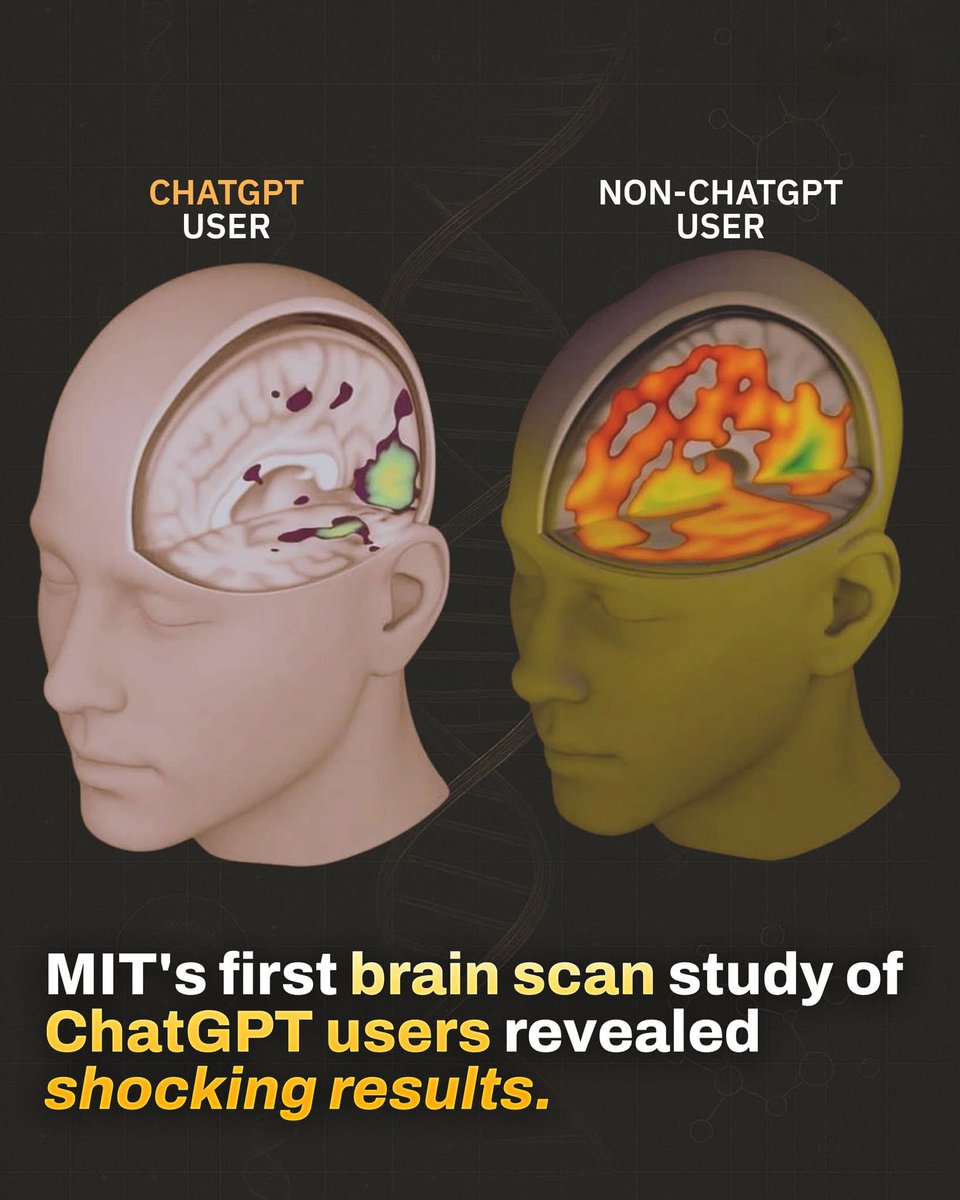
🧠 MIT recently completed the first brain-scan study on ChatGPT users—and the results are deeply revealing.
Rather than boosting brain function, prolonged AI use may be dulling it.
Over four months of cognitive data suggest we might be measuring productivity all wrong ⤵️
In MIT’s study, participants had their brains scanned while using ChatGPT.
→ 83.3% of users couldn’t recall a single sentence they’d written just minutes earlier.
→ In contrast, those writing without AI had no trouble remembering.
Brain connectivity dropped sharply—from 79 to 42 points.
→ That’s a 47% drop in neural engagement.
→ The lowest cognitive performance among all user groups.
Even after stopping ChatGPT use in later sessions, these users showed continued under-engagement.
→ Their performance remained lower than those who never used AI.
→ This suggests more than dependency—it’s cognitive weakening.
Beyond the scans, educators flagged the writing itself.
→ Essays were technically solid, but often called “robotic,” “soulless,” and “lacking depth.”
Here’s the paradox:
→ ChatGPT makes you 60% faster at completing tasks…
→ But it reduces the mental effort required for learning by 32%.
The top-performing group?
→ Those who began without AI and added it later.
→ They retained the best memory, brain activity, and overall scores.
Using ChatGPT can feel empowering—but it may quietly offload your thinking.
→ You gain speed, but lose engagement.
→ You get answers, but stop learning how to think.
The takeaway isn’t to avoid AI—but to use it intentionally.
→ Use it to assist, not replace your mind.
→ Build cognitive strength—not dependency.
MIT’s early study on AI and the brain lays out the stakes. The way we use these tools matters more than ever.
Perform These 5 Exercises to Live Longer and Stronger. 💪
Although ALL exercise is excellent, here are 5 that have anti-aging components to help build muscle, strength and balance that we lose markedly after age 40
1. Squats
2. Free Weights
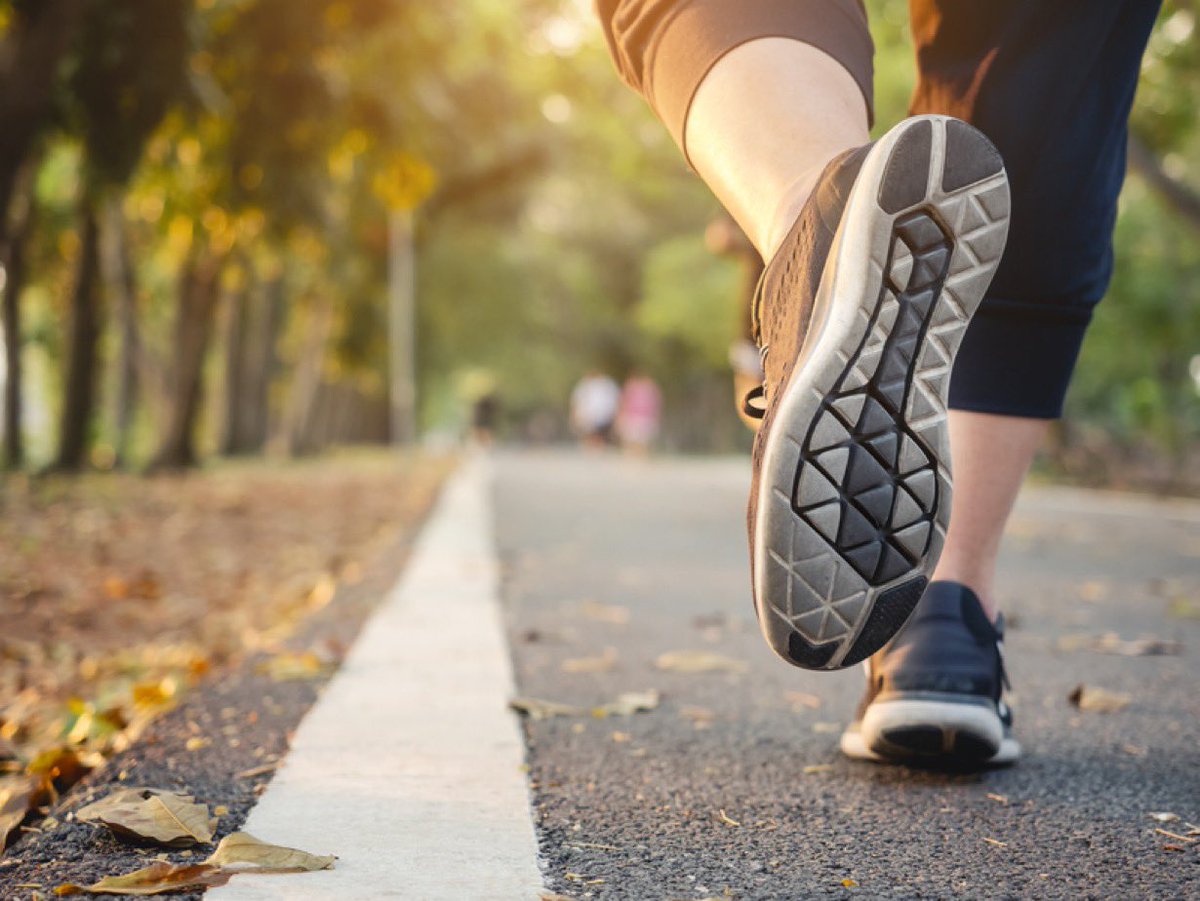
3. Walk
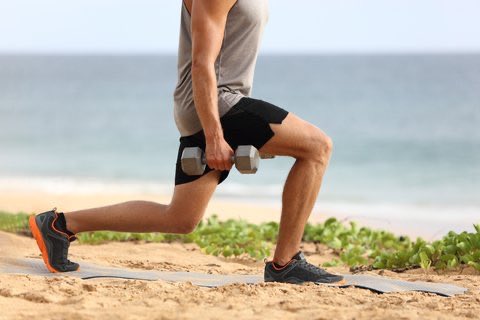
4. Lunges
5. Push-ups
#longevity #strength #balance #muscle
Did You Know?
Creatine’s health benefits extend beyond muscle and brain health. Here are some potential benefits based on available evidence:
1. **Bone Health**
Some studies suggest creatine may enhance bone mineral density, particularly in older adults or those engaging in resistance training, by supporting osteoblast activity and reducing bone resorption. This could help in conditions like osteoporosis.
2. **Metabolic Health**
Creatine may improve glucose metabolism and insulin sensitivity, potentially aiding in type 2 diabetes management. It can increase glucose uptake in cells, especially when combined with exercise.
3. **Cardiovascular Health**
Limited evidence indicates creatine might support heart health by improving energy metabolism in cardiac tissue, potentially benefiting those with heart failure or ischemic heart disease. It may also reduce homocysteine levels, a risk factor for cardiovascular issues.
4. **Anti-Inflammatory Effects**
Creatine has shown potential to reduce inflammation markers in some studies, which could benefit conditions involving chronic inflammation, though more research is needed.
5. **Immune System Support**
Emerging research suggests creatine may enhance immune cell function by supporting energy demands, potentially improving immune response under stress or in critical illness.
6. **Reproductive Health**
Preliminary studies hint at creatine’s role in improving sperm motility and energy metabolism, which could support male fertility.
Creatine goes far beyond just muscle health.
Locking the camera to the stars instead of the horizon changes everything.
It’s actually kind of terrifying to see the Earth spinning beneath us like this. 🌍🌌
Movement as Medicine isn’t a passing trend or wellness fad—it’s a complete mindset revolution.
We used to think: “If I’m not sick, I’m healthy.” Rest was the default. Exercise? Optional, mostly for looks or occasional fun. Today we know better: Movement IS medicine. Daily. Non-negotiable.
Consistent motion actively prevents & reverses chronic issues—insulin resistance, heart disease, inflammation, depression, cognitive decline, even aspects of biological aging.
It’s not “extra credit.” It’s your body’s built-in healing mechanism.
This shift isn’t hype. It’s biology we ignored for too long.
What kind of movement? Mobility training, exercise snacks, small bursts of movement, stairs, calf raises, post-meal walk or squats, yard work etc. just remember that no movement has the opposite effect overtime.
Consistency trumps perfection. Your body responds best when movement becomes non-negotiable daily fuel, not an optional add-on.
Move intentionally every day. Your future self (and cells) will thank you. 💪🧬
#MovementAsMedicine #HealthMindsetShift
Interested in healthy aging and longevity? New data shows a link between eating eggs and a 47% reduced risk of Alzheimer’s disease.
90% of Americans are not getting enough of the nutrient choline.
Choline in eggs (one of the highest sources of choline) is a neurotransmitter essential for memory, mood, and muscle control. Therefore, ensuring adequate choline intake can support cognitive functions and may help in preventing certain neurological disorders along with optimizing health.
In this study, the researchers attribute the potential brain benefits of eggs to the choline in egg yolks.
It's been known that the nutrient choline found in egg yolks, is associated with a slower rate of memory decline. This new study is even further confirmation.
“Two eggs per day is the goal for meeting recommendations for choline and other key nutrients for brain health,” study investigator Taylor Wallace, PhD, CEO at Think Healthy Group and an adjunct nutrition professor at Tufts University. This level has been shown to be unarguably safe in clinical studies, even in those with diabetes and those with or at-risk for cardiometabolic disease.”
https://t.co/fpzdylrbvC
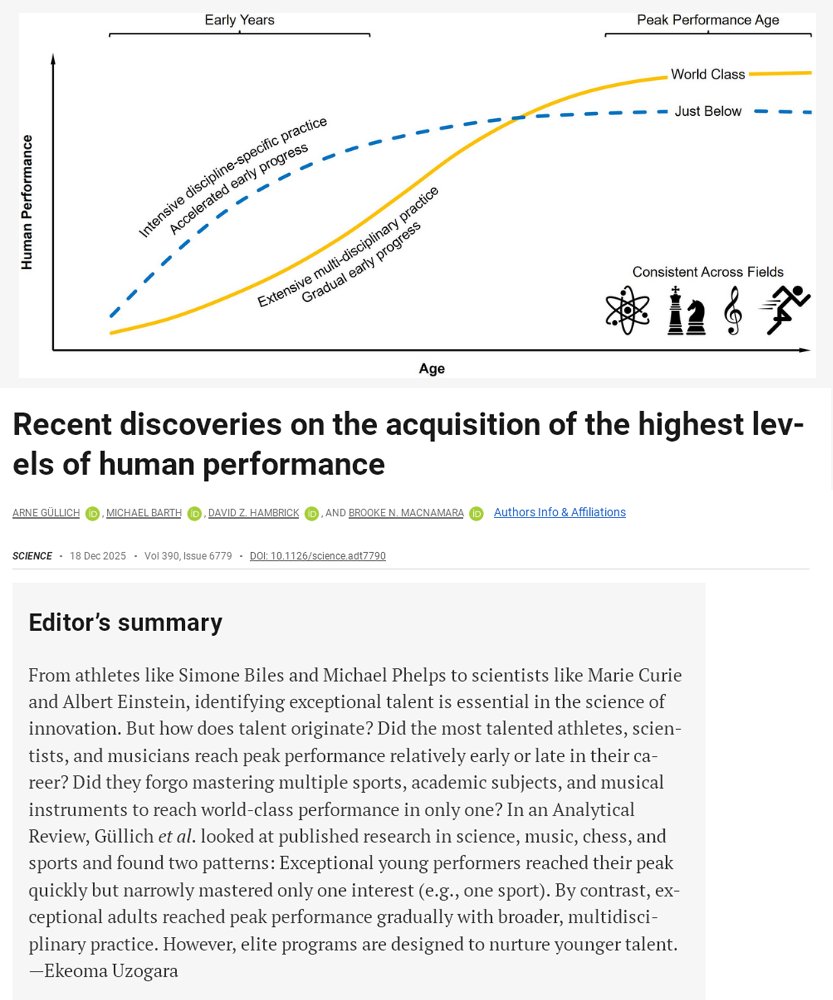
Early specialization is overrated. Generalists excel over time.
Data on >34k stars in sports, music, science, and chess: Focusing on a single field predicts a faster rise, but cross-training foreshadows a higher peak.
The most successful adults start off as well-rounded kids.