“People are strange: They are constantly angered by trivial things, but on a major matter like totally wasting their lives, they hardly seem to notice.”
Charles Bukowski
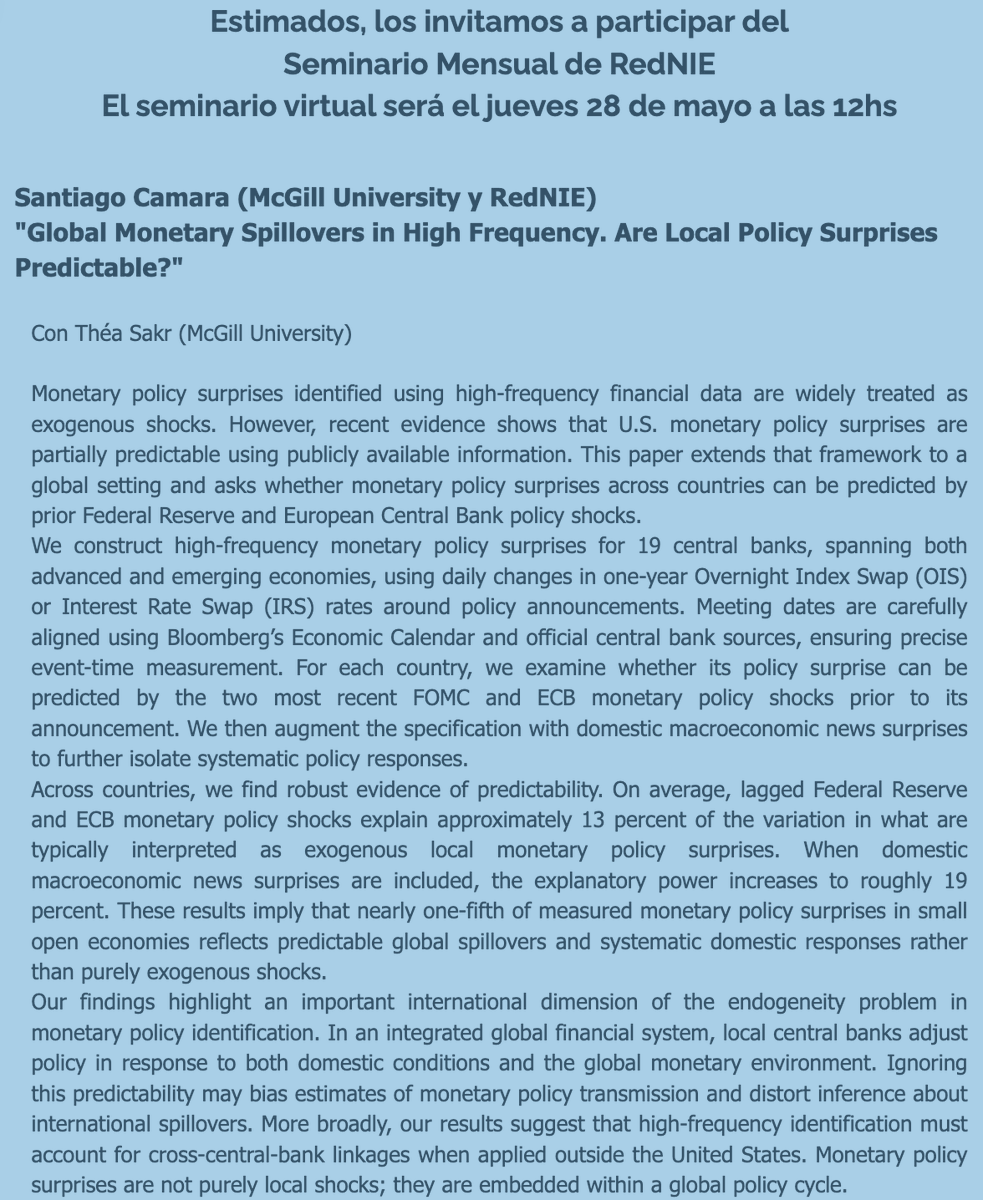
Los invitamos a participar del seminario mensual de RedNIE mañana, jueves 28 de mayo a las 12 hs.
Santiago Camara @EconSanti (Mcgill University) presenta "Global Monetary Spillovers in High Frequency. Are Local Policy Surprises Predictable"
🔗 https://t.co/0I5tcMmZsN
@edugaresp Pues sí, ya hay refutaciones a ese estudio:
https://t.co/2xuNVZWA2E
Ese estudio usa el crecimiento de ingresos/población como “demanda”, pero esa demanda ya está limitada por la falta de vivienda. Si una ciudad no construye, menos gente puede mudarse allí.
@edugaresp, lo refuto inmediatamente. No hace falta “negar los datos”. Basta leer el documento auxiliar de los propios autores:
https://t.co/fniXN7yR7k
Pregunta: “¿Estáis diciendo que la oferta de vivienda no importa?”
Respuesta: “No.”
Million Dollar Baby (2004) hit like a freight train on release. The audiences walked in expecting a sports drama and ended up sitting through one of Eastwood’s most devastating pivots. You could feel the whole theater go silent at the exact same moment.
Argentina 🇦🇷/ IMF EFF 2nd review staff report Selected Issues paper. Really good short pieces on tax distortions, comparative stabilization experiences, reserve accumulation strategies. On stabilization country experiences ...
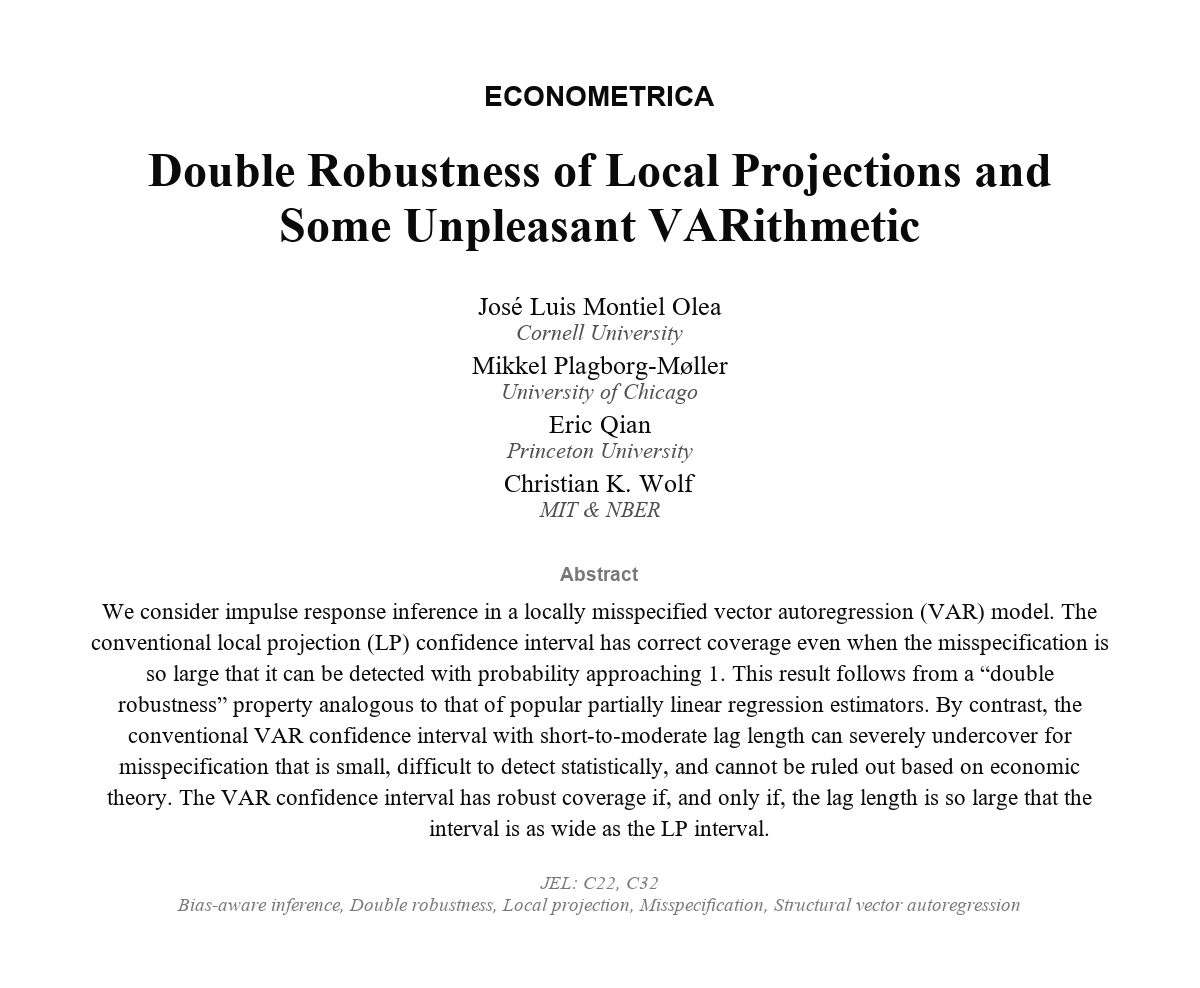
Local projections are surprisingly robust to misspecification. By contrast, VAR confidence intervals with short-to-moderate lag length can severely undercover for misspecification that is small, difficult to detect, and cannot be ruled out a priori.
https://t.co/rFObJ2dWfN
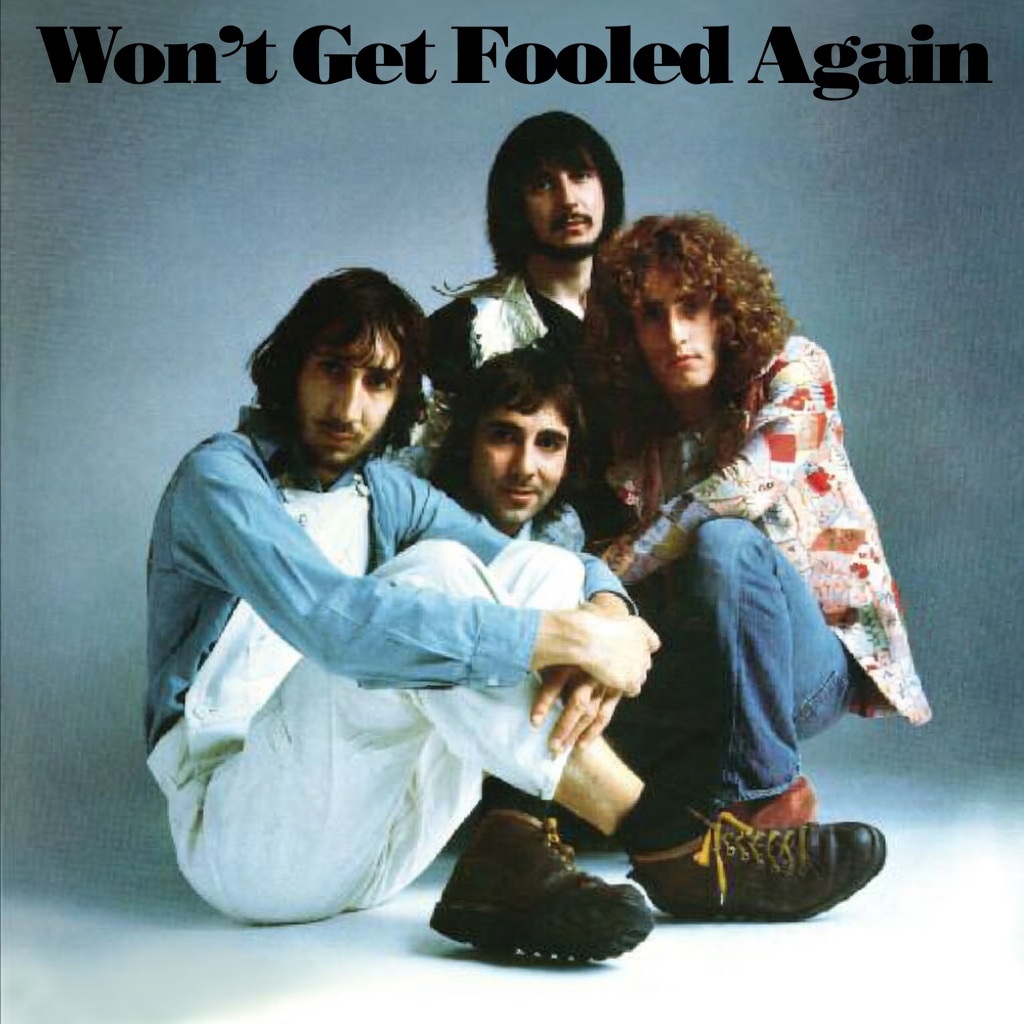
The Who - Won’t Get Fooled Again (1971)
Pete Townshend wrote it in 1971 as part of his ambitious Lifehouse project, a futuristic, multimedia rock opera that was never completed.
Townshend drew inspiration from several real-life events. One was the Woodstock festival: during The Who’s performance, activist Abbie Hoffman tried to grab the microphone to deliver a political speech. Pete literally dragged him off the stage and grew fed up with the hippies who believed that a concert or a revolt would change the world overnight.
The lyrics tell of a revolution: people fight in the streets (“We’ll be fighting in the streets”), overthrow the powers that be, but in the end nothing really changes. The world remains the same, history repeats itself, and the iconic line arrives: “Meet the new boss, same as the old boss.” It’s an anti-revolution anthem, not anti-establishment in the romantic sense.
Townshend wanted to shout that any cause is no better than none, and that new leaders end up being just as corrupt as the old ones. 
Musically, it’s epic. Nearly 9 minutes long on the Who’s Next (1971) album version, with pioneering synthesizers (Townshend’s famous organ riff), Keith Moon’s wild drumming, and Roger Daltrey’s heart-wrenching scream at the end, which wasn’t entirely planned: it arose from sheer exhaustion after a long take.
The single version was cut down to 3:35 and was a huge hit (Top 10 in the UK, Top 15 in the US). 
No puede haber proyecto serio de defensa de la universidad pública que no venga acompañado de un programa de reforma. Muy buena nota de @rabossim sobre los desafíos del sistema de educación superior.
https://t.co/0ajCXbisl7
In Bruges (2008) starts like two hitmen awkwardly wasting time in a fairy-tale city and somehow turns into one of the funniest, saddest, and most quotable movies of the 2000s. Bruges itself feels baked into every line of dialogue.
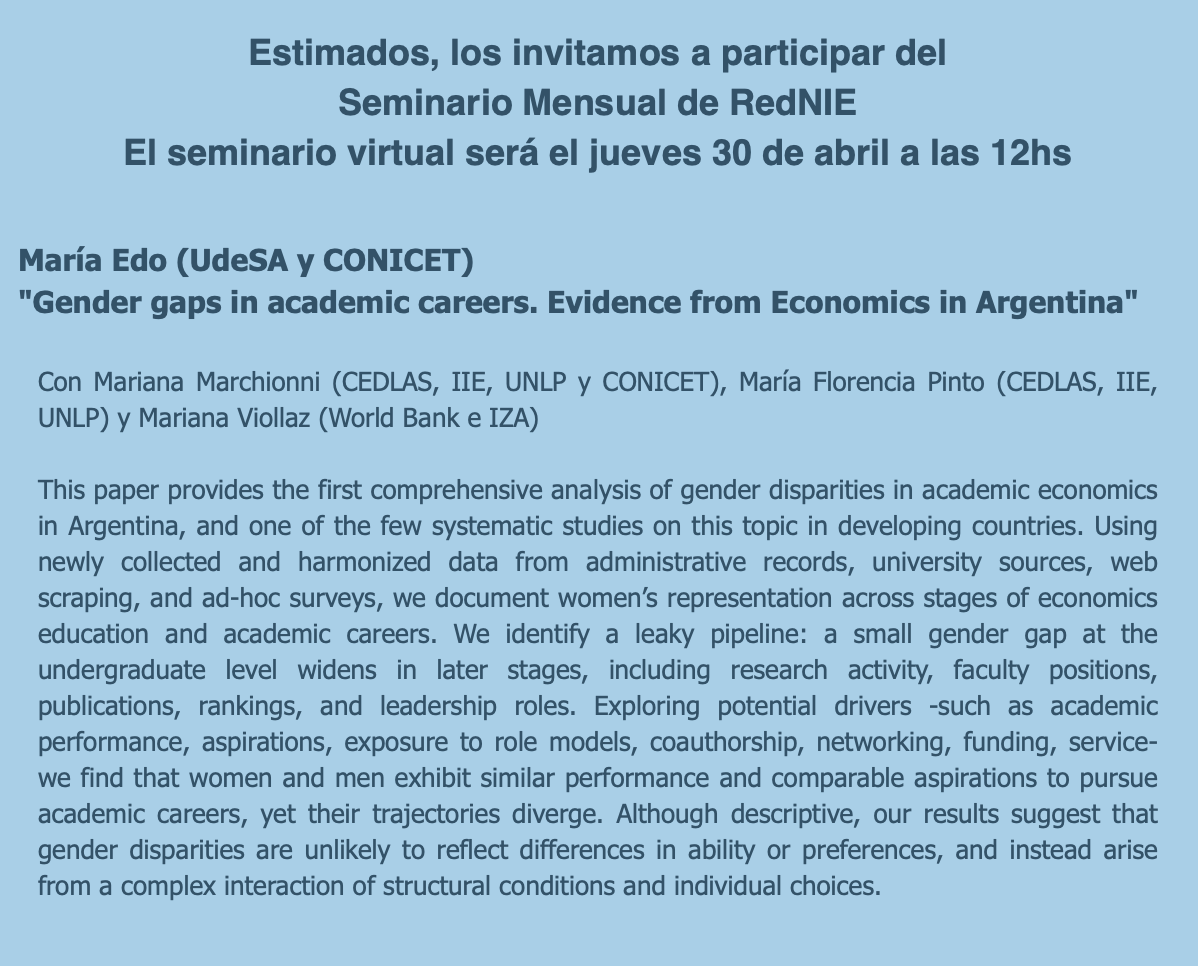
Los invitamos a participar del seminario mensual de RedNIE mañana, jueves 30 de abril a las 12 hs.
María Edo (@EconUdesa y CONICET) presenta "Gender gaps in academic careers. Evidence from Economics in Argentina"
🔗 https://t.co/0I5tcMmZsN