Excited that our paper is now online! @Veraksalab@Ken_Moberg We show that the Hippo pathway and its new member, TIF1/TRIM ortholog Bon, control cell fate decisions in the Drosophila eye via a non-canonical transcriptional program. Free access in 🧵👇! #DevBio#Drosophila 1/8
See 2024 medicine laureates Victor Ambros and Gary Ruvkun deliver their Nobel Prize lectures.
Where are you watching from?
#NobelPrize
https://t.co/VF4tZ8OfYq
Hofstenia miamia is an emerging model species for regeneration and embryology. We present this in-depth identification and developmental profiling of Hofstenia microRNAs. @acoel_hofstenia @ILublinsky #microRNA#Hofstenia https://t.co/mErOU7HjUj
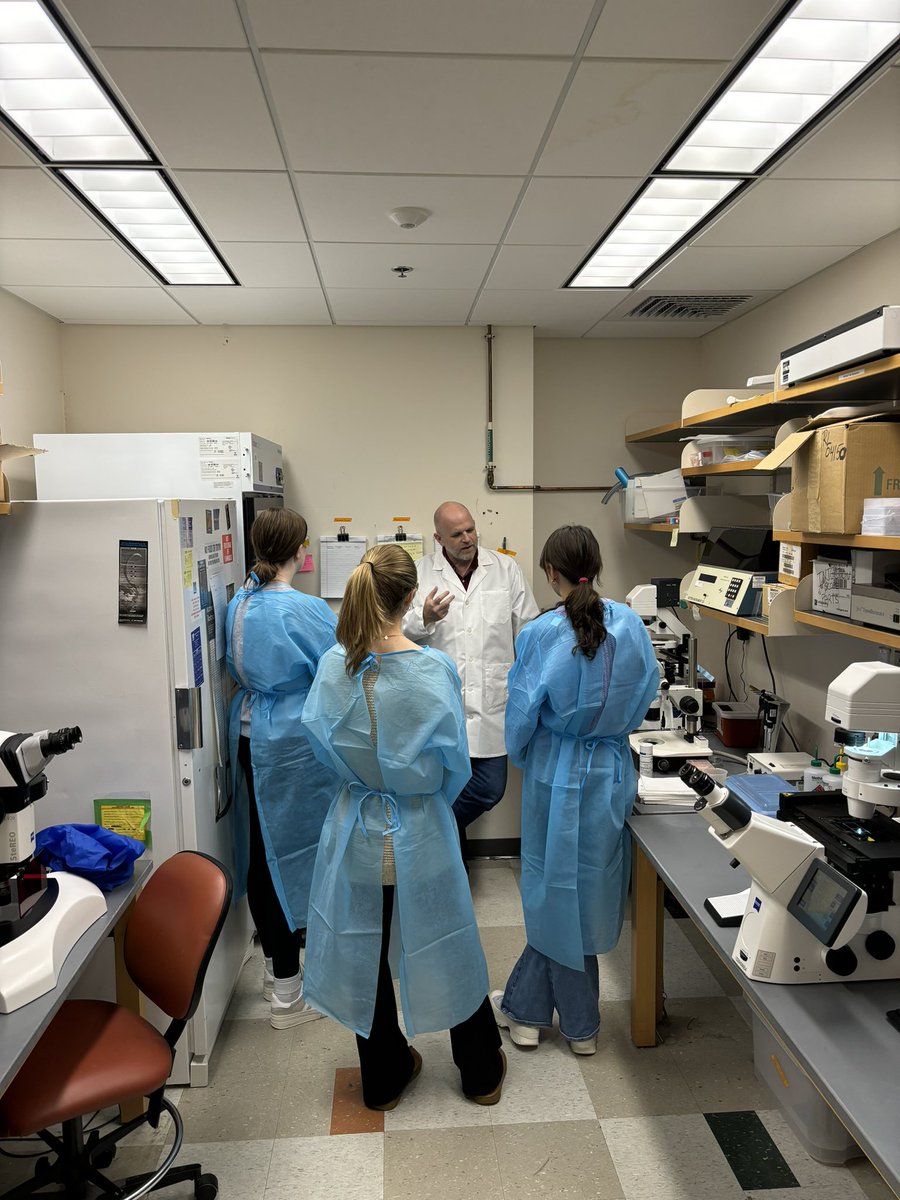
#FridayFun we hosted @wachuregional students and parents to tour our Cryo-EM facility and several of our labs 😍 we had so much fun, and can’t wait to do it again!!!
This year’s medicine laureates Victor Ambros and Gary Ruvkun studied a relatively unassuming 1 mm long roundworm, C. elegans.
Despite its small size, C. elegans possesses many specialised cell types such as nerve and muscle cells also found in larger, more complex animals, making it a useful model for investigating how tissues develop and mature in multicellular organisms.
Read how the 2024 medicine laureates’ investigations into C. elegans revealed an entirely new dimension to gene regulation: https://t.co/8RwUplwYQA
#NobelPrize
BREAKING NEWS
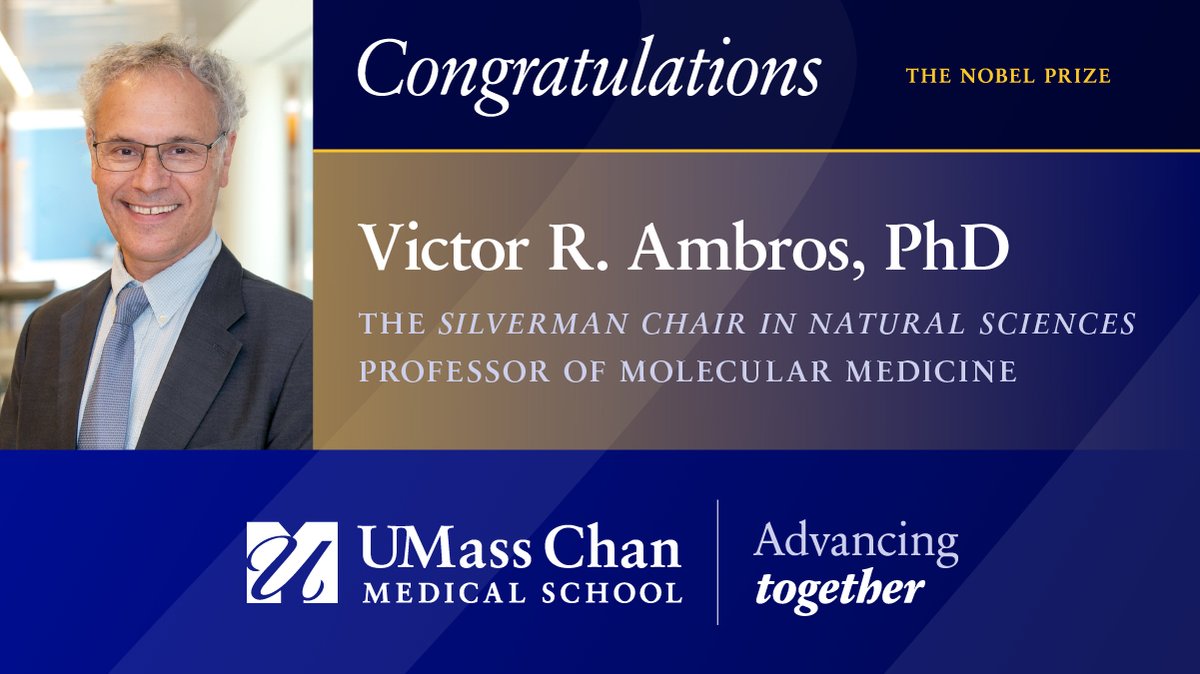
The 2024 #NobelPrize in Physiology or Medicine has been awarded to Victor Ambros and Gary Ruvkun for the discovery of microRNA and its role in post-transcriptional gene regulation.
Victor Ambros and Daniel Cifuentes have made clear the importance of research in model organisms, like C.elegans 🪱 or zebrafish 🐟, to understand human disease 👏👏
And another new preprint from the lab, led by S. Paul, K. Ilkhani, and N. Strozewski, collaboration with Shvartsman lab: we identify ERK-dependent phosphosites in Capicua (Cic), and show in vivo that mutating these sites turns Cic into a “super-repressor”.
https://t.co/NEqnVBiOKk
New preprint from the lab, led by @bbrown_m : we uncover a function for #Drosophila Minibrain/DYRK1A in the neuroepithelium, and show that Mnb engages the Reps/Rlip/Rala signaling network to control brain development.
https://t.co/o7QfZmJhCf
1st single cell atlas of mouse seminal vesicles @biorxivpreprint. Have you ever wondered what cells reside in this understudied tissue, well this resource is for you. Led by @ollie_rando group @UMassChan with our contributions @UON_research @HMRIAustralia
https://t.co/4YVIoGfhnH
Victor Ambros, PhD, & Ye Duan, PhD’23, believe their research, published in @PNASNews, will help inform researchers pursuing a treatment for a recently IDed class of neurodevelopmental & autism-spectrum disorders called Argonaute syndromes: https://t.co/eJ5iHUWj5m @yE_oSCAR_dUAN
🚨 Fresh off! Please check out our recent paper on #Wolbachia#phageWO proteins messing with sperm lncRNA and DNA integrity to eventually kill embryos.
#TAGC24@GeneticsGSA drop by my poster (P1266T) tonight to learn more about this work.
https://t.co/xCRqbsrfCB
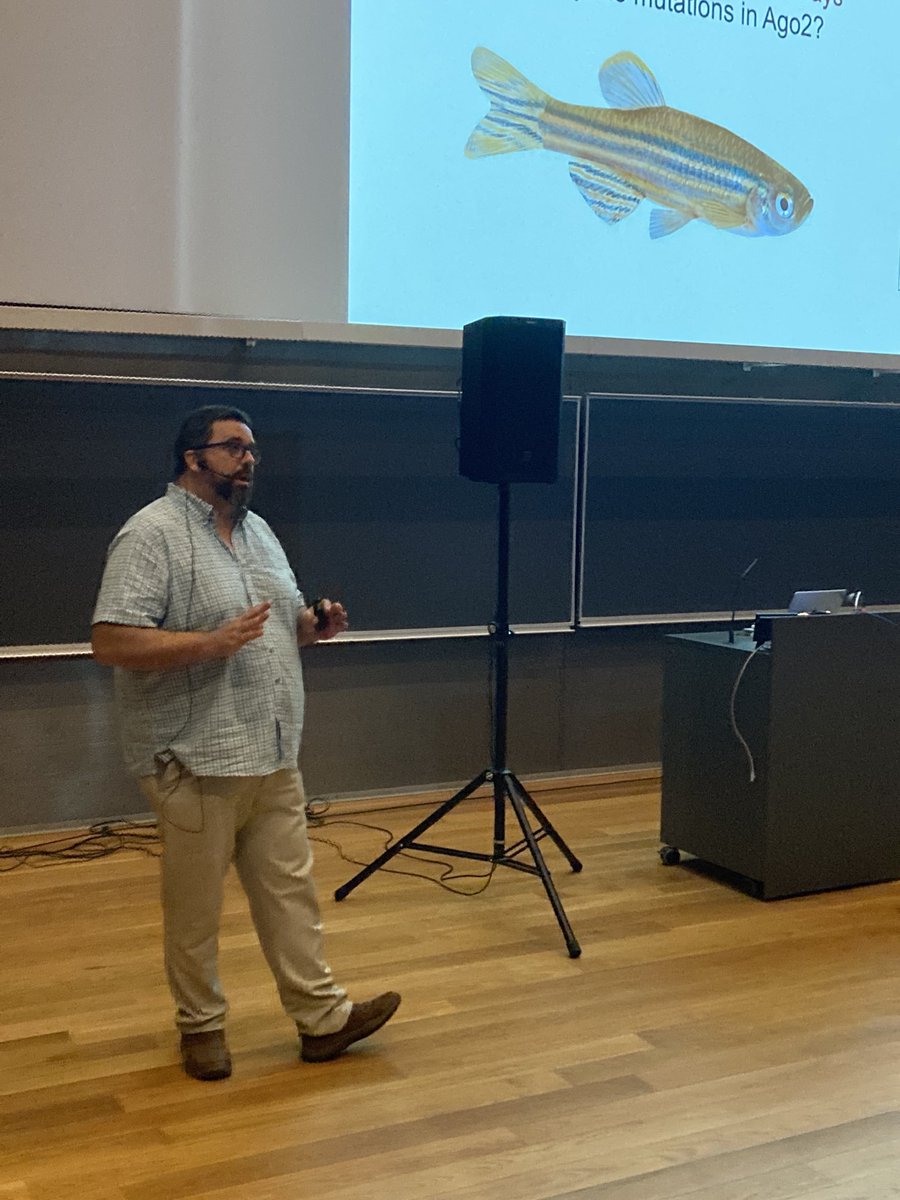
Mutations in Argonaute proteins can significantly disrupt the miRNA biogenesis and functionality in target repression, and cause neurodevelopmental diseases. But how?
Check out our new paper about modeling Argonaute Syndrome in C. elegans. 👇👇👇
https://t.co/3114QVxm1R
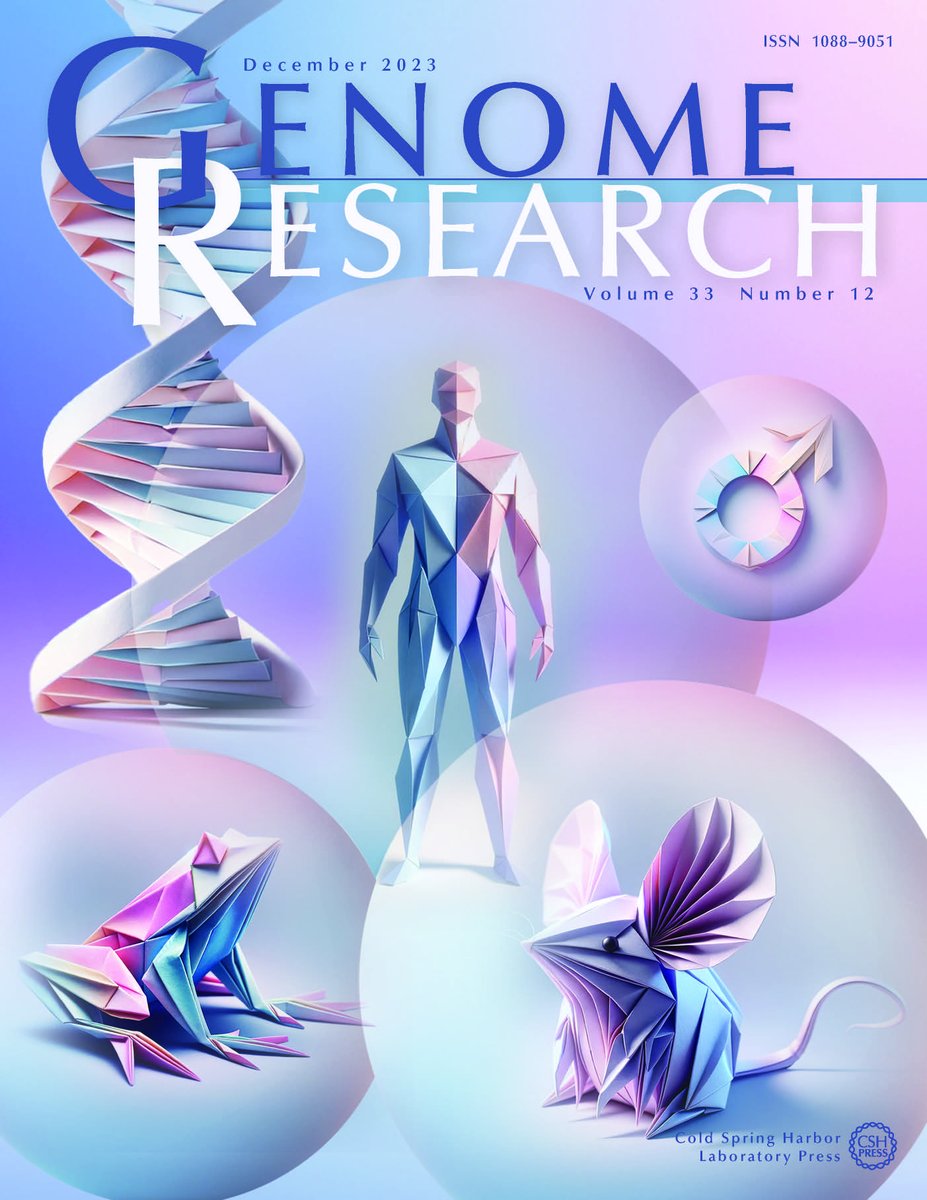
The new issue of @genomeresearch is now live. Follow the link to new research on sperm chromatin organization and gene expression, long-read CAGE sequencing, and more. https://t.co/J9aUukvBfv
@biorxivpreprint Check out the first work from the Krietenstein lab. Our approach to dissect histone PTM specific genome organization. Relentless work from @MariaMetelova to optimize Micro-C-ChIP conditions for high-quality sample preparation. I am immensely proud to see this online!