Silva et al. show that 12 months of resistance training modestly reduced white matter hyperintensity lesion size in adults aged 55+, suggesting potential benefits for slowing cerebral small vessel disease progression, particularly in women.
Read it at 👉https://t.co/kVI5V479rK
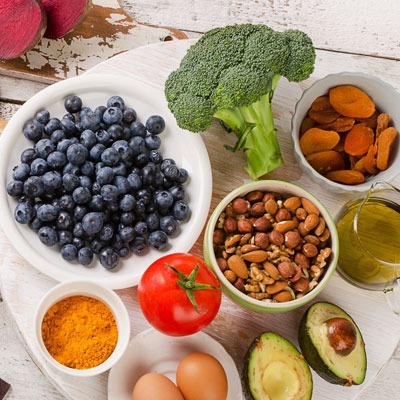
This 12 year follow up study shows that more closely following the Mediterranean diet slowed brain ageing by reducing age-related atrophy. What a fascinating paper, and yet another reason to be mindful about our diets!
Figures shows Associations of MIND diet score with brain structural changes.
https://t.co/qaGaMIYfpb
#MedNews: Up to 45% of #dementia cases may be preventable by addressing modifiable risk factors.
Here's what the latest research says about reducing the risk of #Alzheimer disease and other dementias.
https://t.co/LnMXWzXD8o
Gute Schlafqualität hängt offenbar mit der aktuellen kognitiven Leistungsfähigkeit zusammen. Aus dieser Studie lässt sich aber nicht ableiten, dass bestimmte Schlafmerkmale vor Demenz schützen oder Demenz zuverlässig vorhersagen.
https://t.co/A2CBiXxJwp
Vaskuläre Gesundheit im mittleren Lebensalter reduziert das Risiko für Demenz. Insbesondere nicht zu rauchen, kein Diabetes und kein Bluthochdruck waren mit der größten Risikoreduktion verbunden.
https://t.co/lbyI21qX7o
𝐃𝐨𝐞𝐬 𝐝𝐢𝐞𝐭 𝐡𝐨𝐥𝐝 𝐭𝐡𝐞 𝐤𝐞𝐲 𝐭𝐨 𝐥𝐨𝐧𝐠 𝐭𝐞𝐫𝐦 𝐛𝐫𝐚𝐢𝐧 𝐡𝐞𝐚𝐥𝐭𝐡? 🧠🥦
Ultra processed foods are a dominant source of energy globally. While their link to metabolic disease is established , a new systematic review in this journal explores their impact on the brain.
The study investigated associations between intake and critical outcomes including dementia risk and cognitive decline.
𝐊𝐞𝐲 𝐟𝐢𝐧𝐝𝐢𝐧𝐠𝐬:
1️⃣ A 10 percent increase in the proportion of ultra processed foods was associated with a 25 percent higher risk of all cause dementia.
2️⃣ Higher consumption was linked to accelerated decline in executive function and global cognitive scores.
3️⃣ Replacing just 10 percent of these foods with less processed alternatives was estimated to reduce dementia risk by 19 percent.
While these results identify deleterious effects, the researchers note that the relationship may be influenced by overall diet quality and individual health status.
Read Full study: https://t.co/b4OCpLHiSn
#Nutrition #BrainHealth #Dementia #PublicHealth #UPF #ScientificResearch #CognitiveHealth #SystematicReview
Published today, Brain Health Across the Life Span: A Framework for Future Studies A Scientific Statement from the American Heart Association.
📷 Recommendations to optimize brain health
Yet more important evidence on the importance of physical activity in diabetes management: this study shows COMPELLING evidence from almost 3000 patients that increased physical activity decreases risk of diabetic peripheral neuropathy. Moderate and vigorous activity reduces risk of nerve damage from diabetes.
https://t.co/TGSykWlbAD
Sensory impairments are increasingly recognized as critical risk factors for dementia. A new supplementary issue in the Journal of Alzheimer’s Disease, guest edited by @WillaBrenowitz, myself, and others, compiles great work exploring the links between sensory loss and AD/ADRD.
Schon kleine Veränderungen bei Schlaf, Ernährung und Aktivität können laut dieser Studie einen Unterschied bei der Lebenserwartung machen.
https://t.co/LBHoDC8RyV
So much of recent (and not so recent) literature links brain health, especially at older age, to adiposity. The evidence is overwhelming - and time will tell whether emerging pharmaceuticals targeting weightloss will reduce risk of age-related brain diseases.
Körperliche Aktivität auch im höheren Alter ist ein beeinflussbarer Risikofaktor bei der Demenzprävention, wie auch diese Studie zeigt.
https://t.co/AsDai0JPlN