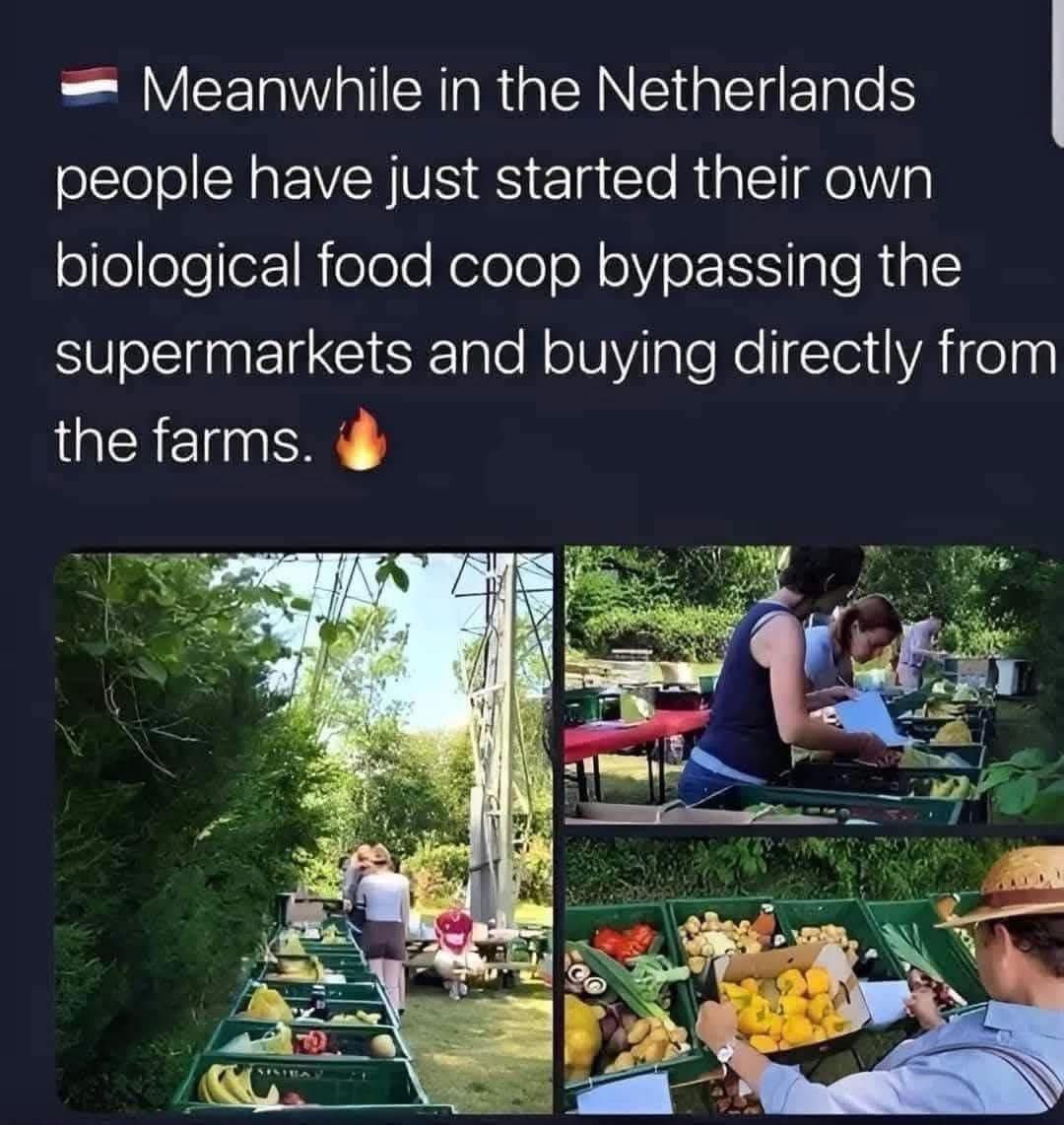
Billions of small-scale, ecological farms offer a triple solution: they will feed the world, provide jobs where they are most needed, and restore our environment, tackling the food crisis, the unemployment crisis, and the environmental crisis all at once.
A tiny bee just did what chemotherapy couldn't.
Scientists in Australia discovered that honeybee venom can wipe out 100% of aggressive breast cancer cells in under 60 minutes.
And the healthy cells around them? Barely touched.
The breakthrough came from Dr. Ciara Duffy and her team at the Harry Perkins Institute of Medical Research, working alongside the University of Western Australia.
They tested venom drawn from 312 honeybees and bumblebees across Australia, Ireland, and England.
The target: triple-negative breast cancer and HER2-enriched breast cancer. Two of the deadliest, most stubborn forms of the disease.
The weapon: melittin. The same tiny peptide that makes a bee sting burn.
At one specific dose, melittin tore through cancer cell membranes completely within an hour. Within just 20 minutes, it shut down the chemical signals cancer cells need to grow and multiply.
Bumblebee venom, which lacks melittin, did nothing. Zero effect, even at high concentrations.
Scientists then recreated melittin synthetically in the lab and got almost identical results, meaning no bees need to be harmed to develop the therapy.
Published in the peer-reviewed journal npj Precision Oncology, the findings are still early-stage. Human trials haven't happened yet.
But one thing is clear. Nature has been hiding answers in plain sight all along, sometimes inside the smallest creatures on Earth.
Source: Harry Perkins Institute of Medical Research / npj Precision Oncology (Dr. Ciara Duffy et al.)
Nobody could figure out why the abandoned Hendricks apple orchard suddenly bloomed in April 2019. The trees hadn't produced fruit in eleven years. County agriculture office sent two inspectors. They found sixty thousand honeybees working the property - a massive colony that had escaped from Tomás Vega's apiary three miles south. Tomás had reported the swarm missing in March. He expected them dead. Instead they'd colonized the hollow barn on the Hendricks lot and cross-pollinated every surviving tree. That October, the orchard produced twenty-two tons of Cortland apples. The Hendricks family offered Tomás a permanent lease. He moved his entire operation there the following spring.
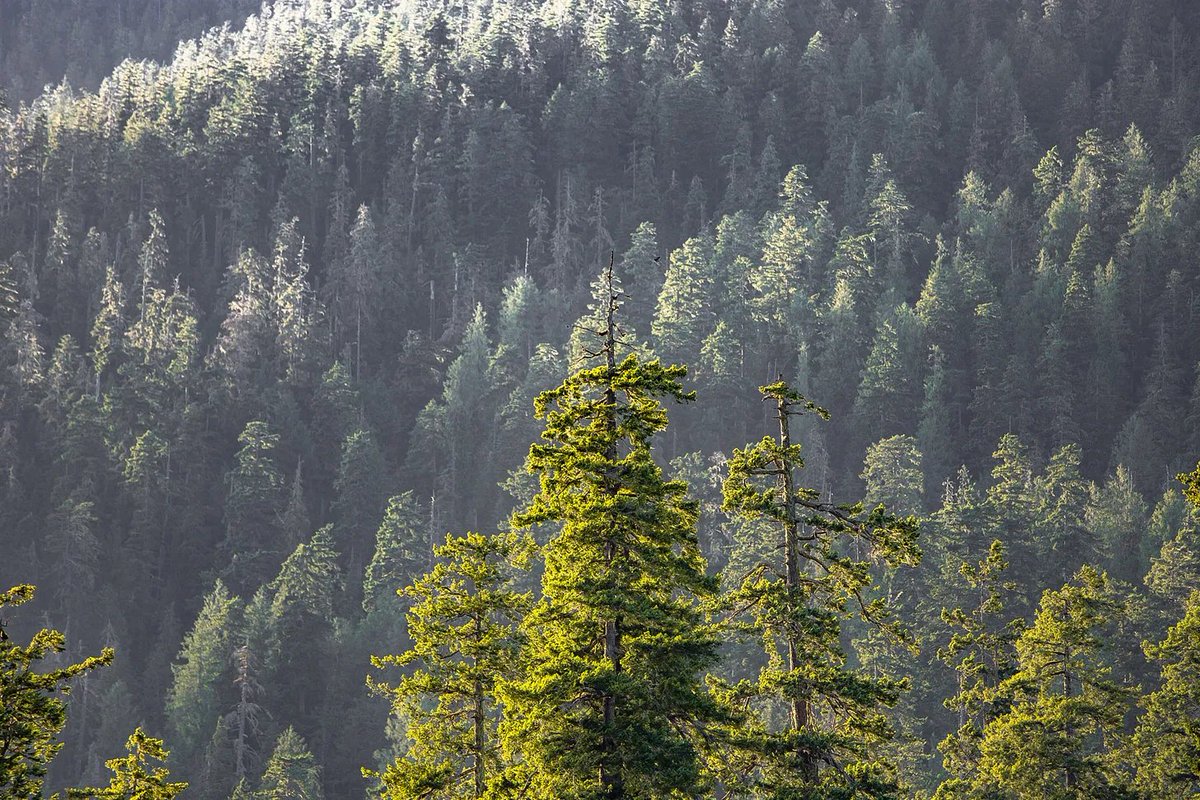
BLM Announces Plan to Fell Oregon's Last Great Forests
One billion board feet per year... 20 days to make your voice heard.
They filter drinking water for downstream communities. They hold soil on steep slopes above salmon streams that are already in crisis. They’re home to the northern spotted owl, the marbled murrelet, coho salmon, steelhead, and hundreds of species that evolved over millennia in conditions you can’t replicate by planting seedlings in rows.
https://t.co/BpNE0aMlbx
Nutrient dense eggs from free range chickens that I haven’t fed in years. They forage for 100% of their food
Does this method hurt production? Sure. Some
But I know these are the most natural eggs on the planet and so do my customers
Kick the feed habit. Know your farmer
Travel idea: Visit an apitherapy wellness retreat with bee beds on beautiful Valentia Island on Ireland’s Wild Atlantic Way. Did you know beekeepers live longer? The vibrations of the bees & the scent they make are shown in studies to be healing for the body.
@euronews
https://t.co/V7NM3Ue7ys #traveltips #honeybees #bees
New research sheds light on the incredible, invisible mycelial networks beneath our feet—where plants and fungi engage in a complex trade of carbon and nutrients. Using cutting-edge robotic imaging, scientists have uncovered how mycorrhizal fungi form efficient, dynamic underground supply chains. This groundbreaking study reveals the fascinating behaviors of these networks and their crucial role in carbon sequestration.
Repost 🔁: @newscientist
🎥 Dr. Loreto Oyarte Galvez and Dr. Corentin Bisot/SPUN (@spununderground)
Soil microbes don’t just coexist—they communicate
Through quorum sensing, bacteria and fungi synchronize, turning collective actions on or off depending on population density
This hidden system drives nutrient cycling, disease suppression, and drought resilience
How it works: