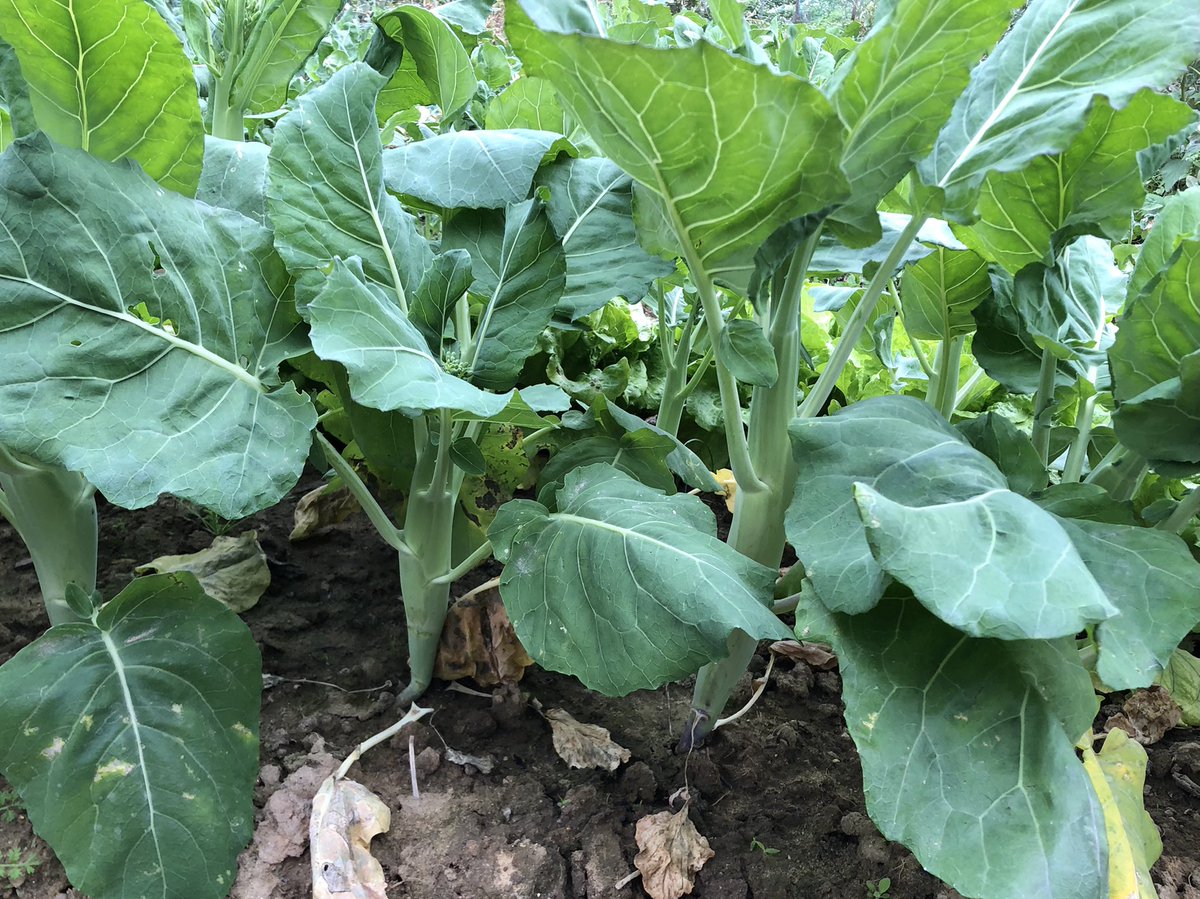
Look at this great postdoc opportunity! 😁 Come work with us on cannabis genetics and flowering time diversity in beautiful Vancouver (and help reduce cannabis' humongous carbon footprint, since you are at it). Also, new website! https://t.co/0nuN6AbVkd
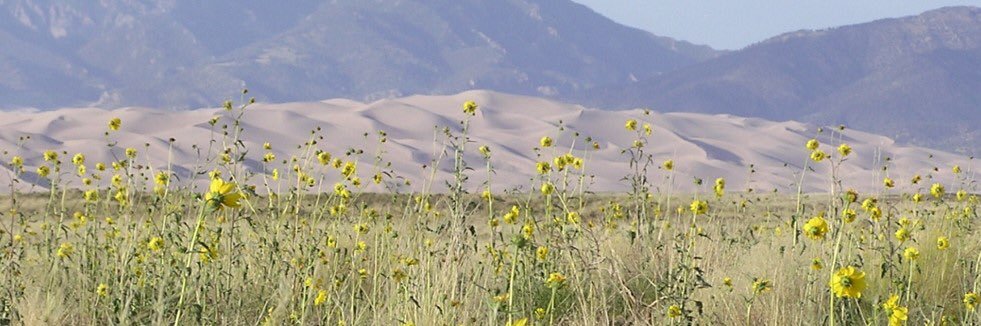
Excited to share our new paper in @PNASNews, "The genomics of linkage drag in inbred sunflower lines"! 🌻 We examine wild introgressions' effects on cultivated sunflower, revealing pros & cons. https://t.co/cNghGZtiF0 🧬🌾 #SunflowerGenomics#CropImprovement#LinkageDrag
📢 Nominations are now open for the Harry Smith Prize, which recognizes the best paper published in Molecular Ecology in the last year by graduate students or early career scholars. See link for details and apply by 31 Mar!
https://t.co/iDKYrsV9ce
📢 Nominations are now open for the 2023 Molecular Ecology Prize. This prize will go to an outstanding scientist who has made significant contributions to molecular ecology. Apps are due March 31, check here for more details: https://t.co/oDIQqzwHqY
Zero-shot prediction of non-coding variant effects using a DNA language model. Terrific work done by my talented PhD students @gsbenegas and @sanjitsbatra
So, lots more wild sunflower & cannabis genetics, genomics, mol/dev/evol biology and ecology to come, with the goal of understanding plant diversity and adaptation, and how to make more resilient and sustainable crops 🌻🌿🧬🥳 (positions soon available, if anyone is interested)
We analyzed 4.4 million @Team_eBird records to find out why tropical birds live in narrow slices of mountainside
You won’t BELIEVE what we found
Out today in #ScienceResearch
https://t.co/u8xbKZeWNj
w/ @StrimasMackey & @EliotITMiller
The potato pan-genome epitomized the power of section-wide pan-genomics in dissecting tuber evolution, providing vital insights for hybrid potato improvement, and building a feasible framework of pan-genome studies that can be followed by other crops.
https://t.co/LmAWgnSEQb
Our lab two pangenome paper just online back-to-back in @Nature. We use tomato graph pangenome to capture the missing heritability and guide tomato breeding. 1/n
https://t.co/l4x1K78oop
So excited to see my paper with @ntherk featured on the cover of Molecular Ecology Resources! Thank you @x_dallaire and @ClaireMerot for writing this excellent perspective piece!
Nominations are now open for the Molecular Ecology Prize. The prize recognises outstanding scientists who have made significant contributions to molecular ecology.
Nominations are open until the 6th of June!
Details:
https://t.co/Q4jZX1NfbL
A huge congratulations to Arne Jacobs
@fishyomics from the University of Glasgow for winning the 2022 Harry Smith Prize! This prize recognizes the best paper published in Molecular Ecology or Molecular Ecology Resources by an early career scholar.
https://t.co/Y12X0orJqz
@yanivbrandvain Introducing with full term + parenthesized acronym used in rest of paper can work well: helps readers and web-searchers(!), esp. for rarer (here, MCMC, DMI, and even MHC) and/or jargon-ambiguous (IBD, IBS, anything matching a gene name) acronyms.
Molecular Ecology Resources welcomes papers for the Special Issue 'OMICS TOOLS FOR
SPECIES CONSERVATION'. Deadline: November 27th 2022.
Details: https://t.co/Np11txxg0e
We are still accepting nominations for the Harry Smith Prize. This prize recognizes the best papers by graduate students and early career scholars published in ME/MER last year. Nominate yourself or a colleague before Apr 29!
https://t.co/XLSnwfRsyR
If you know a #youngReseacher (e.g. yourself) who published a cool paper in ME/MER last year, email me a nomination for this year’s Harry Smith Prize by April 29. Details: https://t.co/lLoaUExBTe