이 구조에 대해서 쉽게 설명하겠음.
차입을 통한 레버리지의 문제에 대해 설명한건데
내가 쉽게 설명할수 있을지 모르겠지만 시작해보겠음
1. 일단 하이닉스 판매한 국내 증권사 입장에서 봐야함
2. 외국인들이 국내주식 매수할때 구조가
외국계 헤지펀드(매수자) - 외국 대형 증권사(중개) - 국내 증권사 이렇게 구조가 되어 있는데
3. 외국형들이 매수하면 국내증권사는 그에 상응하는 담보를 맡겨야함 (보증금)
* 이것을 총수익스왑이라고 말함
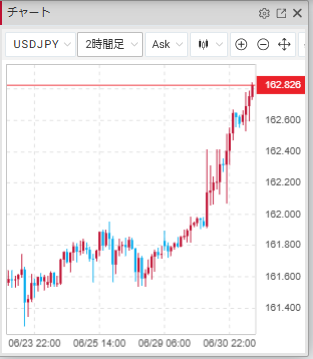
4. ���데 여기서 문제가 발생하는데 국내 증권사가 외국 증권사에 담보로 1억 달러 맡긴다고 치면 환률이 높아지면 더 많은 돈을 맡겨야함. (달러가치 때문에) 1달��가 100원이면 백원만 맡기면 되지만 1달라가 150원이면 더 많은 한국돈이 필요함
즉, 한국 증권사가 더 많은 차입이 필요하게 됨
5. 근데 담보를 주로 한국 국고채로 맡김
근데 7월달 한국 금리인상한다고 하니 담보 가치가 하락함
그러면 외국증권사는 담보 더 넣으라고 함
그러면 또 다시 차입이 필요하게 됨
6. 외국인이 TRS 계약을 통해 레버리지로 삼전 닉스를
사달라고 했기 때문에 주가가 오를수록 국내 증권사는 그만큼 현물을 시장에서 더 많이 사서 넣거나 증거금을 더 내야함
7. 가장 큰 문제는 다들 알다시피 글로벌 펀드 단일주식
구매 한도가 25%인데 이 이상 올라갈수록 기계적인 매도가
필요함
8. 그러는 사이 국내 자본시장은 엉망진창이 되는됨
9. 금융위원장이 레버리지 상품 만들건 후회한다고
말한게 바로 이 이유 때문임.
This is one of the strangest good news is bad news stories ever --
the Korean won is trading at near record lows despite a massive influx of fx from surging demand for memory chips.
Massive!
1/3
원화도 엔화도 올해 초부터 말했듯이 각국 주식시장과 함께 움직인다. 예전 forex 움직임과 달리 AI capex가 쭉쭉 뽑아주면서 연간 GDP도 매달 상향되고 있는데 기업 측면에선 때땡큐지.
국민연금 통해서 인터벤션 한것도 2년동안 3번 정도 되어가니 시장도 나름 적응기를 거친것 같고.
FOMC Review
To be honest, I found it quite fascinating—even though I'm currently taking a loss on my position. I saw a few points where I need to shift my thinking. I have no intention of changing the direction of my position just yet; to get that level of conviction, I'll need to do some additional research.
I have no intention of asking cliche questions like, "Will a 50bp hike be executed?" My fellow traders are entirely fixated on that. And the Dot Plot. I actually think those kinds of inquiries have become stale topics. To those struggling to find justification for an immediate rate hike, I told them, "Guys, let's not forcefully rationalize what has already happened. There are significant developments unfolding. Wouldn't it be better to focus more on those?" Naturally, their reaction was skeptical.
So, I'm just going to do my own work. I actually like this kind of new paradigm. It might be something completely newly created, but a lot of it starts from improving upon what already exists. Then the questions we must ask are: "What will be changed, and how? And why is that necessary?"
I think well-balanced macro investors will largely agree with this shift brought by Warsh. As he mentioned, imagine us placing "bets in front of a black box" every month, even after experiencing time and again how old-aged, poor-quality data shakes the market itself. Think about how much that eats away at your brain.
Here are the three main points I took away:
First, the SEP (Summary of Economic Projections) is going to get quite thick. I believe this will be similar to when the BoE significantly revamped its MPR (Monetary Policy Report) when I was trading Gilts last year. Now, I need to structure my Claude in a more advanced way... because physically digesting dozens of pages at once on a single screen is impossible.
Second, I'll need to start anticipating and comparing the differences between the BoE/ECB frameworks and the Fed's framework. Finally, the Fed will be receiving a sort of advice from external experts through a Task Force (TF). I think this aspect is going to become extremely interesting.
Third, Warsh viewed the loop structure of market pricing from a new angle. He showed a degree of caution regarding the Fed's influence on prices. When both the Fed and the market have more reliable data, we should be able to reduce some of the volatility we've experienced in the past. The backbone of the intrinsic valuation process within market pricing itself could become much more robust.
Over the next few days, I plan to pore over the Q&A again and gather various signals that will allow me to prepare in advance.
Today's press conference didn't obsolete my past trading ideas at all. It just made me realize the need to refine them further.
Korea's won is incredibly weak (global financial crisis or Korean BoP crisis levels ... ) even though Korea's fundamentals are sound (BoP has a massive surplus, fiscal debt is modest, etc).
Will be interesting to see if the Koreans can mount a defense this week ...
1/
모멘텀 vs 펀더멘털. 그간 탈 달러화로 인해 빠졌던 펀더멘탈 트레이드가 돌아오는 듯. 물론 전쟁 이슈로 인해 고유가 고물가가 영수증으로 뽑아나오니까 당연히 리스크 오프로 가야하는데 AI로 멱살캐리했던 거지. 코스피 이번달 외인 빠지는거가 첫 시그널이고, 길어지는 이란/미국 협상이 쵸킹.