시장이 간과하는 정말 엿같은게 있다. 삼성전자 하이닉스 메모리로 평가받는데, 오늘 보는 컨텐츠들 유난히 삼전의 타사업부 얘기 많이한다. 삼성전자 모바일, 시스템반도체, 파운드리, 메모리, 가전.. 각각 가치매겨서 인정해야 공평한거 아니냐.. 어떻게 하이닉스랑 지금 시총이 비슷함
분기보고서.
절연유 내수(국내 변압기향) 매출 폭증. 절연유 수출은 줄어들면서 전체는 완만히 상승함.
캐파는 이미 빵빵하게 갖춰놨고 가동률 아직 24프로 수준. 100프로 가동 시 절연유만 1500억 이상 된다는 얘기.
이렇게 설비를 늘려둔 이유가 과연 뭘까ㅎㅎ
#미창석유
라오어 무한매수법 인증글이 부쩍 많다. 안타까운게 지금처럼 수직상승장에서 해당 전략은 극소량에서 청산되기 때문에 수익이 매우 적다. 같은기간 soxl이 300프로가 올랐는데 그 안에 있으면서도 20프로 수익이 다라는게 과연 자랑일까... 전략의 이점을 자랑하려면 횡보장이 와야할거다.
*Samsung is paying 78,000 chip workers a $340,000 bonus each* .Not their salary. The bonus. The total bill is $26.6 billion, which equals 1.4% of South Korea's entire economy, going to less than 0.3% of the country's workforce.
The average Korean earns roughly $32,000 a year. So each Samsung chip worker is pocketing about a decade of normal pay in one go. Memory-division employees may collect closer to $396,000.
The cash comes straight out of Samsung's chip profits, which are projected to hit 330 trillion won (around $218 billion) this year. It's seven times higher than just a few years ago, driven by the AI boom. The deal gives workers 12% of those profits: 10.5% as company stock, the other 1.5% in cash. And not just this year. The setup repeats every year for the next decade, as long as profit targets get hit.
KDI, South Korea's main economic think tank, just raised its 2026 growth forecast from 1.9% to 2.5%, thanks entirely to the chip boom. The extra growth works out to about $48 billion in new GDP. More than half of that is now landing in the bank accounts of 78,000 workers at one company.
Real estate noticed early. In the first three months of 2026, before the contract was even signed, apartment sales in Dongtan, the suburb next to Samsung's main Hwaseong campus, more than doubled compared to a year earlier. Up 128.9%. Pyeongtaek climbed 36.8%. Yeongtong, where Samsung's headquarters sits, rose 28.7%. Local agents told the Seoul Economic Daily the buying began the moment bonus talks leaked.
The tax bill is even bigger than the bonus. The Korean government expects to collect roughly 100 trillion won, around $67 billion, in extra tax revenue from the chip sector this year alone. The presidential office has openly floated a "national dividend," a direct cash payment to every Korean citizen, to redistribute the gains.
Other industries are paying attention. SK Hynix locked in a similar 10% profit-share deal last September. Hyundai's union has reportedly asked for the same arrangement. Trouble is, cars and batteries don't run chip-level margins, and Korea's main business lobby has warned that copying this deal across the country's big family-owned conglomerates (the chaebol world) could blow up wage talks everywhere.
Samsung's group of companies already account for around 22% of South Korean GDP. Whether 2026 ends up a good or a great year for Korea now mostly depends on a single number: how many memory chips Samsung and SK Hynix can ship to AI data centers from California to the Middle East.
Forty trillion won, going to 78,000 people clustered in three cities south of Seoul. Korea's wealth map is being redrawn around the chip belt.
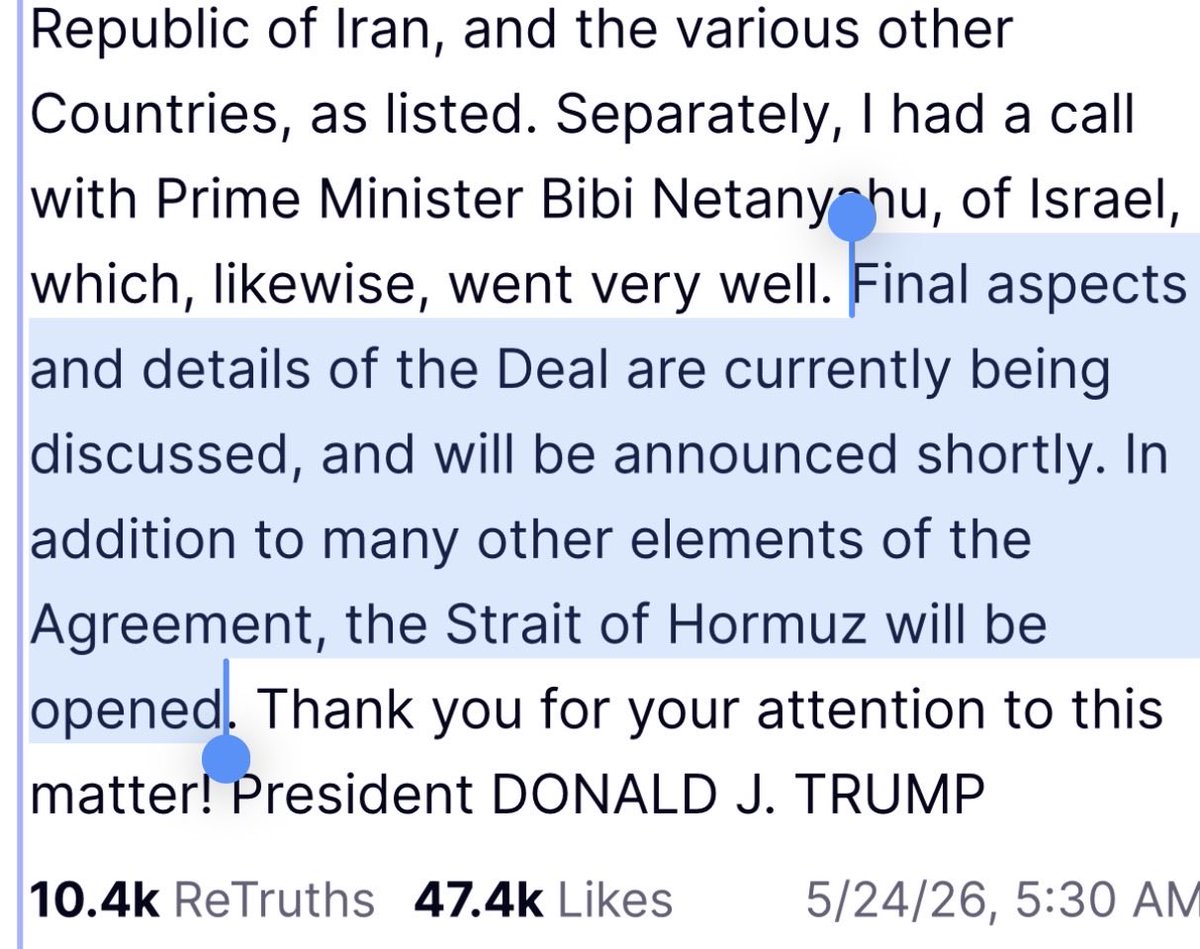
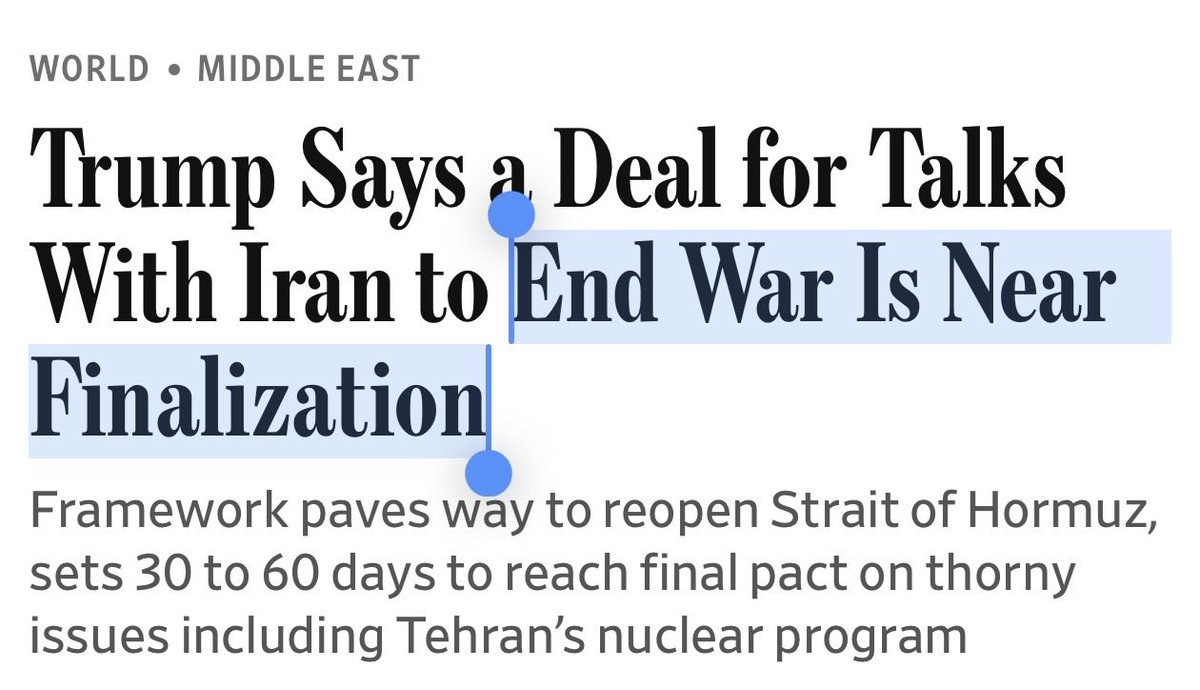
Well, looks like Iran War is about to end.
Markets/Indexes are probably going like this Monday.
Probably even better for Europe/Taiwan/Korean equities that were dragged down more from oil fears.
If something goes up during this time… probably goes higher in better macro.
Korea is, in 2026, the single largest pool of mispriced equity left in any developed market on earth, with hundreds of profitable, debt-free companies trading below tangible book value, land carried on the balance sheet at 1970s acquisition cost, and a Corporate Value Up Program that is, in real time, dismantling the 30-year discount through dividend tax cuts, activist campaigns, and a Korea Exchange that now promotes its Value Up Index ahead of the KOSPI itself. You build a basket of 30 to 50 names, hold for a decade, and let the math do the work, because the only thing standing between you and one of the largest mispricings in modern public markets is a brokerage account and the willingness to do the unglamorous work that almost no other American investor has yet bothered to learn.
오늘자 중앙재경에서 나온뉴스
올해 3월 중국 일평균 토근 사용량이 140조 초과 2024년보다 1000배
텐센트 토큰가격 400%인상
아리바바클라우드 한달내 토큰가격 3번 인상
일평균 토큰 사용량 보면 얼마니 많은 데이터
를 만들었는지 상상도 안가죠
이 하루데이터만 저장하려도 ssd가 얼마나 필요한지 상상도 못합니다
그런데 중국 창신메모리 양쯔메모리가 가격후려쳐 치킨게임을 한다 ?
오너들이 미쳤나요?
토큰가격이 이렇게 오르는데 사용량이 이렇게 많으면
제본스의 역설로 앞으로 토큰 가격이 떨어지게 되면 사용량이 토큰가격이 떨어지는데 반비례해 폭발할겁니다 그럼 생산된 데이터는 더 폭발하겠죠 왜냐면 토큰가격이 싸졌으니 더 사용하게 됩니다
그럼 ssd와 메모리 다 중요하지만 ssd저장 장치가 dram보다 앞으로 훨씬 더 중요해지게 된다는것 느낄것입니다
samsung hynix mu kioxia sndk