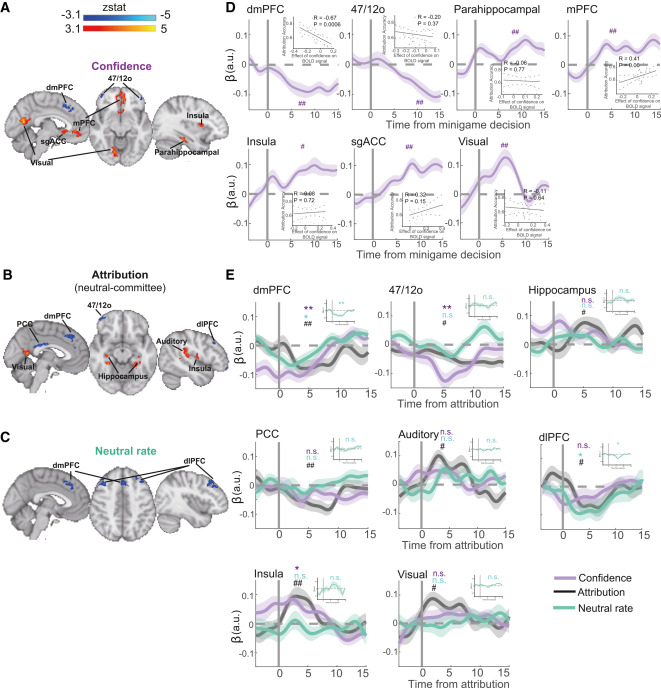
New paper in Imaging Neuroscience by Rebecca C. Nikonowicz, Fabrizio Sergi, et al:
fMRI reveals brainstem and cortical networks contribute to the instruction-dependent modulation of stretch-evoked motor responses
https://t.co/j41k3O01lz
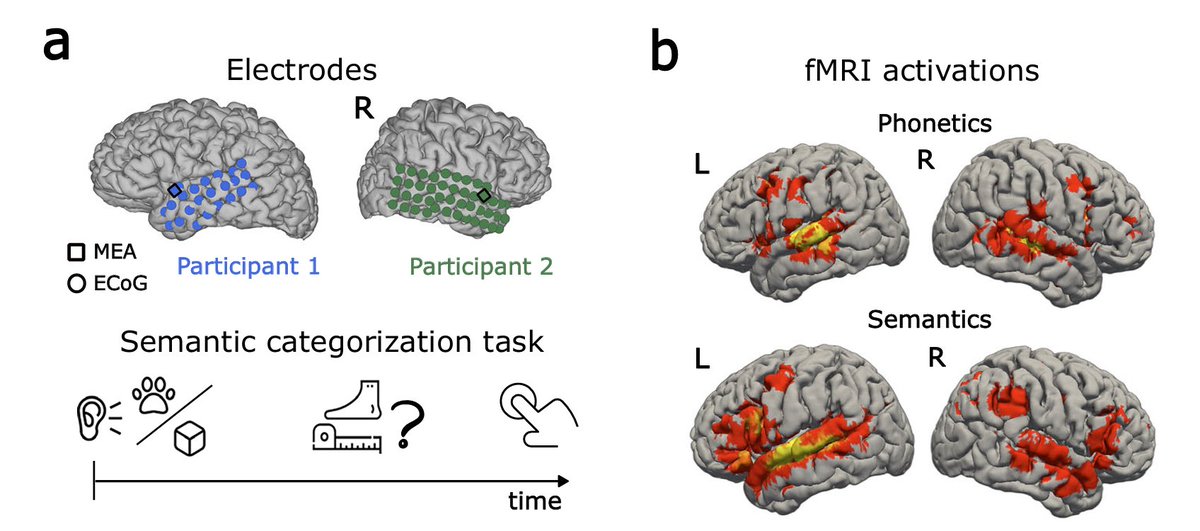
𝗥𝗲𝗰𝗼𝗿𝗱𝗶𝗻𝗴 𝗮𝗰𝗿𝗼𝘀𝘀 𝗯𝗿𝗮𝗶𝗻 𝗱𝗶𝘀𝗰𝗼𝘃𝗲𝗿𝘀 𝗯𝗿𝗮𝗶𝗻𝘄𝗶𝗱𝗲 𝗿𝗲𝗽𝗿𝗲𝘀𝗲𝗻𝘁𝗮𝘁𝗶𝗼𝗻𝘀
Neuroscientists now recording across the brain are finding what fMRI revealed in humans. Signals are not localized but often all over the brain.
https://t.co/7LvLWtN3uw
Boltz is becoming less like a binder-design tool and more like a programmable protein editor.
The Boltz API now supports:
• Protein fusion
• Protein inpainting
• Sequence redesign
Build, rebuild, or locally redesign proteins — all through one API.
https://t.co/KJ5EXnYvok
Not sure how to visualise your connectome data?
Want to easily share interactive visualisations?
Check our latest paper in @netneurosci led by @m_gajwani & C Adamson introducing NeuroMarvl - an open source web-based platform for visualising and sharing connectome data!
Paper:
https://t.co/6aenU53yUk
Software (use Chrome):
https://t.co/jDz8lVDhrP
@NSB_Lab
1/16 Our work is now published in @Nature.
The psychedelic brain is often described as desynchronised or entropically disordered. That is true, but incomplete.
Beneath the apparent disorder, we found structured brain activity aligned with context.
https://t.co/r8eG5ht2Sj
1/6: Excited to share final version of our new hierarchical SUBCORTEX ATLAS in @NatureNeuro
27 new functional regions organize across 4 scales and adapt to changing cognitive demands
Full text access: https://t.co/CfFMzicqdy
Well done @yetianmed@DrBreaky@DanielMargulies
New paper alert! We find that dynamic functional connectivity is more turbulent in autism at smaller spatial scales, but less turbulent at larger scales. Parcel-level turbulence differences also align with the S-A axis. @LAND_IIT@IITalk@ERC_Research https://t.co/BhVkF1Np1e
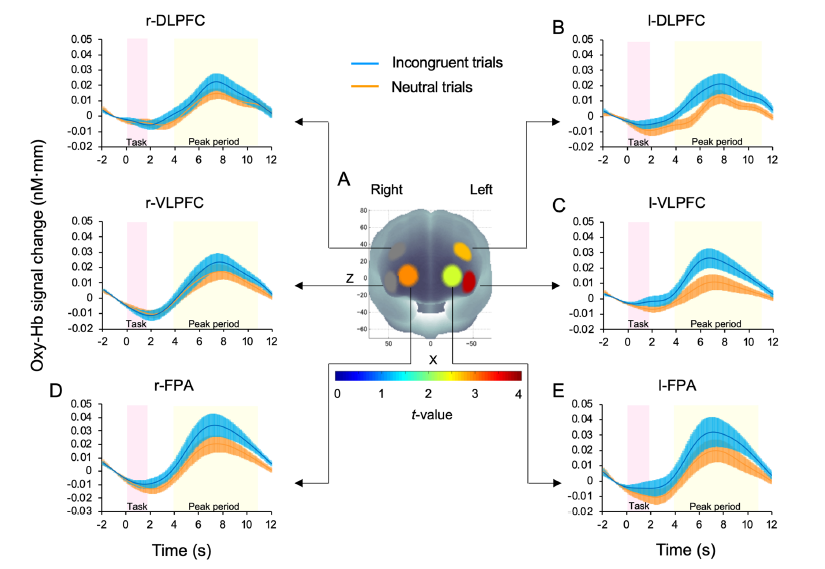
New paper in Imaging Neuroscience by Chorphaka Damrongthai, Hideaki Soya, et al:
Slow running benefits: Boosts in mood and facilitation of prefrontal cortex function even at very light intensity
https://t.co/0hPmdmsXuU
Brain stimulation using theta-frequency alternating currents combined with magnetic stimulation is a noninvasive way to increase plasticity and motor function in both young healthy adults and stroke survivors, a new study shows. https://t.co/ivZ5KGCRpL