I’m following a post seeking opinions on transitioning from EMS to nursing. The comment section is largely dominated by those who have done so stating that they loved being a paramedic, but could no longer sacrifice time with family, opportunities for growth, & a living wage.
cardiac output = (heart rate)(stroke volume)
if the heart rate isn’t super fast (eg perhaps under ~150ish), slowing it down will usually *decrease* cardiac output
for example: dropping heart rate by 30% wont cause stroke volume to increase by >30%
For those of use who work in the ICU and, unlike our ED colleagues, rarely see a myocardial infarction (MI) on presentation, these are some important electrocardiographic (ECG) patterns to consider as life-threatening STEMI equivalents:
I don't know who has to hear this but feeling for a pulse is not necessary during CPR interruptions if several monitoring waveforms from well-functioning devices (art line/CVP/pulse ox/Swan/ETCO2) are compatible with cardiac arrest. The same holds true if waveforms suggest ROSC*
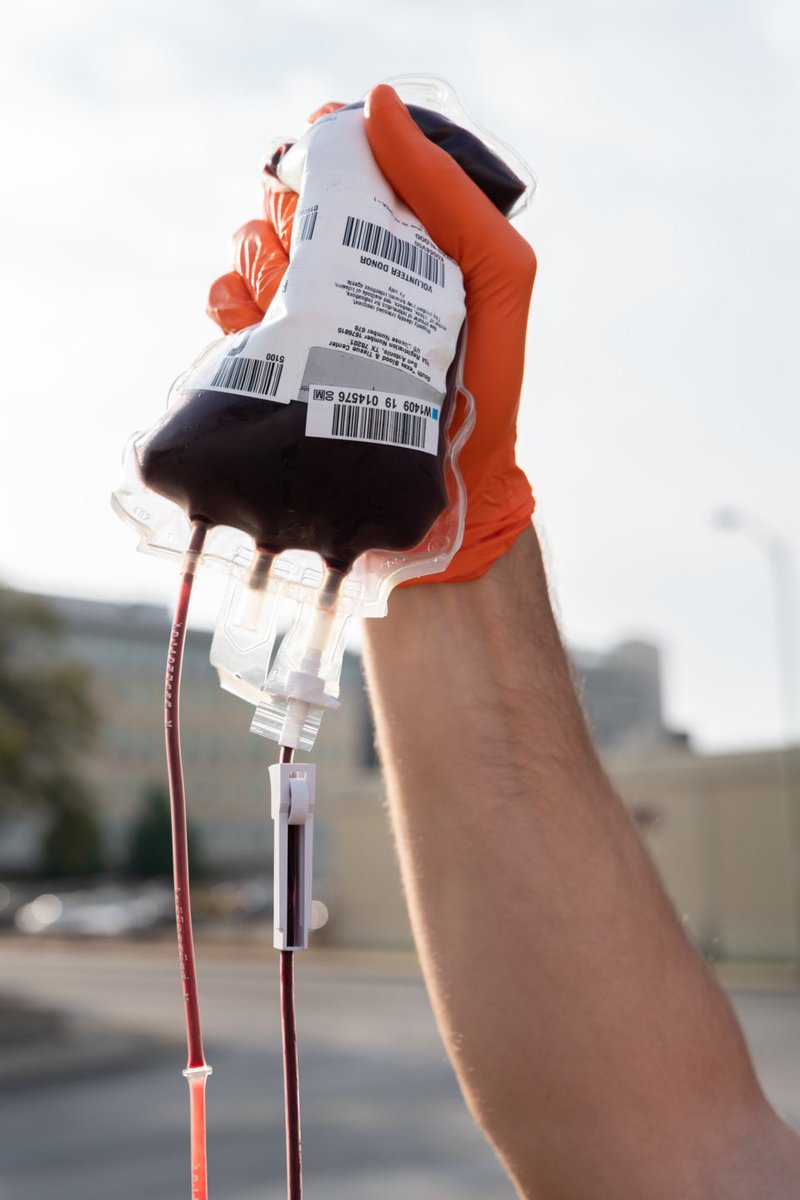
Today we administered whole blood to an unstable GI bleed and his vitals completely normalized
….and then we transported him to the Emergency Department.
#EMS#WholeBlood@PBCFR
[1/3] Years of video review of emergency intubations led me to create a list of the discrete errors that I witnessed. Along with some brilliant co-authors, we recently published a paper on this taxonomy. You can see the paper here:
https://t.co/k2PAGtIuuy
I envision a future of prehospital medicine where #paramedics and EMS systems are paid well enough for the services they provide that they don’t need subsidies or grants.
We've all heard this story.
A person goes for a stress test to ‘check their heart’ and is told they ‘passed with flying colours’.
The following week they have a heart attack.
How is this possible?
Here's how.
🧵👇
/1








![emcrit's tweet photo. [1/3] Years of video review of emergency intubations led me to create a list of the discrete errors that I witnessed. Along with some brilliant co-authors, we recently published a paper on this taxonomy. You can see the paper here:
https://t.co/k2PAGtIuuy https://t.co/ULS6bfIVlk](https://pbs.twimg.com/media/F8-z4Rya8AArbk3.jpg)