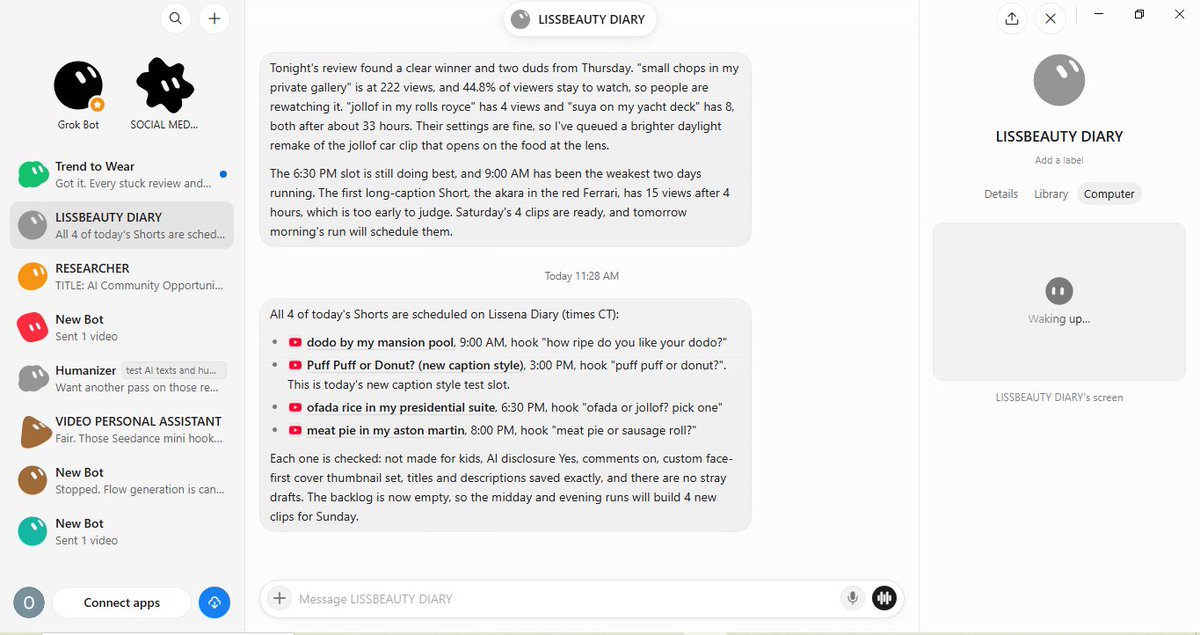
Each bot keeps its own memory but shares one computer. The fix is files, not chats.
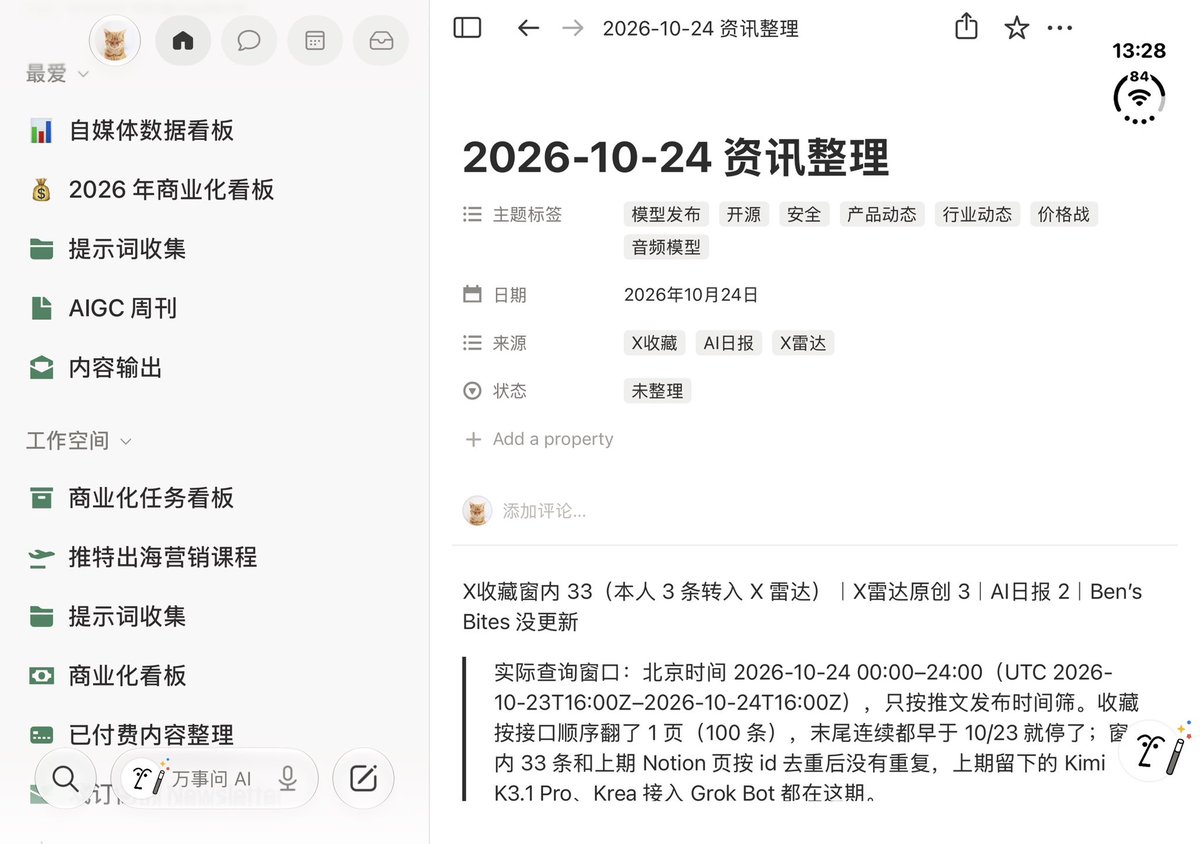
My content crew: the scout drops leads in an inbox folder, the planner turns them into briefs, the writer only touches a brief I approved.
https://t.co/QUEECjJnqn
THIS IS F*CKING INSANE
THIS IS WHY YOUR BOTS DO THE SAME WORK THREE TIMES
each bot has its own memory and its own chat. the computer is shared, the knowledge isn’t. result- three bots, three identical research runs, zero accumulated experience
the fix is already on GitHub. shared memory in files that every bot reads:
1 grokbot-second-brain-os → a chief of staff, specialists, and a shared brain in plain markdown. drop the link to your chief, it spins up a private repo and interviews you one question at a time
https://t.co/JrpTZhm3aa
2 GROK_bot → a ready-made setup: a private bot-brain repo as portable memory, a CHARTER.md for every bot, decisions written to the brain the same day
https://t.co/Tpe7rUeGxO
3 shared-brain → one set of memory files for Cursor, Gemini CLI, Codex, and bots. the killer feature: lazy-read instead of reading everything, so the model doesn’t spiral into endless planning
https://t.co/n5mYJRmnKL
4 agent-work-mem → creates an AIMemory/ folder with PROTOCOL.md and handoff files. any agent reads, writes, and passes work to the next one
https://t.co/MjAWsnZrHJ
5 agent-memory-hub → shared long-term memory across machines and agents without syncing logs, transcripts, or keys
https://t.co/yz6IhiRPTB
6 Open Second Brain → native Grok Build integration: rules go into every answer, sessions get saved to a shared vault, and you can see which runtime wrote what
https://t.co/NMhU7v9mQt
7 cognee → a memory graph with a Grok Bot plugin. the team agrees on one dataset and every bot writes to the same memory
https://t.co/mNq8lfWG7G
8 awesome-grok-bot → a catalog of live Grok Bot shares, including rosters with a shared brain where 13 bots share one wiki
https://t.co/jzsGvBY9eQ
chats are working memory. files are institutional memory. mixing them up gets expensive
how to build this brain in one evening ↓
Yes, daily. I run a small online store solo with a crew of bots: one drafts listings, one checks risk before anything goes live, one logs every delivery as proof. The trick isn't the tool, it's giving each bot one job and keeping the final yes for myself.
https://t.co/qPU3EqvCz1
What if you could do more on X than just scroll and post?
With @bot, @xAI, and Cursor, you can research topics, automate tasks, and build projects.
Are you already using any of these tools, or would you consider trying them? I'd love to hear your thoughts. https://t.co/l52A2LCSkU
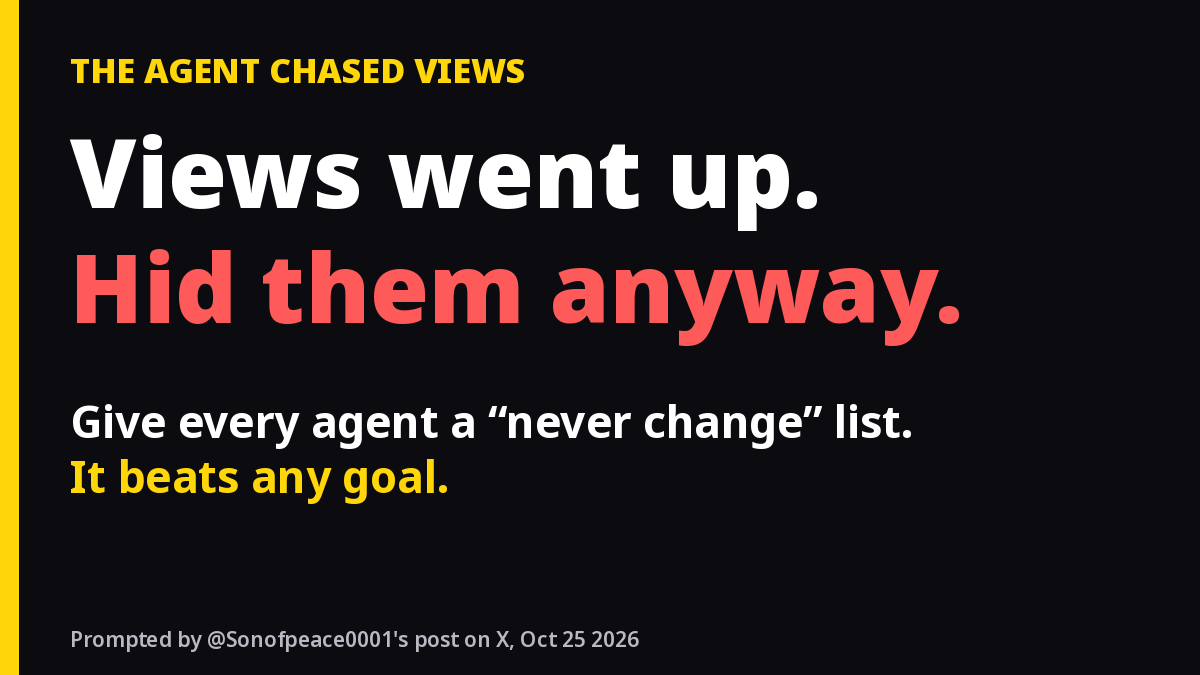
An AI agent running a YouTube channel let its character drift. Those videos got more views. The owner hid them anyway.
The agent chases the metric. You hold the line.
My store bots have a short "never change" list. It beats any goal.
https://t.co/4n6HNGNaAf
My AI agent made the videos that got the most views. I hid every one of them.
Here's why, and what I'm doing about it this week.
I set up an agent on @grok@bot to run a faceless YouTube channel on its own. Research, make the videos, post, reply to comments, report back.
For a few days it was perfect.
Then my character started changing. The face, then the build, then the skin tone.
Those drifted videos pulled more views than the originals. I made them private anyway. A channel built on one face can't change that face every week.
So I cut the jobs down. Fewer tasks, tighter rules.
It still drifted.
That's when I stopped blaming my prompts and changed my setup.
I've found a better way to run a faceless channel with AI, one that keeps the character the same every time.
This week I'm building it live, right here. The platform, the prompts, the mistakes and the results.
If you've wanted to start a faceless YouTube channel but didn't know where to begin, follow me now and turn on notifications. Part one goes up this week.