With recent Scarlett voice model issue shouldn’t we build like open source voice models that are not based on any celebs and has its unique personality to it?
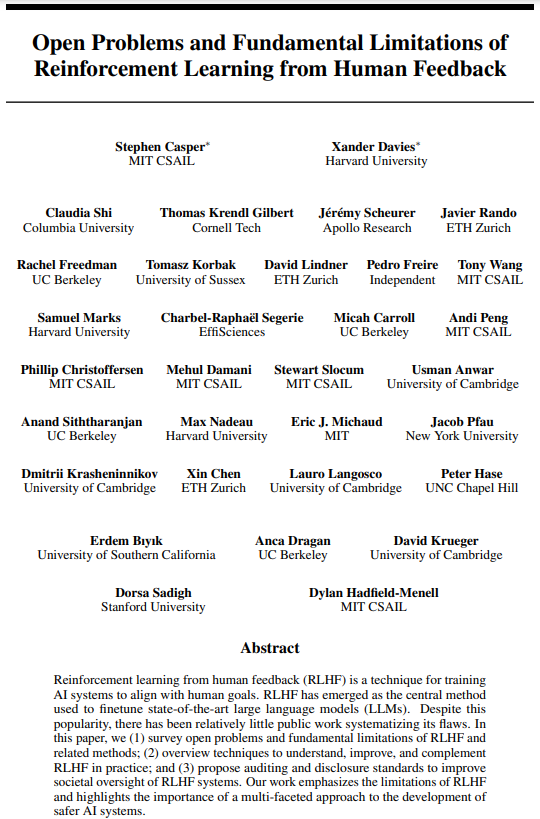
New paper: Open Problems and Fundamental Limitations of Reinforcement Learning from Human Feedback
We survey over 250 papers to review challenges with RLHF with a focus on large language models. Highlights in thread 🧵
Excited to announce Med-Flamingo, a new multimodal few-shot learner specialized for the medical domain!
Last week, we uploaded the pre-print, now it’s finally live!
Paper: https://t.co/v2B7HptMpT
Code: https://t.co/zGtDyZ9NHP
Model: https://t.co/aS1HYyb3ls
A short 🧵.
1/n
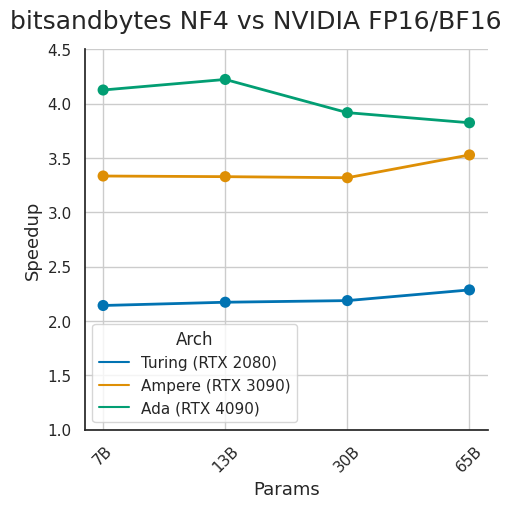
The result of long days of CUDA optimizations: the new bitsandbytes release includes 4-bit inference, which is up to 4.2x faster than 16-bit inference (bsz=1). Full HF integration for all models. No code change needed.
Bnb is growing rapidly, just shy of 1M installs/month🧵
Eeny, meeny, miny, moe,
Searching for context length high and low,
For the best candidates in MoE
Eeny, meeny, miny, moe,
Which candidate should we choose, you know?
Their context and reasoning will weigh,
Which model should you use?
The AI wars TL;DR:
- Long context tasks -> Use Claude 2.0.
- Internet required tasks -> Use Bard.
- Harder reasoning tasks -> Use GPT-4.
- Anything with code -> Use Code Interpreter.
- Long (~essay) + Internet -> Use Bing.
And all are crazy good at this point.
It is much much closer.
If you didn't try them lately: You should.
You would probably be surprised how much bard and claude improved.. night and day..
*Pi is also very capable.
I just find it hard to control when I try it for work related tasks.
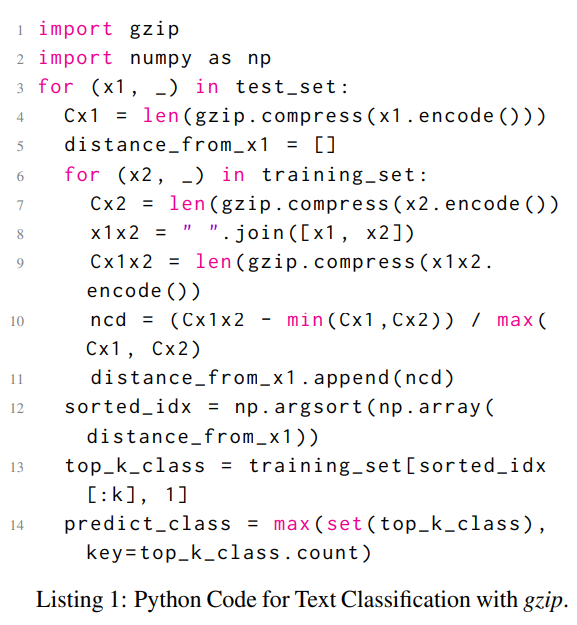
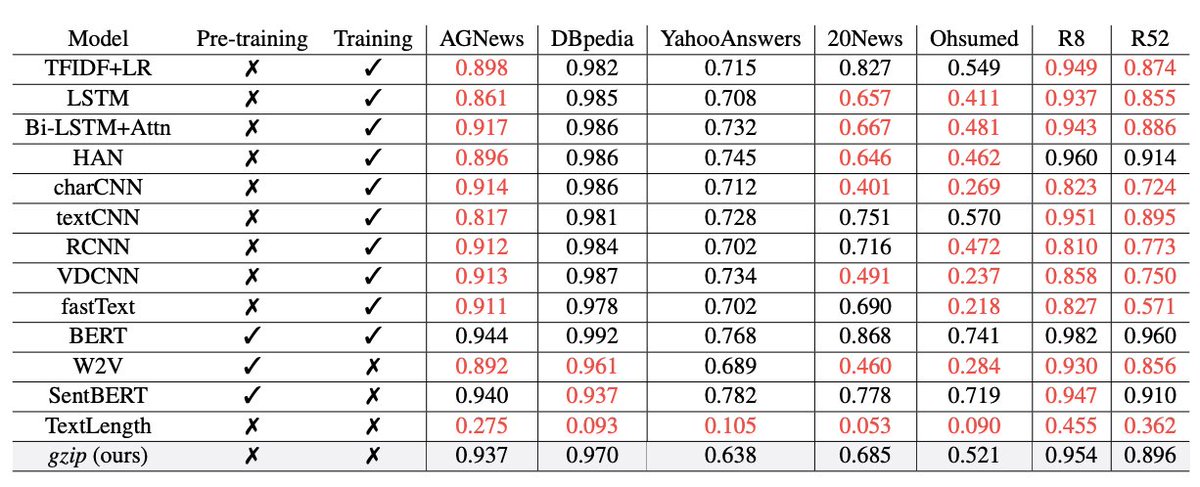
A 14-line Python script using gzip outperforming a 345m parameter transformer model is probably the most hilarious result I've seen all year.
https://t.co/E7o9gFNA6u