Easy ways to improve your insulin sensitivity:
• A 10-minute walk after every meal
• Lift weights 2–4x a week
• Protein first, carbs second
• 7–9 hours of sleep a night
• Morning sunlight
• Low-intensity cardio
• Lose weight
• 12-hour fasts
Give it 90 days.
I learned the most powerful energetic boundary from a practitioner who treated thousands of chronically exhausted people.
she never walked into a crowded room without doing one specific physical thing..
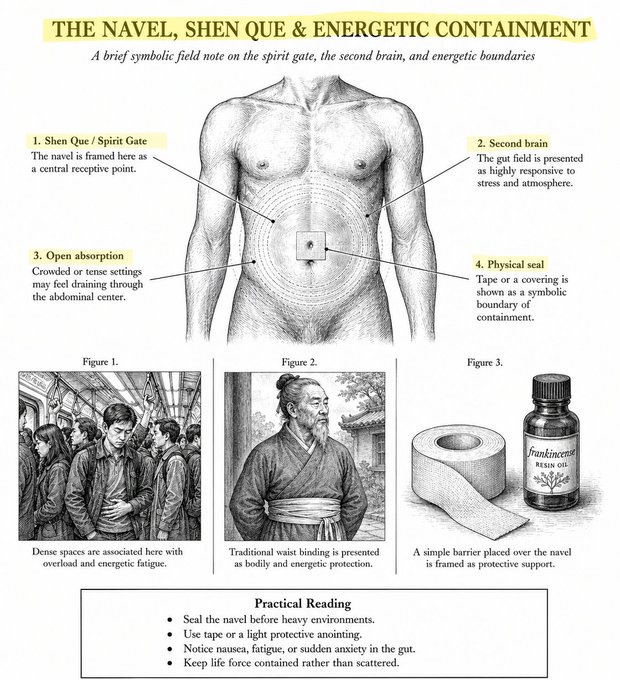
She taped her navel.
Modern science views the belly button as nothing more than a biological scar.
It is the exact place you received all your nutrients, blood, and initial emotions in the womb.
but in ancient Eastern medicine, this point is called the Shen Que.
ıt translates directly to the Spirit Gate.
Even after the physical umbilical cord is cut, this energetic portal remains completely open.
Your gut contains a massive network of neurons, often called the second brain.
It is highly receptive to the invisible frequencies around you.
When you walk into a toxic office or sit next to an aggressive person, your navel acts as an energetic sponge.
It actively pulls in the dense, chaotic emotional debris of the room.
this is the exact reason you feel physical nausea, sudden anxiety, or deep exhaustion in your stomach after a heavy argument.
You are literally digesting other people's emotional baggage.
Ancient martial artists understood this vulnerability perfectly.
They wrapped their waists tightly with thick cloth sashes before combat.
They were not just protecting their physical organs.
they were sealing their central energetic gateway from the invasive energy of their opponents.
You can apply this same ancient defense mechanism today with zero effort.
before you step into a crowded subway, a tense family gathering, or a highly draining work environment, place a small square of medical tape directly over your belly button.
If you do not have tape, a single drop of an ancient resin oil like frankincense works as a highly protective frequency barrier.
It sounds absurdly simple.
But you are creating a literal, physical boundary over your most vulnerable energetic receptor.
Your nervous system immediately registers this physical shield and stops scanning the room for subtle threats.
You instantly stop absorbing the heavy static of the crowd.
You keep your life force entirely contained within your own physical vessel.
The modern world is designed to slowly pull your energy outward..
You have to consciously choose to keep it in
seal the gate tomorrow morning and notice how much power you bring back home with you.
Dandelion has been demonstrated to destroy about 98% of cancer cells due to the presence of bioactive compound called taraxasterol.
Here’s how you make it:
Boil fresh root of dandelion for 10mins & drink 2 to 3 times daily.
That’s why they’re trying to k!ll it with a roundups.
THEY DON’T WANT YOU TO DISCOVER THIS SHOCKING TRUTH ABOUT CLOVES
1. Cloves aren’t a spice they’re a biochemical cheat code. With 300x the antioxidants of blueberries, they trigger a full-body detox most people pay thousands for.
2. Soak 4 cloves overnight, drink on an empty stomach. By Day 3 bloating vanishes; by Day 14, hidden inflammation markers silently plummet.
3. Never drink it alone. Stacking clove with cinnamon and lemon creates a metabolic synergy that accelerates fat-burning and blood-sugar control.
4. Stop using chemical mouthwash. Clove water destroys bad-breath bacteria at the root while healing bleeding gums within 72 hours.
5. Eugenol in cloves activates digestive enzymes that boost nutrient absorption by 50%, turning your food into pure cellular fuel instead of stored fat.
6. Drink it before bed for a hidden advantage. It naturally spikes melatonin while your liver undergoes a deep overnight detox flush.
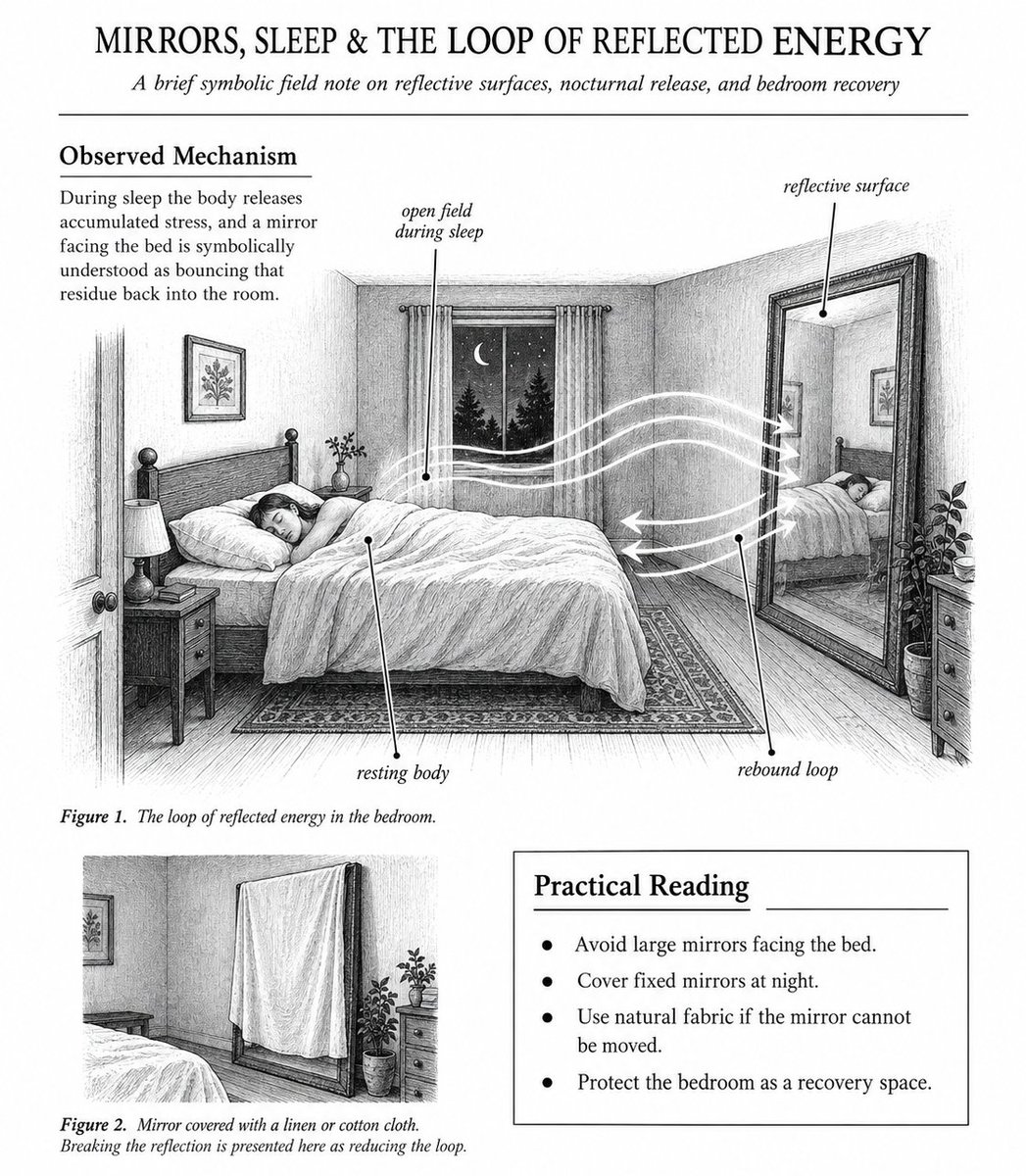
I removed every mirror from my bedroom three years ago.
It was not a design choice.
It was a strict energetic boundary.
modern society treats mirrors as simple glass.
We place massive reflective surfaces directly across from our beds to make a small room feel bigger.
but from an esoteric and frequency perspective, a mirror is an active amplifier.
A mirror does not just reflect physical light.
It bounces invisible energetic residue.
When you go to sleep, your physical body rests but your energetic field becomes entirely open.
Your subconscious is actively processing the heavy anxiety, unspoken stress, and chaotic static of your day.
Your aura is trying to release that density out into the room.
If a large mirror is facing your bed, that heavy frequency hits the glass and bounces straight back into your physical vessel.
It creates an endless loop of energetic stagnation in the middle of the night.
You wake up completely exhausted after eight solid hours of sleep.
Your dreams are tense, fragmented, and exhausting.
You assume it is just modern burnout or a bad mattress.
It is actually a direct frequency rebound. You are fighting your own discarded energy all night.
Ancient traditions understood this completely.
Old Feng Shui masters strictly forbid reflective surfaces facing a resting body.
Many indigenous cultures immediately covered mirrors with heavy cloths during times of deep grief or sickness.
They knew that mirrors trap and multiply whatever frequency is dominating the room.
You can stop this psychic loop tonight with zero effort.
If you have a heavy wardrobe mirror that you cannot physically move, you just have to break the reflection.
Drape a simple cotton or linen sheet over the glass before you go to sleep.
Even a sheer natural fabric disrupts the hard bounce and neutralizes the energetic loop in the room.
Stop letting your bedroom amplify your daily exhaustion.
protect your most vulnerable state of recovery.
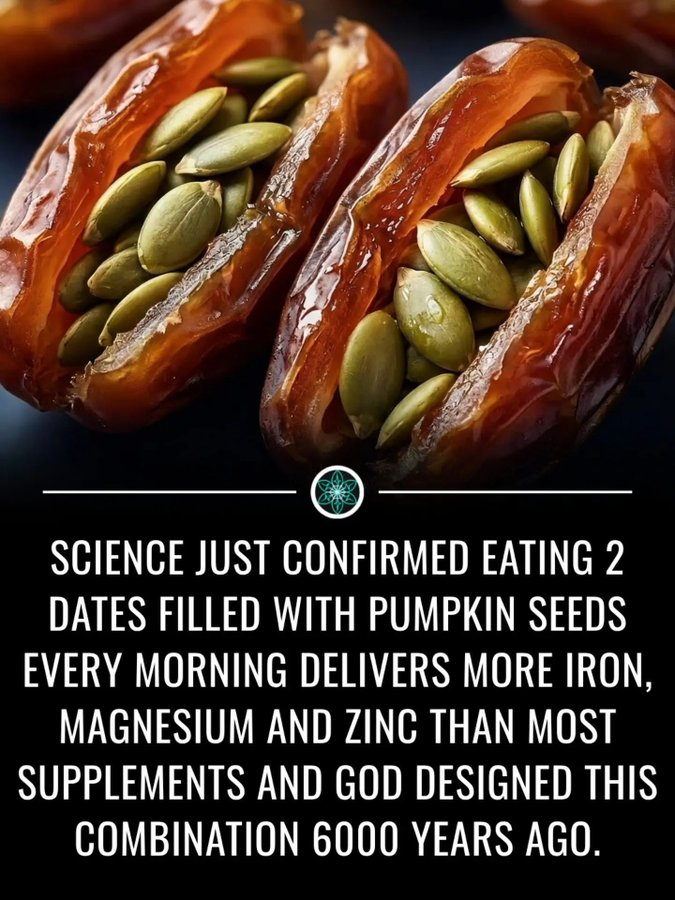
Science just confirmed eating 2 dates filled with pumpkin seeds every morning delivers more iron, magnesium and zinc than most supplements and this combination has been used for 6,000 years.
Most cancer doesn’t just “run in your family.”
It is often triggered by daily choices that take you minimal effort to change.
Here are 7 powerful things you can do right now to lower your risk: 🧵
"So if i don't want to manage my ADHD with stimulants, what else can i do?"
-Provide certain key nutrients
-Fidgeting tools
-Gum
-Morning bright light 10.000 lux 20–30 min
-Exercise at key times of the day
-Limit artificial dopamine hits when you can
-L theanine + caffeine + zinc
-Sunlight
-Sauna
-Make a plan for the next day/week and look at it multiple times a day to not get distracted
-Limit notifications
-Ginkgo + caffeine + vitamin V
-PS128 probiotic (Lactobacillus plantarum)
-Citicoline + magnesium
-Thiamine + P5P + saffron
-Blue light blockers
-Rhodiola rosea (3–6 % rosavins + 1–2 % salidroside, 200–600 mg)
-Oroxylin A
-Bromantane
-Creatine + saffron
-Resolve gut dysbiosis and methylation issues if you have them
-Low dose lithium orotate
Common sense disclaimer:
1) Do not use all of these.
These are just tools you can further research.
2) Cycle everything unless your doctor suggests otherwise
Now these will NOT work overnight.
They are not adderall.
But they can help improve the underlying dysfunctions.
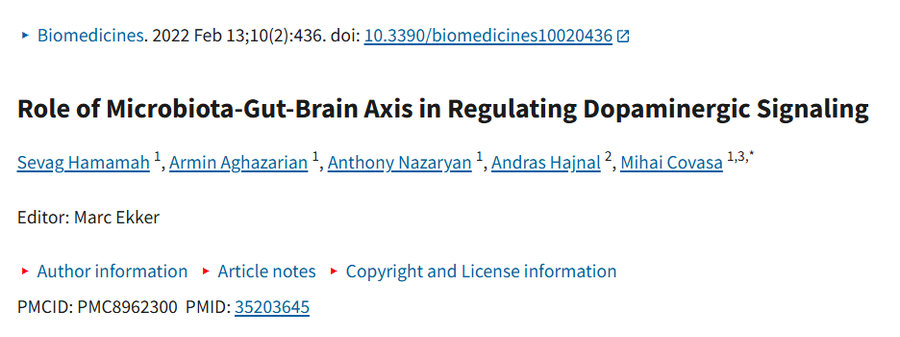
Vitamin D has a regulatory influence on core circadian clock genes, specifically facilitating the balanced oscillation of BMAL1 and PER2
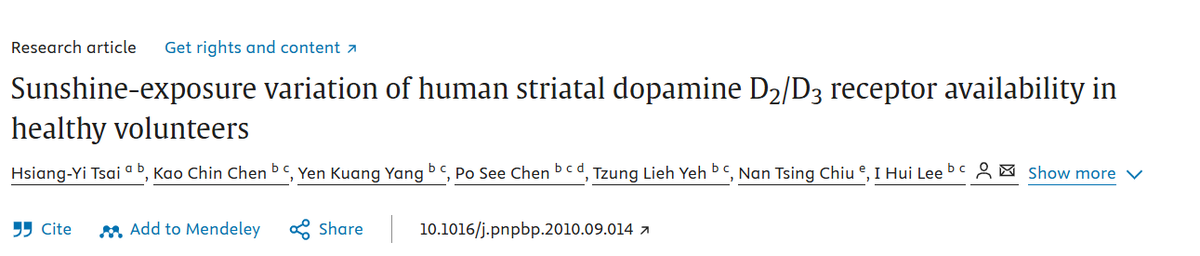
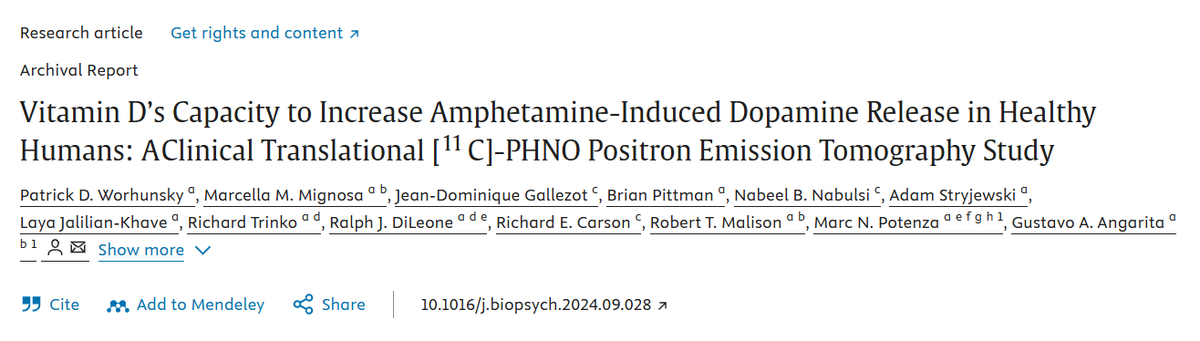
Sunlight also increases subcortical tyrosine hydroxylase, D2/D3 receptors and amphetamine-stimulated dopamine release (literally taps into the same + more mechanisms than bromantane but not as fast).
Sauna for example helps with norepinephrine + dynorphin
Creapure increases brain phosphocreatine → better energy reserve for prefrontal cortex + mild dopamine upregulation
At 30mg/day saffron:
-Performs the same as Ritalin in kids with ADHD when it comes to core symptom management.
-Performs comparably to Prozac without one-shotting your penis (in fact, it can help reverse SSRI induced sexual dysfunction)
-Resulted in cognitive improvements comparable to donepezil (Alzheimer's) with significantly fewer gastrointestinal side effects.
-Has similar efficacy to citalopram (Celexa) for generalized anxiety symptoms.
-Has no significant statistical difference to fluvoxamine for reducing obsessive-compulsive symptoms.
*Not ideal for people who have issues in the gut lining/mucus (if you want to try it start with 15mg with a meal)
**Not ideal for long term use / for people with elevated liver enzymes
If you want to try higher doses, the list of potential side effects increases (as it happens with all potent tools)
"Why is saffron so powerful?"
Its main bioactive compounds are:
-Crocin
-Crocetin
-Safranal
These act on several pathways rather than hitting a single target giving it a combination of monoamine support + strong antioxidant/anti-inflammatory effects + neurotrophic activity.
-Monoamine modulation (serotonin, dopamine, norepinephrine)
Its active compounds inhibit reuptake of these neurotransmitters (similar to SSRIs/SNRIs) and also inhibit monoamine oxidase enzymes that break them down.
The dual action increases their availability in the synapse.
-Antioxidant and anti-inflammatory actions
Crocin and related compounds are strong antioxidants that reduce reactive oxygen species and can dampen inflammatory signaling.
-It can increase brain-derived neurotrophic factor (BDNF) and related pathways involved in neurogenesis, synaptic plasticity, and neuronal survival (particularly relevant in the hippocampus).
-Safranal shows activity at GABA-A receptors (including the benzodiazepine site)
“Bro these are VITAMIN PILLS”
Once again, let’s see the literature.
ADHD patients might have compromised or slowed B6-dependent enzymes.
The specific B6-dependent enzymes heavily implicated in ADHD include:
1. Dopa decarboxylase that converts L-DOPA into dopamine and 5-HTP into serotonin.
2. Glutamate decarboxylase (GAD) that converts glutamate into GABA.
3. Tryptophan metabolizing enzymes (think the kynurenine pathway)
"But i don't feel anything from B6".
A) Are you using P5P?
B) Do you have enough zinc, B2 and magnesium in your system?
Then zinc helps keep DAT at a healthy baseline, preventing it from vacuuming up dopamine too aggressively.
DAT contains four high-affinity extracellular binding sites specifically meant for Zinc.
When Zinc binds to these sites, it physically modulates the transporter's rhythm, altering steady-state currents and optimizing reuptake.
Normally, after dopamine is released into the synaptic cleft, it binds to dopamine receptors on the postsynaptic neuron to exert its effects.
The DAT then clears the dopamine from the synapse and recycles it back into the presynaptic neuron.
So it helps to terminate the action of dopamine by transporting it back into the presynaptic neuron.
So when we inhibit it, we slow down the cleanup of dopamine and leave more of the chemical active in the synapses.
Ritalin for example is a highly effective DAT inhibitor.
Its structural mechanism differs completely from zinc obviously.
While zinc acts as a non-competitive, allosteric clamp that locks the transporter from a side-pocket, methylphenidate operates primarily as an orthosteric blocker.
It targets the S1 central binding site of the dopamine transporter.
This is the exact same internal structural pocket where the dopamine molecule itself lands to be moved across the membrane.
By sitting directly inside the central channel core, it acts like a physical plug and thus dopamine cannot bind to the transporter at all.
Now unlike competitive inhibitors (such as cocaine or Ritalin), which bind directly to the central S1 substrate site halfway across the cell membrane, zinc acts at an entirely independent allosteric site on the outer surface of the transporter.
By anchoring itself to this distinct outer pocket, zinc physically restrains the movement of the transporter.
It acts as a rigid macromolecular bridge that locks the DAT machinery in an "outward-open" conformation.
While the central channel remains open, the transporter is effectively paralyzed, it can no longer undergo the conformational rotation required to pull dopamine out of the synapse and back into the cell.
For someone struggling with ADHD or anhedonia, this highly efficient, non-competitive blocking action provides a unique therapeutic advantage.
Because zinc does not compete for the central keyhole, its ability to stop the cellular "vacuum cleaner" cannot be overridden by fluctuating concentrations of natural dopamine.
It forces a baseline level of dopamine to pool within the synaptic cleft.
This is why DAT inhibitors usually increase the effectiveness of stimulants.
In the context of ADHD, this prolonged synaptic activity helps satisfy under-stimulated reward pathways.
In the case of anhedonia this steady accumulation of active dopamine lowers the activation threshold required to feel pleasure, motivation and goal-directed drive.
Other natural DAT inhibitors that you might be aware of are ginkgo and saffron.
"What about copper?"
At basic doses such as 10-15mg/day, eating just 100 grams of beef liver/week does the trick.
"A reward is a reward dude, changing my lifestyle won't help my ADHD. You are unscientific".
Once again. Nope. Let’s see the damn literature.
Imagine that your brain has two main workers:
1. Dopamine
This is the chemical that makes you feel satisfied and motivated
2. Acetylcholine
This is the chemical that turns on when you focus and try hard
If someone gives you a piece of chocolate for doing nothing, you get a small, normal splash of dopamine.
If you have to walk 5 miles to get that exact same piece of chocolate, your brain turns on Acetylcholine because you are using effort.
When you finally get the chocolate, that Acetylcholine acts like a giant loudspeaker for your dopamine.
By giving you a bigger chemical reward for working hard, your brain literally teaches itself a lesson: "effort is worth it."
This is of vital importance if you have ADHD.
In an ADHD brain, the "loudspeaker" (Acetylcholine) doesn't always turn on properly when things get tough.
Without that loudspeaker, doing hard work feels incredibly draining, and the reward at the end feels small and disappointing.
This is why people with ADHD struggle so much to start difficult tasks, their brains are missing the chemical booster shot that makes effort feel good.
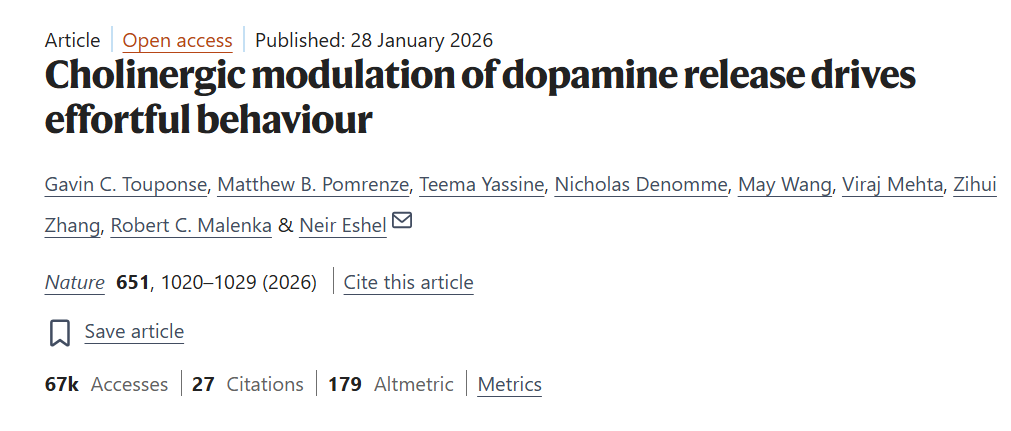
So while for a long time we thought that dopamine levels were entirely dictated by the firing of dopamine cell bodies located deep in the midbrain.
We now know that local interneurons in the nucleus accumbens release a rapid burst of acetylcholine when a task requires high effort.
This acetylcholine binds directly to nicotinic receptors on the nearby dopamine axon terminals.
It acts like a local amplifier, forcing a much larger hit of dopamine to spill out when the reward is achieved compared to when the exact same reward is given for free.
When researchers block this acetylcholine link, the subjects completely lost their drive to perform high-effort tasks, though they still happily ate "free" or low-effort rewards.
Now, to help your brain learn the "effort = worth it" loop, you need a dual strategy:
-Support acetylcholine (the amplifier) to make starting tasks easier
and
-Carefully manage artificial rewards (cheap dopamine) so they do not hijack your motivation system
"Fine but what about the other stuff such as working on "gut health" lmao you unscientific conspiracy theorist".
Well, gut issues and ADHD create a vicious cycle.
In IBS for example, an overgrowth of bacteria like Prevotella copri and Ruminococcaceae, commonly associated with it, has been directly linked to a decreased expression of dopamine transporters (DAT) and D2 receptors (D2R) in the central nervous system.
And if you have ADHD this is the last thing you want.
Transferring gut microbiota from humans with ADHD not only gives mice ADHD but individuals with ADHD also have:
-Nearly 50% higher risk of overall gastrointestinal symptoms
-Are 63% more likely to suffer from IBS
"So there are shared biological root causes of ADHD and gastrointestinal issues?"
Yes, after all a single underlying genetic/physiological mechanism can cause completely different symptoms in different parts of the body.
Let's take dopamine as an example.
Because dopamine regulates both brain functions such as focus, drive etc but also gut motility, a disruption in your body's baseline dopamine system/metabolism/production hits both areas simultaneously.
Let me dumb it down even more (these are oversimplifications):
If dopamine is the "molecular handbrake" and coordinator for your intestines, dopamine "deficiency" as seen in ADHD, directly translates to a faulty, unpredictable brake system in your digestive tract.
In the digestive system, dopamine receptors act as regulators that tell your intestinal muscles when to relax and when to contract to push food through smoothly.
If your body has altered dopamine signaling or lower dopaminergic tone, that "handbrake" doesn't engage or disengage correctly.
Instead of a smooth, rhythmic wave moving food along, your peristalsis becomes erratic.
If the muscles stall completely, you get chronic constipation; if they contract chaotically, you experience the cramping, alternating cycles, and spasms characteristic of IBS.
Then without adequate local dopamine signaling, the intestinal barrier weakens, leading to increased gut permeability and painful issues like acid reflux or generalized indigestion.
"How did you learn..."
Here: https://t.co/eXCNhiGzzm
Wearing glasses does not fix poor vision. Eye health depends on sunlight, nutrients, and diet, not stronger lenses.
Egg yolks, fish oil, and vitamin D support healthy eyes naturally.
See how to protect and restore your eyesight.
https://t.co/l6D6ml97Is
Dr. Eric Berg, DC, not MD; information only
10/10 foods that make you look younger:
- A handful of almonds: vitamin E helps protect cells from oxidative damage
- 2 kiwis: vitamin C helps your body make collagen, which gives skin structure
- A sweet potato: beta-carotene becomes vitamin A, supporting normal cell growth
- 1 avocado: improved forehead firmness after 8 weeks of eating 1 daily
- Cooked tomatoes: tomato-paste studies found reduced UV-related skin damage
- Olive oil: higher intake was associated with less facial photoaging
- Tablespoon of ground flaxseed: fiber supports digestion
- 1 cup of Greek yogurt: protein supports muscles and calcium supports bones
- A little dark chocolate: high-flavanol cocoa improved skin elasticity in trials
- Occasional Brazil nut: selenium supports antioxidant defenses
Skin aging is partly collagen loss, UV damage, oxidative stress, hydration and protein intake.
Lady May Mellanby, a pioneering British medical researcher, alongside her husband, Sir Edward Mellanby, conducted groundbreaking research throughout the 1920s and 1930s proving that tooth decay is heavily linked to nutrition and can be halted or even reversed through diet.
In a series of controlled trials published by the Medical Research Council, Mellanby demonstrated that teeth are dynamic, living organs capable of healing themselves from within.
She discovered that a diet rich in fat-soluble vitamins (specifically Vitamin D & A) and calcium stimulated the dental pulp to produce “secondary dentin”. This new layer of calcified tissue essentially builds a barrier from the inside out to arrest and seal off a cavity. She also proved that diets high in cereals and grains—specifically those containing phytic acid (like oatmeal)—could block calcium absorption and trigger rapid tooth decay if not offset by enough Vitamin D.
In 1932, researchers documented the islanders of Tristan da Cunha, who had practically flawless teeth despite never using toothbrushes or practicing oral hygiene. Their diet consisted almost entirely of fish, milk, and potatoes—foods dense in the exact vitamins Mellanby championed.
Mellanby’s findings sparked a massive feud with the mainstream dental establishment of her time. The dominant theory was that “a clean tooth never decays”, which placed all blame on surface bacteria and hygiene. Because drilling and filling became highly profitable, and the subsequent discovery of topical fluoride offered a simpler public health fix, Mellanby’s focus on systemic, fat-soluble nutrition fell out of the broader public consciousness.
It is important to note that while Mellanby proved that early-stage decay can be successfully remineralized and arrested naturally, once a cavity breaks all the way through the enamel and creates a structural hole in the tooth, the physical structure cannot grow back to fill the empty void.
Check out the comment section for the holistic protocol for early demineralization.
Habits I stole from ADHD people who are actually thriving.
Not "fixed." Just no longer apologizing for how their brain works.
None of these involve a morning routine. Promise. 1/6
Here's how to use iodine for skin tags and warts. Try povidone-iodine and apply it daily with a small bandage for best results.
It may help deactivate the virus behind these growths, but consistency is key.
See how to do it right and what to avoid.
https://t.co/RzvkcnknLV
Dr. Eric Berg, DC, not MD; information only