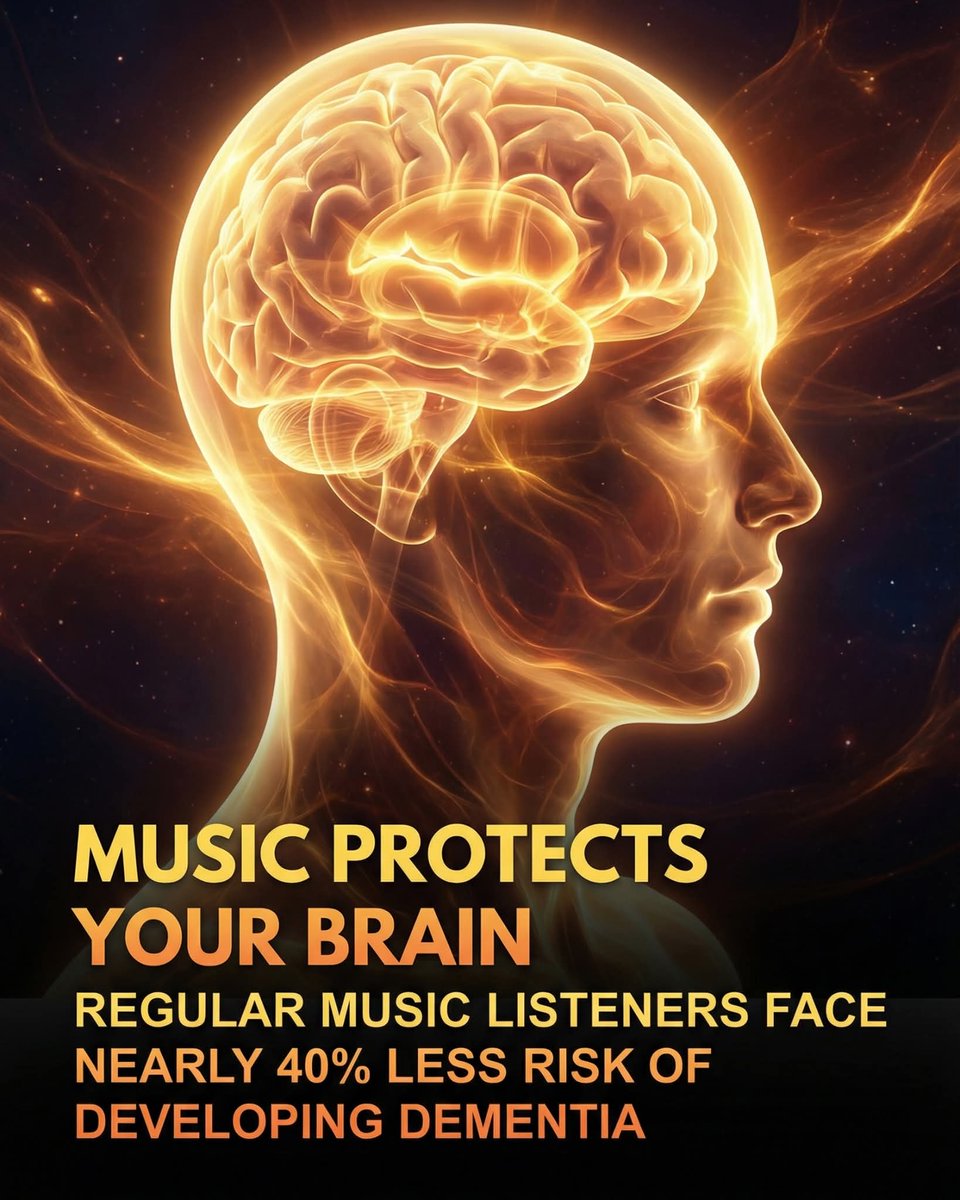
New research reveals that listening to music can slash dementia risk by 40%.
A landmark Monash University-led study involving more than 10,800 participants has discovered a powerful connection between music and cognitive preservation in seniors. Researchers found that consistently listening to music after age 70 is associated with a staggering 39 percent reduction in dementia risk. For those who play an instrument, the risk is lowered by 35 percent, indicating that both active and passive musical engagement can serve as a potent shield against brain decline.
Lead researchers Emma Jaffa and Professor Joanne Ryan emphasize that these findings offer a vital, accessible strategy for maintaining brain health in an aging global population. Beyond reducing dementia risk, regular musical engagement was linked to sharper episodic memory and improved overall cognition. As medicine continues to extend human lifespans, integrating music into daily life represents a simple yet transformative lifestyle choice that may delay the onset of neurodegenerative conditions where cures remain elusive.
source: Jaffa, E., & Ryan, J. (2025). What is the association between music-related leisure activities and dementia risk? A cohort study. International Journal of Geriatric Psychiatry.
Naomi Watts launched Stripes Beauty in 2022 to help women become educated on menopause and take control of their health journey and age with confidence.
https://t.co/8txu90XaMb
Stand against ageism. This form of discrimination not only harms individuals but also has serious consequences for their physical and mental well-being.
Today's daily dose addresses this critical issue.
"Dairy consumption is associated with years of advanced ovarian aging, thought to be due to the steroid hormones or endocrine-disrupting chemicals in cow's milk."
Source: https://t.co/NecsdXqOw2 @_atanas_
"Smoking is really bad for you. Most people know that. Even smokers think smoking is bad for one’s health. But most people don’t know just how bad it is."
https://t.co/h6zXS2H1gY
https://t.co/nZa7q6u0d0
Collaborating with physicians, nurses, registered dietitians, fitness professionals, OTs, PTs, PAs, NPs, health coaches, and other healthcare professionals is how we can deliver interdisciplinary care. #lifestylemedicine#healthcare
Population studies have found a correlation between regular aerobic exercise and decreased risk of at least 35 different diseases, including heart disease, type 2 diabetes, and cancer. https://t.co/gAim1KKdR9
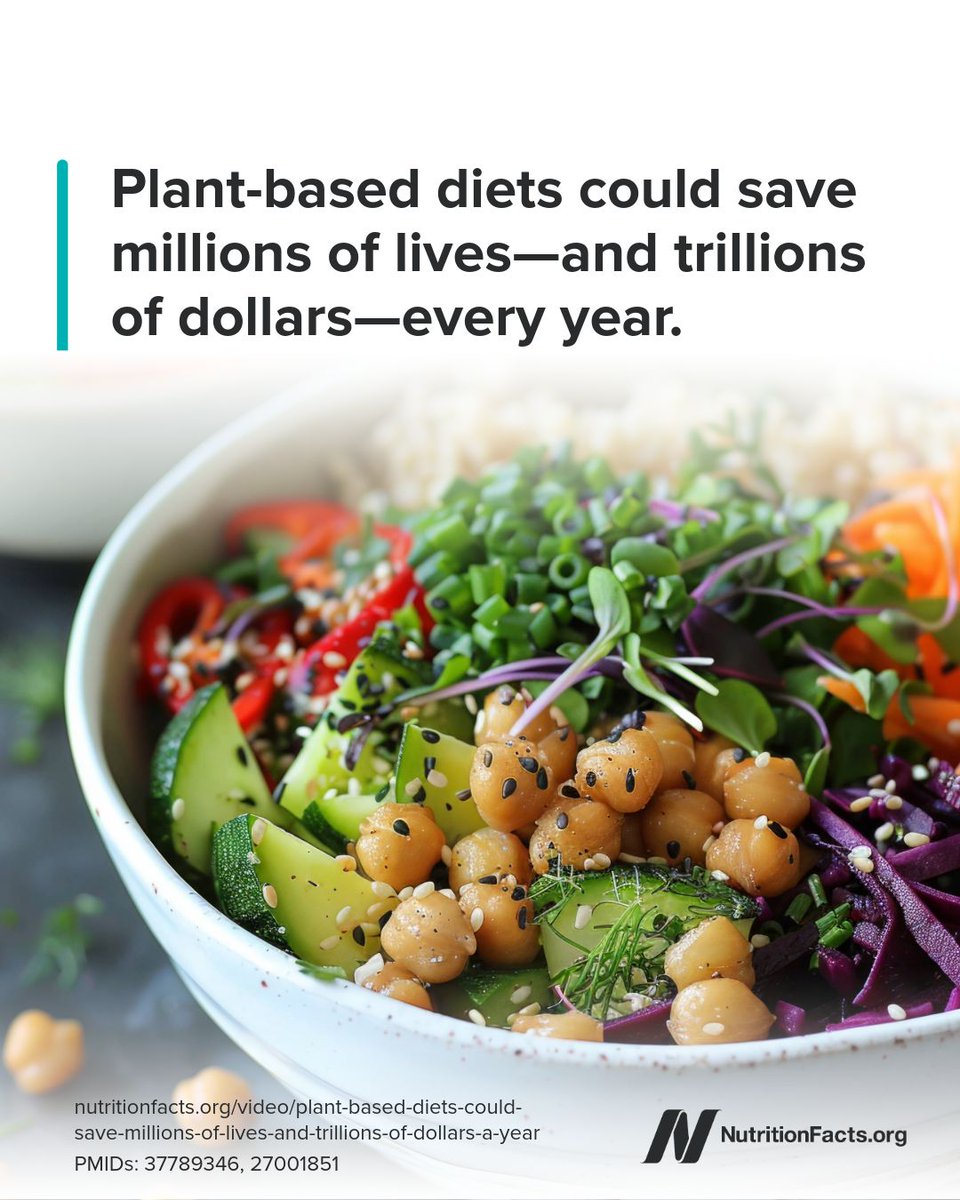
Plant-based diets could save the lives of more than ten million people a year. One of the most comprehensive and systematic analyses ever done, the Global Burden of Disease Study, found that the number one cause of death on Earth is unhealthy diets. https://t.co/qZzVGo5Pnk
If we were strictly following the best available scientific evidence on preventing our leading killers, our guidelines would recommend a dietary pattern centered around whole plant foods. https://t.co/nbFZbeUGtv
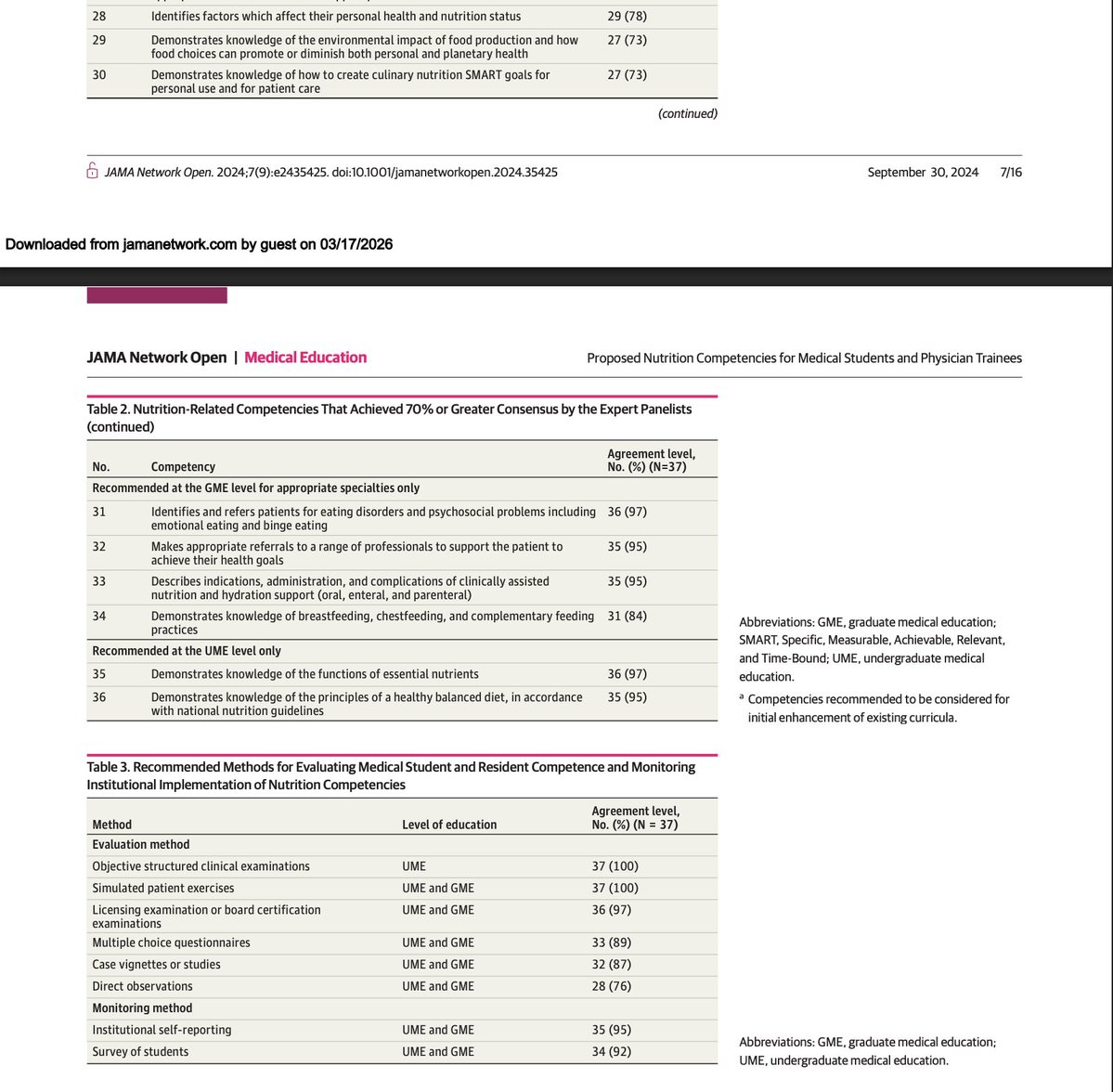
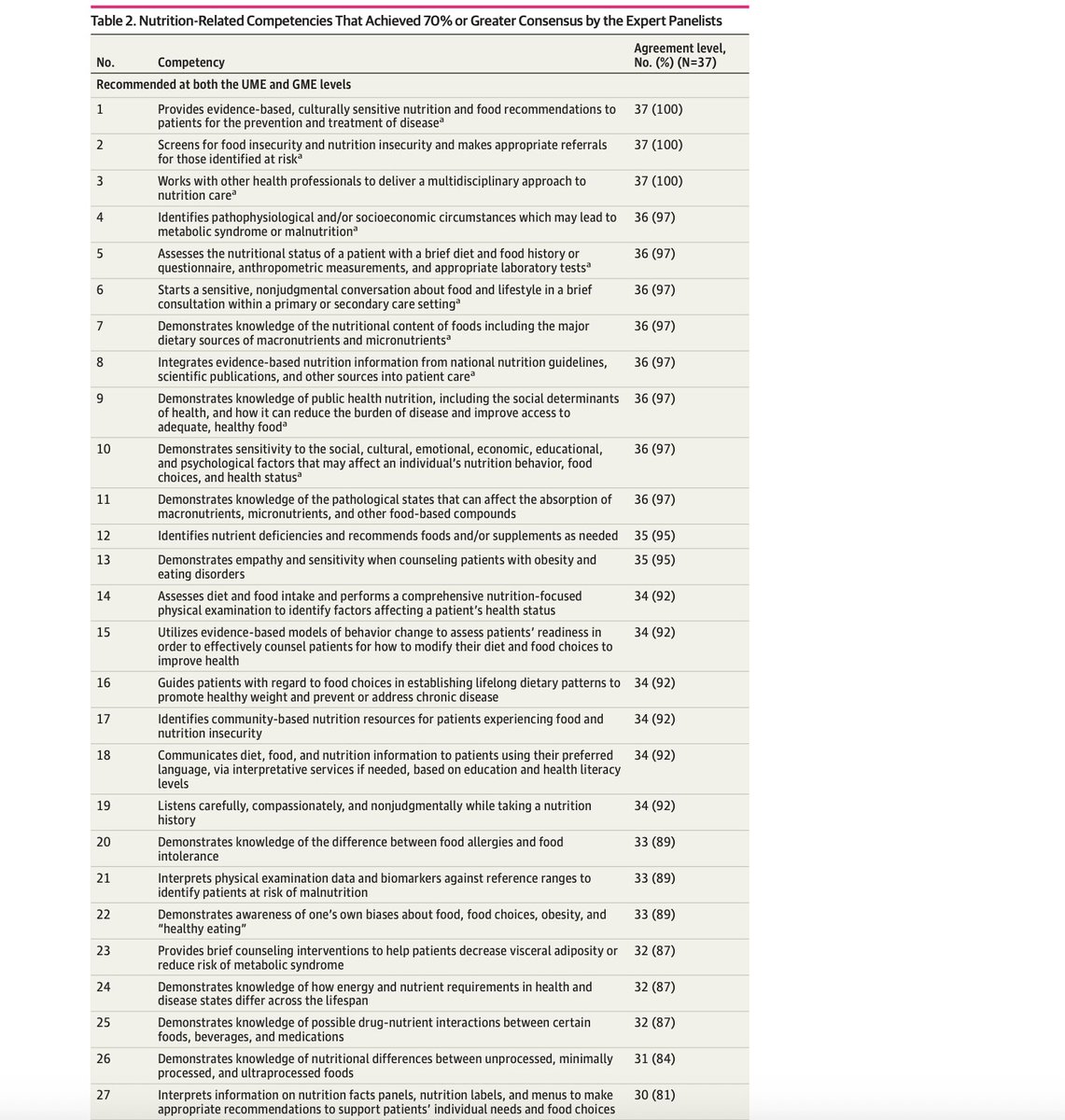
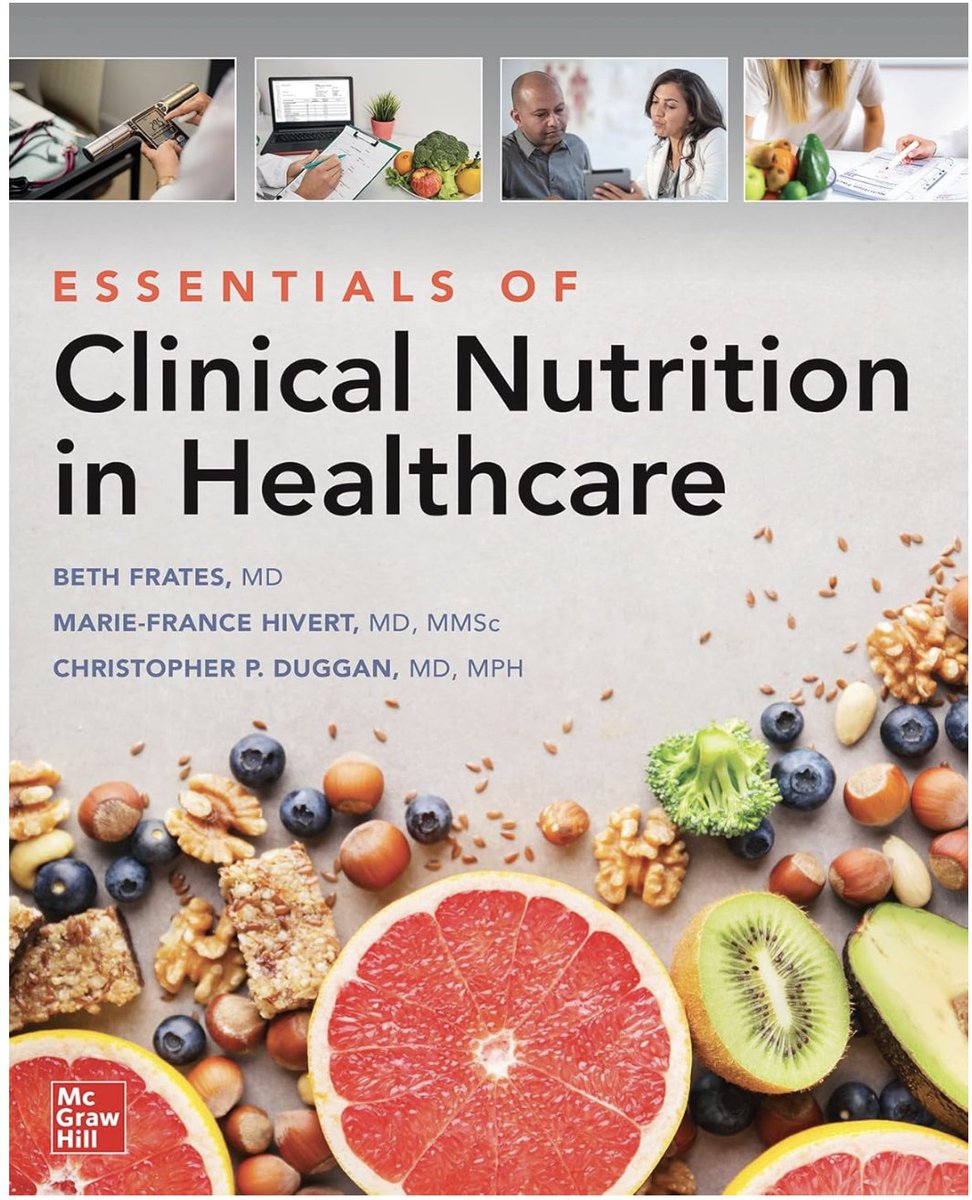
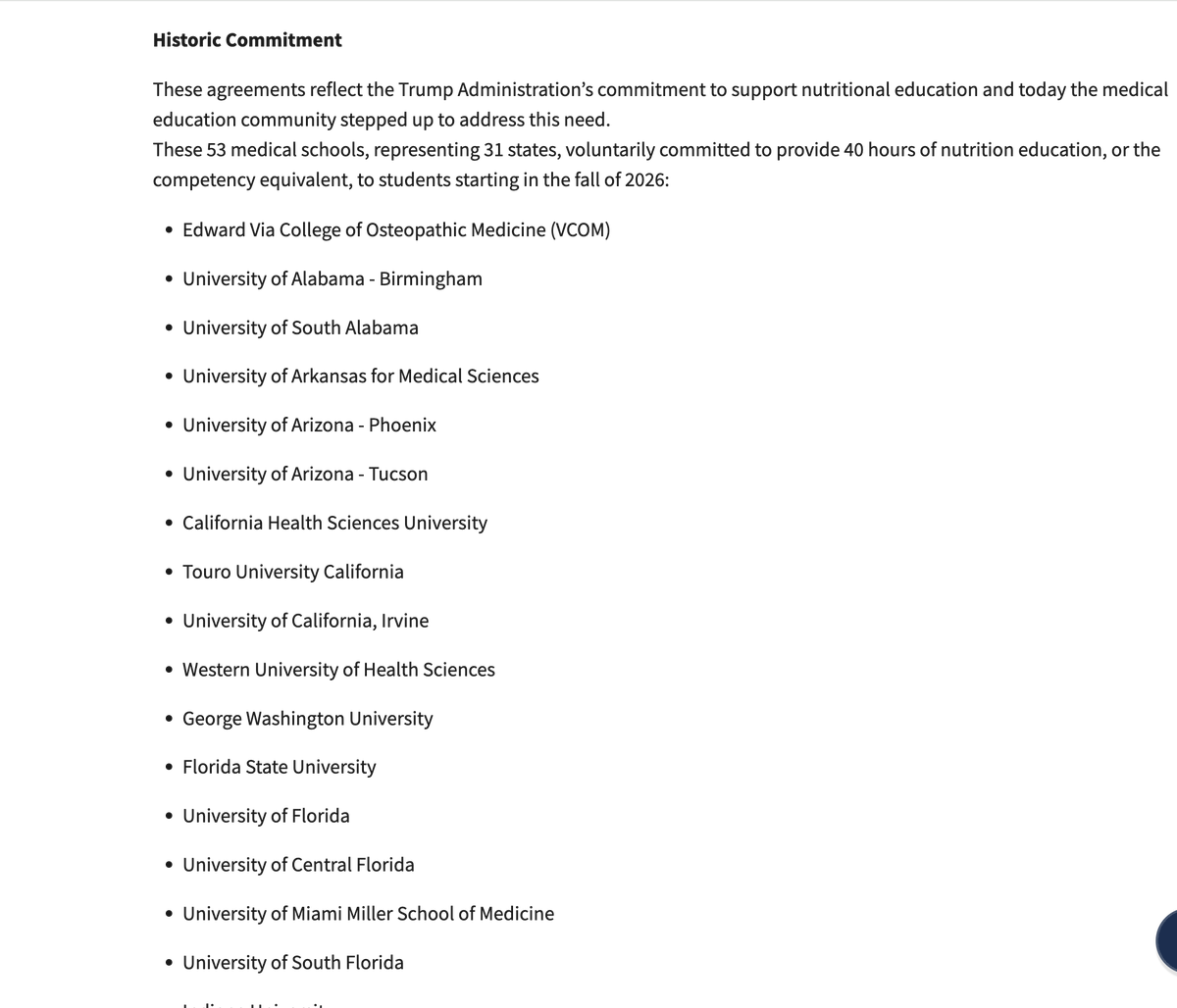
If you are a medical student or a medical school faculty member and you're looking for nutrition materials to satisfy the 40 hours of nutrition education, please consider this textbook, The Essentials of Clinical Nutrition in Healthcare, published by McGraw Hill. It follows the proposed competencies in the JAMA article https://t.co/TLEKGoOR4a #nutrition #medicalschool #MedTwitter #medicaleducation #medicalstudents #MedEd #health #lifestylemedicine #HealthyLifestyle
Raising awareness about Down syndrome and promoting inclusion, early intervention, and quality healthcare for children.
Submit your manuscript to JPNC and receive a 30–40% publication discount.
https://t.co/wOuNwtfx8c
#WorldDownSyndromeDay#Pediatrics#NeonatalCare#ChildHealth
Did You Know?
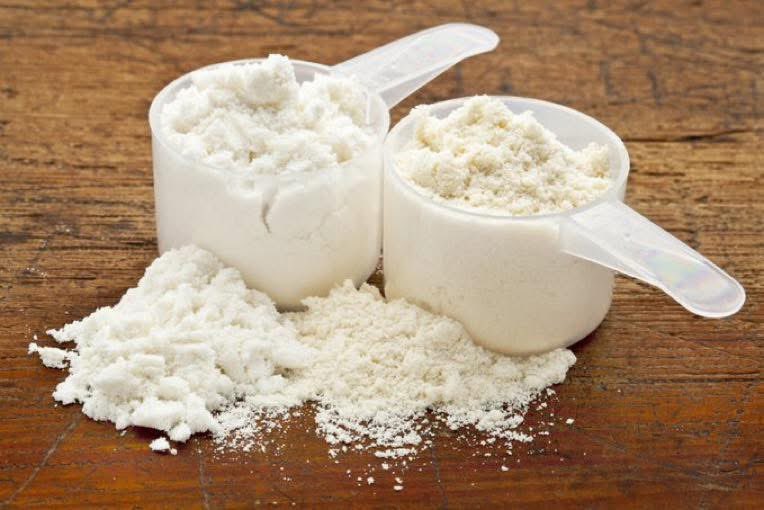
Creatine’s health benefits extend beyond muscle and brain health. Here are some potential benefits based on available evidence:
1. **Bone Health**
Some studies suggest creatine may enhance bone mineral density, particularly in older adults or those engaging in resistance training, by supporting osteoblast activity and reducing bone resorption. This could help in conditions like osteoporosis.
2. **Metabolic Health**
Creatine may improve glucose metabolism and insulin sensitivity, potentially aiding in type 2 diabetes management. It can increase glucose uptake in cells, especially when combined with exercise.
3. **Cardiovascular Health**
Limited evidence indicates creatine might support heart health by improving energy metabolism in cardiac tissue, potentially benefiting those with heart failure or ischemic heart disease. It may also reduce homocysteine levels, a risk factor for cardiovascular issues.
4. **Anti-Inflammatory Effects**
Creatine has shown potential to reduce inflammation markers in some studies, which could benefit conditions involving chronic inflammation, though more research is needed.
5. **Immune System Support**
Emerging research suggests creatine may enhance immune cell function by supporting energy demands, potentially improving immune response under stress or in critical illness.
6. **Reproductive Health**
Preliminary studies hint at creatine’s role in improving sperm motility and energy metabolism, which could support male fertility.
Creatine goes far beyond just muscle health.
Daily consumption of two to three cups of caffeinated coffee or one to two cups of tea was associated with lowering dementia risk, slowing cognitive decline and preserving cognitive function.
https://t.co/ljdRwWHwcv
Applications of #Biomimicry in environmental health: a phytoremediation plant-based 🌿🪴 complementary approach for increasing indoor air quality and improving public health @RGPhD
Author: Dr. Robelyn A. Garcia, #USA@Biomimicry_News@iJournalofCAMed