If you truly believe in ‘my body, my choice,’ then that principle should apply universally, regardless of whether a person chooses to cover up with a hijab or burqa or to dress in any other way. Dismissing or opposing someone’s choice to wear these garments, while advocating for personal freedom in other contexts, undermines the very idea of bodily autonomy that you claim to support. Empowerment is not defined by what someone wears but by the freedom to make that decision for themselves without coercion or judgment. True advocacy for choice means respecting diverse decisions and fighting for the right of all individuals to express themselves according to their beliefs, whether that means wearing a hijab or choosing not to.
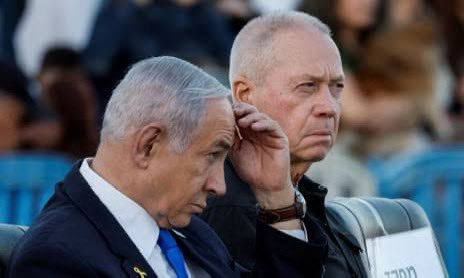
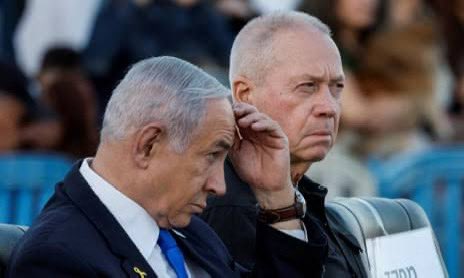
🚨 BREAKING: #Netanyahu FIRES Defense Minister Yoav Gallant for opposing his judicial overhaul! Massive protests erupt, military divided, and Israel’s security may be at risk. Could Israel’s enemies exploit this internal chaos? Worst-case scenario could be looming… 👀 #IsraelCrisis
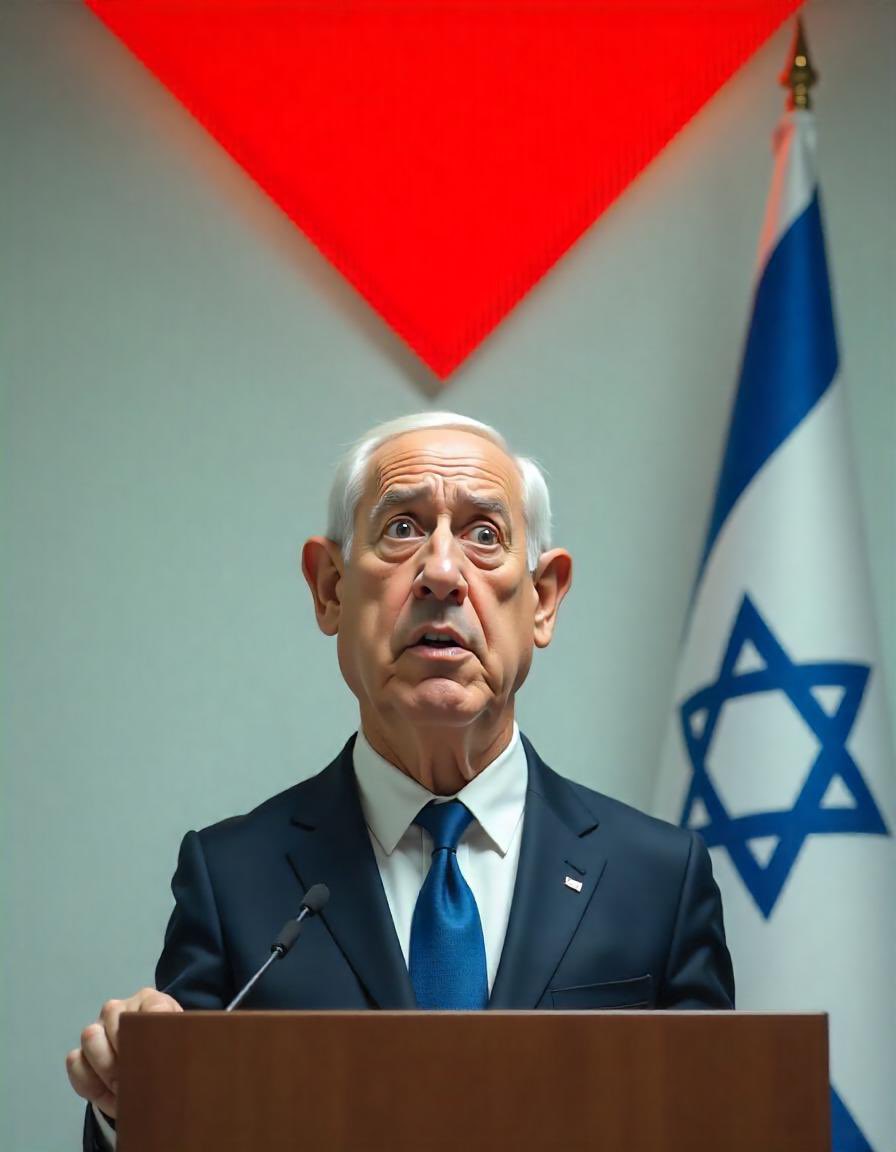
#Breaking News: Civil Unrest Erupts in Israel, Growing Opposition to Netanyahu’s Government
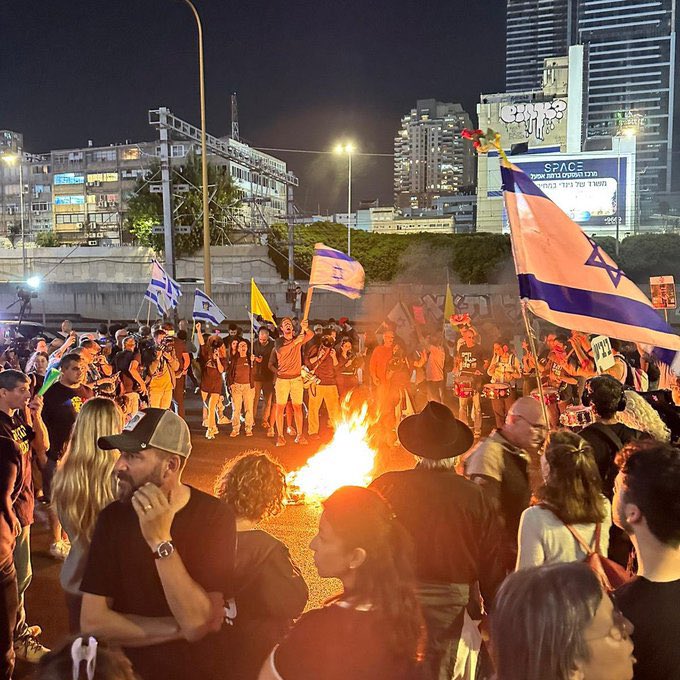
Tel Aviv, November 6, 2024 — Massive protests have erupted across Israel, with thousands of citizens demanding the resignation of Prime Minister Benjamin Netanyahu. The demonstrations, fueled by widespread dissatisfaction with Netanyahu’s policies and leadership, have intensified over the past several weeks, marking a significant escalation in civil unrest.
Crowds are flooding the streets of major cities like Tel Aviv and Jerusalem, clashing with security forces as they express their frustration over government corruption, economic instability, and controversial legal reforms. The scale of the unrest has reached unprecedented levels, with some analysts suggesting that it could lead to the collapse of Netanyahu’s administration and challenge the very foundations of the Israeli government.
The situation is rapidly evolving, with reports of ongoing strikes, civil disobedience, and calls for a national uprising. Tensions continue to rise as the country grapples with the future of its leadership amidst widespread calls for change.
🚨🚨🚨#BREAKING 🚨🚨🚨
⚠️ Netanyahu just FIRED his Defense Minister! Gallant’s call to pause judicial overhaul leads to shockwaves in Israel—military divided, protests surge, and security risks skyrocket! Is this the beginning of a national crisis? 🇮🇱🔥
#Israel#civilwar
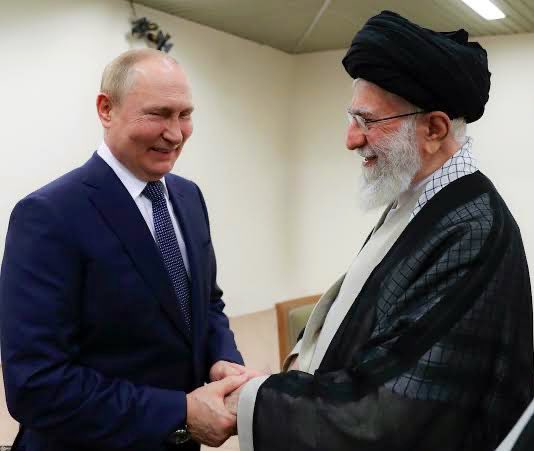
⚠️ #BREAKING#Netanyahu just FIRED his Defense Minister! Gallant’s call to pause judicial overhaul leads to shockwaves in Israel—military divided, protests surge, and security risks skyrocket! Is this the beginning of a national crisis? 🇮🇱🔥 #IsraelUnderFire#Iran could leverage the current internal unrest and division in Israel following the firing of Defense Minister Yoav Gallant in several ways, aiming to exploit Israel’s potentially weakened security posture and strained defense resources. Here are some key ways Iran might act:
1.Encouraging Regional Proxies: Iran has strong alliances with groups like Hezbollah in Lebanon and Hamas in Gaza, who may interpret Israel’s internal strife as an opportunity to escalate border tensions or launch attacks. If Israel’s military and intelligence agencies are stretched thin by internal divisions and reservist refusals, these groups might feel emboldened to increase their activities along Israel’s borders, testing its defensive readiness.
2.Cyber Attacks and Espionage: Iran has a sophisticated cyber warfare division, which it has used in the past against Israeli infrastructure. Amid political instability, Iran could intensify cyber attacks on Israeli institutions, targeting everything from critical infrastructure to financial systems. Additionally, they may try to exploit divided loyalties or compromised communication within Israel’s intelligence and defense sectors for espionage opportunities.
3.Political Influence and Regional Alliances: Iran could use this period to strengthen its alliances with other regional players by painting Israel as unstable and vulnerable. By doing so, Iran could aim to isolate Israel diplomatically, encouraging countries like Syria and factions within Lebanon to align more closely with Tehran’s anti-Israel stance.
4.Public Propaganda: Iran often leverages propaganda to undermine Israeli public morale and international support for Israel. Iranian state media and allied networks could amplify news of Israel’s political and military divisions, portraying Israel as internally fractured, which could resonate with and potentially inspire further unrest within Israel.
5.Nuclear Negotiations and Military Advancements: Iran might take this time to ramp up its nuclear enrichment program or military advancements, gambling on Israel’s current political distractions to delay or lessen Israel’s ability to respond.
These strategies would allow Iran to exploit Israel’s current political and security challenges, potentially forcing Israel into a defensive posture both internally and on its borders.