Gartner’s Magic Quadrant for Analytics and Business Intelligence (BI) is out, and Databricks was named a Visionary in our first appearance, the highest debut for any vendor in this MQ’s 20+ year history.
BI has already changed. Anyone can drill from a signal down to the truth behind it and agentic loops make sure every answer has the full story. That’s where we're ahead with Genie and AI/BI. I use it every day to see the key signals, understand what changed and why, and decide what to do about it.
Huge congratulations to the teams, and thank you to our customers.
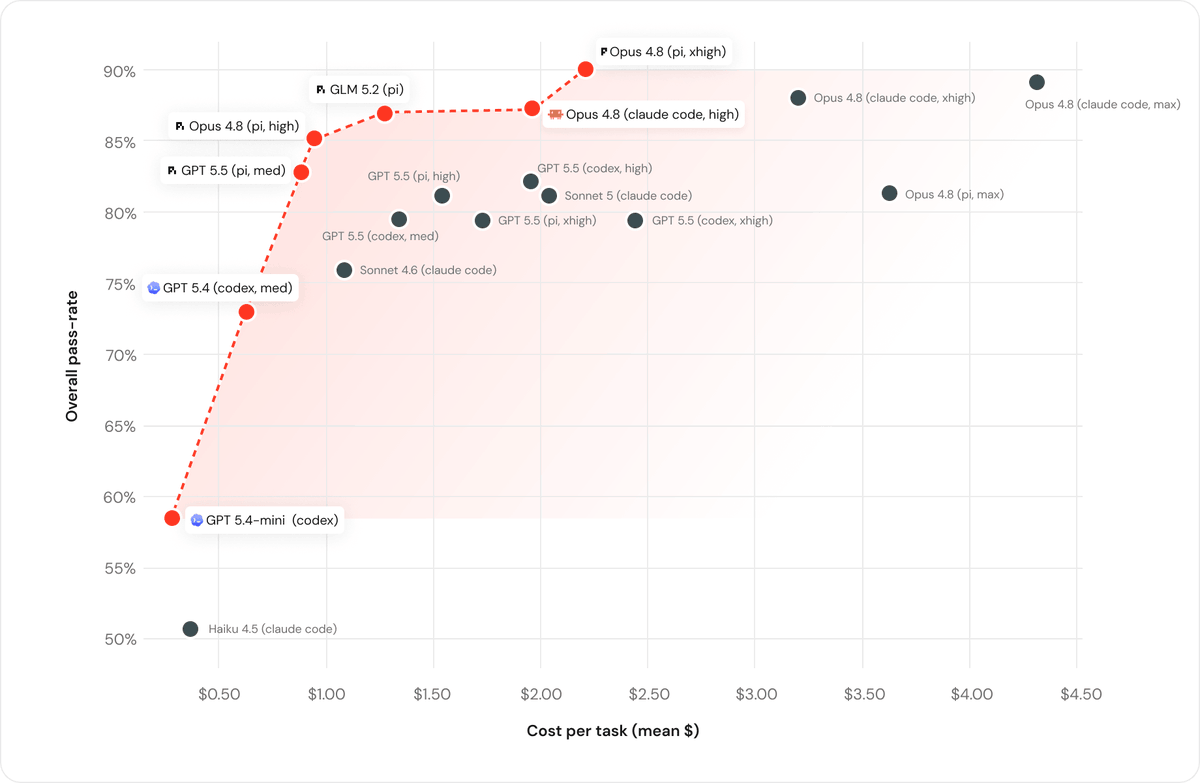
We benchmarked coding agents on our own internal tasks at Databricks and learned a lot!
There are many surprising opportunities to lower cost and increase quality, and many models including open source ones are truly competitive now. 🧵
My co-founder @rxin personally wrote this really good paper that explains the main idea behind postgres Lakebase as well as LTAP. It almost serves as a primer on how transactional databases are built and how Lakebase and LTAP work. Maybe more importantly, what are the tradeoffs, and what are you giving up by adopting this new approach. Highly recommended reading:
https://t.co/d5V12x1Fqr
Introducing 𝗢𝗺𝗻𝗶𝗴𝗲𝗻𝘁, a meta-harness to combine, control, and share your agents.
The best teams already mix models and harnesses and design loops that drive teams of agents. No single harness can keep up with that alone. So we built the layer above — we call it a 𝗺𝗲𝘁𝗮-𝗵𝗮𝗿𝗻𝗲𝘀𝘀.
Omnigent sits above the tools you already use, Claude Code, Codex, Pi, and your own agents, and gives them one shared layer:
• 𝗖𝗼𝗺𝗽𝗼𝘀𝗶𝘁𝗶𝗼𝗻: combine models, harnesses, and techniques without rewriting code, and switch between them with one-line changes
• 𝗖𝗼𝗻𝘁𝗿𝗼𝗹: stateful, data-centric policies and cost budgets enforced at the meta-harness layer, not via prompts — let agents run without watching them
• 𝗖𝗼𝗹𝗹𝗮𝗯𝗼𝗿𝗮𝘁𝗶𝗼𝗻: share a live agent session via URL with full history, so teammates can review, comment, and steer in real time
Every session is reachable from a terminal, the web, a desktop app, and your phone.
We built Omnigent for our own use at Databricks and are open sourcing it under Apache 2.0. https://t.co/hOpOJTrdZH
Excited to finally announce what we've been working on for a year - MLflow 3.0: Unified AI Experimentation, Observability, and Governance 🚀
MLflow 3.0 enables continuous improvement of your AI systems through data, allowing you to trace, evaluation, and monitor your AI systems.
We've built MLflow 3.0 with enterprise in mind:
- human collaboration with subject matter experts
- data governance & security
- integration with the rest of the data ecosystem at Databricks
We brought the ideas and tools we built in Lilac to the world of GenAI observability, with a LOT more to come this year.
You try MLflow on Databricks for free today too! Link to blog & signup in the threads.
Thread of the new features in MLflow 3.0 for GenAI 🧵
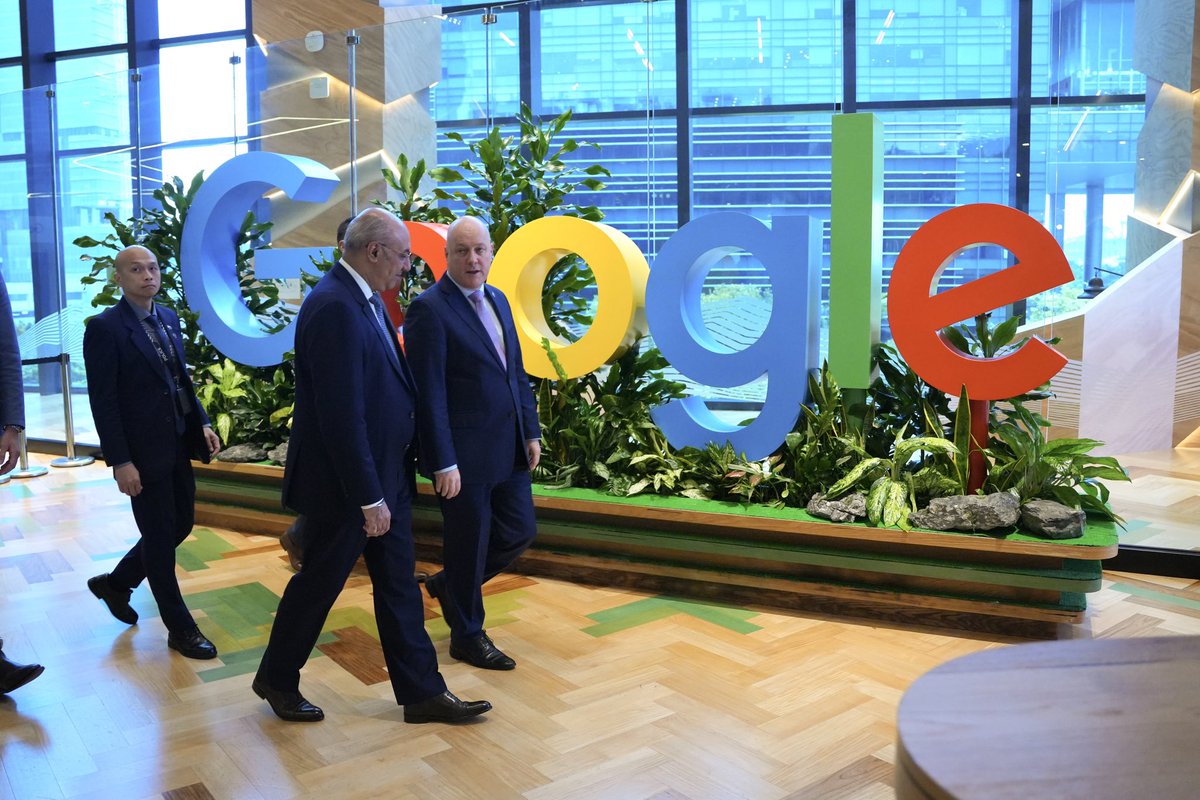
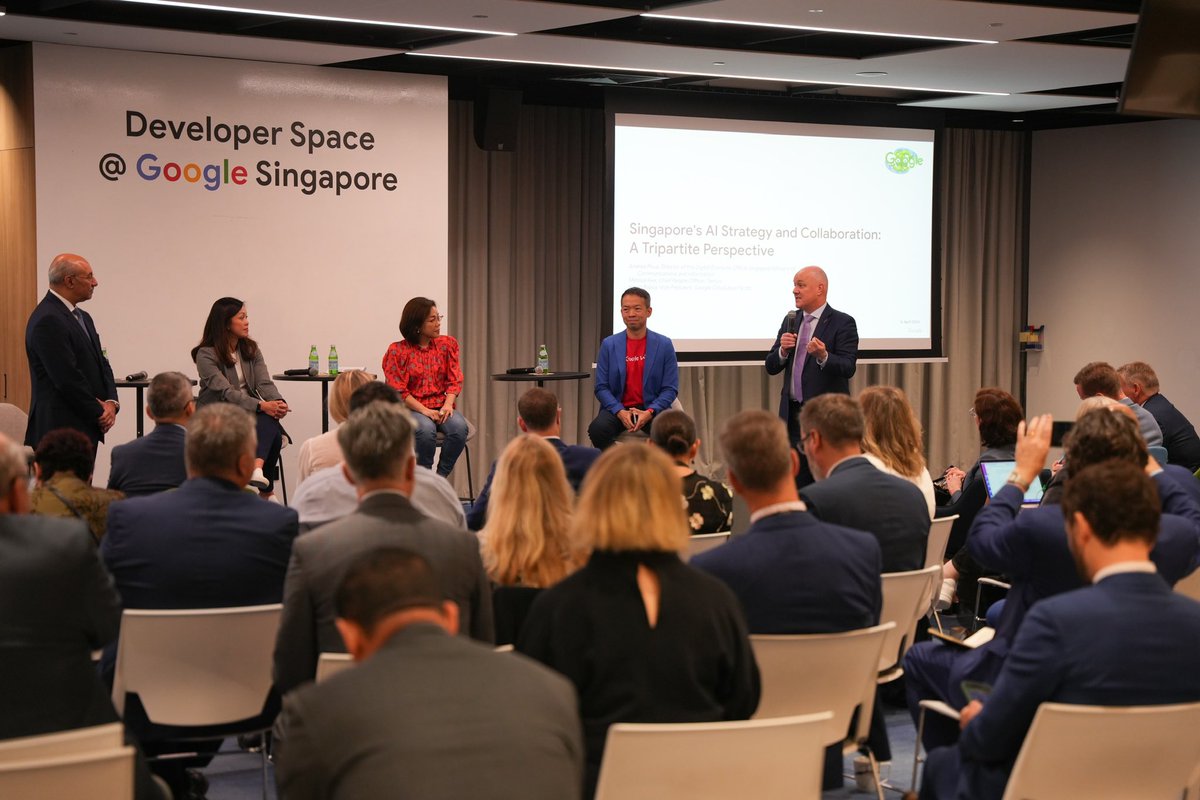
Just finished an insightful session at Google’s regional headquarters here in Singapore.
Had the privilege to delve into the ever-evolving landscape of Asian consumers alongside some of their senior regional leaders.
Let's talk about how CSPs digitally transform.
Join Ankur Jain, VP of GDC Engineering at Google Cloud, and Brian Kracik, Head of Global Telecom Industry Marketing at Google Cloud, to discuss how CSPs are modernizing and monetizing their networks using AI ↓
With advanced capabilities in #VertexAI and Vector Search, @eBay has accelerated its engineering velocity and elevated the customer experience.
Learn more about how eBay has built a robust in-house ML infrastructure using state-of-the-art solutions → https://t.co/tOXX3OhJBx
👋 #GenAI enthusiasts! Vertex AI search can help you create custom search experiences like @Google search for use cases such as:
✅ Text Search in customer support docs
✅ Recommendations for customers
✅ Image search
✅ Knowledge graph
🤓 What to see code samples to get started? Check out this repo by @HoltSkinner12
https://t.co/lsshqfymmw
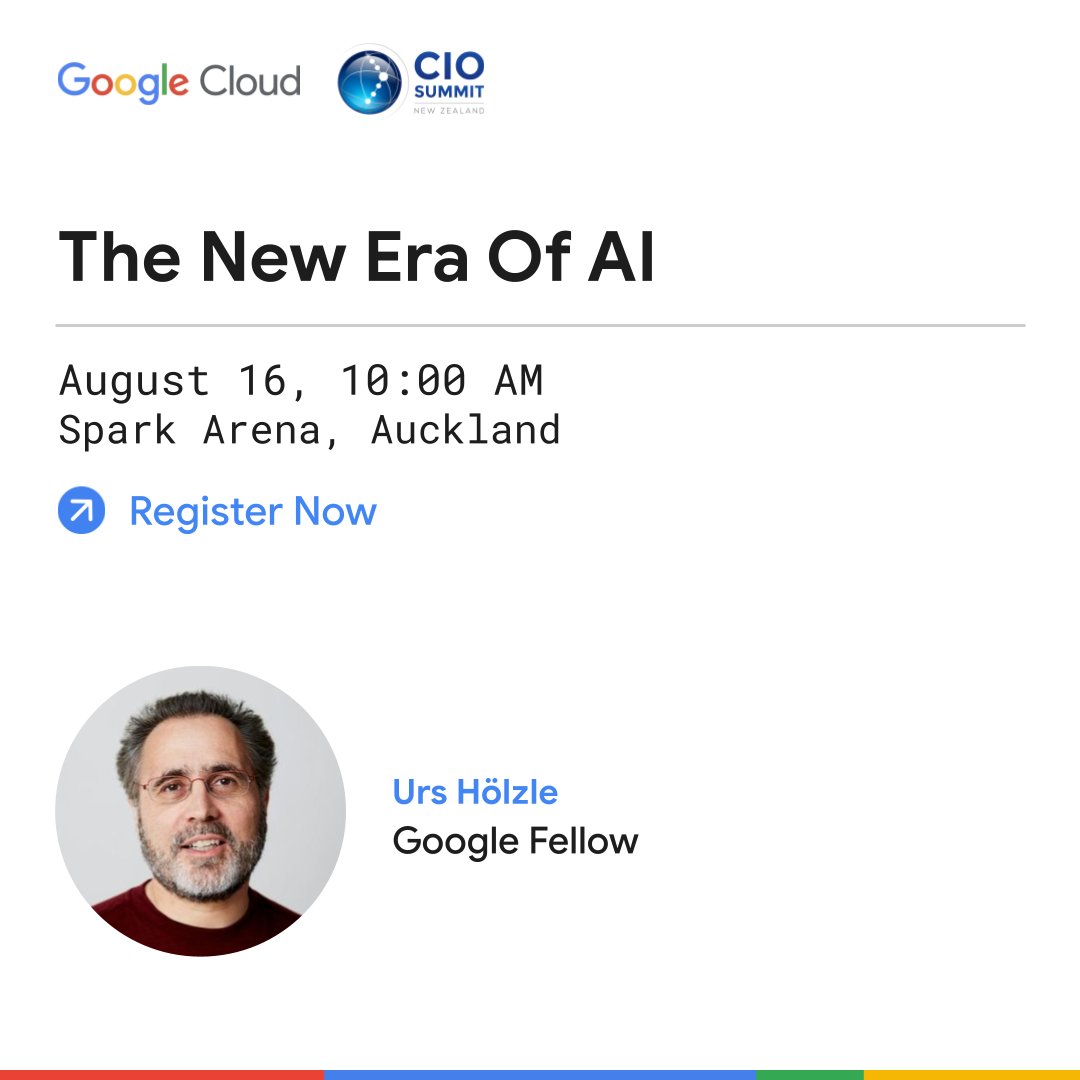
The new era of #AI is here, and already solving some of the biggest problems in the world. I'm looking forward to sharing more with CIOs at the #NZCIO Summit tomorrow. I hope to see you there! https://t.co/jFN8fyxPvS
Learn about the latest LLM we're launching at Google, Bard: an experimental conversational AI service powered by our latest version of LaMDA, which draws from the web to provide fresh, high-quality responses. https://t.co/DBGxMwn1NI
This week on the GCP Podcast, guests Sharon Fang & Michael Sudakovitch are here this week to talk with hosts @maxsaltonstall & @spoilerdiacre about Active Assist and how it facilitates more secure, sustainable, and cheaper projects https://t.co/9l7rNDcevO
“API” and “microservice” are terms that are being thrown around increasingly in the last few years. But to deal with microservices complexity, API management and servicemesh should work together. Learn how Google Cloud can help manage these complexities https://t.co/YV8g0Y2MFY
How can businesses better integrate sustainability into their organisations to do more for our planet? Join Google Cloud and hear more from Urs Hölzle as he shares more at the upcoming Analytics & AI Forum. https://t.co/b5pEkgg8bp
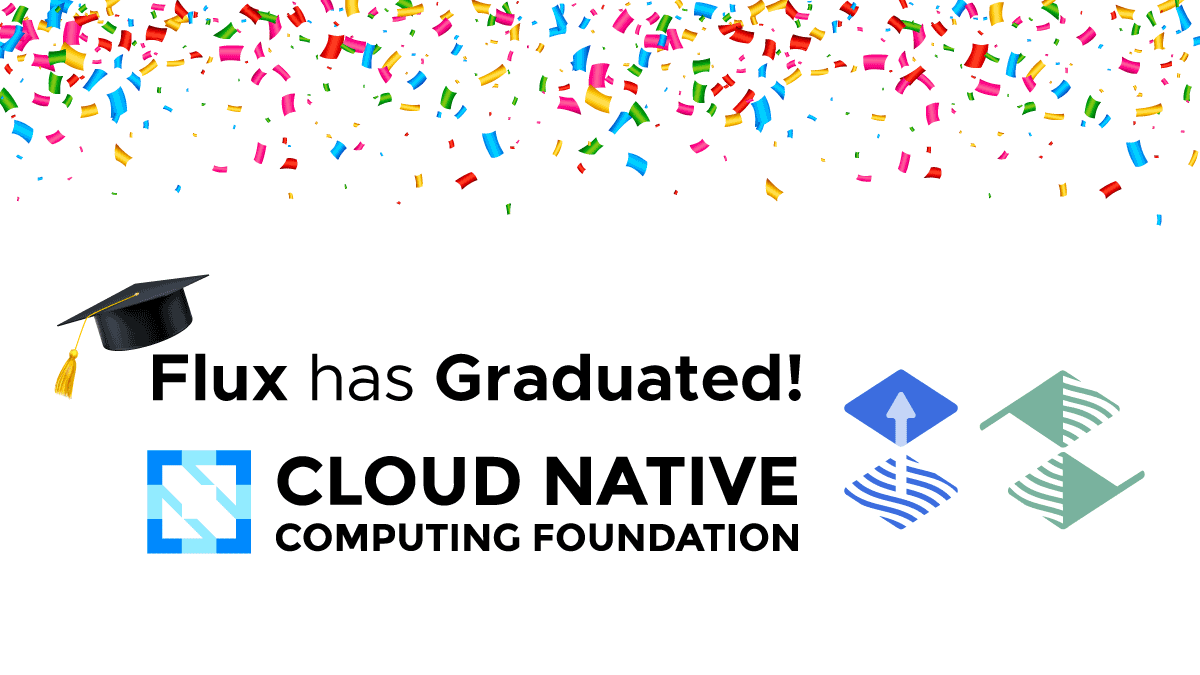
We're beyond thrilled to announced that Flux is now a @CloudNativeFdn Graduated Project! 🎓
Huge thanks to all our maintainers, contributors, community members, supporters, & ecosystem integrators!
https://t.co/Zl0oaj8lcE
Data is the key to better decision making in uncertain times. Join Google Cloud as we discover how the latest AI and data-enabled technology can help solve business challenges and help your business unlock growth. Register now. https://t.co/yiXmEzGqs2
Welcome to the @GoogleCloud family, @Mandiant! Hear directly from our CEO @ThomasOrTK on how this acquisition will transform #security operations and incident response. ☁️ https://t.co/GRtgNzId5X