🚨 Interesting observation coming out from @acmgrillo PhD @PPGECOUFRN showing that corals 🪸 can release larvae when in contact competition with zoanthids!😲
It happened in one of her experiments (link🧶), showing the power of observation!💪Check it out👇
https://t.co/JULGI0uD4D
Dietary and stable isotope analyses revealed that the feeding ecology of #herbivorous#fishes is not affected by low water temperatures in the Cabo Frio #upwelling system
https://t.co/8m7D42nDQq
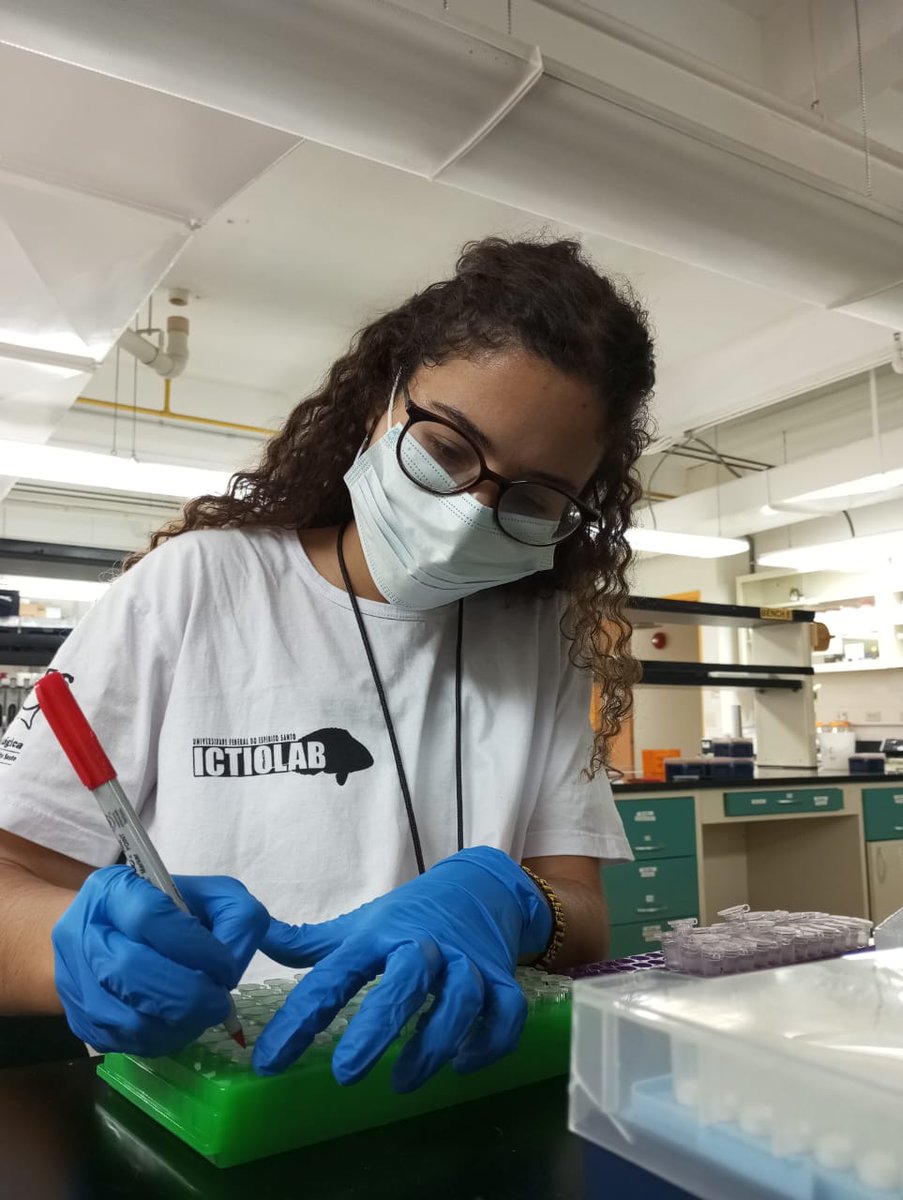
It is a privilege to be part of the @Matt_Leray team and work at @stri_panama. Can't wait to see the results of this collaboration with @gobysimon 🐟🐠 @ictiolab
🦈 We are seeking a University-Assistant (Postdoc) with focus on palaeoichthyology to strengthen our team at the dept. of Palaeontology @univienna: https://t.co/XD7IjWauu1 🦈
Please RT and also forward this information to potential candidates!
#postdocposition
Happy to announce two new papers out in Nature today! One is on octopus sleep, where Neuropixels recordings shows a wake-like stage of 'active sleep' accompanied by rapidly changing skin patterns that match those of waking behavior https://t.co/wbtWcFHvYM
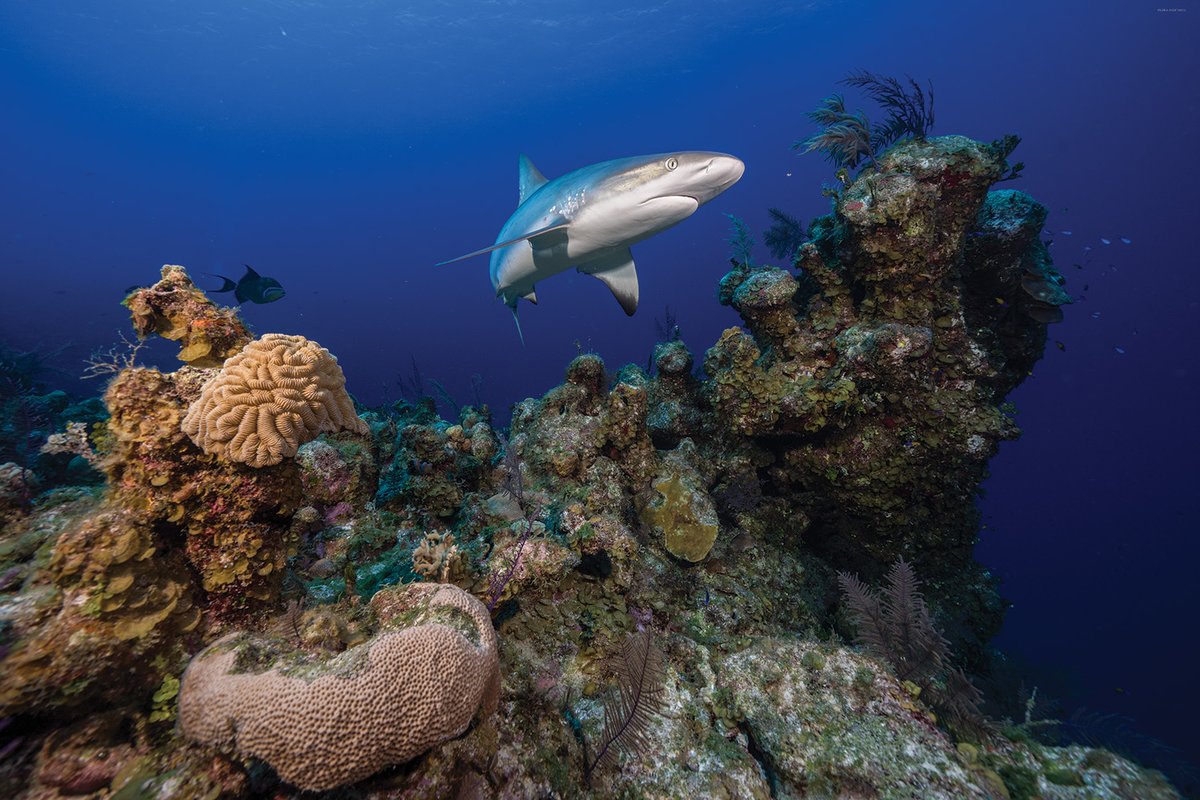
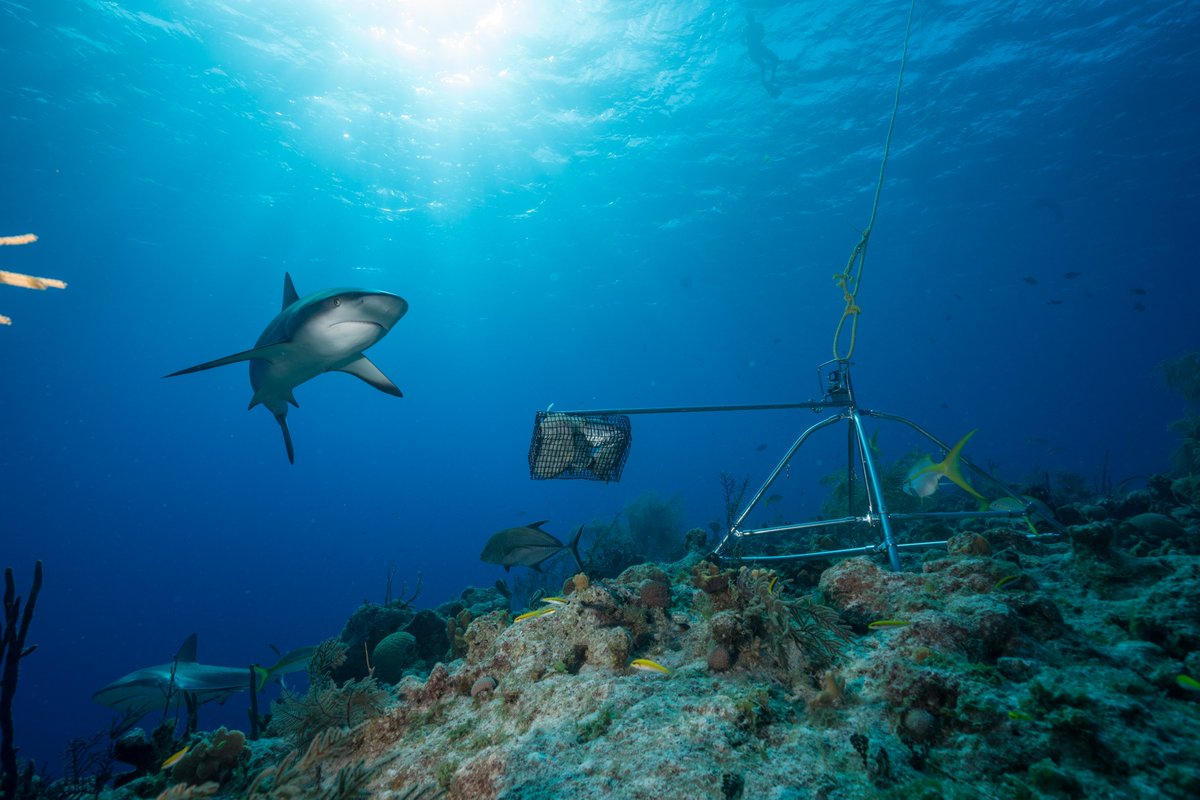
Five of the most common shark species living in coral reefs have declined 60% to 73%, according to a massive global study in Science.
📄: https://t.co/MHMVRJAx89
#SciencePerspective: https://t.co/Je7Y8WTtkC
“This study can be used to help identify those nations where such catches would be detrimental. We need to act now to stop the widespread extinction of shark species in many parts of the world.” says the leading author @SharkColin
4/4
Reef sharks are at a much higher risk of extinction than previously thought https://t.co/cw1EV892bz
Check out this new paper published at @ScienceMagazine ... a huge collaboration across the globe for #shark conservation!
1/4
Results from this latest research, which includes 22,000 hours of video footage from baited underwater video stations across 391 reefs in 67 nations and territories, indicate widespread overfishing is the main culprit driving reef sharks toward extinction.
3/4
Growth drives life!
How has the evolution of growth shaped one of the most diverse vertebrate groups - coral reef fishes?
New paper out today in @Nature
by co-1st-authors @helenyaan, @SiqueiraAleC with @RenatoAMorais, @bellwoodlab
⬇️🧵 (1/6)
https://t.co/9jLy2e1jwR
This paper has over 300 citations. But it almost never got published.
It had fierce opposition from influential researchers who promoted the novel ecosystem idea.
The team behind the paper didn't give up, though.
They persevered, pushing through years of reviews and nearly 10 journal rejections (this was told to me by Gustavo Kattan, one of my scientific mentors.)
I won't comment on this particular scientific debate but...
The moral of the story is that if you have something important to say, don't be afraid to speak loudly.
@Drsharkbrain@Fishguy_FHL@mcleamj@PREAUX_FISH @SJC_fishy @fish@ichthyprof@ich@ProfSharkBrain not sure about this avoidance of pectoral fin theory. Labrids, e.g. mostly use pectoral fins to move. Their lateral line is not arched as in the flatfish example. BTW, flatfish moves mainly through undulation! I'd bet on different sensorial needs related to different habits.
Fish Heads are the best! Here is another fish skull model, this one showing the dynamic levers and linkage systems in the feeding mechanisms of wrasses. #FourBarLinkage#Biomechanics#WrasseWednesday
The fish is using a rock as a tool to help it break open its hard-shelled prey 🔨 15 wrasse species have been observed using tools to date 🐟 Help us discover new species! Report your observation of this behavior at https://t.co/aXXoVkIE7F or contact me.