John Oyelakin-Ogunbileje,PhD, DABCC, NRCC,ASCP(SC)
@ifemiwale
Assistant Professor of Clinical Pathology and Laboratory Medicine, Department Pathology, Indiana University. IU Health. Husband/father/Clinical chemist.
BREAKING NEWS
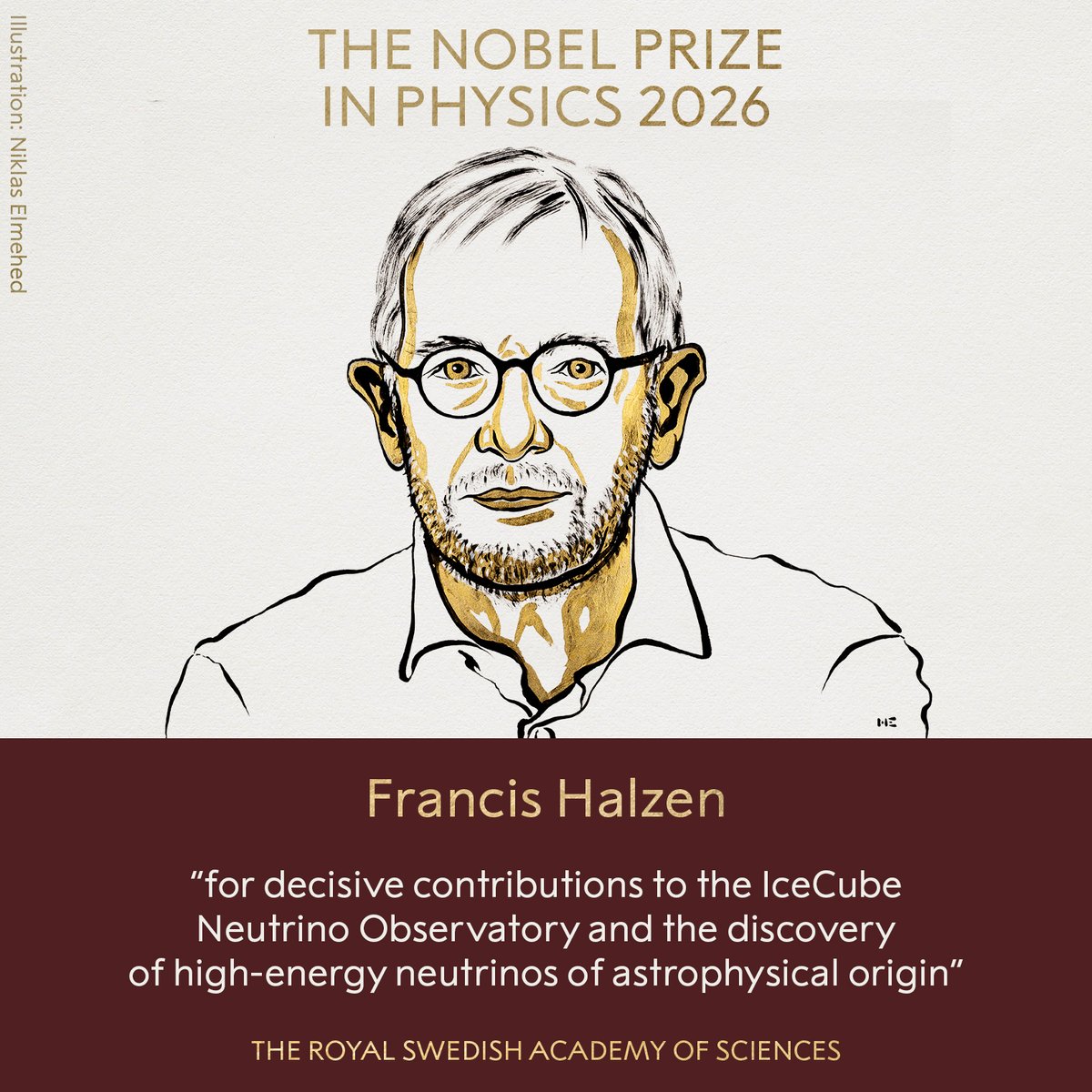
The Royal Swedish Academy of Sciences has decided to award the 2026 #NobelPrize in Physics to Francis Halzen “for decisive contributions to the IceCube Neutrino Observatory and the discovery of high-energy neutrinos of astrophysical origin.”
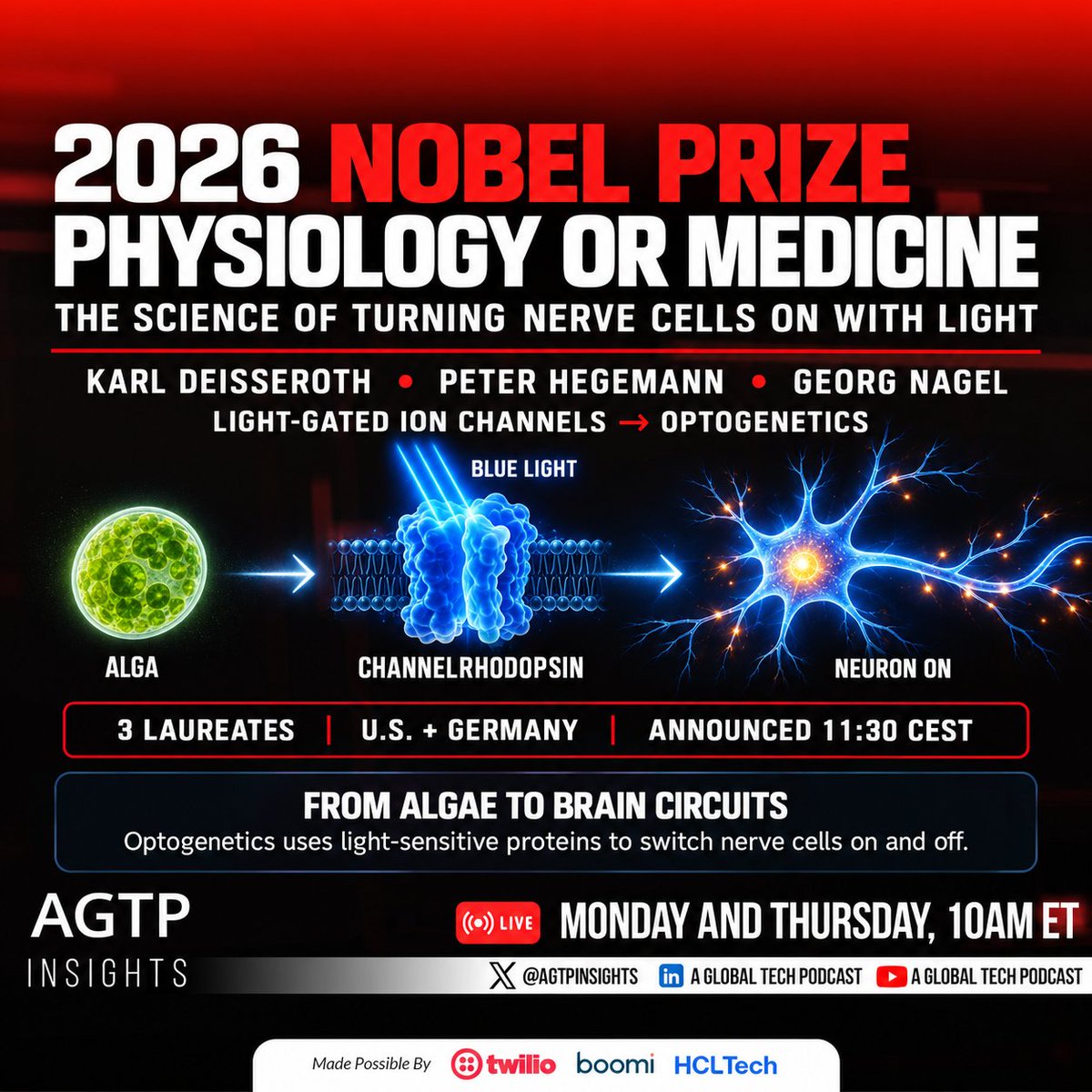
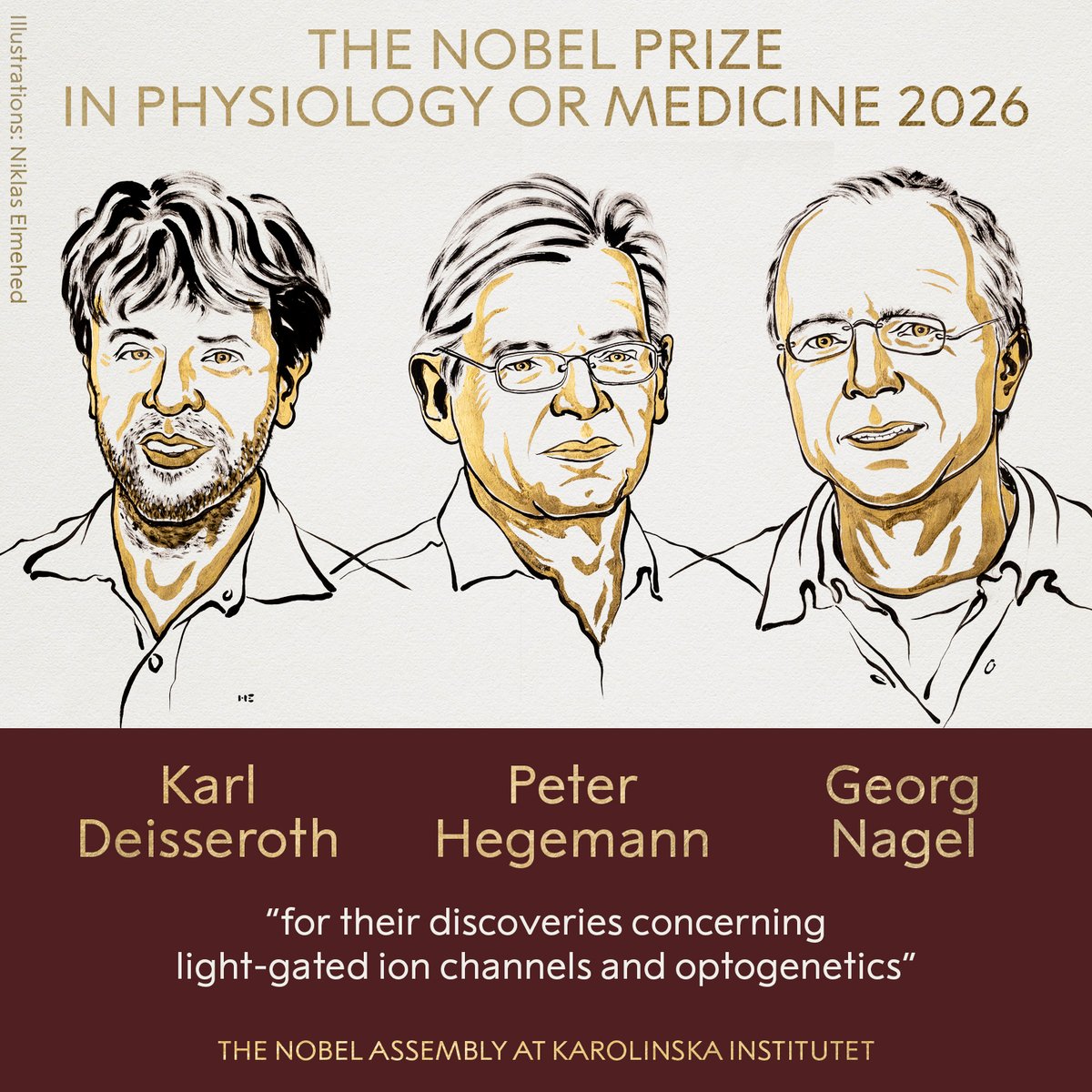
The 2026 Nobel Prize in Physiology or Medicine just went to Karl Deisseroth, Peter Hegemann and Georg Nagel. Here's what you need to know.
The Nobel Assembly at Karolinska announced the prize today "for their discoveries concerning light-gated ion channels and optogenetics." Deisseroth is from the U.S. Hegemann and Nagel are from Germany. The committee calls optogenetics a method that shows how nerve cells shape memories, feelings and behaviours.
The story starts with an alga. Hegemann wondered how Chlamydomonas, a single-celled alga, swims towards a light source. In the early 2000s, he and Nagel discovered a protein called channelrhodopsin in it. It is a light-gated ion channel.
Then Deisseroth turned it into a tool. He put the gene for channelrhodopsin into nerve cells from rats. When he lit the cells with blue light, he could switch them on. Channelrhodopsin became a light-controlled switch for nerve cells.
Why it matters. Understanding how the brain forms memories, feelings and behaviours has long been a dream for researchers. Using optogenetics, they can now reveal the neural circuits behind specific memories, feelings and behaviours relevant to neurological and psychiatric conditions. The Nobel committee says the laureates laid the foundation of a new era in neuroscience.
Key numbers:
- 3 laureates: Deisseroth (U.S.), Hegemann (Germany), Nagel (Germany)
- Announced at 11:30 CEST by the Nobel Assembly
- Channelrhodopsin found in the early 2000s
- Blue light used to activate rat nerve cells
Optogenetics lets scientists turn nerve cells on and off with light-sensitive proteins from algae, and it is now a core tool in brain research.
🚨🚨WOW! This is absolutely amazing to see that Karl Deisseroth, Peter Hegemann and Georg Nagel have won the Nobel prize in medicine for their optogenetic research! Visual optogenetics is a therapeutic modality that uses Gene Therapy to deliver a light-sensitive protein to cells in the retina. This mechanism of entering light to the eye can then stimulate these cells to produce a visual signal that is sent to the brain and thus “overriding” the retinal cells and to restore vision to vision impaired patients. This mechanism is already in clinical development and the most advanced optogenetic therapy is currently Nanoscope Therapeutics’ MOGENRY (formally known MCO-010) - an Optogenetic Gene Therapy aimed to restore vision in Retinitis Pigmentosa (RP) patients with a severe vision loss which is waiting for an FDA approval! Absolutely amazing!
BREAKING NEWS
The 2026 #NobelPrize in Physiology or Medicine has been awarded to Karl Deisseroth, Peter Hegemann and Georg Nagel “for their discoveries concerning light-gated ion channels and optogenetics.”
🎉 The wait is over!
Meet the 50 Leading Voices of The Pathologist Power List 2026, celebrating the people driving ideas, innovation and change across pathology and laboratory medicine.
🔬 Discover the list: https://t.co/CbhBs8mH3x
#PowerList2026#Pathology#LaboratoryMedicine
🌟 Making their Power List debut!
This year, 10 new names join The Pathologist Power List as 2026 Leading Voices, celebrating those helping move pathology and laboratory medicine forward.
🔬 Meet them: https://t.co/oERW5NaDTF
#PowerList2026#Pathology
It’s an honor to be recognized on the Pathologist's Power List: Leading Voices edition. Congratulations to the other honorees. The Pathologist | 2026 #thepathologist#PowerList#laboratorymedicine
🎉 The wait is over!
Meet the 50 Leading Voices of The Pathologist Power List 2026, celebrating the people driving ideas, innovation and change across pathology and laboratory medicine.
🔬 Discover the list: https://t.co/CbhBs8mH3x
#PowerList2026#Pathology#LaboratoryMedicine
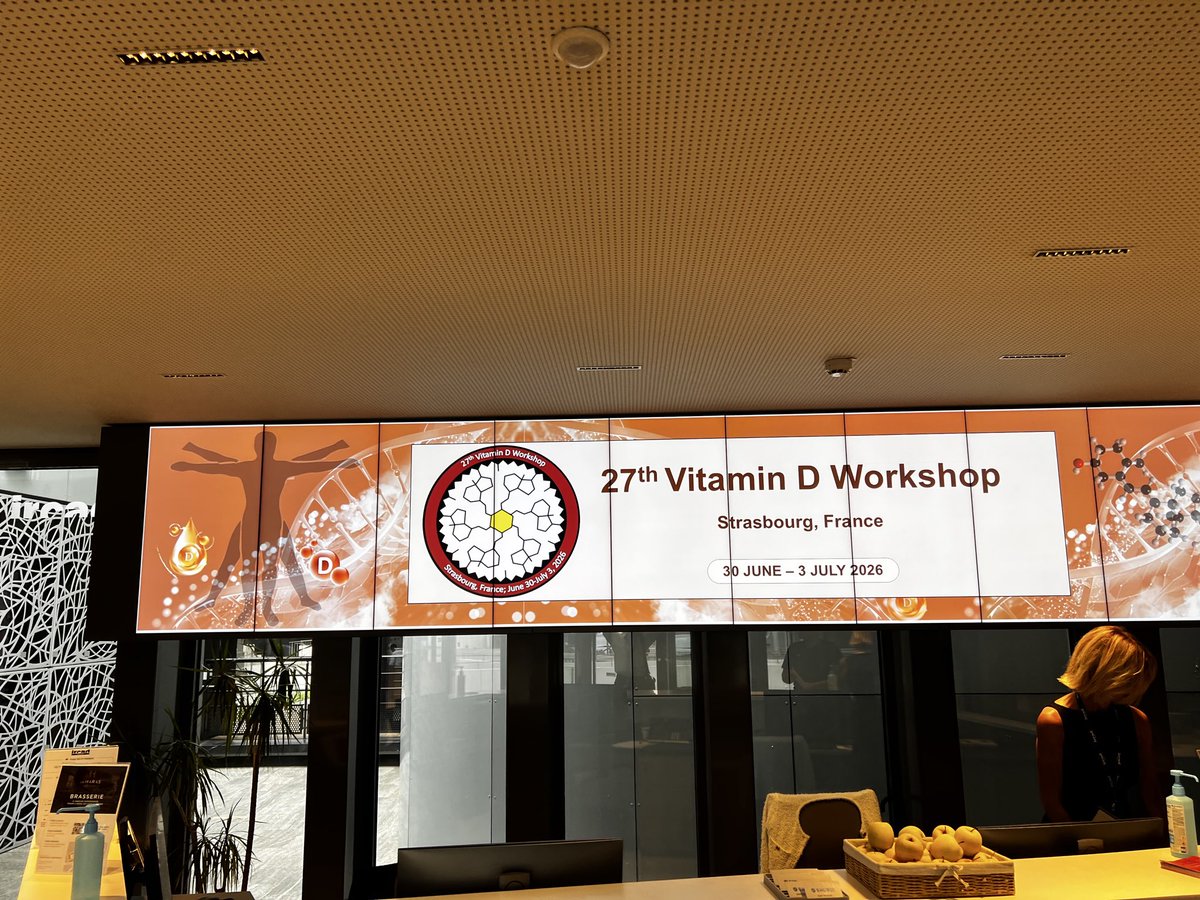
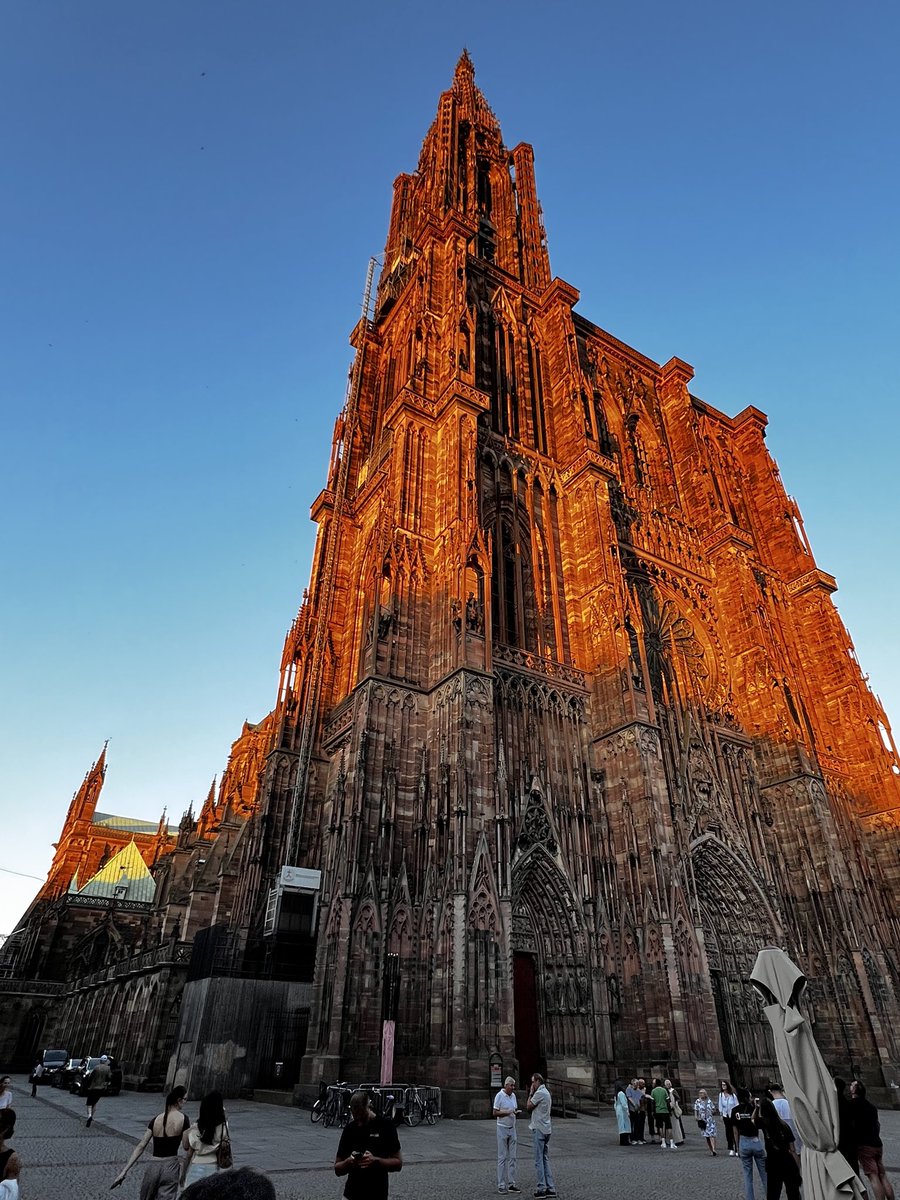
@Vit_D_Workshop this year in Strasbourg, France was a great experience. I’m grateful for the opportunity to present part of our research. The city of Strasbourg is a beautiful city.
Artemis II astronauts will fly beyond Earth’s protective bubble, with only Orion as their shield.
@NASA and @NOAA teams will monitor the Sun 24/7, turning solar weather data into real-time decisions that help keep the astronauts safe. Learn more: https://t.co/NOkGIgg89U
🆕 New Case of the Month 🚨
Check out our case and follow along each month! #pathtwitter#medtwitter#pedipath#COTM#iupathology
Contributed by: Harini Venkatraman Ravisankar, MBBS, PGY2; Erin Rudzinski, MD, Professor, Dir of Pediatric Pathology
🔗 https://t.co/4RBQSX4LpP
We present a case report of a rare PSTPIP1 variant not previously associated with clinically significant findings. Progressive increase of serum zinc level in a Pediatric patient with P... https://t.co/nSspIyOm7z @iupathology https://t.co/lVPMs0k0PW
The E250K and E257K mutations of the PSTPIP1 gene are the two variants usually associated with PAMI syndrome. It is characterized by hyperzincemia and autoinflammation. We reported a case of p.N236K mutation with this pathological phenomenon https://t.co/lVPMs0k0PW