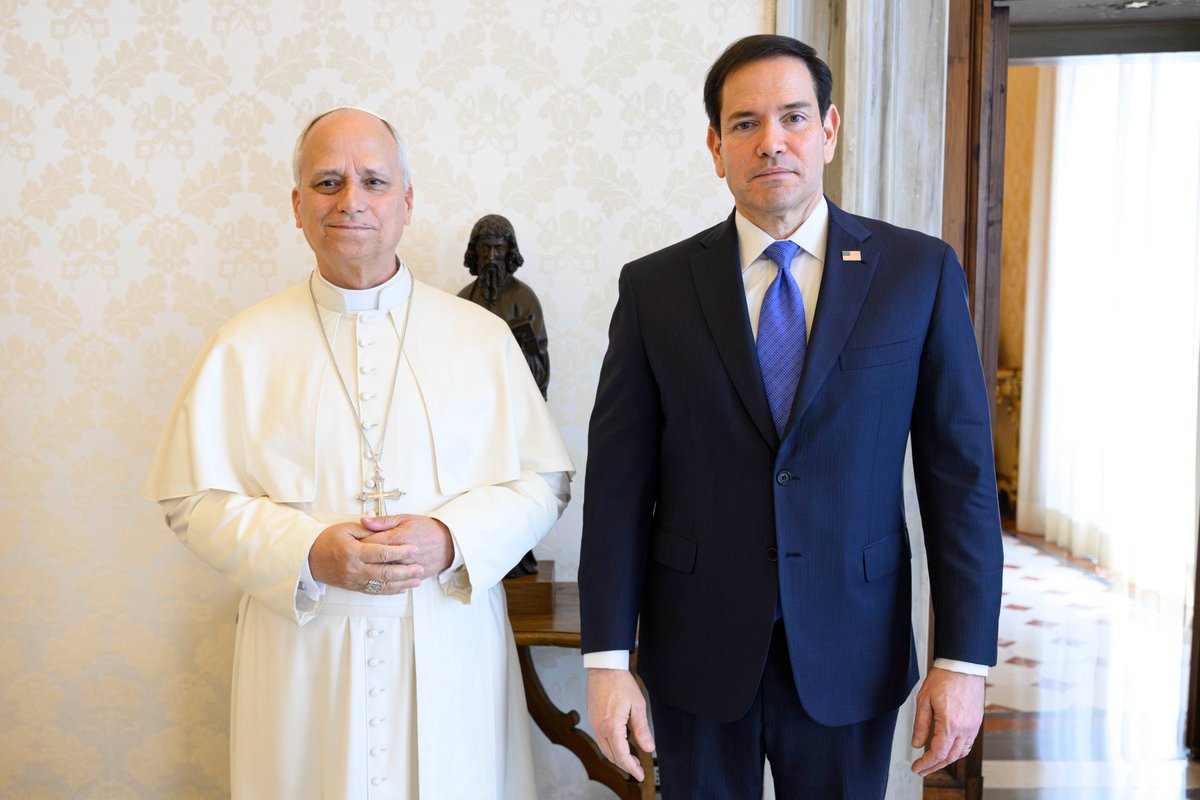
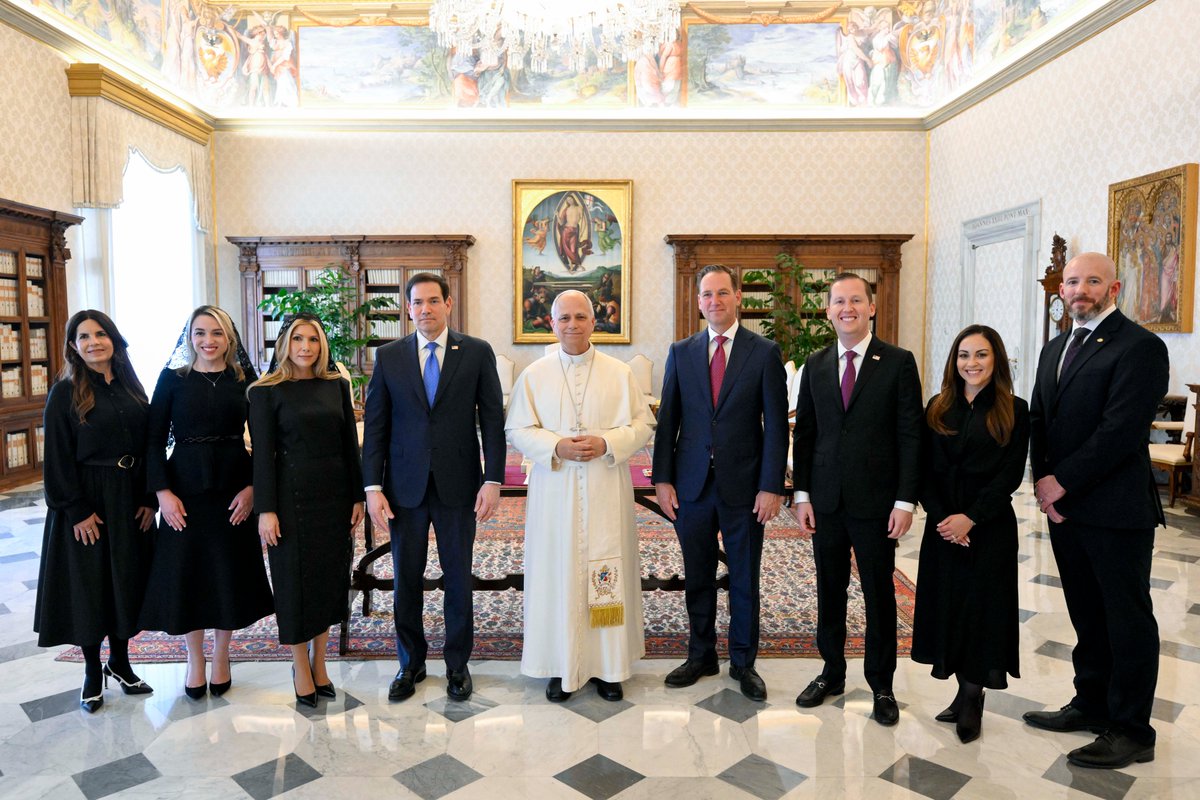
As evidenced by the unbridled promotion and implementation of technology at the expense of human dignity, we are truly experiencing an eclipse of the sense of what it means to be human. It is imperative to recover an understanding of the true meaning and grandeur of humanity as intended by God. It is in this sense that the challenge we currently face is not technological, but anthropological, and it is my hope that the Encyclical Letter to be published within a few days will contribute to answering this challenge.
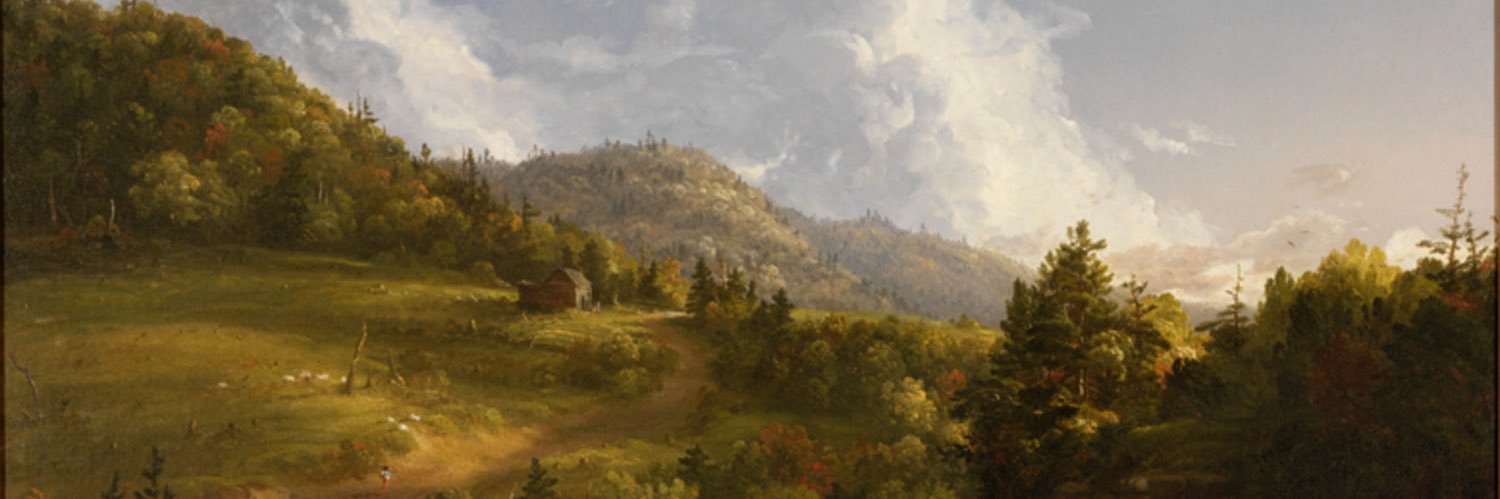
Your brain is built to forget almost everything that happens to you. It makes one exception, and you're looking at it.
Carole Peterson at Memorial University has spent over 25 years studying our earliest memories. She found that the first one most adults can recall comes from age 2.5, not 3.5 as the old textbooks said. The early memories that survive share three things: a strong feeling, a new experience, and a physical sensation. A wave, a dad's grip, and the weird feeling of riding a board check every box.
The mechanism lives in the amygdala. It's the brain's emotion sensor, sitting right next to the hippocampus, the part that files memories. When something big happens, the amygdala triggers a flood of stress hormones like cortisol. That's the signal to the hippocampus to file this one extra deep. James McGaugh at UC Irvine spent his career showing this works for happy moments too. The amygdala fires for pleasure the same way it fires for fear. What matters is how loud the feeling is.
Dads play a particular role here. Daniel Paquette, a developmental psychologist in Montreal, has spent 20 years researching what he calls the "activation relationship." Moms tend to be the safe base kids come back to. Dads tend to be the door to the outside world. They push kids into new and slightly scary situations, and stand right there as the safety net. Kids who grow up with this kind of dad end up more confident, less anxious, and more comfortable around strangers.
A 2017 review pulled together 16 studies covering 1,521 father-child pairs. Quality rough-and-tumble play, which means the wrestling and tossing and chasing kind, was linked to lower aggression, better emotion regulation, and stronger self-control. In rats, baby animals that don't get to play-fight grow up with an under-developed prefrontal cortex, which handles planning and impulse control.
Christina Bethell's 2019 study in JAMA Pediatrics took the long view. Her team at Johns Hopkins surveyed 6,188 Wisconsin adults about their positive childhood experiences. Adults reporting six or seven of those had 72 percent lower odds of adult depression than those reporting zero to two. The effect held even for people with serious childhood trauma. Good moments keep paying out for decades.
The original tweet is right. The moments that burn in are the ones with big feelings, new physical sensations, and an adult who is the bridge between safe and scary. Twenty years from now, the grip is what he'll remember.
Today the Church commemorates the Prophet Isaiah.
Isaiah, son of Amoz, was a prophet in the eighth century B.C. He prophesied of the Messiah so consistently, and he is quoted so many times in the NT, his Book is known as 'The Fifth Gospel'.
Saint Isaiah the Prophet, pray for us!
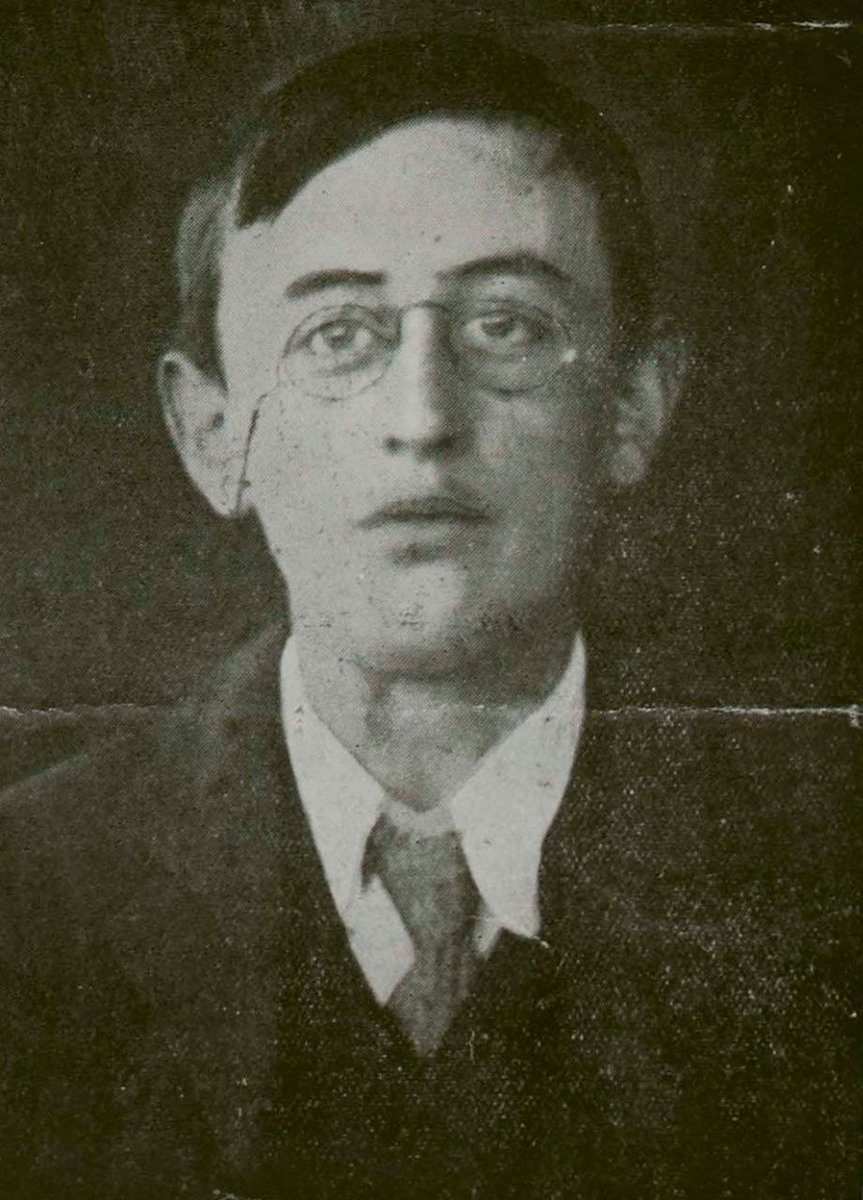
On this day in 1916, Irish Freedom Fighter Joseph Plunkett was executed
Plunkett played a significant role in efforts to have his relative Oliver Plunkett beatified
Before he died, Joseph Plunkett wrote this famous poem about Jesus:
'I see his blood upon the rose
And in the stars the glory of his eyes,
His body gleams amid eternal snows,
His tears fall from the skies.
I see his face in every flower;
The thunder and the singing of the birds
Are but his voice-and carven by his power
Rocks are his written words.
All pathways by his feet are worn,
His strong heart stirs the ever-beating sea,
His crown of thorns is twined with every thorn,
His cross is every tree'
What is the Church's view of the election for Jews who have been baptized into Christ and His Church?
Listen to Cardinal (then-Archbishop) Burke's answer here https://t.co/k1cU1RwHrM, or read it on pages 32-34 here: https://t.co/JJL4fTQayt
How would the Church view development of a *collective* presence of Hebrew Catholics?
The Cardinal explains the importance of this presence here: https://t.co/NN5sArzfwI
(which can also be found on pp. 35-36 here: https://t.co/JJL4fTQayt)
This was an amazing conference. @ShamelessPopery gave an amazing talk on the Old Testament roots of the feast of Christ the King. Lawrence Feingold gave an amazing talks on the gifts given to Israel in Romans 9. Matthew Ramage gave an amazing talk on Benedict XVI. @YardenJZ, @AvivaLund, and I spoke about being young Hebrew Catholics.
Everyone should really listen to these talks. A lot of people attack @philoscatholic and @SimoneRizkallah based on various rumors. They are faithful Catholics doing good work even if you don’t agree with them on everything. Please give these talks a listen.
I directly call out the boomer philosemites in my discussion of the panel so you have to at least watch that.
Faith does not separate the spiritual from the social. It gives Christians the strength to interact with the world and to respond to the needs of others, especially the weakest. What is needed for the salvation of a community is a communal commitment, which integrates the spiritual and moral dimensions of the Gospel in the heart of local institutions and structures, making them instruments for the common good, not places of conflict, self-interest, or sterile struggles. #ApostolicJourney #Cameroon