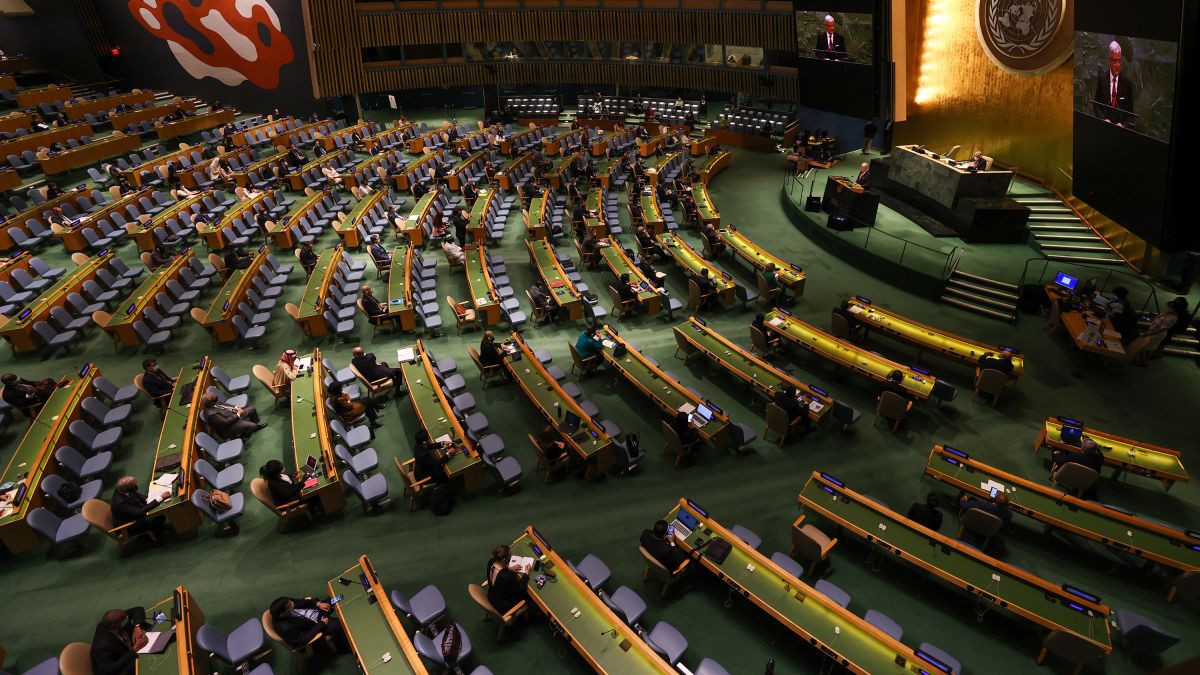
Human-induced #climatechange is the largest, most pervasive threat to the natural environment and societies the world has ever experienced, and the poorest countries are paying the heaviest price, says @SRclimatechange in his report to #UNGA77: https://t.co/4siyDm7Dz4
#ActNow
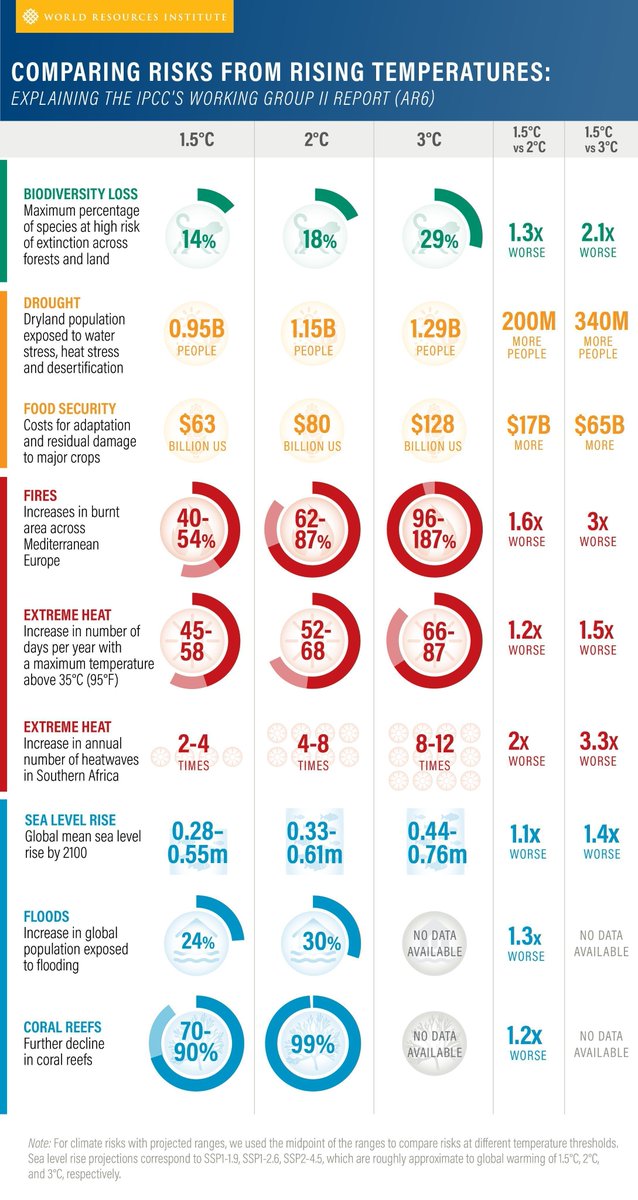
When it comes to climate change impacts, every fraction of a degree matters.
At #ClimateWeekNYC, leaders must come together and raise ambition to meet the scale of the problem.
There is no time to waste.
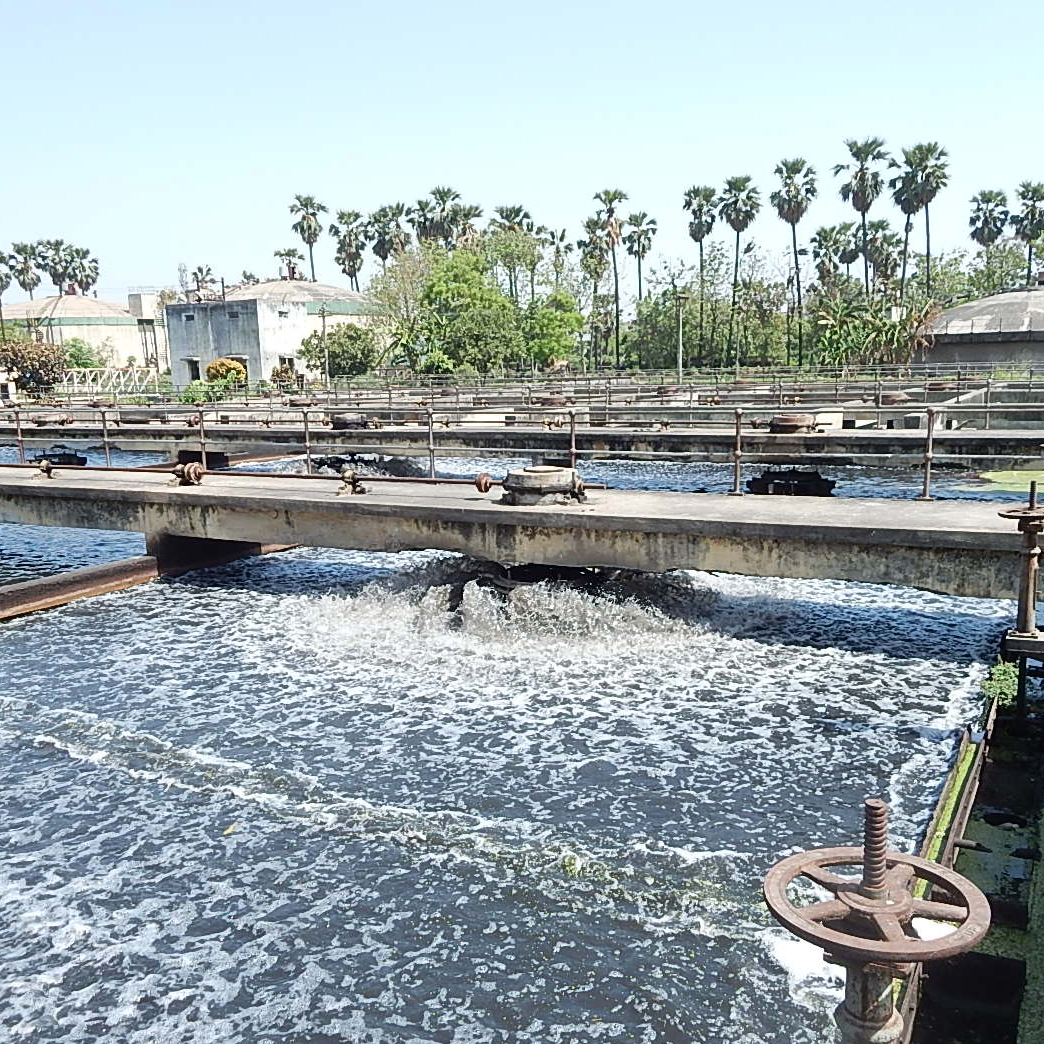
Wastewater treatment and reuse can:
💧 mitigate water pollution
🚰 expand water access
🌏 help cities become more #ClimateResilient
Learn more about the World Bank Group’s Scaling #ReWater initiative to support #WaterReuse: https://t.co/ttlVyuTtVH
Meanwhile, Greenland's September melt is largest on record - another "unprecedented" climate event - bringing it to the brink of major tipping point after which accelerated melting is inevitable
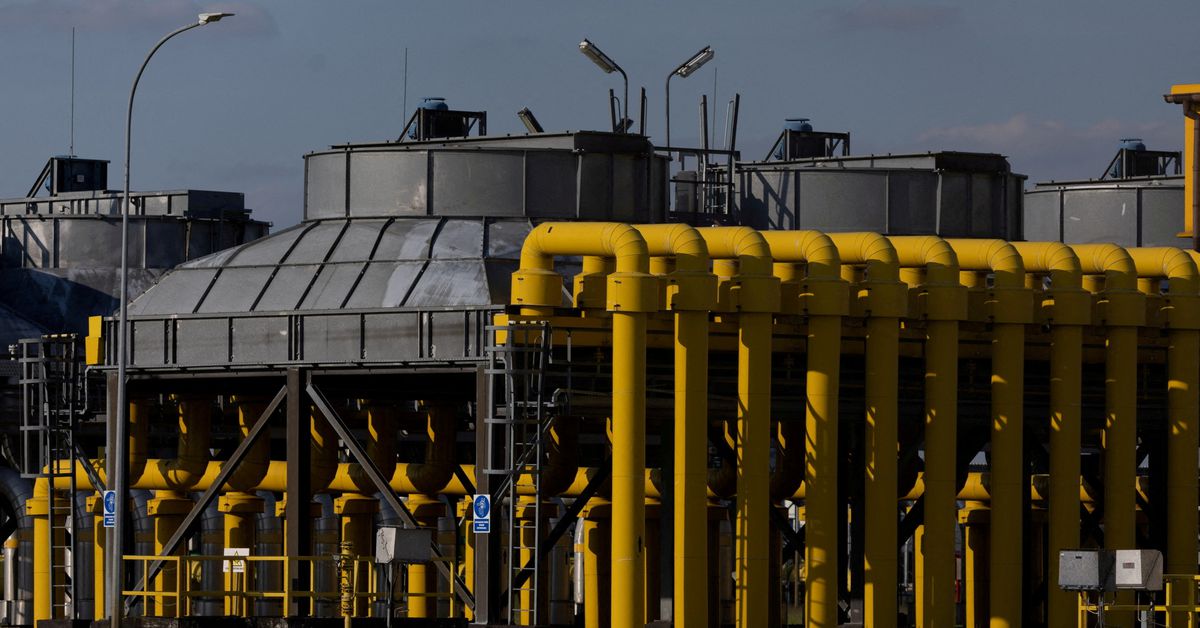
Emissions from burning oil, gas and coal continue to rise
https://t.co/nrJxacW5RX
City parks are accessible to everyone and help protect many Americans from the effects of global warming. However, as climate change increases, urban parks around the country are threatened, especially with a decrease in funding in many cities over the last decade.
“The violent and lawless erasure of the Amazon is perhaps the world’s greatest environmental crime story.” - @terrence_mccoy@washingtonpost
Read the stories of those fighting to protect the Amazon and the growing list of struggles they face: https://t.co/USql4Yklvr
This is one of my favorite data visualizations, especially this time of year (season transitions) - migration patterns of birds varying with air temperature using community science observations. I hope you enjoy it! 😊
[Animation created by @NOAA_SOS at: https://t.co/PtXtHcjFlb]
Water is central to achieving #SDG2
70% of water use is by agriculture. This level of water use makes food security extremely vulnerable to water scarcity.
We cannot achieve zero hunger without good governance of water resources.
🤔“top 60 U.S. banks...provided $4.6 trillion to the fossil fuel industry since 2016. Compare that to the $203 billion in bonds & loans that have gone toward renewable projects – a mere 5% of what has gone into fossil fuel financing.” #EndFossilFinance
https://t.co/UqtiCbSHO0
What's happening in #Pakistan is likely to be a catastrophic concatenation of multiple factors. Hotter planet means more air moisture (+7% each 1°C), leading to more extreme rain & greater risks of flooding. La Niña-induced rainfall can be unusually deadly https://t.co/nJzvdNw9og