New Psychology Today (@PsychToday) post! Is human nature fixed, or are we blank slates that society writes on?
For centuries, people picked one side. Both are wrong, and getting it wrong means building the wrong things. Here's the simple version. We inherit two things: our biology, and our culture—the habits, tools, and rules we pass down. They don't just sit side by side. Culture can rewrite biology.
Real cases: once humans started keeping animals and drinking milk, over generations, our bodies adapted to digest it. Learning to read—an invention only a few thousand years old—physically rewires the brain. A medieval rule against marrying cousins slowly pushed Western societies toward trusting strangers.
So human nature isn't a cage. It isn't clay either. Think of it as a design space: biology sets the outer limits, and culture decides what we actually become inside them. A child picks up language on its own. Nobody picks up calculus without being taught.
Why this matters if you build anything—products, teams, policy, tech: you can't override human nature, but you can work with it. The designs that last are the ones built on an honest picture of the people they're for.
"You can't change human nature". But what you learn about it changes what you can build with it.
Full piece in the comments👇
İnsanda yılan korkusu doğuştan gelmez. Evrimsel hipoteze göre insanda yılanları görsel olarak kolayca tespit etmeye ve yılan korkusunu kolayca öğrenmeye yönelik doğuştan gelen özel bir eğilim vardır.
Meraklısı için yeni tarihli bir makale:
https://t.co/pjG6F5OmdX
After a long break, I'm returning to my @PsychToday blog. My first piece back is about the central argument of my new book with @AdilSaribay, Reflection and Intuition in a Crisis-Ridden World: Thinking Hard or Hardly Thinking? (Routledge, 2025).
The claim is uncomfortable. Slow, careful reasoning is not the cognitive virtue we've been sold. For decades, dual-process research promised that thinking harder would rescue us from bad judgment. I no longer believe that promise holds up.
The trouble isn't that people refuse to think. They think constantly. Much of that reasoning is simply in service of conclusions already chosen. Psychologists call this motivated reasoning: assembling arguments for what we already want to believe, like a lawyer building a case. A generation of research shows that analytically skilled people are often better at rationalizing their existing beliefs, not freer from them. More cognitive horsepower mostly produces more elegant rationalization.
What actually produces sound judgment? We propose three orientations that reflection alone cannot provide:
(1) Intellectual humility: treating your current view as a hypothesis that must keep earning its place.
(2) Active open-mindedness: seeking evidence against your position as hard as you'd defend it.
(3) Holistic thinking: holding multiple causal pathways in mind, especially when problems cross domains.
These are not a checklist but one capacity working from different angles. Finding the most plausible account that ties the evidence together, and revising it when new evidence fails to fit. Humility makes revision possible. Open-mindedness drives the search for disconfirming evidence. Holistic thinking helps you see when new information belongs to a different system than you first assumed. This is what distinguishes strong diagnosticians: their core skill is not knowledge but the ability to update quickly when the leading hypothesis fails.
Why this matters across sectors:
(1) Education: curricula still assume that stacking isolated competencies eventually produces judgment. It rarely does.
(2) Policy and public health: climate, polarization, and pandemics reward integrative thinkers.
(3) AI: LLMs produce competent answers cheaply. The scarce human skill is defensible synthesis across domains.
(4) Leadership: Executives who make the worst calls under uncertainty are rarely the least intelligent. They're the most committed to being right.
(5) Medicine and finance: where the cost of elegantly defending the wrong hypothesis is measured in lives or billions.
Reflection becomes useful only when a person seriously entertains the possibility of being wrong. Until then, it mostly helps us be wrong more effectively.
Full piece: https://t.co/g9V8wJ3g0e
Subscribe to the Moral Intuitions blog: https://t.co/XbuNjPW6v2
Yeni bir araştırmaya göre 3000'den fazla genin erkek ve kadın beynindeki transkripsiyonu farklı. Bu farklılık nörolojik ve psikiyatrik bozukluklardaki (ve belki bilişsel yeteneklerdeki) cinsiyet farklarını açıklama potansiyeline sahip.
https://t.co/E1Qe62BBiL
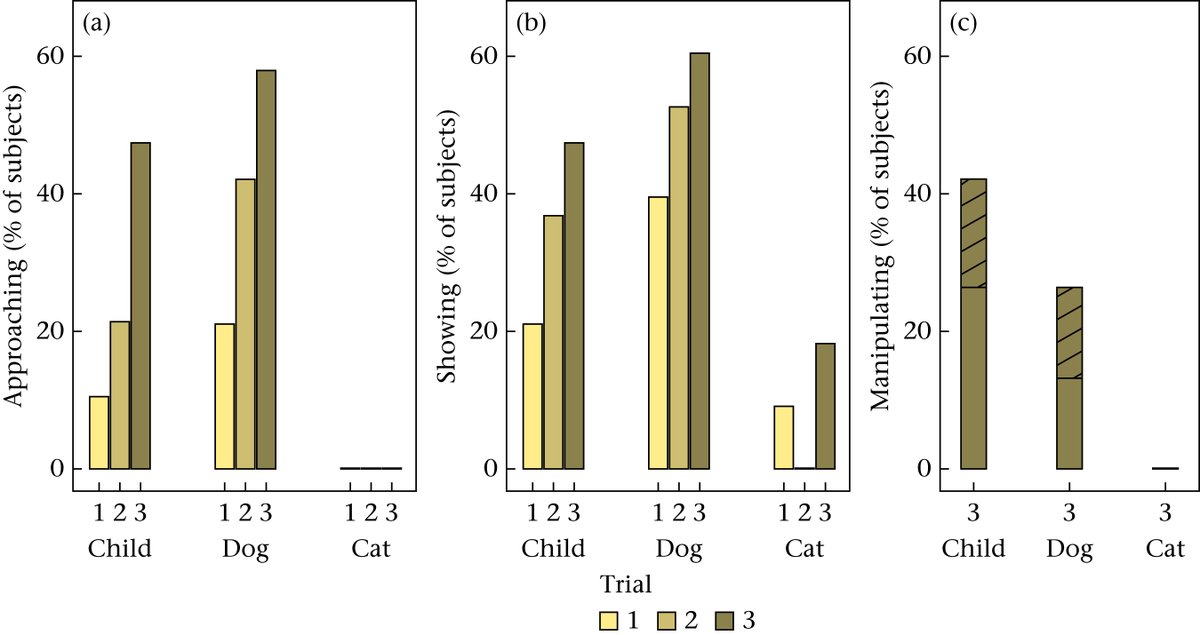
İnsan bakımveren deneycinin sakladığı bir nesneyi ararken 1.5-2 yaşındaki çocuklar ve köpekler nesnenin yerine yaklaşarak ve göstererek bakımverene yardım etmeye çalışıyorlar. Kediler ise nesne kendilerini ilgilendirmediği sürece yardımı umursamıyorlar.
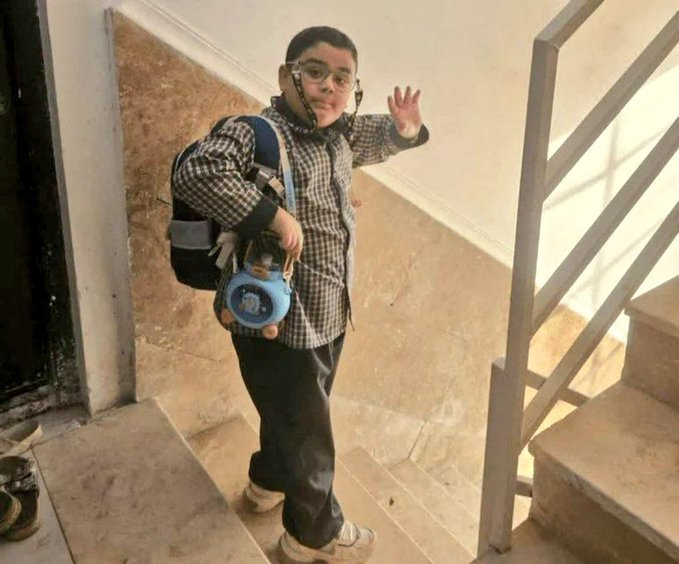
📸 The last photo of Mikaeil Mirdoraghi, a third-grade student killed in the reported U.S./Israeli strike on a primary school in Minab, Iran.
He is waving goodbye to his mother.
Çok üzgünüm, çok öfkeliyim. Cıvıl cıvıl ve çok zeki bir çocuktu Hifa. Çok güçlü ve mücadeleci bir kadındı Fatma. Bir anne ve kızın canı, göz göre göre tarikatların karanlığına feda edildi. Hifa “Beni babamdan korur musun?” diye sorduğunda ona söz vermiştim, sözümü tutamadım.
We’re pleased to share that our lab director, Onurcan Yilmaz (@_onurcanyilmaz), has been promoted to full professorship. We sincerely congratulate him and wish him continued success.
MINT Lab Cooperation Workshop recordings are now available.
We were honored to host Prof. Simon Gächter as our keynote speaker.
Cutting-edge research on cooperation, morality, and economic behavior.
📄 Program: https://t.co/lVgzv4yVb0
🎥 Watch: https://t.co/3AIkMJ5wpH
Barinagin paslı ve pis kafesinde kaldığın 3 gün içerisinde,hiç kimse yanına uğramadığı için senin idrar torban patlamak üzereydi.Ben almasaydim seni,1 gün sonra o kafeste son nefesini verecektin.Bu ülkenin barinaklarinda niceleriniz acılar içinde ölüyor Kediler günün kutlu olsun
İyi haber! Bugün kedi durağa geri bırakılacakmış ve tedavi edilmiş @FatihBelediye veterinerlik merkezinde. Kuyruğu ampute edilmiş. Çok teşekkürler, önyargılarımı kırdılar. Süreç boyunca hep bilgilendirme yaptılar. Durağa gidip kediyle düzenli ilgileneceğim ben de!
@FatihBelediye@IBBcozummerkezi Fatih Belediyesi yine şaşırtmadı. Bugün "Küçükpazar" tramvay durağında fotoğraftaki kuyruğu yaralı kediyi gördüm. Sunumum olduğu için önce İBB'yi aradım, belediyenin ilgilenmeyeceğini bildiğim için. Beni belediyeye yönlendirdiler.+
Betimleyici bir bilimsel anlatımla kişisel kanaat arasındaki ayrımın bu kadar kolay bulanıklaşması gerçekten düşündürücü. Türkiye’deki en köklü üniversitelerden birinde, evrim temalı ve akademik bir etkinlikte bile, böylesi bir tepkiyle karşılaşmak açıkçası beni oldukça şaşırttı
Bu konuşmaya katılan biri olarak şunu vurgulamak isterim: Sunum son derece kapsamlıydı. Din ve ahlak, evrimsel perspektiften antropolojik, sosyolojik ve psikolojik yaklaşımlarla ele alındı; literatürdeki temel tartışmalar ve farklı açıklama düzeyleri açık biçimde aktarıldı.
Boğaziçi Evrim Günleri'ndeki "Evrimsel Perspektiften Din ve Ahlak" başlıklı konuşmam genellikle olumlu tepkiler aldı. Bir olumsuz tepki ilginç bir şekilde dinin evrimsel perspektiften incelenebilir olduğu fikrine değil, dinin işbirliğinin evriminde olumlu rol oynamış bir adaptasyon olabileceği fikrine yönelikti. Edindiğim iki genel izlenim:
1. Gençler bu konularda bizim kuşaktan daha açık fikirli.
2. Din-bilim ilişkisinin rasyonel düzeyde tartışıldığı platformlara ihtiyacımız var.
Buna rağmen dinleyiciler arasından bir akademisyenin, öğrencilerin de bulunduğu bir ortamda, hocadan ısrarla normatif bir pozisyon talep etmesi ve bunu bağırarak, “bunu öğrenmeden bir yere gitmek istemiyorum” gibi ifadelerle yapması oldukça şaşırtıcıydı.