@NoraNazeer Did the same with both my kids. Now they’re 5 and 6, speaks English just fine.
We are surrounded by English text and language in shops, books, TV, Music, and in spoken language. They pick it up so easily even without having to be taught.
To every Pro Palestinian,
I need your urgent help.
My account's reach has dropped significantly.
Please retweet, share, and leave a comment, even a dot.
A True Story About Israel And Palestine
A husband and a wife were standing on top of a man one day drinking tea.
“Do we still have milk?” asked the wife.
“Yeah, like half a carton,” said the husband.
“HELP!” screamed the man.
“Oh well that’s good,” said the wife. “I was thinking I might have another cup of tea after this one.”
“Hmm, well maybe I’ll join you,” said the husband.
“Good tea,” said the wife.
“YOU’RE CRUSHING ME!” yelled the man.
“Think it’ll rain today?” the husband asked.
“Oh maybe,” answered the wife. “Looks a little gray out, doesn’t it?”
“I CAN’T BREATHE!” the man shouted. “I’M DYING!”
“I’ll hold off on watering the garden then,” said the husband.
“That’s probably a good — ahhh!” screamed the wife.
Her ankle was bleeding. The man they were standing on had slashed her with a piece of glass he’d found on the ground.
“What? What happened?”
“HE CUT ME!”
“You bastard! I’ll kill you!”
They both began angrily stomping on the man and jumping up and down on him.
“Monster! Filth!”
“I’ll teach you to attack us!”
Other people standing around them took notice of the commotion.
“What happened?” someone asked. “What’s this all about?”
“We were just standing there minding our own business and this monster attacked us, completely unprovoked!” the husband said, kicking the man in the groin.
“We were just peacefully drinking our tea and going about our lives,” sobbed the wife while stomping on the man’s throat. “No one could have seen this coming!”
“Oh no!” cried the others. “We stand with you!”
“Get him! Kick him harder!” someone yelled.
A large muscled man ran over to them.
“Here are a bunch of weapons,” he said. “You make that bastard pay!”
The husband and the wife began stabbing and slashing the man with the weapons. They stabbed him and stabbed him and slashed him and slashed him, furiously taking revenge on his flesh.
“What did we ever do to you??” they screamed at him.
They kept hacking and slashing, gouging and severing. Blood spurting everywhere. Screams filling the air.
After a while, the faces of the onlookers started to change.
“Uhh, how long are you going to keep laying into him like that?” someone asked.
“UNTIL HE’S GONE!” they screamed.
They kept chopping away.
“Uhhh, I think maybe he’s learned his lesson?” someone said tentatively.
“Yeah, perhaps it’s getting time to think about laying down the weapons,” added someone else.
“What else do you expect us to do?” said the husband. “These savages only understand violence!”
They continued their onslaught while the onlookers grew more and more uncomfortable.
A woman broke down in tears.
One of the men ran away and vomited.
“Oh god,” someone said. “What have we done?”
I don’t know what happened after that, yet.
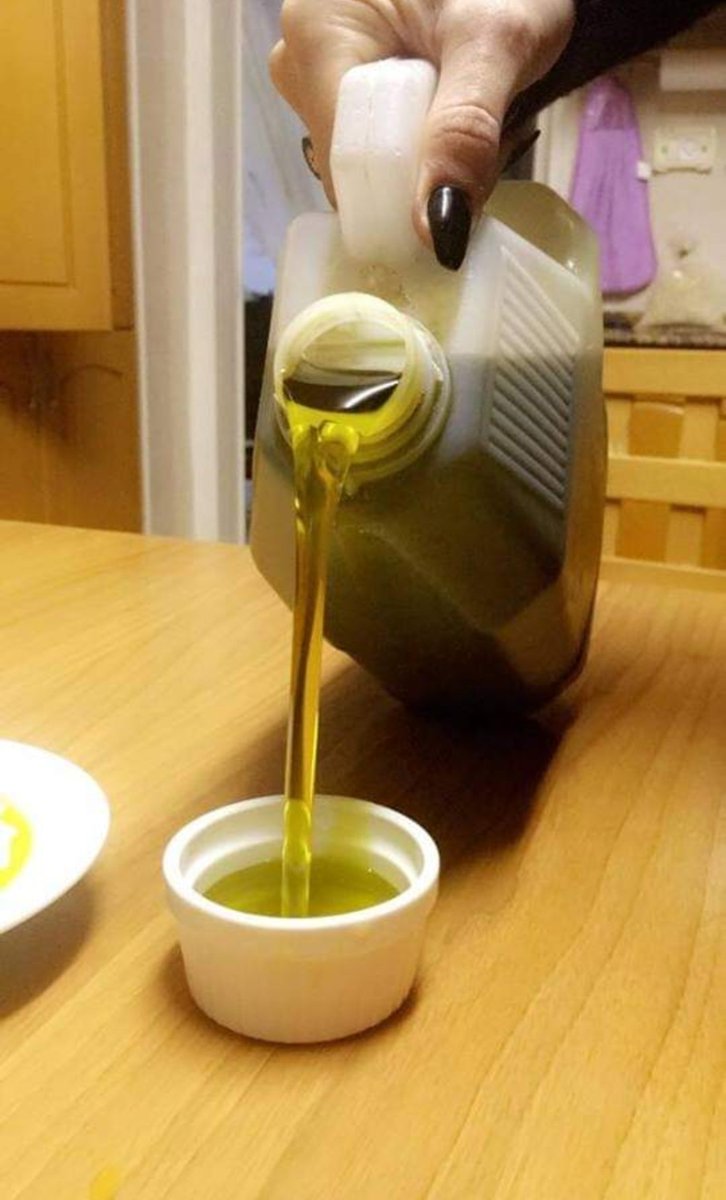
When I was young, I never really understood my parents insistence to only use olive oil imported from Palestine. It took a long time and a great distance in a process that was neither cheap nor convenient. The oil came in old beat-up containers that did not look appealing to me at all. In my head, if they wanted to support distant family back home, they could just send them money and save us and them a big hassle. We could just use the nice looking olive oil containers from the nearby store. Yet, this was never an option in our household. The only olive oil we used at home was from Palestine.
As I grew up and started a student part-time job, I worked with olive oil a little. I knew all about olive oil imported from Spain, Italy, and other countries. I knew which ones were better and more expensive. I also learned to tell, based on the pungent taste, which ones were extra virgin. I was tempted to use my employee discount to bring home one of the fancy bottles and use at our kitchen. I could not get myself to do it, and I did not exactly know why. I felt like it would be disrespectful to my parents even if it didn’t make sense to me. It did not feel right. It was not an option.
After living in Palestine for a year during the olive picking season, something changed. The olive picking season in Palestine is holy.
Palestinians relate to the weather based on how it would benefit or harm the olives. There is well-known unspoken rule about treating olive trees with respect. There is a day off from work just to pick olives. On public transportation, it is not unusual to hear someone on the phone telling their friend to stop by for their share of this year’s olive oil stored in what used to be a Coca-Cola or a liquor bottle. A driver will stop in the middle of the way to give his brother- in- law a jar of olives that are so close to one another that they start to crush showing their insides.
In Nablus, the owner of the Nabulsi soap factory takes pride in how picky he is about getting his olive oil. He insists on filling a cup to let me smell how authentic it is and smirks as he sees my diasporic facial expressions transform in appreciation of its strong smell running through all of my brain cells.
I started noticing how olive oil is an essential part of so many dishes. “Palestinians drink more olive oil than water” I would jokingly say and they would laugh in agreement. Olive oil is truly an everyday ritual.
They fantasize about its color when it’s fresh and remind me that it starts to change as it reacts with oxygen over time. They dip their bread into olive oil, just like that and without any additions, and enjoy it more than the sweetest of all foods. I can guarantee that every lunch invitation (عزومة) I received during the olive-picking season was a chance for my hosts to share their olive oil using Msakhan (a traditional Palestinian dish).
I now have a deeper understanding of the psychology behind the burning of olive trees by Israeli soldiers and why farmers moan at the scene as if they lost a loved one.
Wherever you are, if it’s accessible to you, make sure your olive oil is Palestinian. Your ancestors would want that.
-By Dima Seelawi
BBC doing what they do best: push Israel's narrative. However, @hzomlot did a brilliant job of challenging the hypocrisy of the BBC👍👍. One of the best interviews I’ve seen.
Please watch the video below 👇
Some key points made my Husam.
▪️Do not under-estimate people's will and desire to end occupation
▪️Israel was meant to do one thing: end its occupation settlement expansion
International Governments were meant to provide accountability - they never did
Anchor: do you condemn Hamas?
▪️Don't equate the occupier and the occupied. This is not a war of equals.
From its establishment, Israel has ONE military doctrine: to go and fight civilians
When it fights, it fights civilians.
The real conversation is how do we stop this vicious deadly cycle.
(Anchor again tries to get him to condemn)
▪️You have interviewed hundreds of Israeli officials; how many times have you shown Israel committing war crimes live on your cameras - do you start by asking them to condemn themselves? Have you? ..You don't. I'll answer for you - you DON'T.
▪️I refuse to answer your question because I refuse the premise of it.
At the heart of your question is misrepresentation.
▪️It's always the Palestinians who are expected to condemn themselves.
This is a political conflict and we have been denied our rights for a long time
The right starting point is to focus on the root causes.
▪️You call me here when Israelis are killed - did you call me here when many Palestinians are killed - 200 over the last few months?
▪️Do you invite me when there are provocations from Israelis elsewhere?
2M have been taken hostage by Israel (Gaza)
▪️We need to stop this rhetoric and give the people some ugly truths sometimes.
Anchor: What is the solution?
▪️Equal application if international law and resolutions - like you did with Ukraine.
▪️Full apply the rules of the League of Nations and the UN. Israel has been the exception for the last 75 years.
▪️Israel is an occupying force - it is mean to provide protection for the people under its occupation.
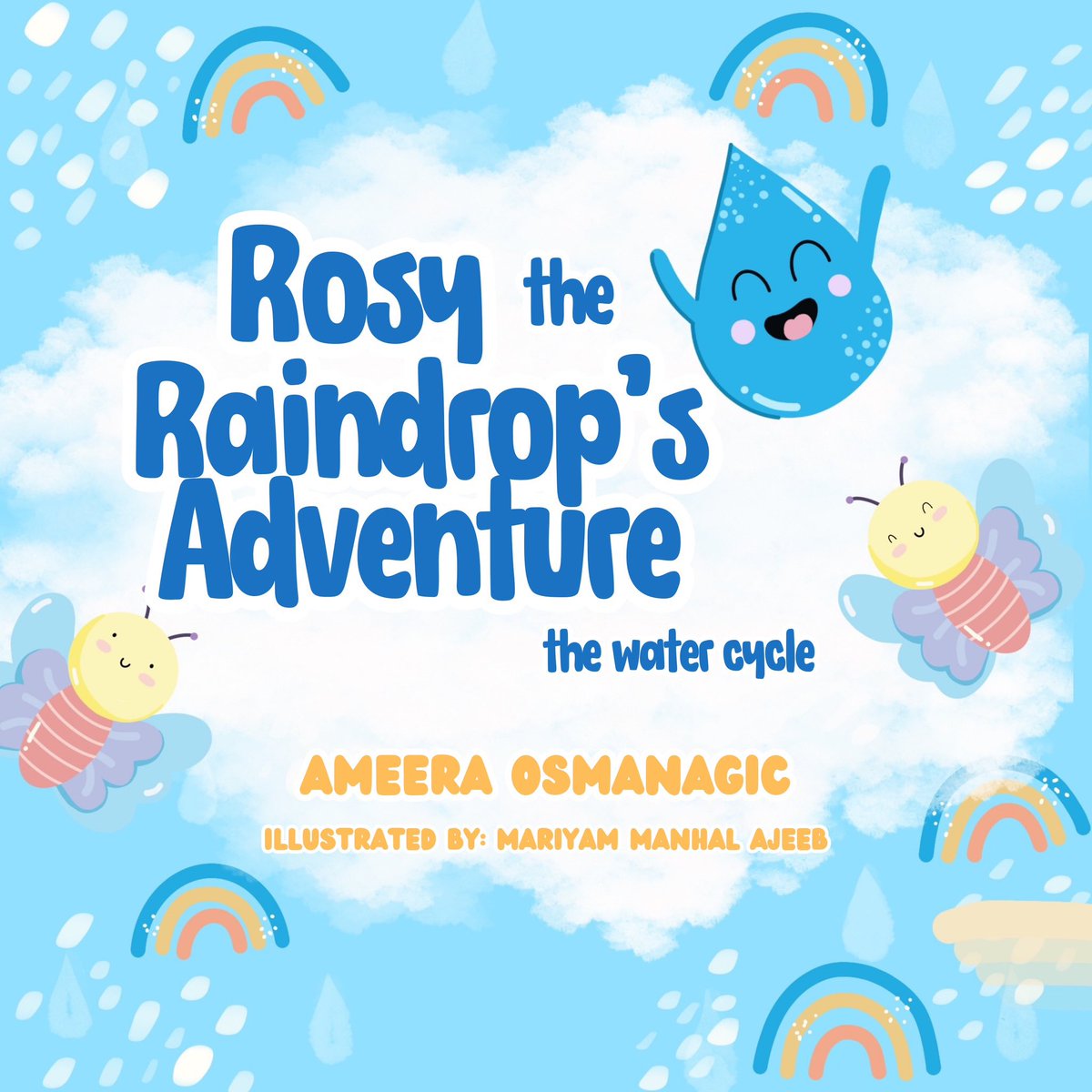
Hi guys! I published this children’s educational story book last month. Would anyone be interested in placing preorders for the book to be delivered to Maldives? Also, if you come across this post, please share so that it reaches a wider audience 🥹🤍
https://t.co/mXIiOh5mER
@FuwadThowfeek What is the criteria to be eligible for the second round of elections? Just curious, and I couldn’t find an answer anywhere. Is it only the two candidates with the highest percentage?
Dredging lagoons and destroying reefs have become normalized by the end of the last terms By the end of this new term, the public has been led to believe that dredging equates to wealth through land ownership, supporting significant government reclamation projects, and promising rewards. Meanwhile, individuals are encouraged to ignore the negative impacts of dredging and reef destruction. Additionally, some foreign NGO coral projects will be introduced to relocate corals, giving the appearance that environmental considerations have been taken into account.I suppose that’s where the word sustainability slides in. Good luck