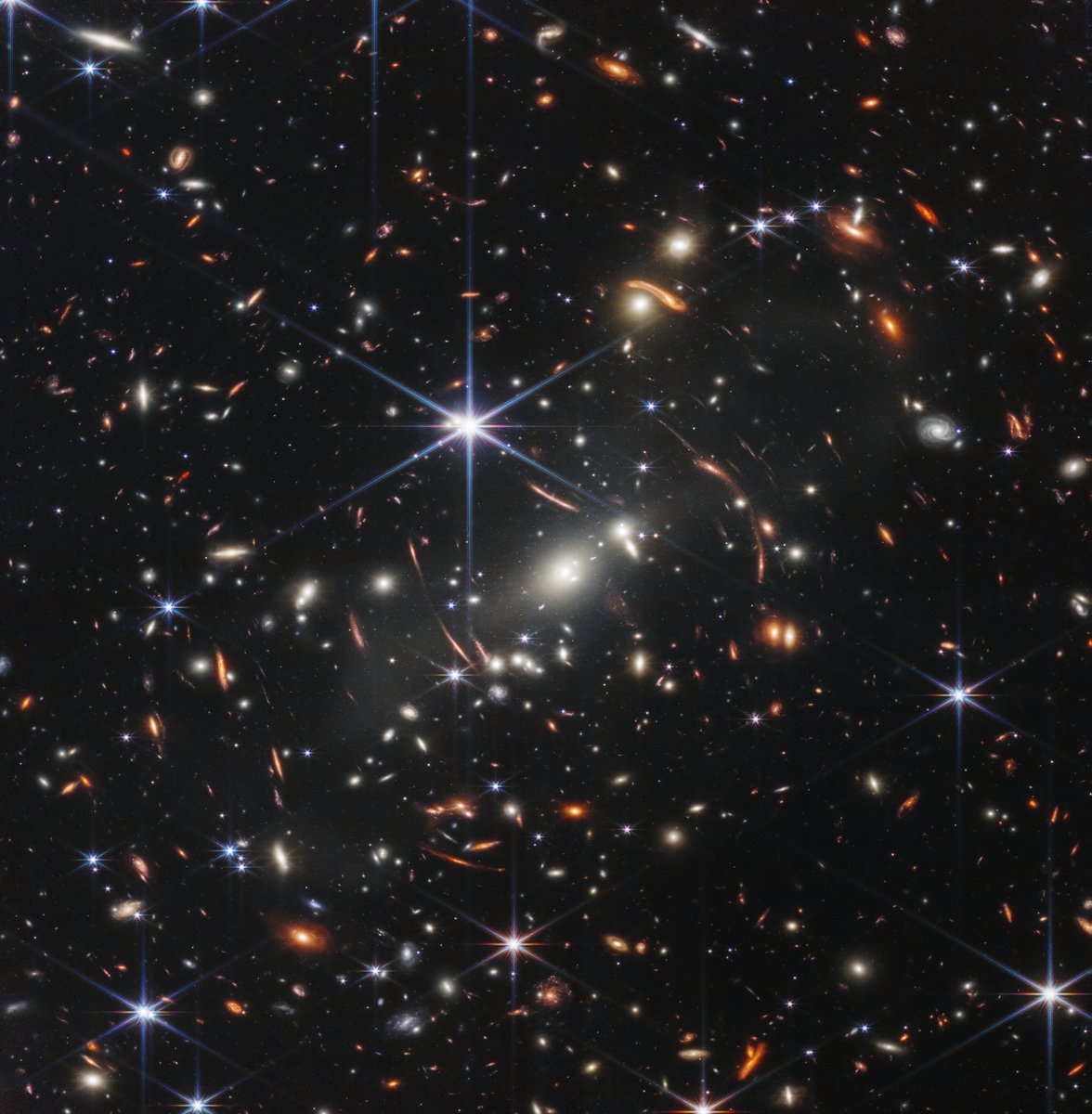
It's here–the deepest, sharpest infrared view of the universe to date: Webb's First Deep Field.
Previewed by @POTUS on July 11, it shows galaxies once invisible to us. The full set of @NASAWebb's first full-color images & data will be revealed July 12: https://t.co/63zxpNDi4I
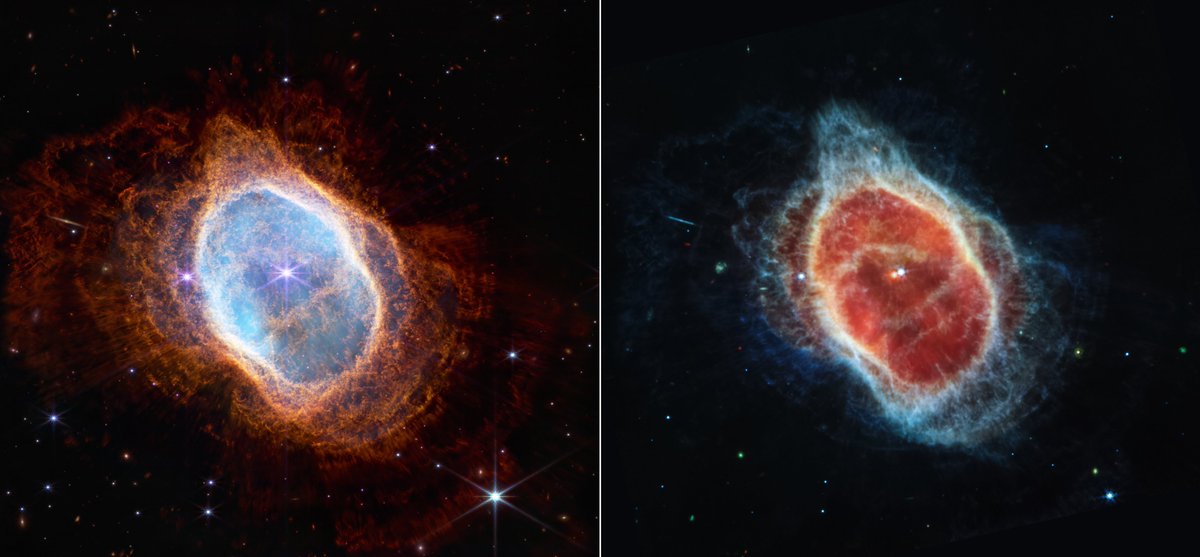
Some stars go out with a bang. In these images of the Southern Ring planetary nebula, @NASAWebb shows a dying star cloaked by dust and layers of light. Explore this star's final performance at https://t.co/63zxpNDi4I #UnfoldTheUniverse.
In the sprawling refugee camp on the Greek island of Samos, Faten from Syria stands at the entryway of her makeshift home—a moment documented in 2020 by #NatGeoExplorer Eefje Ludwig (@eefita) as part of a project to collect stories about migration. Photo: Kitra Cahana/MAPS Images
#αμβλωσεις θα γίνονται πάντα κ παντού. Απλά σε κάποιες τριτοκοσμικων αντιληψεων χώρες, θα αυξηθεί η θνησιμότητα των γυναικών που θα τις κάνουν μόνες τους σε κάποιο υπόγειο με 1 κρεμάστρα ρούχων. Δεν υποστηρίζετε την ζωή ενός αγέννητου παιδιού. Μισείτε την γυναίκα που το κουβαλάει
ANNOUNCING: The 2022 National Geographic Society Award recipients: Rolex National Geographic Explorer of The Year Tara Roberts and The National Geographic/Buffett Award recipients for leadership in Conservation Rachel Ikemeh (Africa) and Giuliana Furci (Latin America).
Check out 'How We Explore', a new podcast with @NGKids launching tomorrow, 6/10! It is co-hosted by #NatGeoExplorers @gabbyrsalazar and Munazza Alam, who will talk with explorers and scientists around the world. Find it wherever you get your podcasts.
Μα κάποια λίγα πίσω απ’ τη ρωγμή του κάλλους
Θα δούνε μέσα τους κι εκεί θα βρουν τους άλλους
Μα κάποια πίσω από το ράγισμα του κάλλους
Θα δουν το τραύμα τους κι εκεί θα βρουν τους άλλους
#anime#δεληβοριας#καποιαπαιδακια
https://t.co/qdLgF6Ta1d
Let's say we traced 10 contacts of a person with covid-19. How do we test their samples, doing less than 10 tests? And how is our task related to the "R number" often being mentioned on TV? In our paper (w/ Abir De, Lars Lorch & @autreche), we propose a pooled testing method. 🧵
🌕 + 🪨 = ?
Apollo astronauts brought back samples from the Moon 50 years ago—some were left untouched for future study. Now, NASA has opened a core sample.
Join us at 3pm ET for #NASAScience Live to see how samples are opened & what we hope to learn.
https://t.co/1hZoHOv7HA