Según vi tiene un poder parecido a GPT 5.6 terra(no mejor). Bastante barato hoy lo estuve usando mucho y estuvo bastante bien se siente infinito.
Nota: tienes que darle permisos explícitamente en la página porque recolecta tus datos para mejorar el modelo. Nada del otro mundo ya nuestros datos están en todos lados tampoco tengo la fórmula de la cangre burguer en mí Linux secundario.
Muse Spark 1.2 Contributor is now available on OpenCode Go
this model will train on your data so it requires explicit opt-in and is restricted in some regions
in exchange you get incredible usage limits
Vercel acaba de abrir fx, un coding-agent harness + CLI escrito en Zig.
Lo interesante no es otro “Claude Code killer”:
• tiny y nativo
• open source
• diseñado para research
• pensado para embeberse en sistemas mayores
• controla el agent loop desde una capa muy pequeña
La comparación con Pi es inevitable: ambos apuestan por un harness minimalista y hackeable.
Pi prioriza extensibilidad desde TypeScript; fx lleva la idea hacia un runtime nativo en Zig y embebible.
La tendencia interesante: el futuro de los coding agents puede estar menos en CLIs gigantes y más en pequeños harnesses que puedas componer.
Introducing fx, a tiny, open, native coding agent from Vercel Labs.
Originally an internal tool, fx is a harness and CLI written in Zig, optimized for research and embedding in larger systems. Today, we're open sourcing it.
fx is built on three principles:
1. Fast. A single native binary, no runtime to install. It cold starts in 10µs and does no unnecessary work or I/O before accepting input. fx is the answer to "how fast can a coding agent be?"
2. Light. The 6.3MiB binary uses single-digit megabytes of memory at baseline, made for instant installation and embedding in resource-constrained environments and agent sandboxes.
3. Open. Apache-2.0, model and provider agnostic, suitable for local and cloud inference. Its small core extends through skills, plugins, and MCP.
Minimalism is an obsession throughout the entire harness: system prompt, tools, features, binary. The goal was to keep context usage and time to first token low, and make fx optimal for model benchmarking, sandboxing, evals, and gyms.
You can use fx directly or embed it as infrastructure. The CLI feels more like a Unix shell than an IDE in the terminal: it preserves scroll history, produces minimal output, and uses complex TUI rendering very, very sparingly. Programmatically, 𝚏𝚡 𝚊𝚜𝚔 --𝚓𝚜𝚘𝚗 gives structured output, 𝚏𝚡 𝚊𝚌𝚙 connects to editors and other clients, and WebAssembly can even run the whole thing inside the browser (see: https://t.co/wf2Trg47sC).
Privacy is a design constraint: no product telemetry, sessions and usage stay local, and no source code or prompts are shared with any endpoint other than inference. With local inference and auto-updates off, fx is fully hermetic.
fx is experimental. Use at your own risk and expect frequent changes. Chat with us on X (https://t.co/A2AB2YythC) or file issues (https://t.co/GEjTHSoa1J).
𝚌𝚞𝚛𝚕 -𝚏𝚜𝚂𝙻 𝚏𝚡.𝚜𝚑/𝚜𝚎𝚝𝚞𝚙.𝚜𝚑 | 𝚋𝚊𝚜𝚑
https://t.co/g2uEuXhGnt
Me doy cuenta que trabajar en @MercadoLibre es vivir en una burbuja acceso a todo lo nuevo que sale en cuanto a productos, modelos pero lo que más me sorprende es la mentalidad que inculcan de siempre estar mejorando, de siempre aprender cosas nuevas, de trabajar en equipo.
No es solo un discurso de populismo. Hay una sinergia que yo que soy tercerizado un x en toda la empresa si le escribo algún director pidiendo un consejo me responden de lo más cordial y se toman el tiempo de responder. Agradecido siempre y esforzándome por ser absorbido y estar directo con ellos!
Que lindo ver como la gente esta con el hype de Omarchy, llevo año y medio usandolo y ya se veia el potencial, pero es que Omarchy Quattro esta a otro level.
Omarchy OS Android
Important note: This is just me using my creativity. It is nothing official or anything that DHH has started working on.
I just feel a burning desire to learn how to build a layer on top of Android and how user interactions would work in such a case. Something clean, elegant, and intuitive to use.
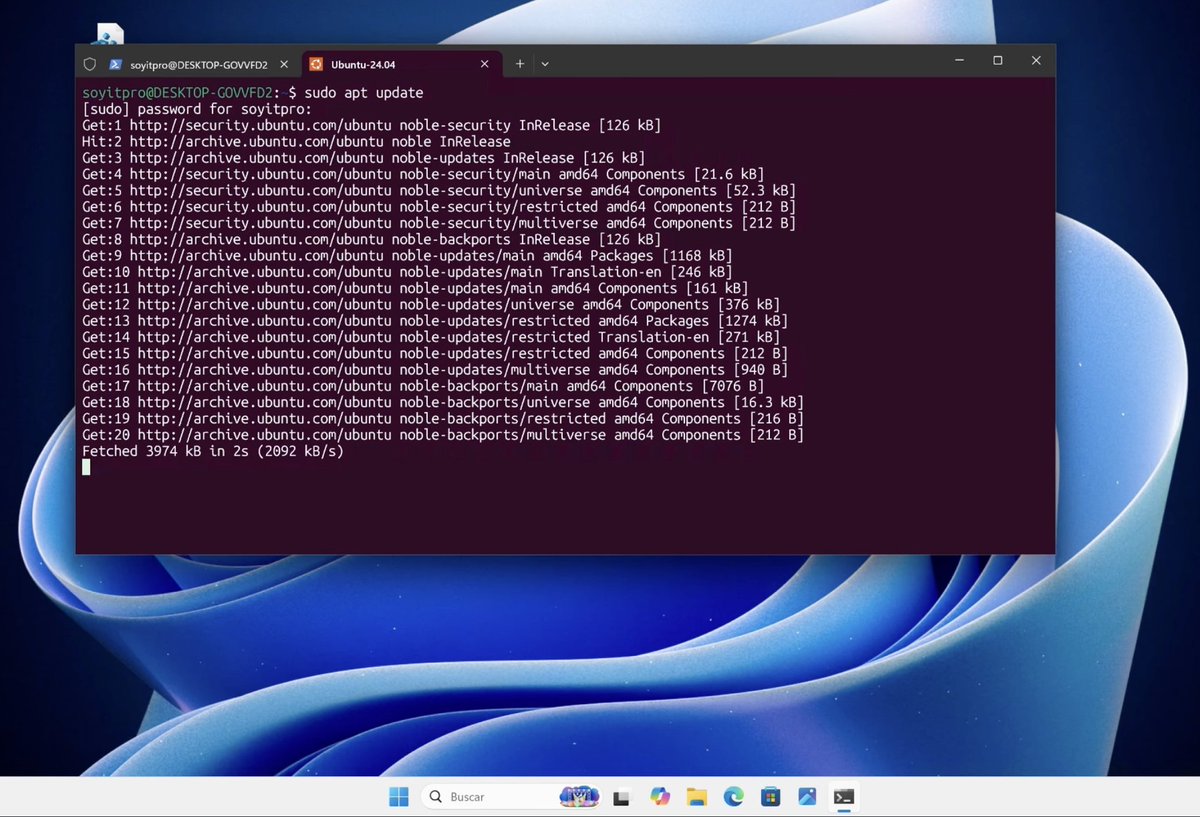
Tiene sentido en entornos corpo. Yo soy tercerizado en MELI y para poder desarrollar tengo Windows con WSL para poder acceder a los entornos de desarrollo por algún motivo con Windows o se rompe todo o no termina de ser compatible
Jon Seager VP de Ingeniería de @Canonical ha dicho que Ubuntu está creciendo significativamente más rápido en WSL de #Windows11 que como escritorio nativo de Linux.
Es de lo mejor, sobre todo para nuevos usuarios. Está nueva release de omarchy me tiene hypeado sin un motivo claro jajajjaja solo quiero usar el sistema y ya
Estoy pensando en pagar Opencode go? Vale la pena? En mí empresa me dan acceso a Claude code y openAi pero quiero empezar un side project y estaba pensando en pagar alguna sub no muy costosa. El stack que voy a estar usando es @herdrdev + @pidotdev + opencode go?
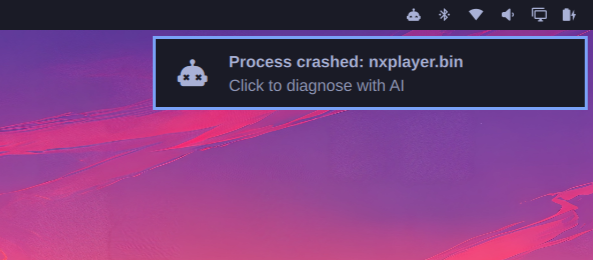
Apenas me puedo sentar a probar a detalle la nueva versión de omarchy Quattro @OmarchyLinux además de ver el video de más de una hora de @dhh. Que distro tan increíble de verdad es un antes y después para Linux desktop. Algo increíble es que tuve un crash(tema de mí computadora no la distri) al reiniciar me saltó la notificación del error y lo envío al agente por default a diagnosticar, el sistema se siente muy fluido y integrado con agentes. Una locura!
Resumen del artículo:
- Claude empieza a incorporar watermark invisible en el texto generado por IA(no en este momento).
- No es visible ni contiene información que identifique al usuario.
- Es una señal estadística en la elección de palabras que permite detectar si Claude probablemente generó el texto.
- Ediciones pequeñas pueden conservar la señal; una reescritura completa puede eliminarla.
- Anthropic planea aplicarlo globalmente, no solo en Europa.
- Próximamente habrá una API para detectar el watermark.
We’ve written an FAQ to answer some of the questions we've received about watermarking.
In summary:
• We’re implementing watermarking to comply with the EU AI Act. Other major model developers have signed the same Code of Practice and will also be implementing watermarking;
• Our watermarking method doesn’t have any practical impact on the quality or content of Claude’s outputs;
• The difference between watermarked and un-watermarked text will not be distinguishable to readers;
• Nothing is added to the text and there are no hidden characters;
• Watermarking doesn’t require extra tokens, and will not be more expensive;
• Watermarks can’t be traced to a specific person, organization, or chat.
Read more: https://t.co/G76iUOJ7Hu
Are you lacking themes for your Omarchy Quattro experience? No worries, I have launched a site with 3088 wallpapers, each with 5 theme variants.
You can apply this through the browser. You can click the edit button to open it in Aether to tweak it.
Give it a go!
Today we're introducing Gemini 3.7 Flash, our most intelligent workhorse model yet for coding and agents.
This model brings substantial gains across software engineering, web development, and complex knowledge work.
Now through the end of the year, Gemini 3.7 Flash is available at an introductory price* of $0.75/1M input and $3.75/1M output tokens — making it easier and more cost-effective for developers and customers to scale production-ready agents.