PhD student @stanford interested in pharmacogenomics, cardio-oncology, single-cell (epi)genomics, iPSC, big data, machine learning. My views are my own.
Excited to share work with co-first author @immoameen. Gene regulation is a delicate balance b/w cis-regulatory sequence & TF conc, but these components are often studied in isolation. Reprogramming is a fantastic system to study their interplay 1/16
https://t.co/eI6EzHNLRT
Check out our latest work led by @suragnair & @immoameen using neural nets to dissect the interplay of TF stoichiometry, motif affinity & syntax in fibroblast reprogramming to iPSCs. Several fascinating insights from the models.
https://t.co/lMAZiRcLCY
Tweetorial coming soon 1/
Happy to share our paper out in @CircAHA, in which we developed a novel and robust protocol to generate cardiac pericytes, the most enigmatic cell type in the heart, from hiPSCs. we hope it will help better understand the role of cardiac pericytes in microvascular dysfunction.
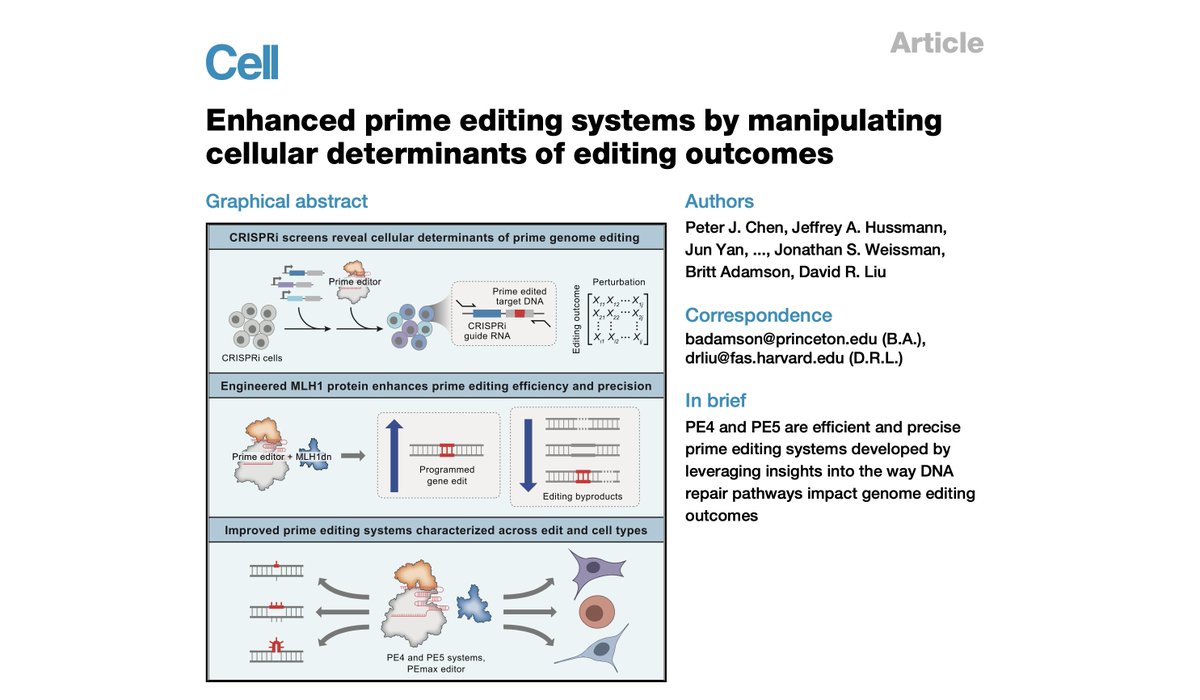
Today we report in @CellCellPress our new PE4max and PE5max prime editing systems that we first presented at @CSHLmeetings in August. 1/12
https://t.co/BnlnqD5hml
Published today in @naturemethods together with colleagues from @calico: Enformer - a transformer model that has led to greatly increased accuracy in predicting gene expression from DNA sequence.
Blog: https://t.co/21zIewaiKR
Paper: https://t.co/Bg1gPp4AWe 1/
Out now! A single-cell atlas of gene expression and chromatin accessibility of the human developing cortex during mid-gestation identifies prioritized mutations for Autism Spectrum Disorder
#neuroscience#developmentalbiology
@PascaStanford @Stanford
https://t.co/12TyeFHTtC
Proud to finally have our paper on RARG agonists to prevent doxorubicin cardiotoxicity published in @CellStemCell. https://t.co/72exLZcyU2. We're hiring postdocs (NIH-funded) if you like to do more of this type of work! https://t.co/rnTQs08ZRv @NUFeinbergMed
https://t.co/9b6dVeWdyt very glad that our review on Cardiac Enhancers is out. The @TheFooLab will be paying close attention to development of enhancer targeted disease therapies. Exciting stuff... @NUSMedicine@CvdNus@astar_gis https://t.co/sdComiXo16
One of my all-time favourites. Stare at the red dot on the woman's nose for 30 seconds, then look at an empty wall while blinking quickly. Promise it's worth it... https://t.co/jsmr9VtTjj
Finally --- the 2nd edition of ISLR is out!!!!🥳🎉🪅🍾
Well, sort of. 🙄It's "published", but due to shortages in the global paper supply, hard copies won't be available for a bit longer 😢😭🤦♀️
You can pre-order a hard copy from Springer/Amazon, & **download the pdf today**! 1/
OK I found my words. I am howling with rage tonight at the rising tide of violence and hate crimes directed towards Asians in America, punctuated by the horrific shootings yesterday in Georgia at 3 Asian-owned business that claimed 8 lives, including those of 6 Asian women.
ArchR is now online at @NatureGenet! A one-stop shop for all of your scATAC-seq data analysis needs. Led by @JeffreyGranja and in collaboration with @HowardYChang and @WJGreenleaf. Analyze >1.2M cells on a laptop!
https://t.co/38D8SHbIER
https://t.co/VT7lj7O9Zo
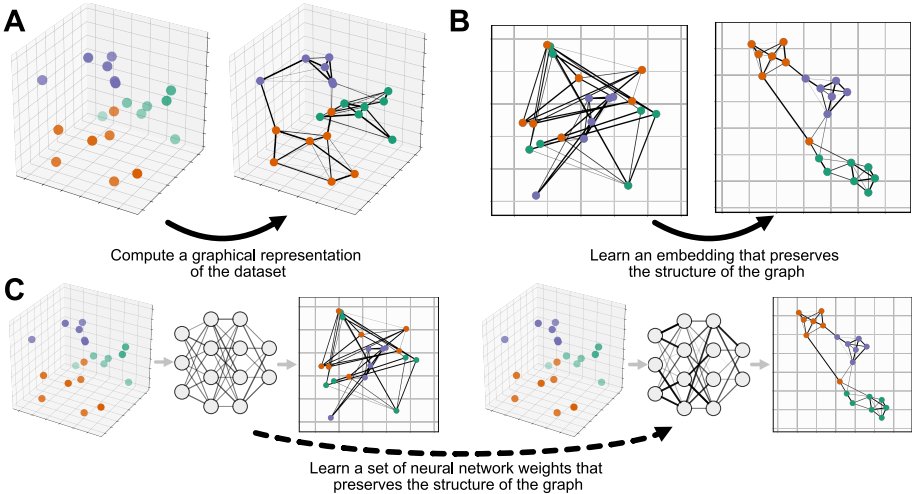
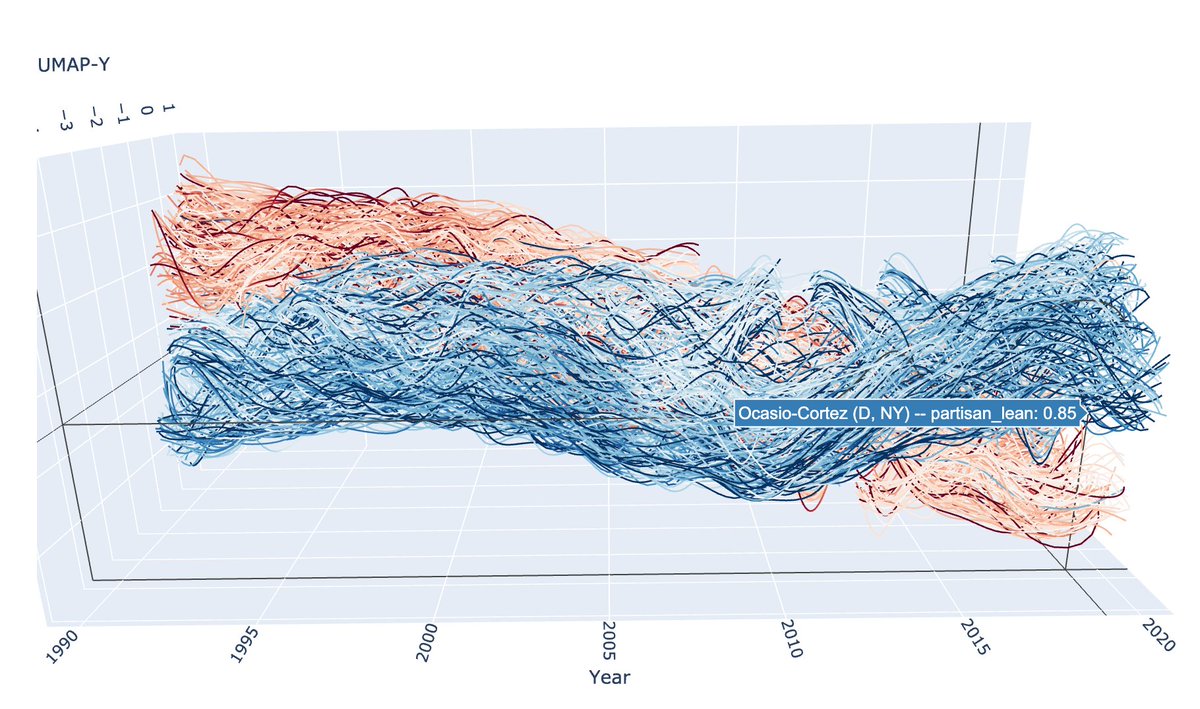
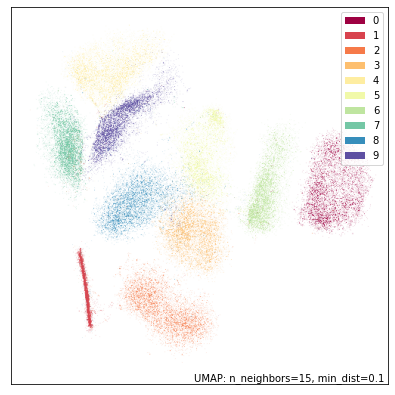
The latest version of umap-learn is now out. Version 0.5 includes some major new features, including ParametricUMAP, DensMAP, AlignedUMAP, model composition, and model updating. Thank you to everyone who contributed! 1/14
We are excited to share our new multi-omic method, Spear-ATAC, which enables simultaneous read-out of CRISPR sgRNA sequences alongside droplet-based single-cell chromatin accessibility profiles! Great collaboration with @JeffreyGranja, @WJGreenleaf, and @10xGenomics!
Now online @NatureGenet! Our efforts to pinpoint functional noncoding SNPs in AD and PD using scATAC-seq, HiChIP, and an integrative machine learning paradigm. Great collaborative work w/ @anshulkundaje @sbmontgom @WJGreenleaf@HowardYChang and Tom Montine https://t.co/FCRKf5uq9U
Is there a bigger scam than the requirement that labs have pay the university "tuition" for graduate students that are working full time in the lab (e.g., year 3 and up)? Why do the NIH and other funding agencies allow this? A pointless drain on research $$$ that makes no sense.