Term premia in rates is starting to turn positive. Significantly positive real term premia means that stocks just look all the more unattractive in this environment.
Like just look at Japanese stocks this year, hedged yen is phenomenal, unhedged, mediocre. A CTA that is overweight in fx exposures would’ve done a great job at dynamically doing the currency hedge for you.
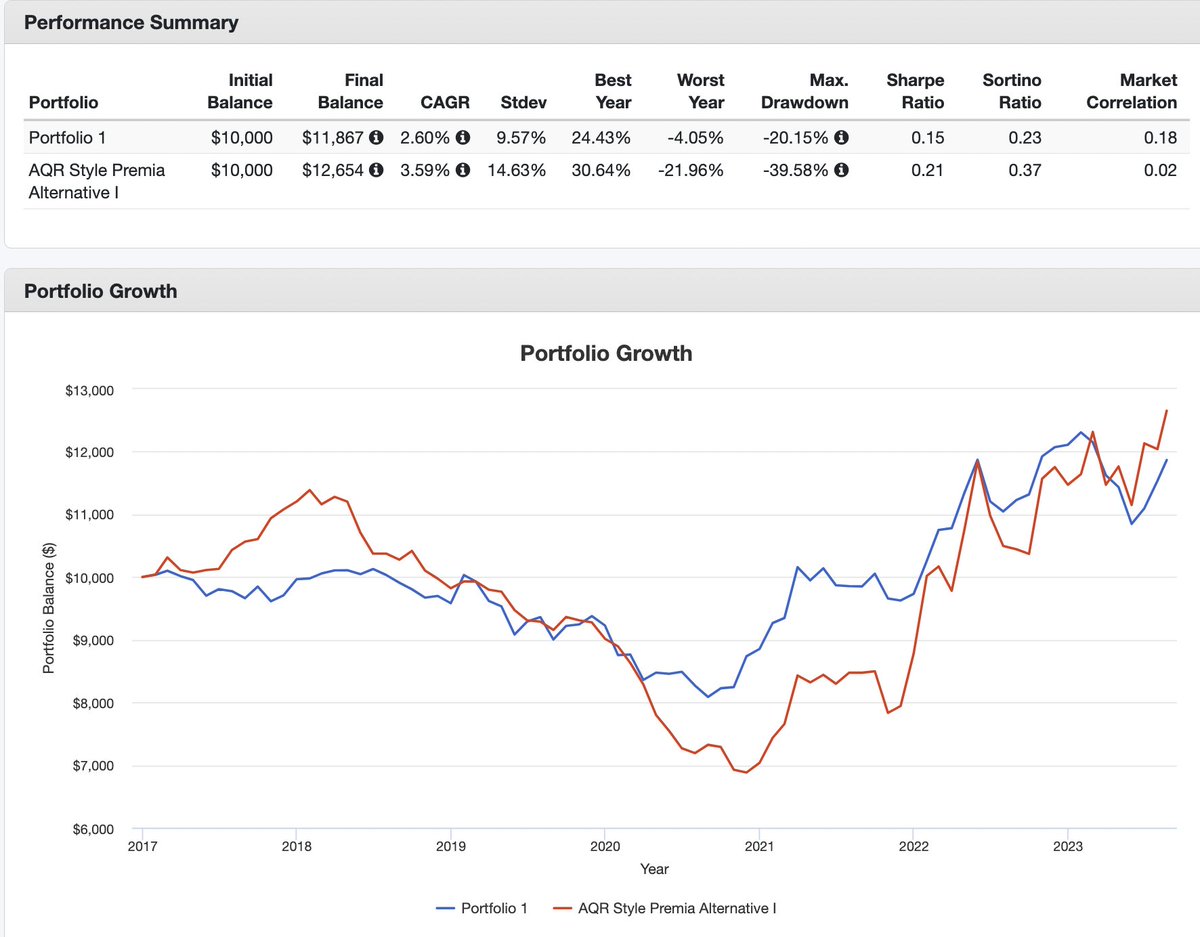
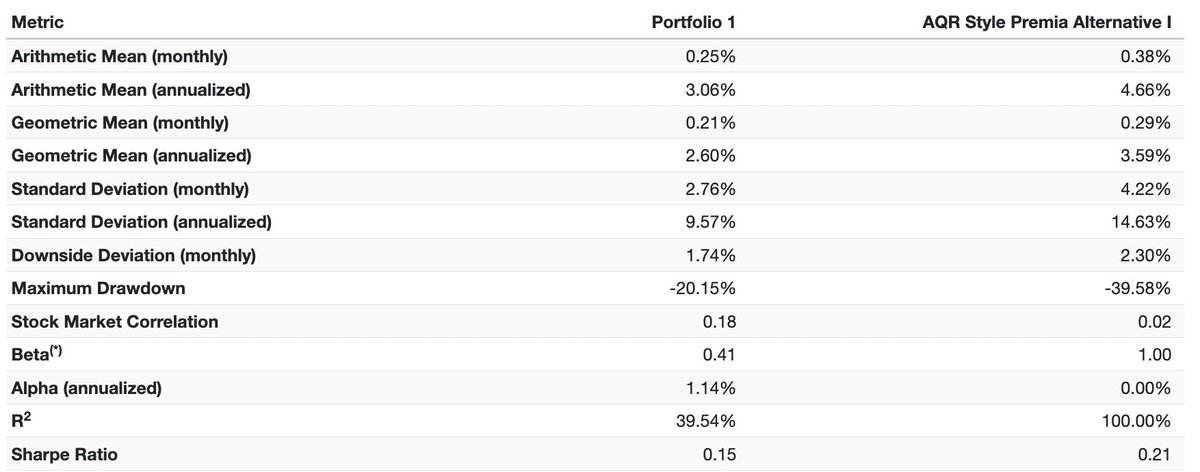
Add in a multitude of other complimentary factors like fundamental macro and expected variance in the underlying, then aggregate them into z-scores. This is a pretty solid cross-asset portfolio. Doesn’t have to be static risk; rather, dynamic where you scale with expected return
integrated cross-asset style premia models like trend, carry, and value act as the numerator for expected returns. Whereas defensive/quality/low risk; acts as the denominator in determining expected risk adjusted returns
Just like how expensive vol might not necessarily be a sale. If the spread is not juicy enough between some forecast of realized. I think a better way of measuring value spreads is that implied-realized valuation thinking.
If you think about price multiples as a sort of growth premia, and measure the expected growth premia vs real growth; then value is not just necessarily low multiples. Rather, some sort of spread between implied growth multiples and some sort of realized.
@HML_Compounder @SpencerMoslow @markcecchini Room for both, private equity and vc is still a growth play, it’s purely a multiples trades, it should go in an equity bucket not an “alts” bucket. Private credit is more interesting because of flexible covenants and little duration exposure.
@darjohn25 Yea this took me a couple years to learn, rich vol is not necessarily a sell, it’s about your vrp signal in proportion to variance of volatility