500 UX Researchers, UI/UX Designer, UX Writers, Design Managers, Design Ops, etc mengisi survey "Kepoin Dunia UX Indonesia 2023" di bulan November tahun lalu. Ada Devena, Via, Puput, Dea, and gua yang ikut menganalisis hasilnya dan jadilah ini 58 slides berikutnya tentang state of UX Indonesia di tahun 2023.
Be careful. Most "products" are, in fact, projects.
9 red flags (and how it should work):
1. Large PRD: You start an initiative by documenting everything.
2. Feature factory: You implement the requirements. "Why" is irrelevant.
3. Waterfall: All the requirements are collected in the "initial phase."
4. Gantt roadmap: A time-based, feature-based roadmap.
5. No discovery: No need to validate ideas before implementing them.
6. No designer: There is no Product Designer on the team.
7. No analytics: You have no idea how people use your product.
8. Customer in charge: Powerful customer(s) make all the decisions.
9. No strategy: You try to maximize sales by satisfying all customers and grasping every opportunity.
-
Here is a better way:
1. Your cross-functional team is empowered to solve the problems.
2. PM, Product Designer, and Lead Engineer perform Product Discovery together. Continuously.
3. You have an outcome-based roadmap. Preferably Now-Next-Later.
4. If you commit to a date, you do it rarely and only after the discovery. Never commit too early.
5. Manage the value, usability, feasibility, and viability risks by experimenting.
6. Test the riskiest assumptions before the implementation.
7. Choosing, instrumenting, and tracking the right metrics is key.
8. Ship incrementally, measure the outcomes, and learn from it.
9. Tradeoffs are essential. What you do, but also what you don't. Respect your market and the unique value proposition.
-
And if your product hasn't been launched yet:
1. Discover the market and define a unique value proposition, business model, initial vision, and strategy.
2. Test your idea with minimal effort. Before the implementation.
3. Define the go-to-market strategy and validate key assumptions.
4. You can't rely on product analytics. Talk to the customers and collect data from experiments.
5. The Product Trio performs the Initial Product Discovery, just like in Continuous Product Discovery. You need a Product Designer and Lead Engineer.
6. Once you ship, leverage product analytics and apply Continuous Product Discovery.
-
Hope that helps.
What are your thoughts?
-----
P.S. If you liked this, subscribe to my newsletter to get 1 actionable tip for PMs every Saturday. The link is under my profile: @PawelHuryn
🧵 Fish supply has dropped by 50% in 50 years...
That's why we built ShipSense! 🛳️
We coded a GIS portal to monitor overfishing hotspots 🔥 and built an AI vision model to detect ships from space 🌌
We also found a MASSIVE use case for #StableDiffusion 👀
👇
#treehacks#ai
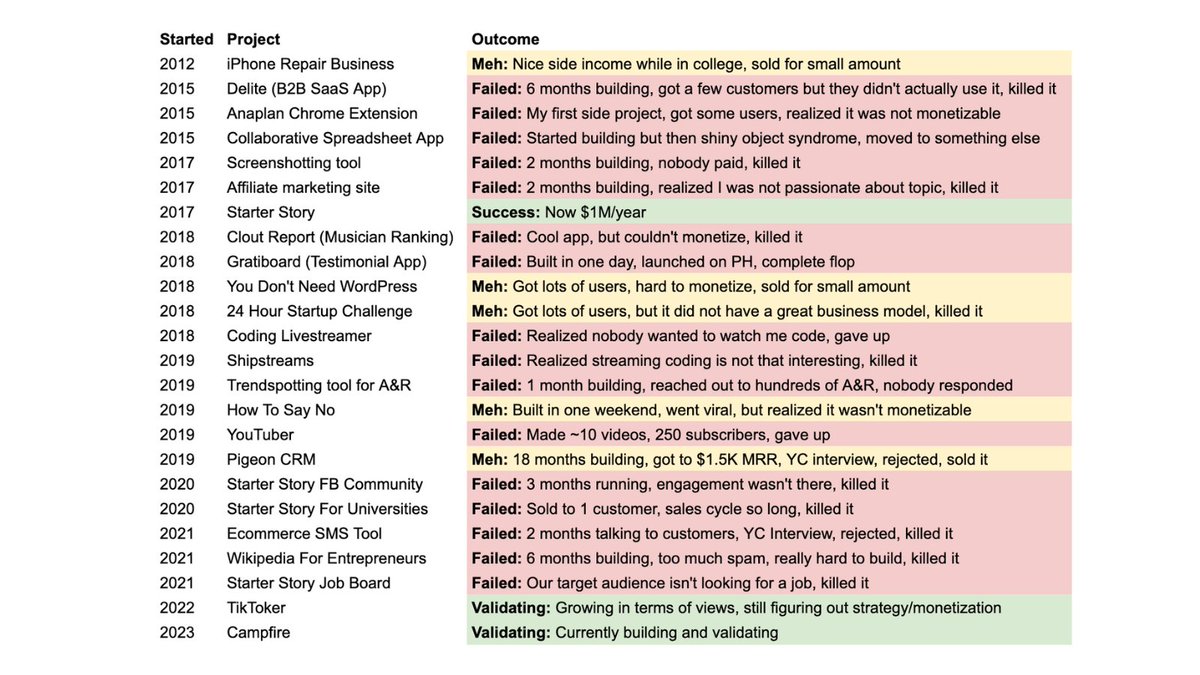
Thank you for sharing, in some cases we have forgotten about the progress that was made. When list down our progress like this, it will increase our confidence to do a side hustle!
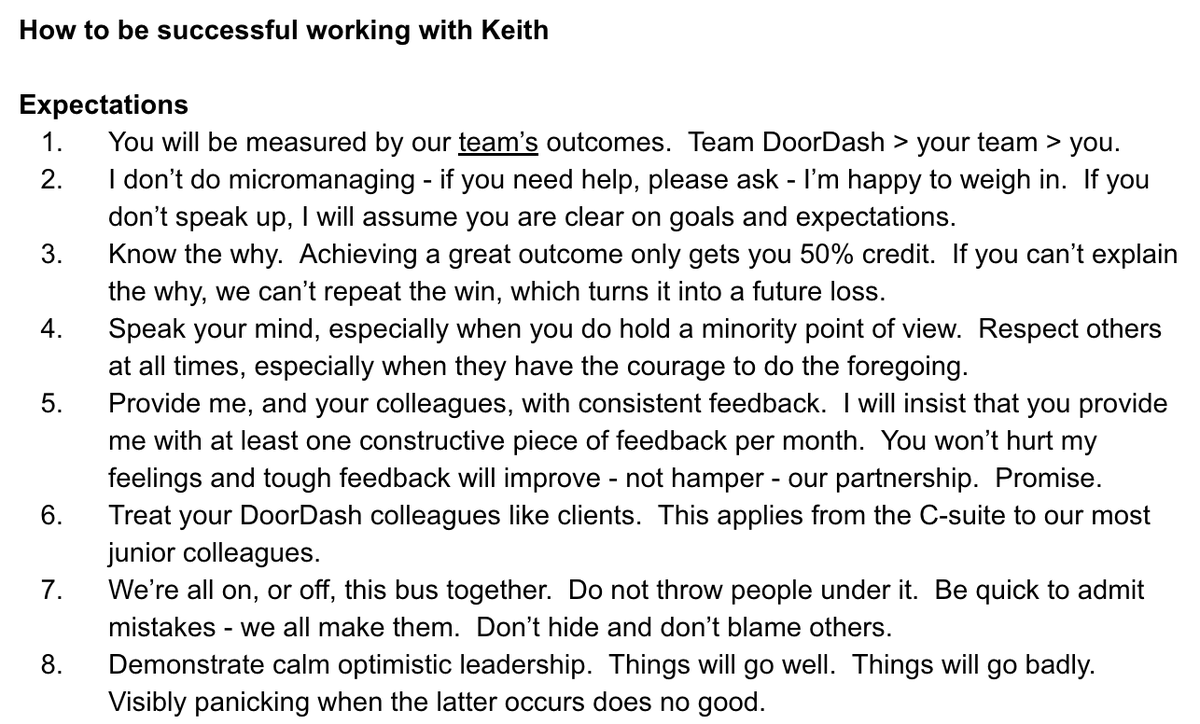
I don't say this often, but today's podcast episode with Keith Yandell is a must listen. Seriously, go listen to it.
Of the many lessons on leadership Keith shares from this time at @DoorDash and @Uber, one of my favorites is the power a simple doc like this can have on your org
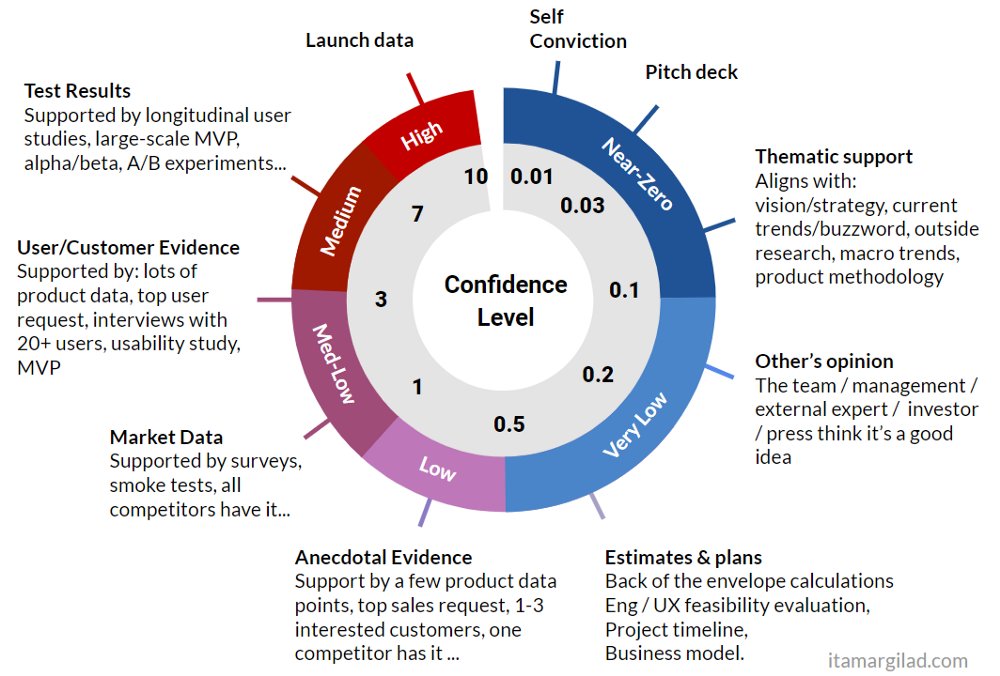
4/ ICE with the Confidence Wheel
Use when you need quick decisions.
Works best when decisions have to be made quickly and, most importantly, when "good enough" accuracy is good enough. This usually happens in environments with fast-paced development and high growth.
Trending repository of the month 🏆
nanoGPT by @karpathy
The simplest, fastest repository for training/finetuning medium-sized GPTs.
Main language: Jupyter Notebook
Last month: 9875 ⭐
Total: 10560 ⭐️
https://t.co/y04Eddclo9
1. How to define your product strategy. When I start a new job, I define a SWAG (Stupid Wild-Ass Guess) product strategy within my first two weeks. Here's my approach...
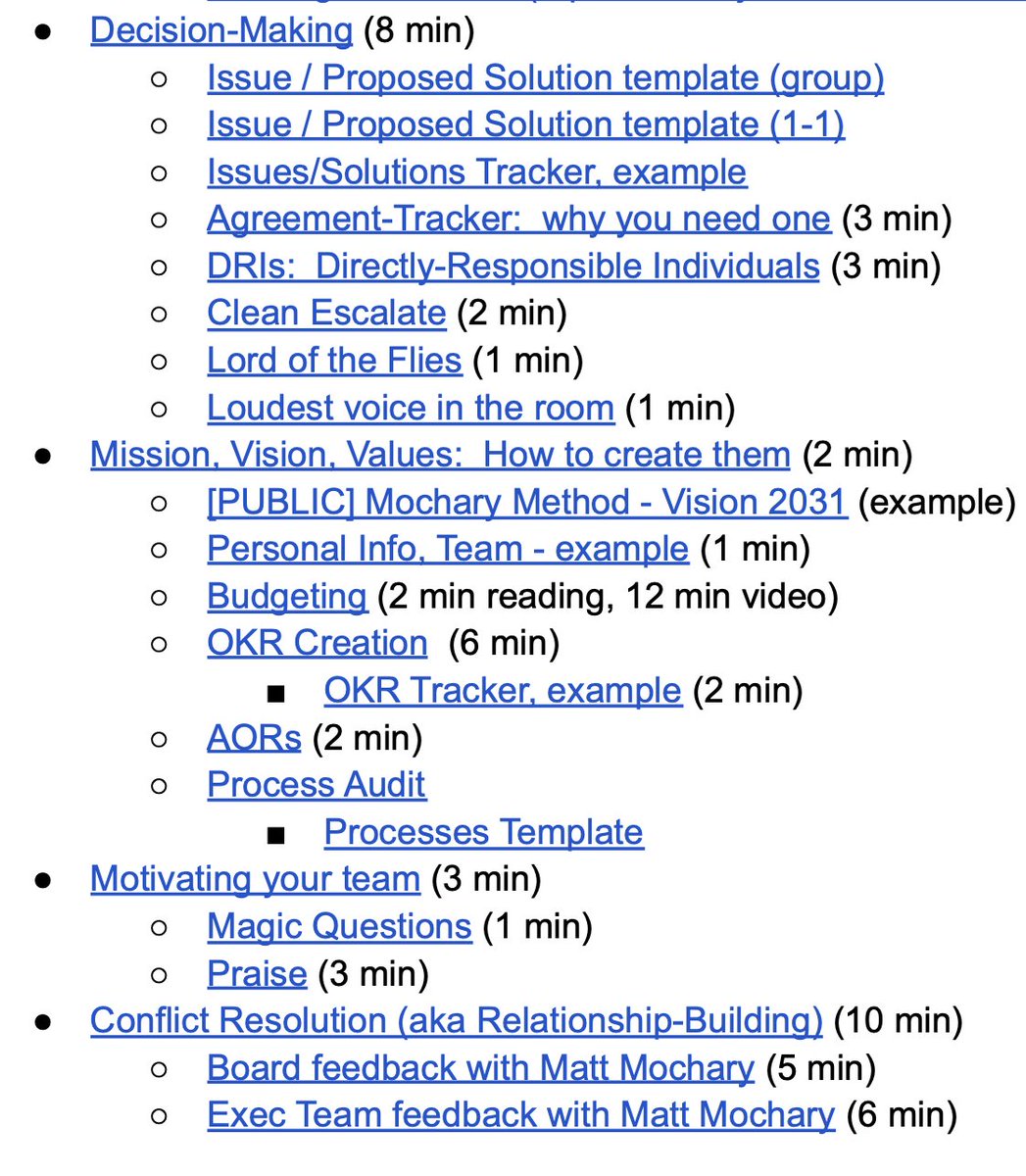
Matt Mochary has been CEO coach to @naval, the founders of OpenAI, Notion, Rippling, Robinhood, Coinbase, Reddit, Plaid, Flexport, Opendoor, partners at Sequoia, YC, Benchmark, and many others.
He also open-sourced his entire curriculum, templates and all. Here's a link 👇
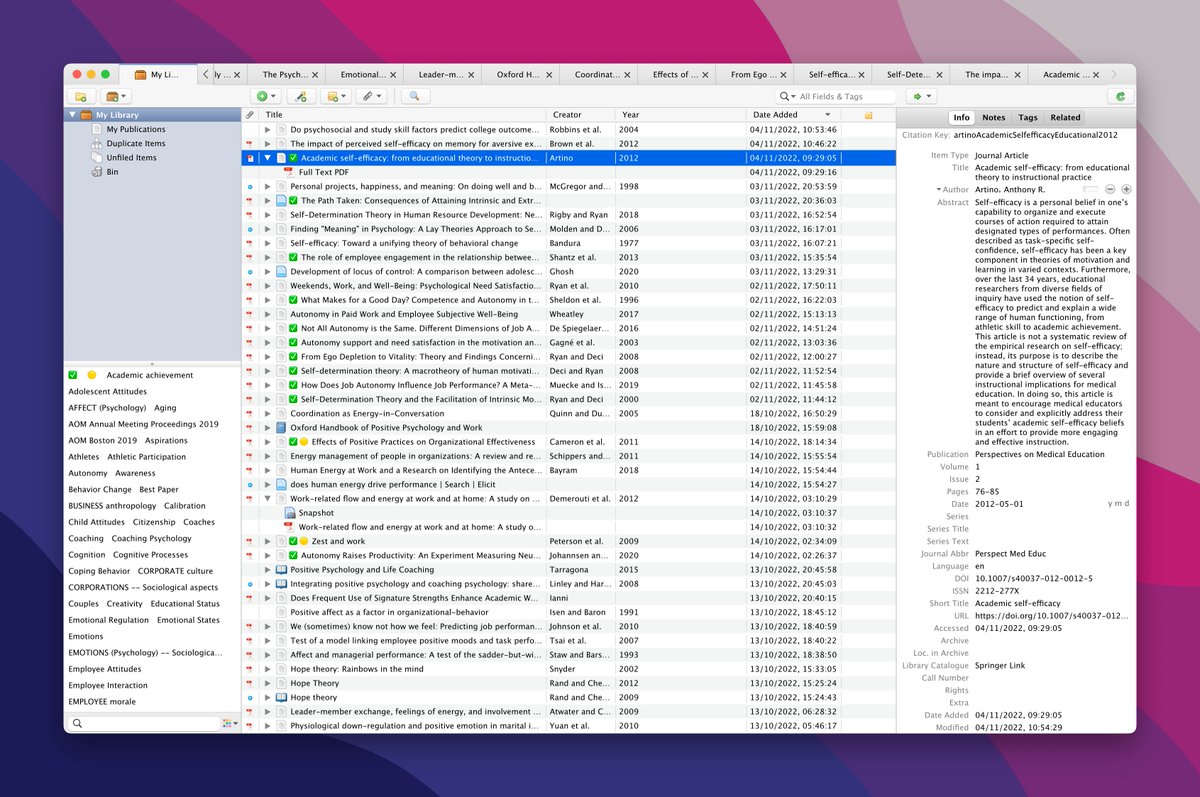
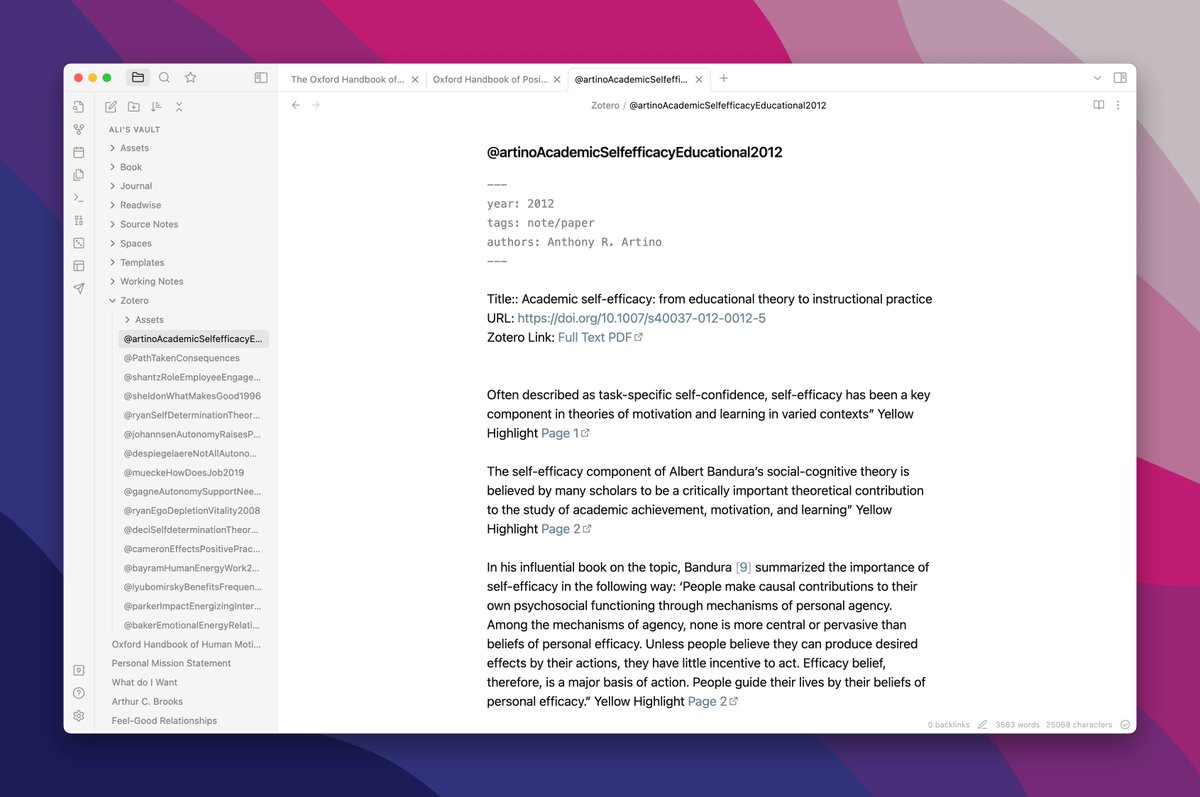
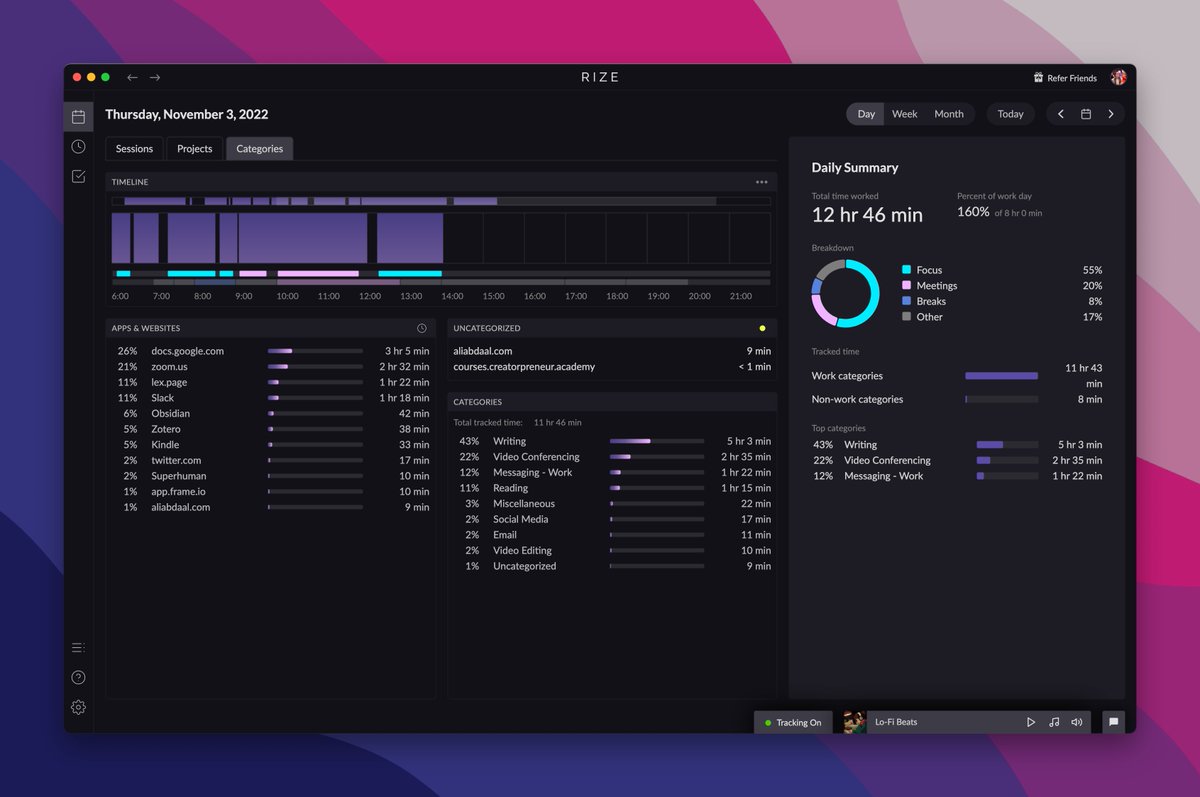
The past 3 days have been the most productive of my life. I’ve been in Bali for the past few days, on a writing retreat to bang out 2nd drafts for my book.
These are the 5 new(ish) apps I’ve been using extensively that have genuinely made me more productive in book-mode 🧵
5 must-ask questions for evaluating new product opportunities:
1. Who is the customer? (Segment)
2. How do we know their problems? (Discovery)
3. How do we reach out to them? (Go To Market)
4. How do we iterate/ scale? (Roadmap)
5. How do we know we are succeeding? (Metrics)
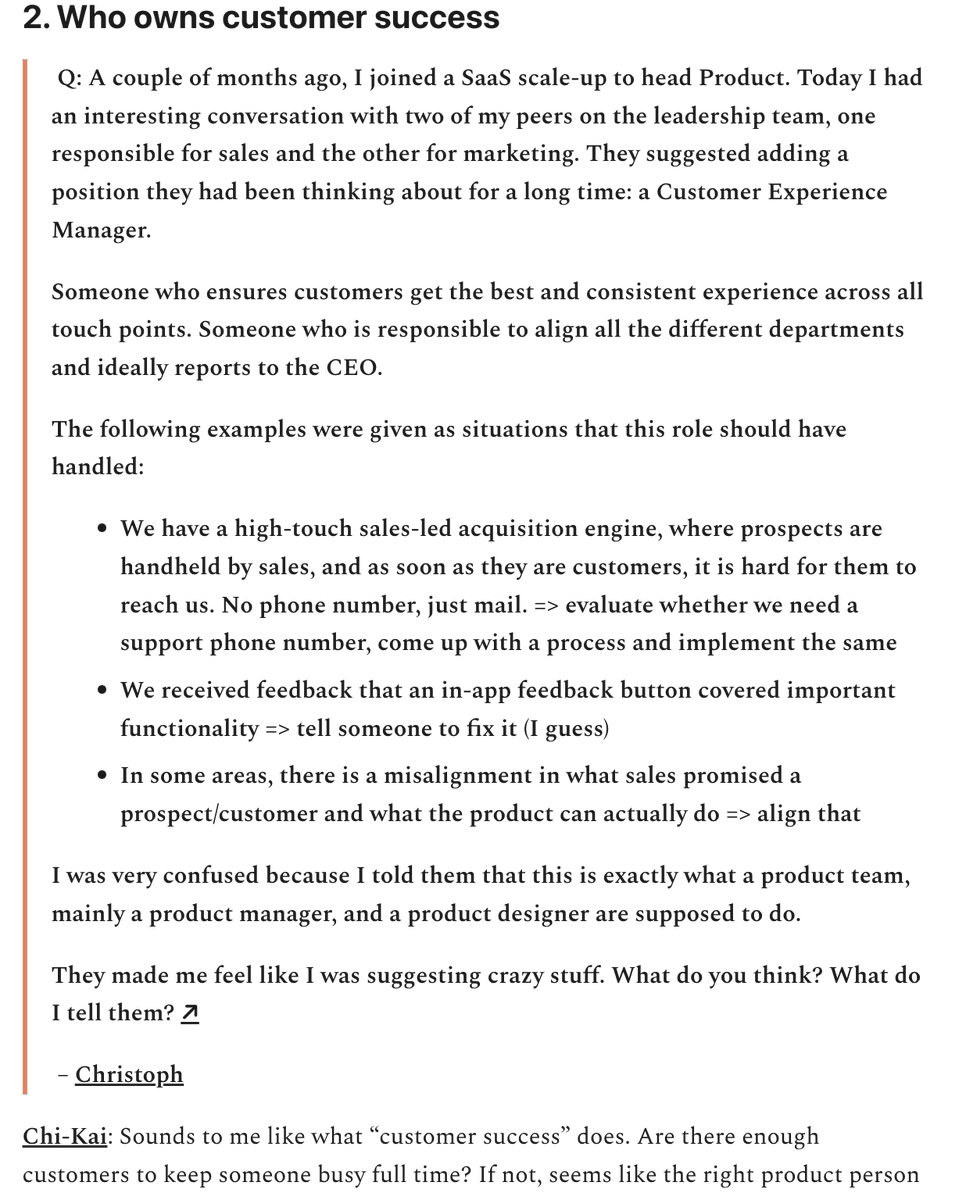
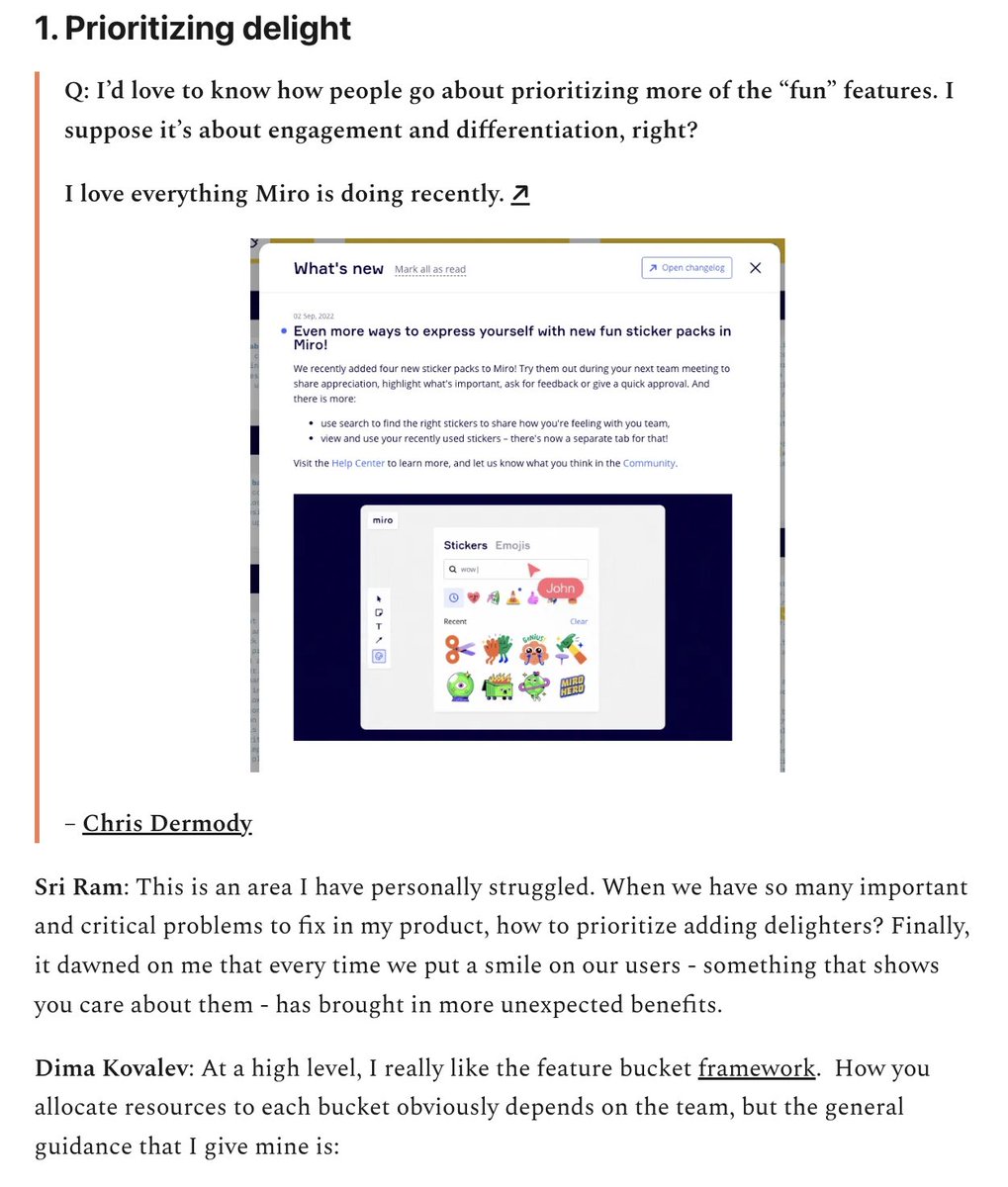
Killer community wisdom issue this week:
▫️ How to prioritize delight
▫️ Improving your business writing skill
▫️ How to know when it's time to leave a job
▫️ Incentivizing coming back into the office
▫️ Who owns customer success
My conversation with the wonderous @joulee is now on YouTube ✨
This was the very first episode of my podcast, and still one of my favorite. We cover impostor syndrome, writing, product sense, using intuition vs. data, hiring designers, and much more.
https://t.co/FFT5XElO3P