InfantSEE is designed to ensure that eye and vision care becomes an essential part of infant wellness care to improve a child's quality of life. Participating doctors of optometry provide a comprehensive infant eye assessment between 6 and 12 months of age free of charge!
#School this year may mean more time on digital devices, presenting new eye concerns for your child. With a comprehensive eye exam, an AOA doctor of #optometry can help advise on eye health issues like these and more: https://t.co/iJvepiIFZ6
Happy 15th Birthday to InfantSEE from the Archives & Museum of Optometry! On June 8, 2005, the American Optometric Association invited members to the "birth" of the InfantSEE® program. The AMO still holds the original invitation-an infant blanket and diaper-pin. #tbt#InfantSEE
Babies learn to see over a period of time. The ability to focus their eyes, move them accurately, and use them together as a team must be learned. They also need to learn how to use the visual information the eyes send to their brain in order to understand the world around them.
The average child takes in approximately 3 times the annual UV exposure of the average adult and up to 80 percent of their lifetime exposure occurs before age 20. The American Optometric Association recommends wearing lenses that block 99 to 100 percent of UV-A and UV-B rays.
At birth, vision is abuzz with visual stimulation. Baby has not yet developed the ability to easily tell the difference between two targets or move their eyes between the two images. Their primary focus is on objects 8"-10" from their face or the distance to parent's face.
Based on the latest COVID-19 updates, the CDC recommends doctors of optometry postpone routine eyecare visits while prioritizing urgent and emergency visits and procedures to ensure staff and patient safety. For details, visit the CDC's resource page: https://t.co/TaZN5j9iWo
Children can be unaware that their sight is compromised because that's the way they've always seen the world.
Does your child have the visual abilities they need to grow and learn? Ask your doctor of optometry. #2020EyeExam
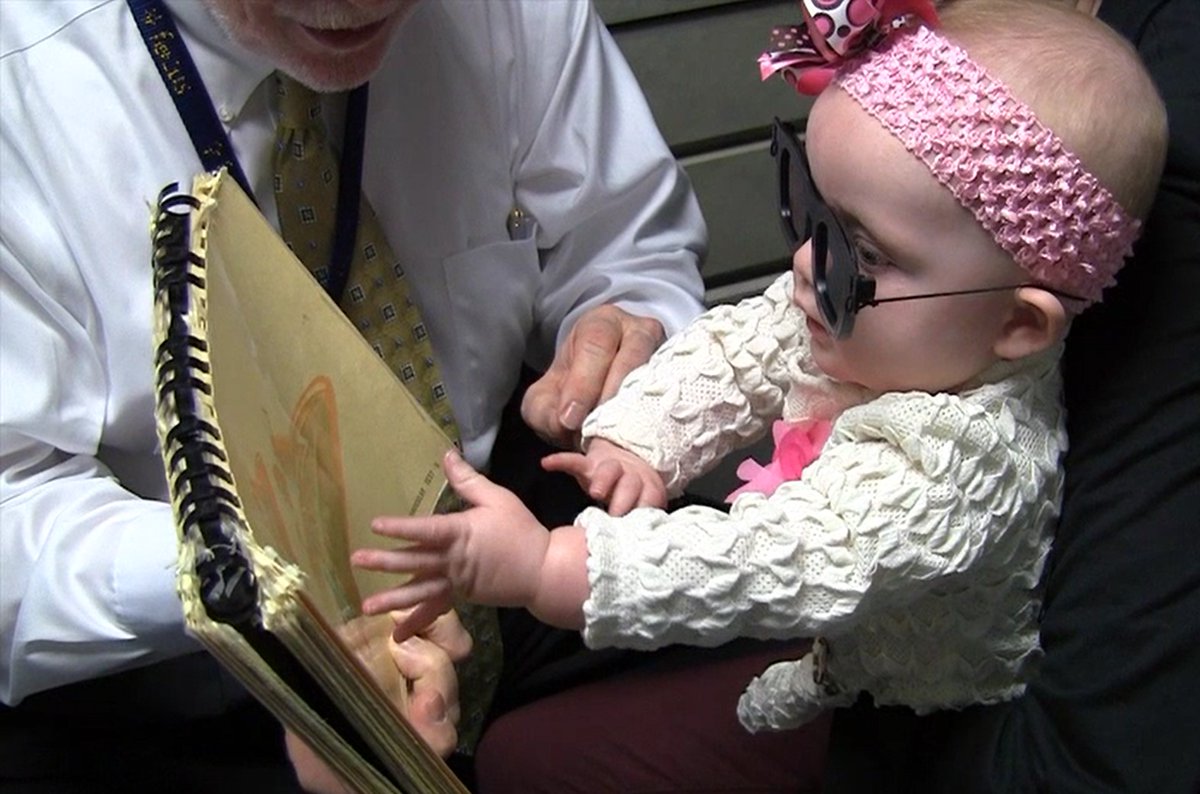
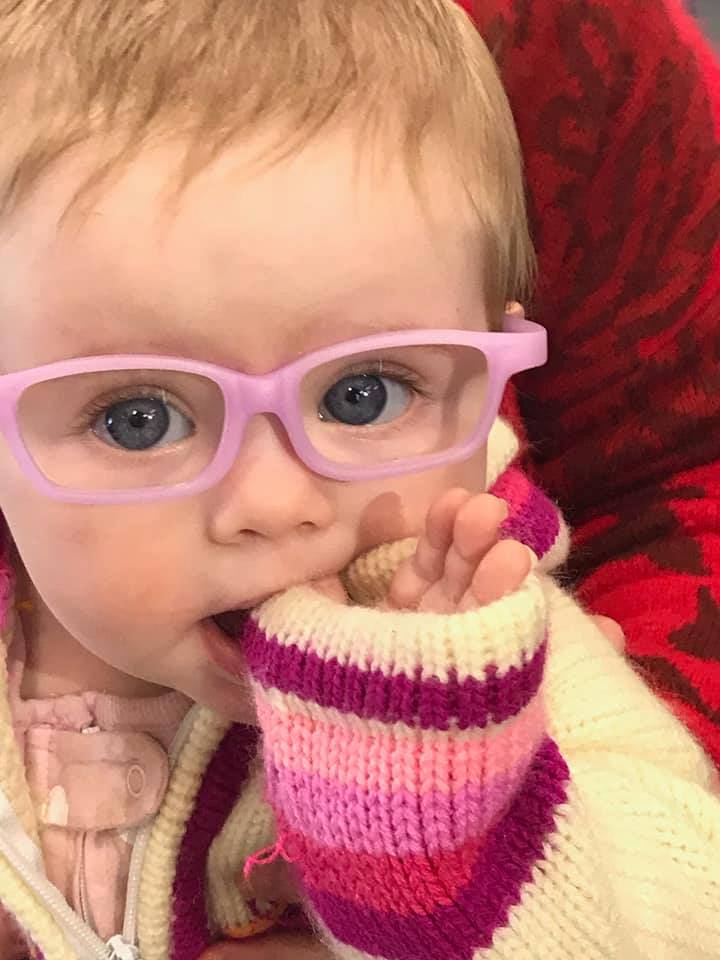
Ever wonder how babies keep their glasses on? This cutie can see so well, she doesn't want to take them off! 🤓❤️
InfantSEE provides no-cost eye assessments to any baby between 6-12 months old. https://t.co/Y0IznFQaZh
#2020EyeExam
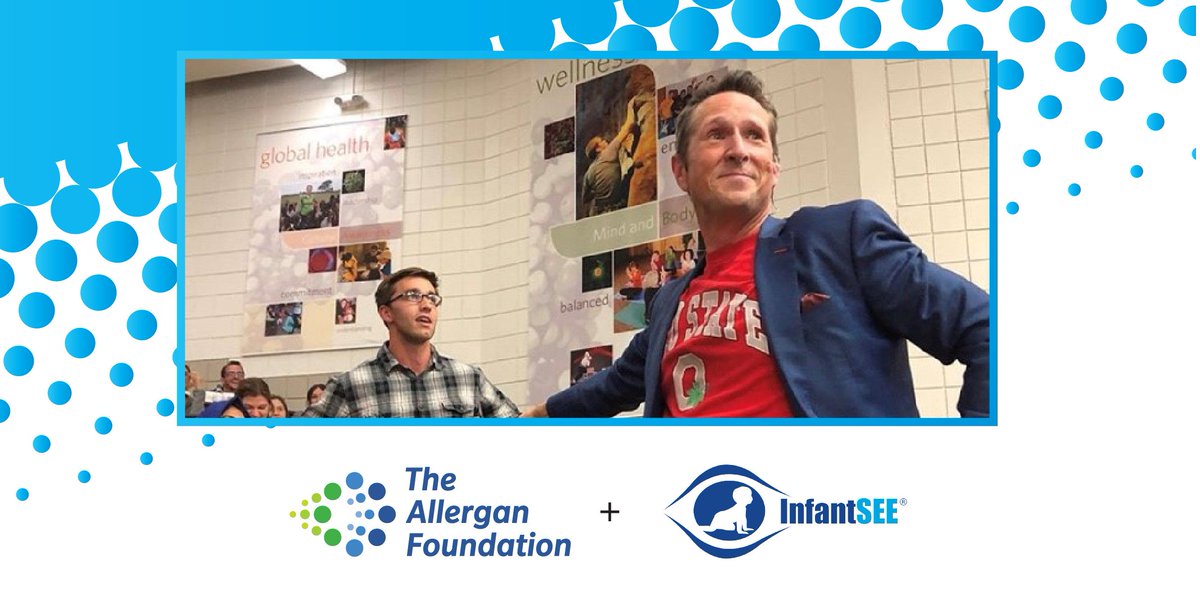
The @InfantSEE® Student Program visited five schools of optometry during 2019 and educated over 1,100 students to raise awareness around infant eye care and vision health👀 We're passionate about eye health are are so grateful for our partner's efforts!
The American Optometric Association recommends eye exams at 6-12 months, at age 3 and before starting first grade, then every year following. https://t.co/Y0IznFQaZh
Babies can't communicate if something is not right with their eye health or vision. Fortunately, your doctor of optometry can! Schedule baby's no-cost eye assessment today - https://t.co/Y0IznFQaZh
Dr. W. David Sullins, Jr., InfantSEE Award nominations open through March 1st, 2020.
Award presented during Optometry’s Meeting®, June 24-28, in National Harbor, Maryland | Washington, D.C. Recipient is awarded a gold medallion and a $1,000 travel grant.
https://t.co/1HUFtcZei9
Glen Steele, O.D., InfantSEE & Children's Vision Committee member, rocked the house on Tuesday night with his InfantSEE presentation to the COVD Club at Southern College of Optometry. We appreciate all of the student leaders in attendance!