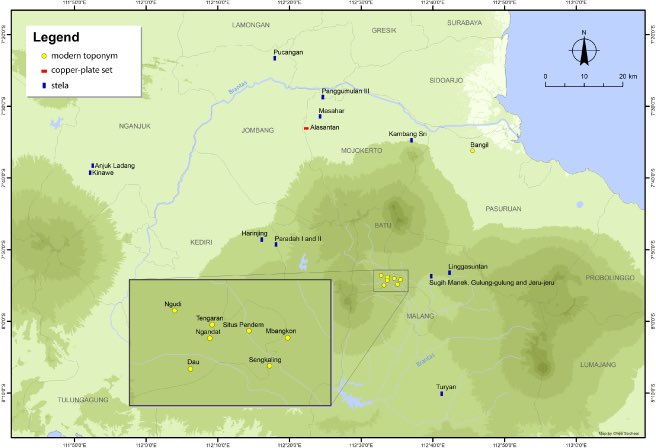
It can be very hard to get access to key scholarly works on early Indonesian history. I've uploaded PDFs of some of the main publications of Indonesian inscriptions here: https://t.co/PJQ4ZvHYdF. Feel free to make use of them and let me know what else you'd like to see!
@kallinikos1980 Good question! I think “empire” speaks to national pride (for better or worse) and a desire for a term that has global relevance. Mandala has many strengths, but some limitations too, e.g. its raja-centrism can tell us little about economic systems and non-elite communities
Was Majapahit really an empire? This question can stir up a lot of emotion! Here I discuss the historical evidence - have a read and make up your own mind: https://t.co/1zls2RjZVa
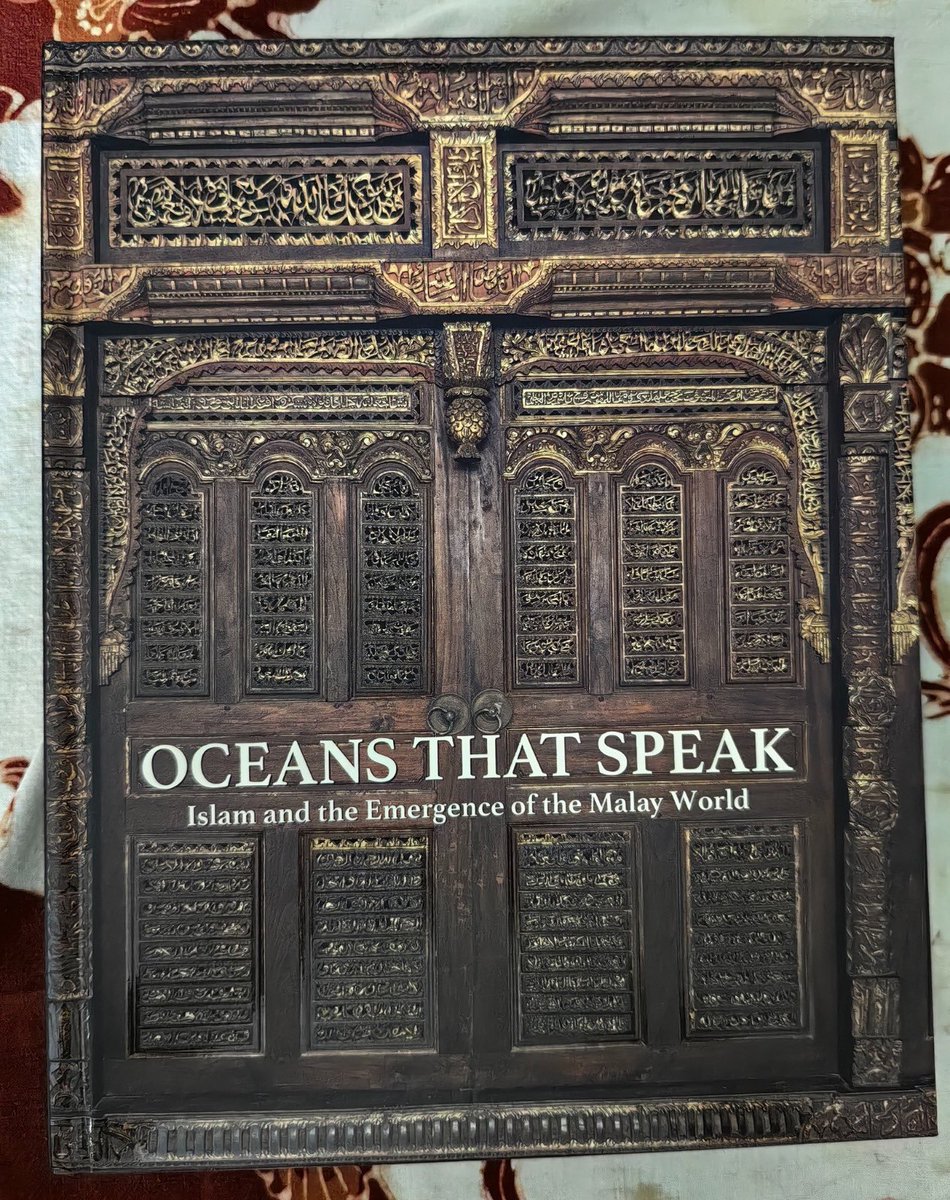
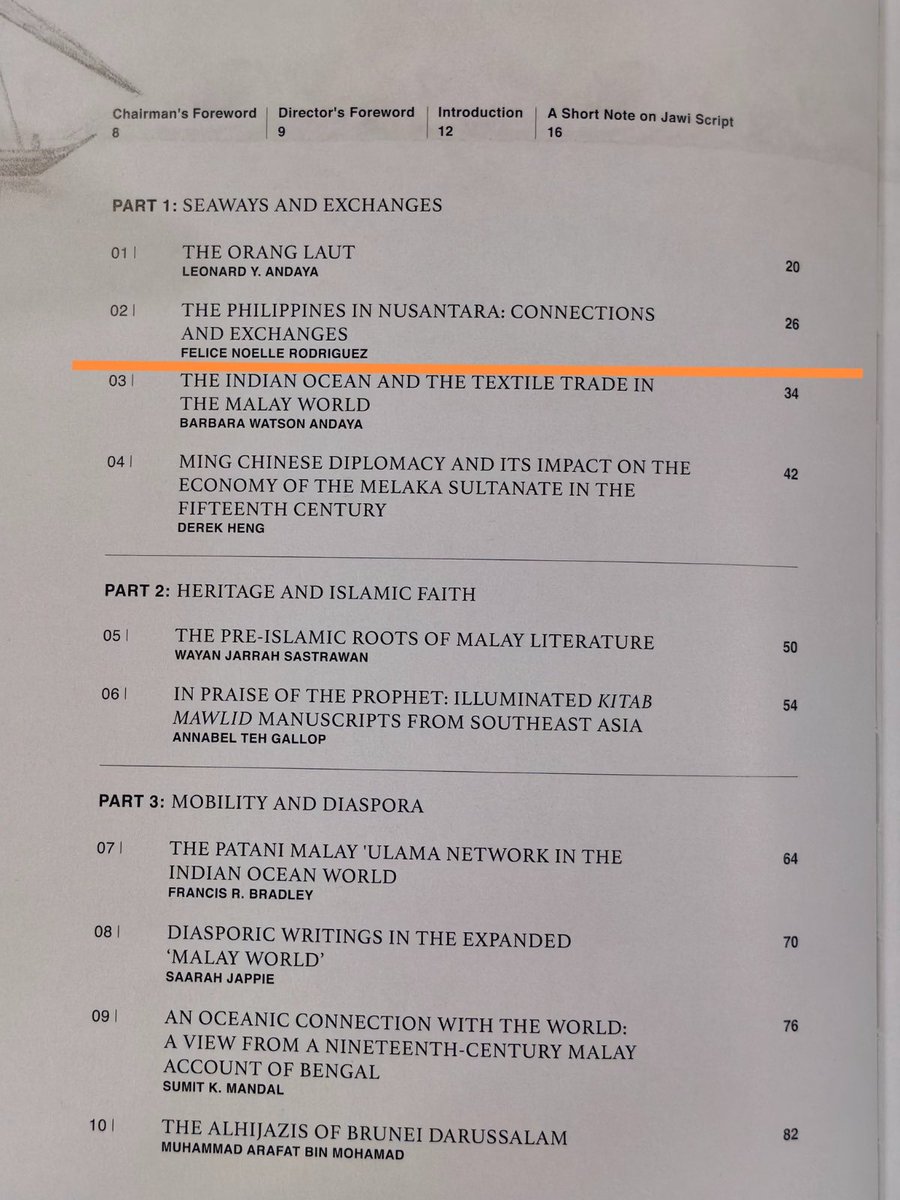
My essay on the pre-Islamic roots of Malay literature has just been published for a new exhibition at the Islamic Arts Museum Malaysia! Honoured to be in the company of some amazing historians like @BLMalay and @mandalsumitk
@tunnov I don’t think so. Tengger Hinduism is very different to what was practiced in Majapahit, and there has been a lot of cultural change since 1500. It’s important not to assume that Tengger, Bali and Banyuwangi are conservative “Majapahit-museums” just because they are Hindu.
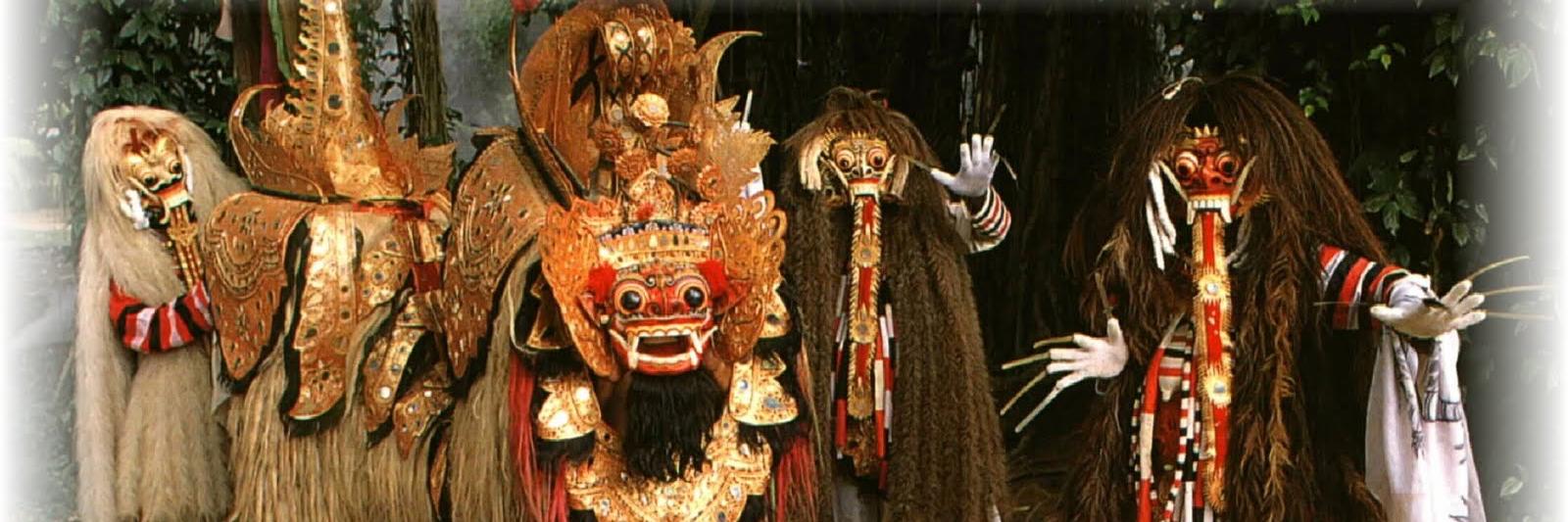
“When Majapahit fell, its people fled to Bali”. This is a myth: a basic story that simplifies a much more complex reality. We cannot accept it as fact, but the myth can help us to ask a better question: how exactly are the Balinese heirs to Majapahit civilisation?
@soedagoeng The Dayak term is very likely derived from from Javanese. I suspect the base word is “tanggung” (carry, bear) with active infix -um-, so it would mean “the one who carries”, a suitable title for a leader
We think of “patih” as a term for “vizier/chief minister”, but in early Java, a patih was a village leader. The vizier was “rakryan mapatih”, a very different title meaning “the lord who has patihs”. It was only many centuries later that the word patih began to mean “lord”
@Warfare_212 Indeed there are many Old Javanese texts in Bali. The most important ones are much older than Majapahit, e.g. Ramayana, Bharatayuddha, the parwas. These Javanese texts may have come to Bali over many prior centuries, as the Balinese already read Old Javanese from the 11th century
@Harifutama@Averocious No concept of a named kingdom as a political entity distinct from the territory it ruled. This is a modern idea that was forced on ancient contexts
I often see the claim that Medang is the name of the Javanese kingdom/kraton that moved around from place to place, including as far as East Java under Siṇḍok. But it seems to me that it's just a fixed toponym like any other, probably located slightly to the west of Yogya.
I will be giving a public talk in Kuala Lumpur on 4 December on the intimate and often surprising links between Java and the Malay World - all welcome!
@AnnoyedSabahan Thanks. Many historical accounts only use the Desavarnana and Pararaton as evidence. But if we look at other sources, like the Ming Shilu and the Balinese inscription, we realise how powerful and independent Bhre Wengker was in the 1370s and 1380s
Many think Majapahit split into the Eastern and Western palaces after Hayam Wuruk’s death. But the division happened during his lifetime. Already in 1379, the Ming dynasty records show these two Javanese palaces sending tribute: one Eastern and one Western
This matters because the Regreg war is often seen as a dispute over who would succeed Hayam Wuruk. But its origins lay in the rivalry between Hayam Wuruk and his uncle Bhre Wengker. Rather than a golden age of unity, Hayam Wuruk’s later reign was marked by structural division
This split was passed down to the next generation and eventually erupted into the Regreg war between Vikramavardhana and Bhre Virabhumi. By 1406 the Eastern palace was defeated and its people reabsorbed by the Western. This was the end of a 30-year division of power
Inspired by Elly Kent's personal and professional journey connecting Indonesia and Australia! Find out how her childhood immersion in Southeast Asia turned into a lifelong career studying art and culture in Southeast Asia: https://t.co/IY6sd82SUC
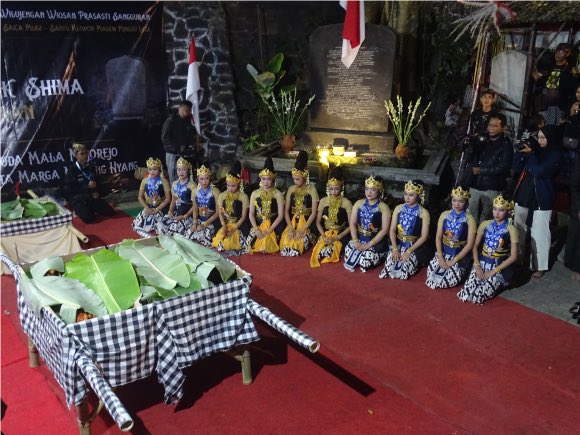
@BLMalay A very important part of our research was learning from the local community in Java how the inscription, even in its absence, has become a keystone of cultural heritage. The Sangguran community is a special audience for our work, whom we greatly hope it may benefit
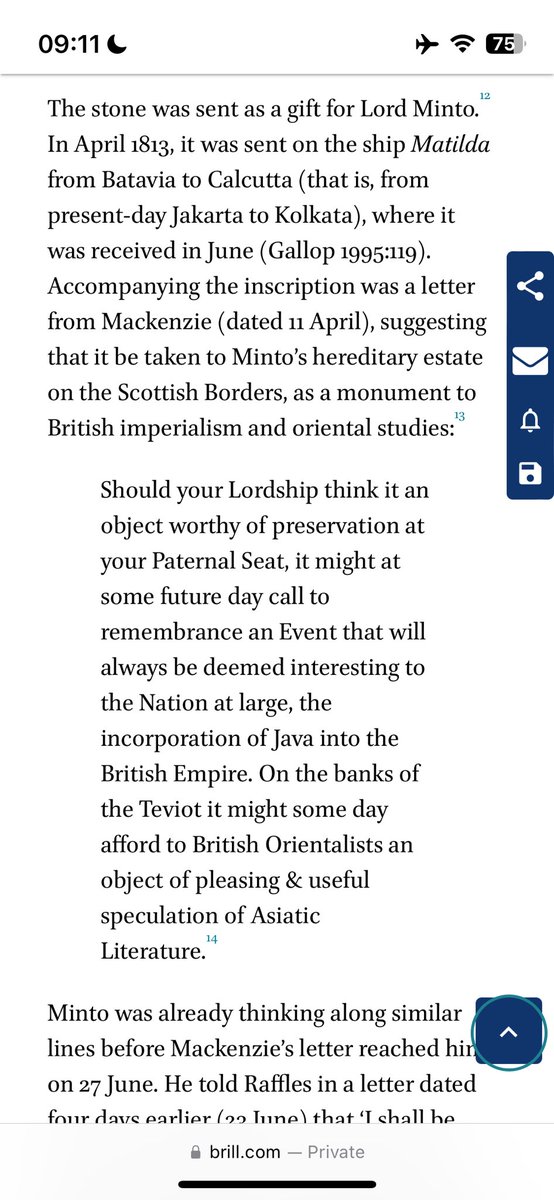
My team has published a new article on the famous Sangguran inscription, now held in Minto estate in Scotland. It was a lot of work and we were able to make several new contributions to the study of this important document of 10th-century Java https://t.co/4IAP40ujV4
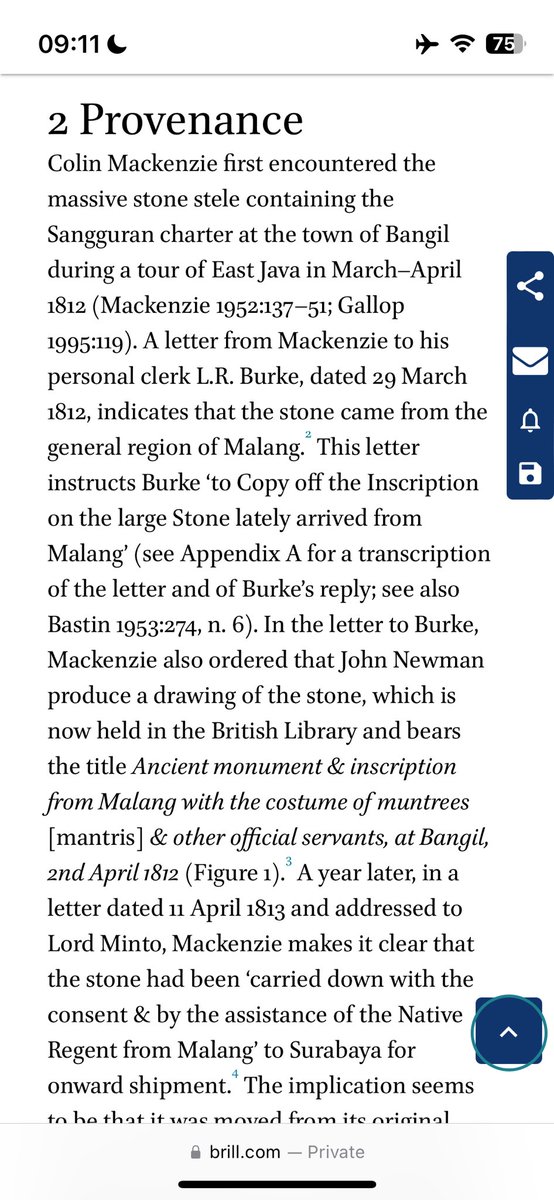
We investigated how the stone was discovered in 1812 and taken to Scotland in 1813. With help from British Library staff like @BLMalay we traced how Colin Mackenzie heard of the stone and ordered it to be brought to Bangil, and ultimately sent it to his boss Lord Minto