For the first time on @interintellect_:
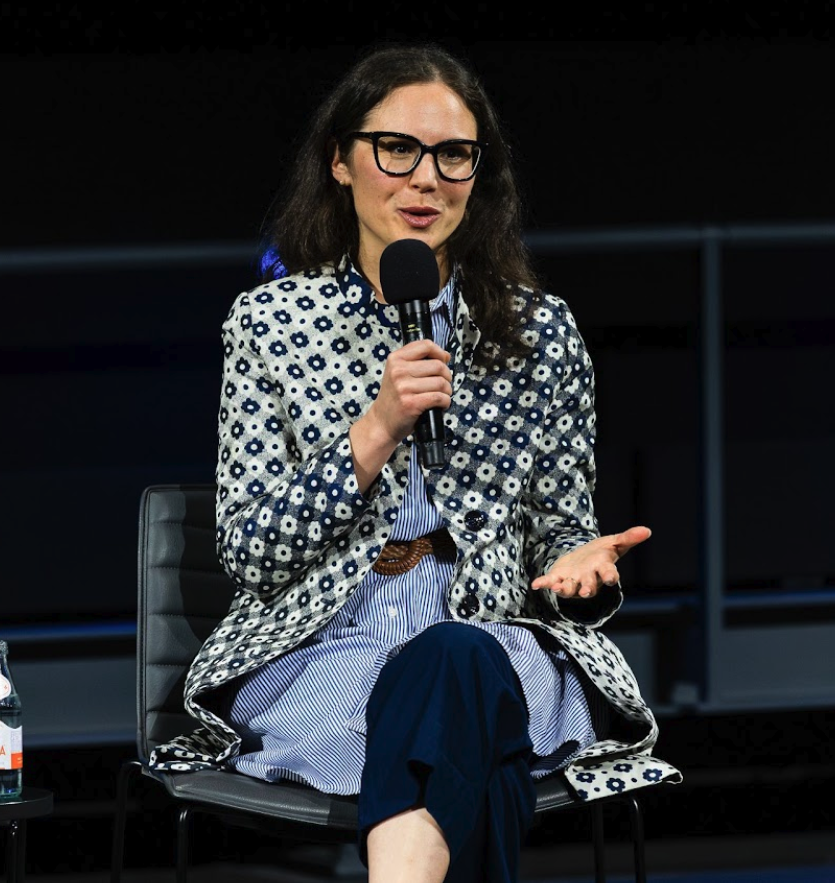
Berkeley's Nina Beguš -- author of Artificial Humanities, and more -- and OpenAI's @Houda_nait coming soon.
Creativity, flourishing, and the humanities, in this phase-shifting moment in human history!
https://t.co/HTACK6KN6O
What scientific discoveries are hiding inside AI models? 🔍
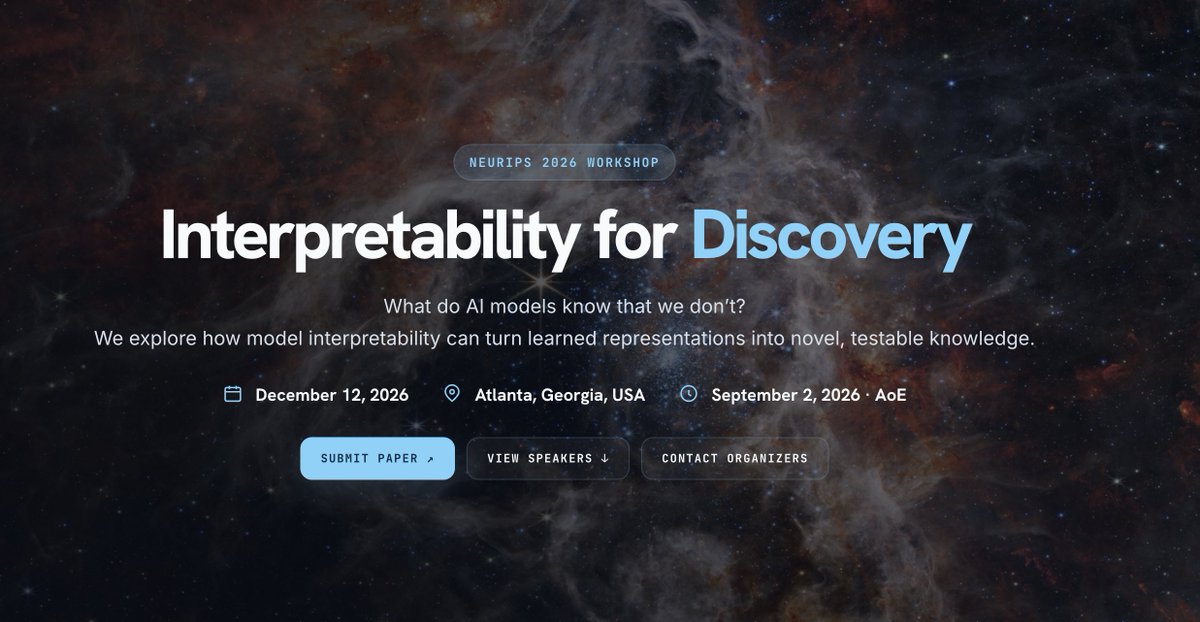
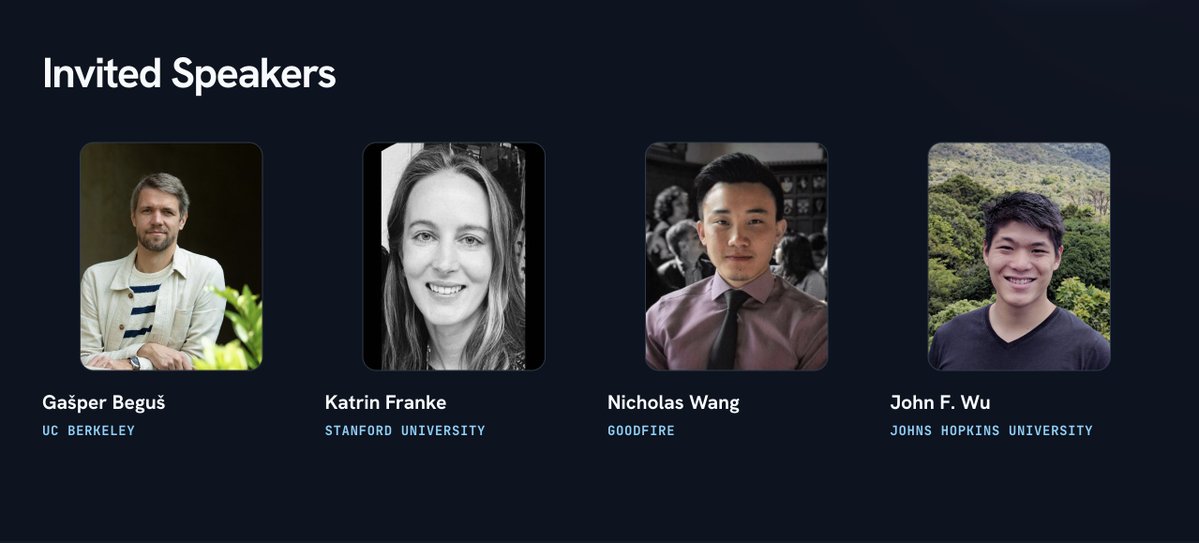
Join us Dec 12 at @NeurIPSConf in Atlanta for Interpretability for Discovery. Hear from our amazing speakers: @begusgasper, @kfrankelab, @nkwang24, and @jwuphysics. Join us for spotlight talks, posters, and a panel!🎉
We’re hosting a social right after the workshop! Stay tuned for details, and a big thank-you to our sponsor @GoodfireAI for making it possible!
Looking forward to seeing everyone!
Organizers:
@boknilev, @EkdeepL, @YNikankin, @ChenhaoTan, @amirtha255
We are thrilled to welcome Dr. Nina Beguš as Long Now’s Epistemic Cycles Lab Lead. Through 02027, @ninabegus will convene an interdisciplinary working group of scientists, artists, humanists, and technologists to build an ���Epistemic Cycles Atlas” — a historical timeline and typology of information ruptures stretching from writing and accounting to generative AI.
Learn more about she approaches frontier intelligence and human craft in this recent Q&A with Arrival director Denis Villeneuve on the film’s 10th anniversary, in partnership with @berggruenInst : https://t.co/h8ab8ali0l
Can't imagine a better place for this project.
The Atlas is building on Artificial Humanities's inquiry into epistemology, combined with a course on the history of information I'm teaching at Berkeley. It will ultimately grow from the discussions with the group of experts on various information technologies.
Exciting year ahead of us!
Ai interpretability leads to new scientific discoveries. It helped us find vowels in sperm whales. Join us at NeurIPS in Atlanta for this amazing workshop!
Until now, one had to be human to write in human language. What changes when machines start writing too? A collection of essays edited by @ninabegus and penned by most amazing writers explores the new topos.
https://t.co/Q1tDqOx9S8
What happens to writing when machines can write? How are novelists, poets, and screenwriters responding to AI, and what does it mean for creativity, authorship, and the future of storytelling?
Join us on November 18 at UC Berkeley Sutardja Dai Hall as we explore these questions through our new collection of essays, First Encounters with AI.
"First Encounters with AI: Writers on Writing" edited by @ninabegus is now available! Read what some of today’s most original literary minds are writing about how stories are conceived, crafted, and shared. https://t.co/3Bf6MroGgR
@Chawkkkk not for this one, but we the Internet Archive is hosting the online book launch on Dec 3 and will also record it for their podcast: https://t.co/5CDkrhbmYV
It's First Encounters pub day! 🎊
You can find it in any major bookstore as a paperback, hardcover, and e-book.
Feel free to use code ARTHUM40 for 40% off from the press (valid until 3/1/2027) for both books.
Nothing more beautiful than reading a printed copy of the oldest journal of linguistics with your paper in it and the paper talks about Vedic Sanskrit and Andreas Scholl is singing Handel’s Va tacito in the background and you drink Earl Grey from this pretty cup.
New preprint! 🐳🦁🐸
Many animals vocalize to communicate, but when we capture them in the field we get noisy recordings. We create a new, lightweight biodenoising model, CallCleaner, that you can run >90x realtime on a laptop CPU! (1/3)
Nothing more beautiful than reading a printed journal with your paper in it and the paper talks about your grandma’s dialect and Callas is singing Lucia in the background.
Writing is part of how we think, not just how we communicate. As AI takes on more creative work, the value of the process itself deserves a closer look.
Join researcher @ninabegus and OpenAI AI researcher and writer @Houda_nait for a conversation about creativity, authorship, and the future of human expression.
https://t.co/WBoopioIWS
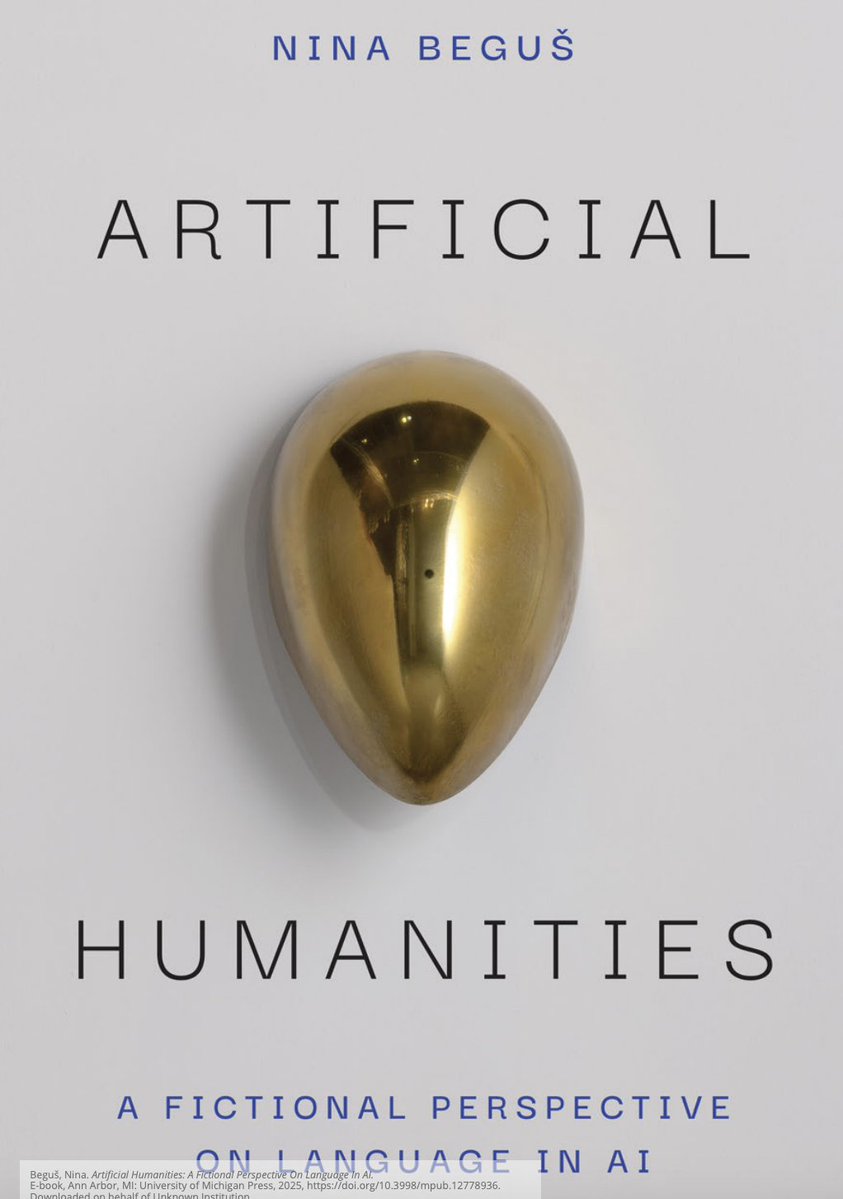
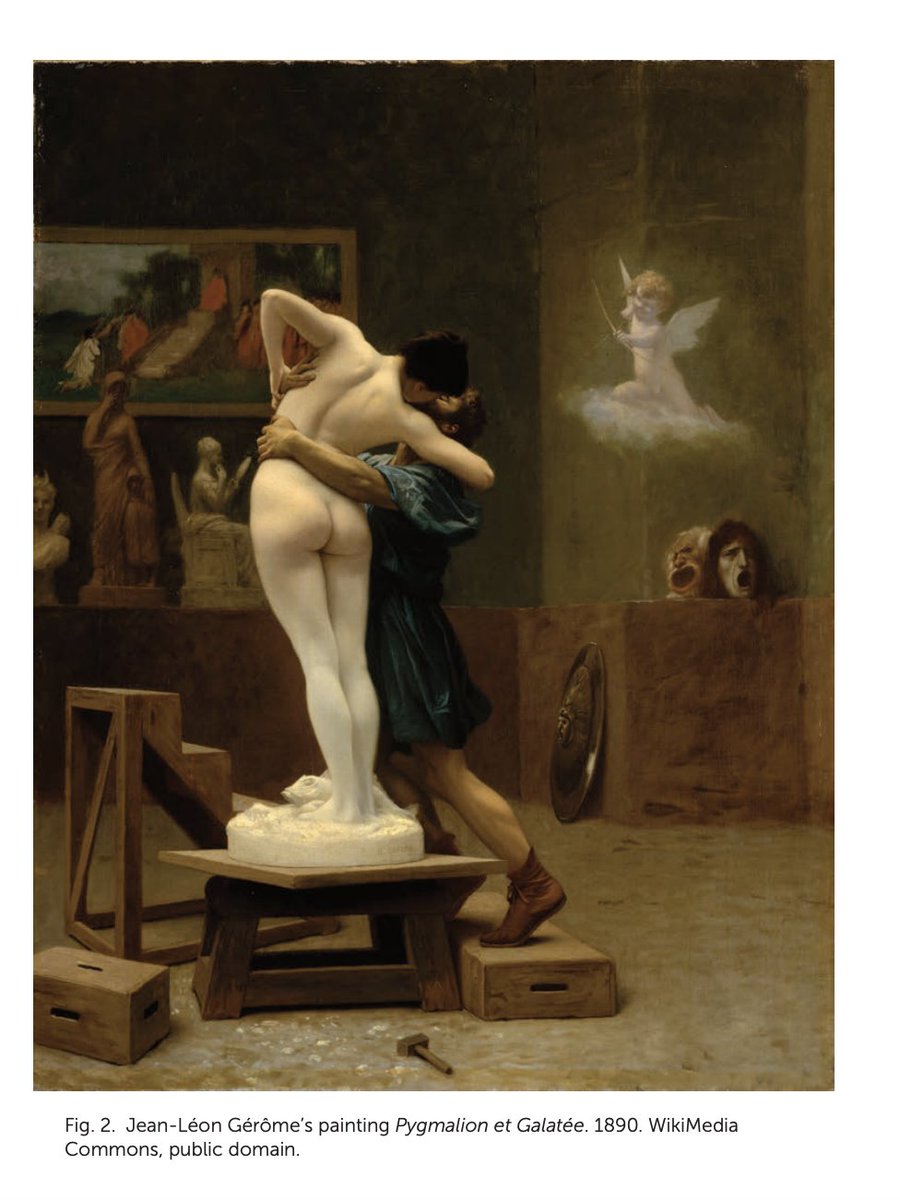
Mindblowing that the Pygmalion myth has become one of the central problems in future. Read Artificial Humanities that introduces fiction to the world of AI!
I was ten when my parents first took me to the Venice Biennale. So wonderful to see that a few decades later I could contribute a small piece to the vast and beautiful world of art.