#ChIPAtlas Our paper about a major update of ChIP-Atlas is out! ChIP-Atlas 3.0 provides not only ChIP-seq, ATAC-seq and Bisulfite-seq data, but also Hi-C, ChromHMM, GWAS SNPs and eQTLs data. Great contribution from @ZhaonanZou and @inutano !
https://t.co/pzwqhDUevl
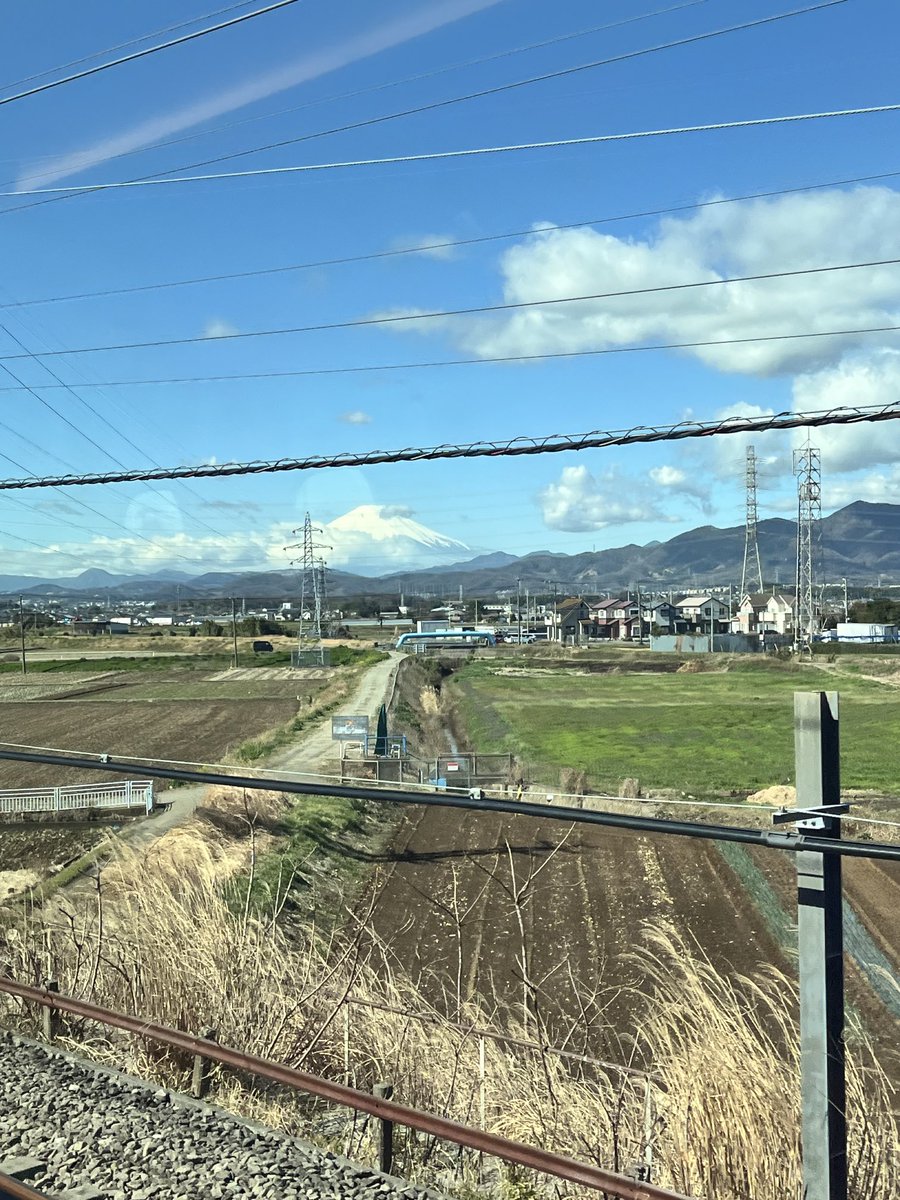
Good morning Japan! Mount Fuji looking amazing with fresh snow. I have a week talking to Japanese colleagues @DDBJ_topics DNA and metabolomics data sharing for the benefit of the world!
I've been away from contributing to the Galaxy project, but so happy to have had a chance to introduce the NanoGalaxy to the Japanese Nanopore community! Over a decade passed, but I'm sure of that the Galaxy and its community are still invaluable for all researchers in biology!
In addition, a new tool, Diff Analysis, has been released that allows the retrieval of differentially methylated regions (DMRs) from two given sets of WGBS data. Thanks to @inutano and @ZhaonanZou for their great contributions!
#ChIPAtlas Happy to announce a major update of ChIP-Atlas that now allows you to browse not only the epigenomics data but also a wide range of genomic annotations such as Hi-C, ChromHMM, GWAS SNPs and eQTLs data. https://t.co/3pPLghLOHI
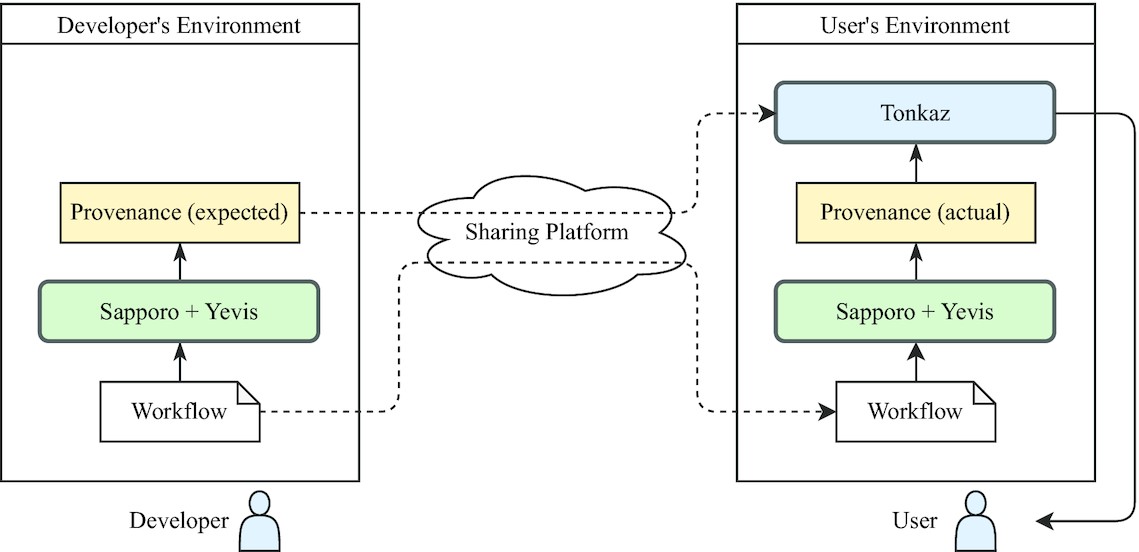
Was great to see @inutano presenting in #BOSC2023 on Tonkaz, his recent paper in GigaScience presenting a workflow reproducibility scale for automatic validation of biological interpretation results https://t.co/8Umu6m3Epa #ISMBECCB2023
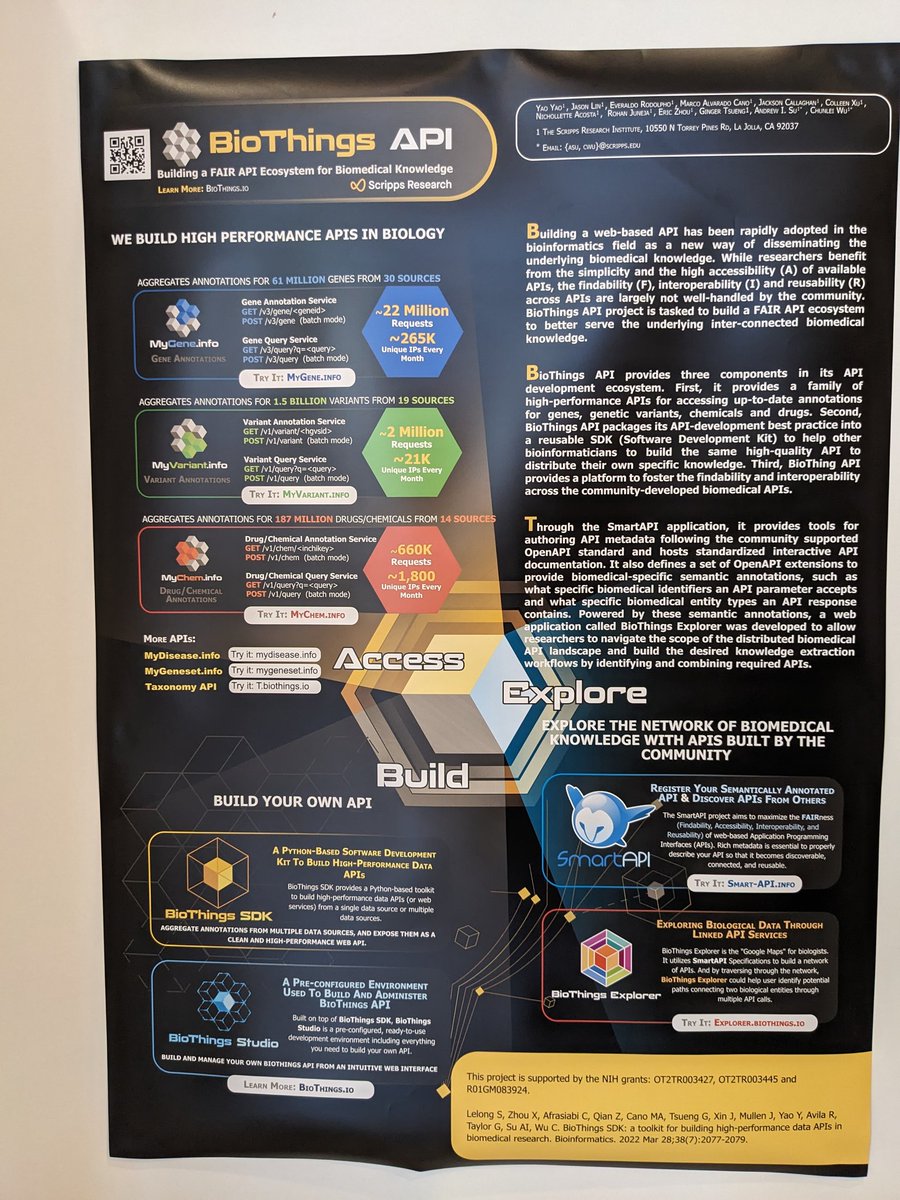
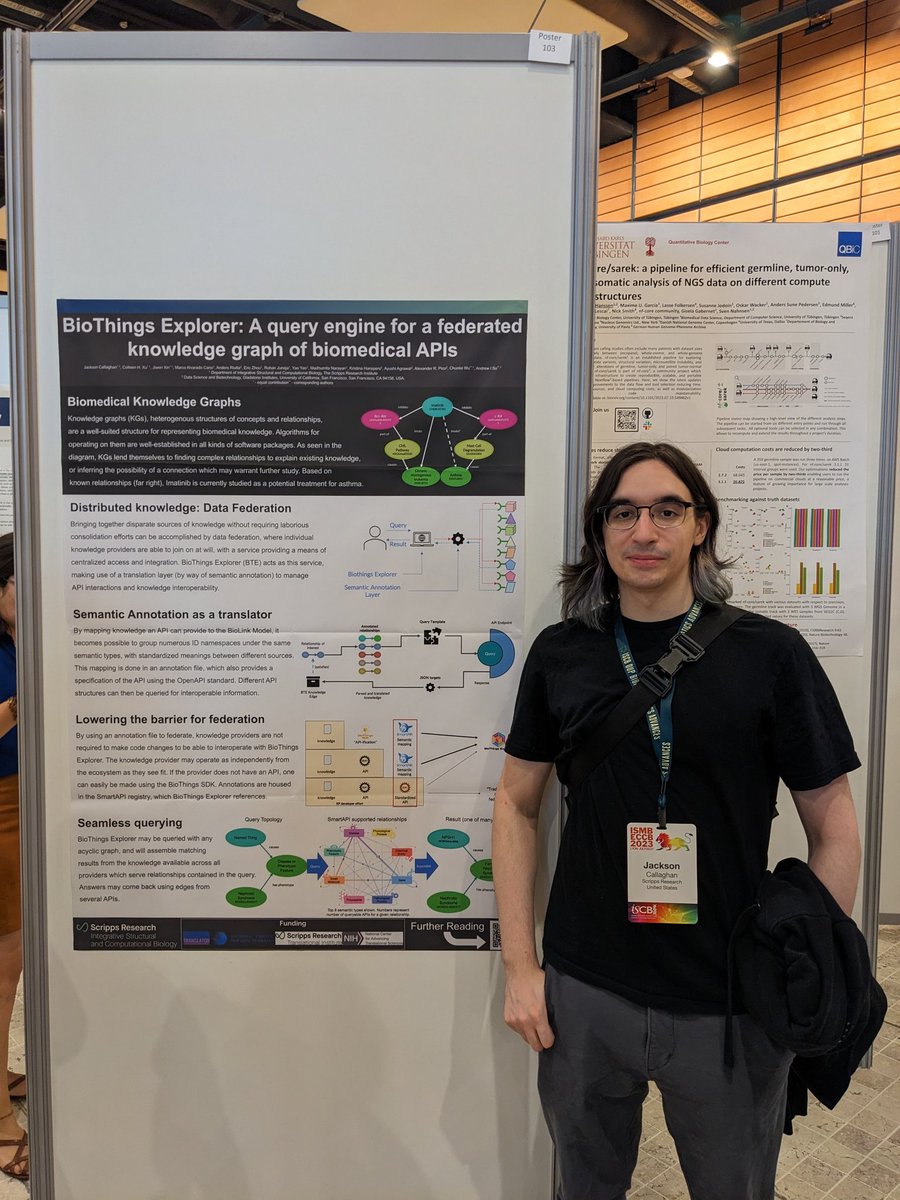
@biothingsapi toolsets for building & integrating biomedical knowledge #API at #bosc2023#ISMBECCB2023. Visit our posters today and/or join two talks on BioThings SDK and BioThings Explorer (by Jackson Callaghan) tomorrow, day-2 of #bosc2023
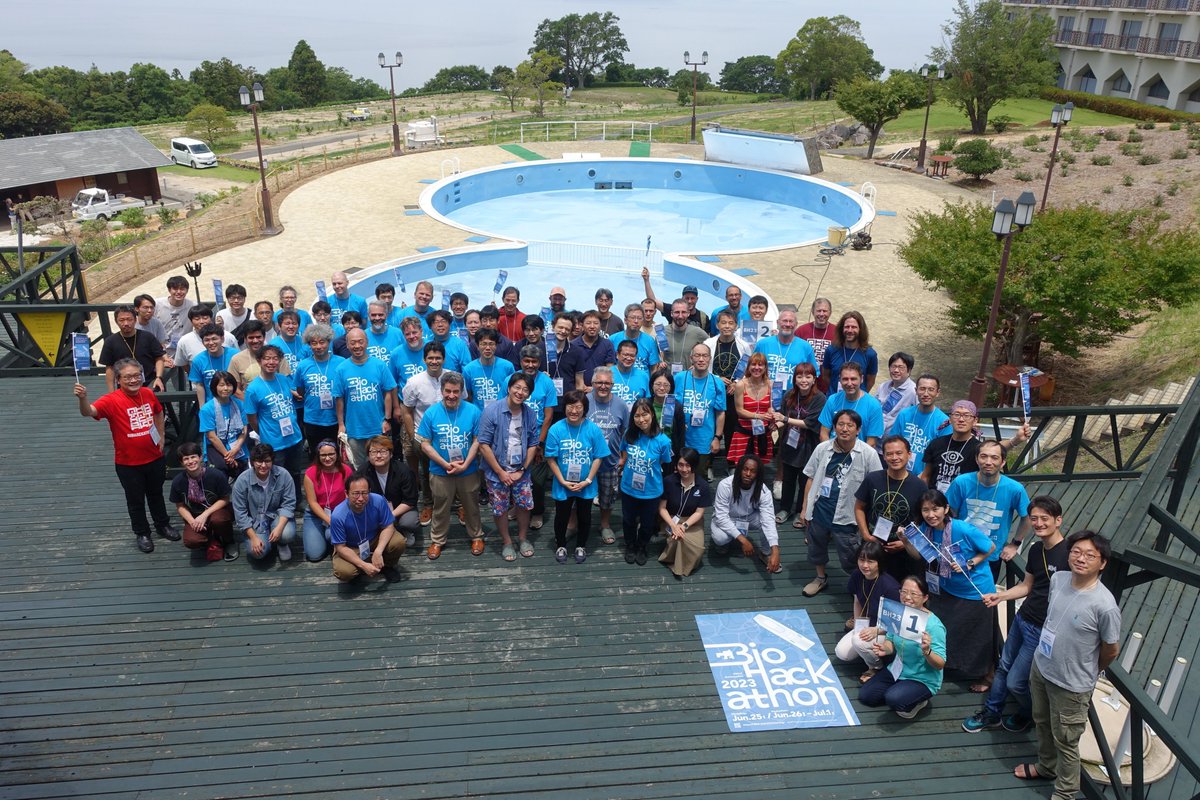
At #biohackJP, we took @oxigraph for a spin with a subset of @PDBj_en#RDF nearing half a billion triples. We successfully hosted multiple endpoints on a standard MacBook Pro, reverse-proxied with @caddyserver. Our test environment surpassed the performance of a traditional triple store, even when handling federated #SPARQL queries. Part of this experimental project is documented in our #BioHackrXiv preprint: https://t.co/vH7jDldVpu
Anyone working on IDs of public databases? Let me share one of my favorite apps developed by DBCLS, giving me a very smooth ID conversion experience while I'm working on a public dataset work #BioHackJP https://t.co/36RvKUhXV7
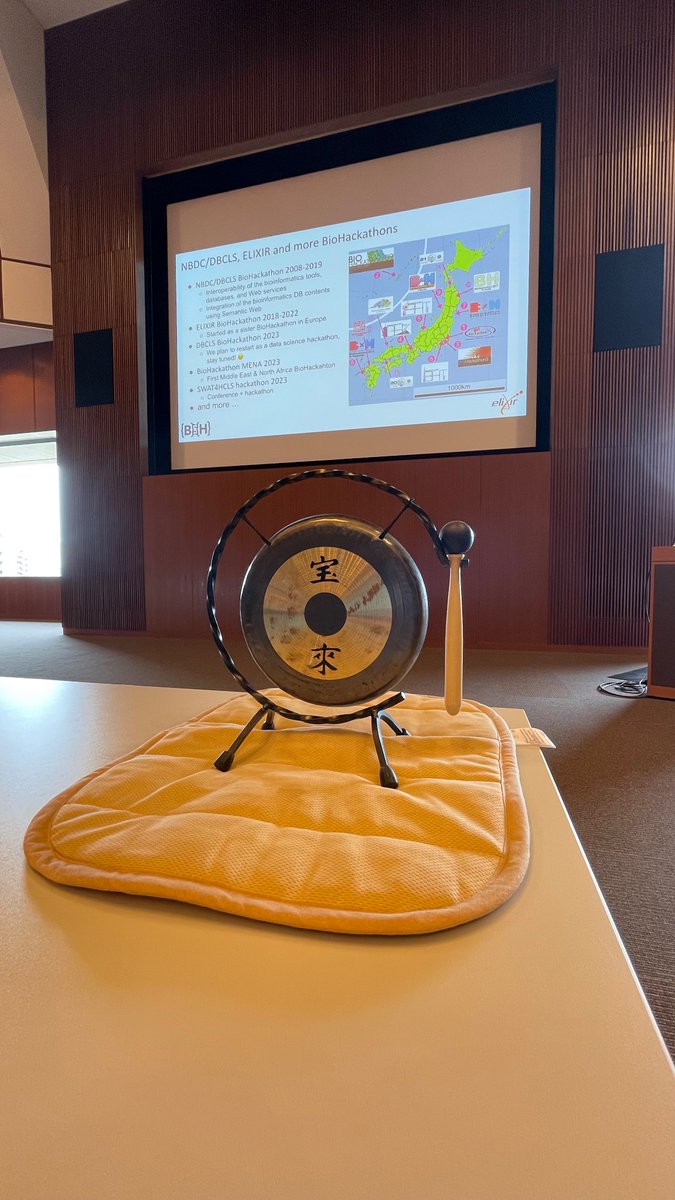
@tktym is presenting a opening talk: the history of BH, the current situation in biological databases, and the challenges ahead in data science utilizing the existing resources
A workflow reproducibility scale for automatic validation of biological interpretation results
@inutano et al propose a new metric, a reproducibility scale of workflow execution results, to evaluate the reproducibility of computational results.
https://t.co/8Umu6m4ceI
Watch Tazro Ohta (@inutano) talk about sharing reusable computational workflows with his new Yevis platform in our youtube channel https://t.co/aL4OGlTHPM