We're sad to leave Twitter, but this platform seems to be resembling invasive species more and more each day, with growing economic and environmental impacts. Please consider following us at @joinmastodon:
https://t.co/PJhSqy3FV0
Texas' famous King Ranch has teamed up with Old Forester Distilling Co. in a creative take on managing invasive honey mesquite trees. https://t.co/FgE3BhJyBT
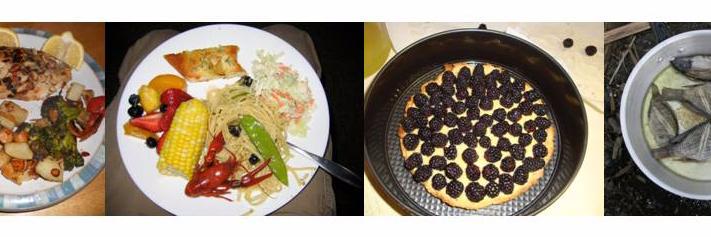
How to get people to eat #insects: Tasting experiments, surveys, and educational demos are delving into consumers’ #psychology to bring reluctant insect eaters to the table. A PNAS Science & Culture: https://t.co/0n1kZfdqQW #ClimateChange#CarbonFootprint
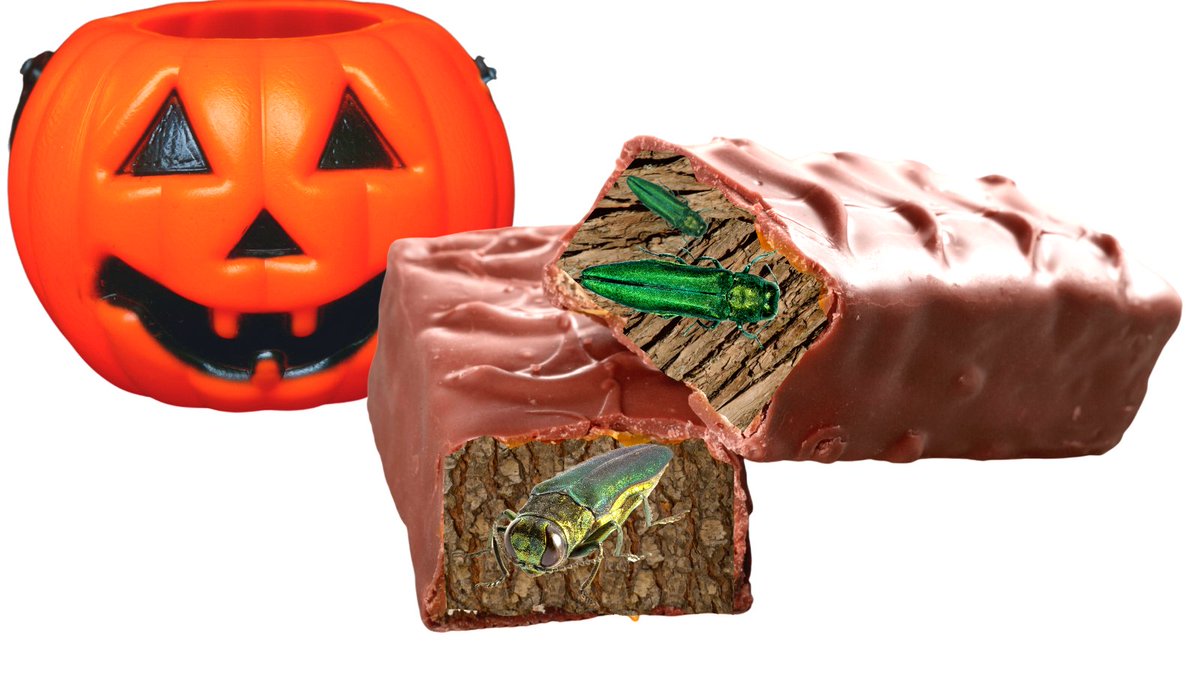
Parents, please check your kids' candy this Halloween! We just found invasive emerald ash borers decimating native ash trees inside this candy bar. No words.
@matheusasth Pasko and Goldberg provided an excellent review of considerations involved with harvest-based incentives as invasive species mgmt.
https://t.co/6NS1P6lPGy
Hi, #invasionscience Twitter. Does anyone know any economic instrument to deal with IAS? Not regulatory or mandatory agreements, but incentive instruments.
#AcademicTwitter
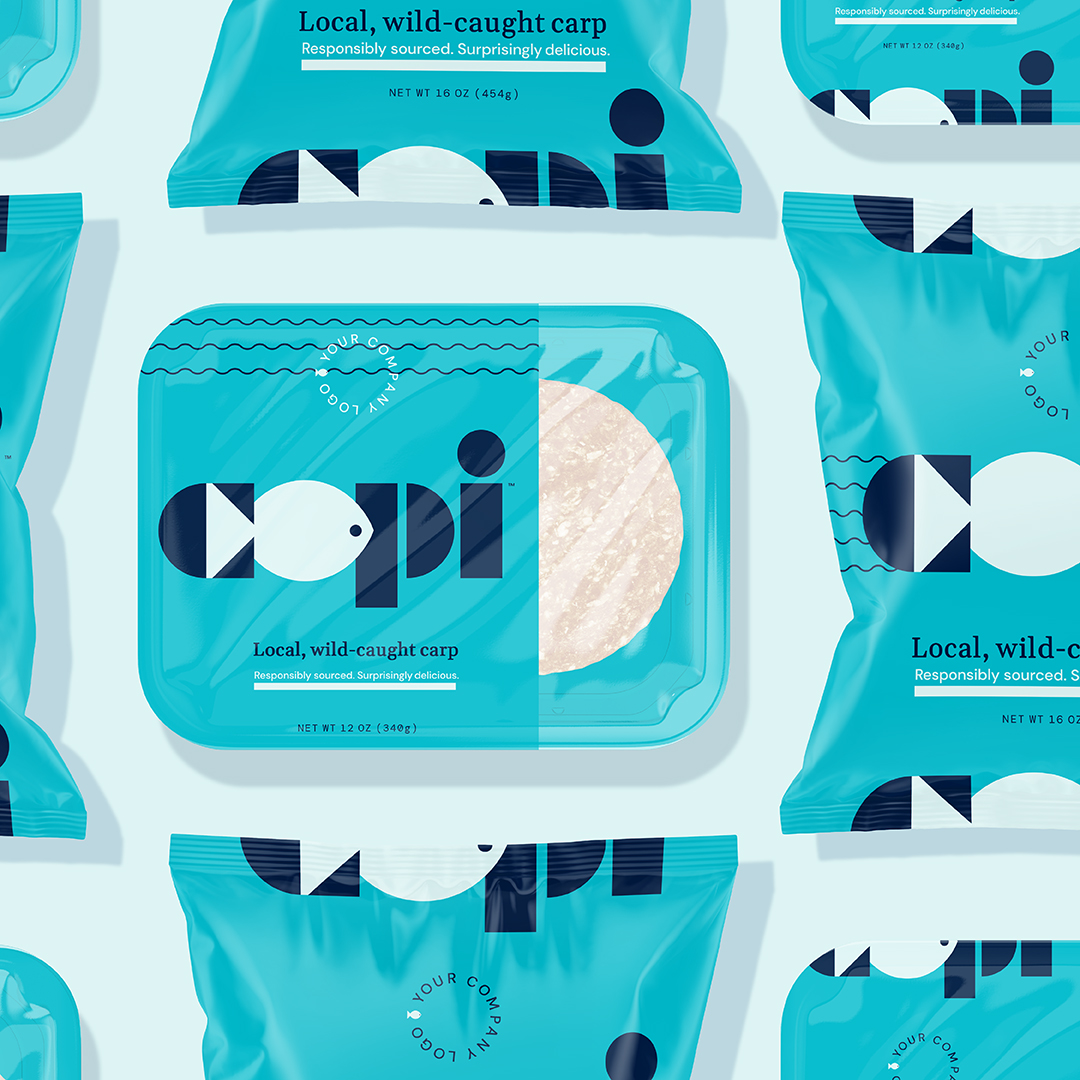
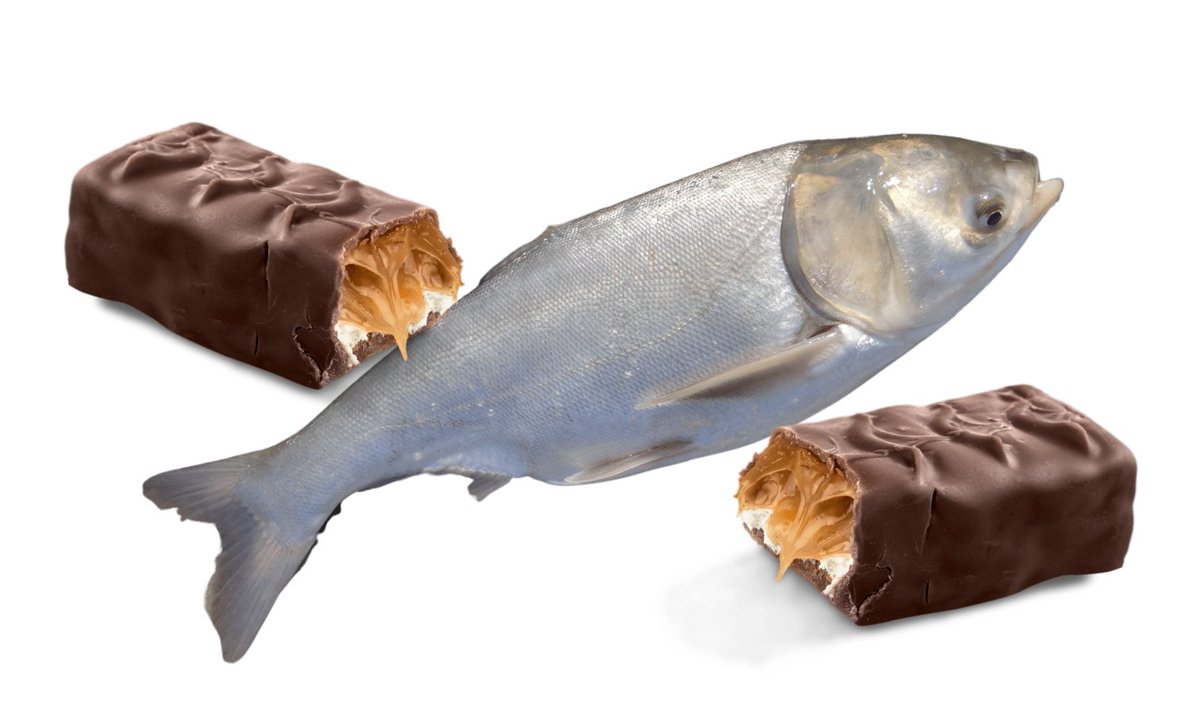
Illinois and partner organizations kicked off a market-tested campaign Wednesday to rechristen as “copi” four species previously known collectively as Asian carp, hoping the new label will make them more attractive to U.S. consumers. https://t.co/gVqF6EwmK5
Over the past two years, we have worked with IDNR, and State and Federal partners, on an effort to reposition Asian carp for human consumption. Today IDNR is announcing the new name — Copi — and the launch of a new brand designed by Span.
https://t.co/vC4IQRhkiq
Thank you to everyone who tuned in today to help us celebrate Copi, the new brand for Asian carp.
Encouraging human consumption of this delicious, healthful, flaky fish is just one part of IDNR’s comprehensive effort to manage them in our waterways.#choosecopi