A key element of this was showcasing the capabilities of @bettercareIT#openEHR platform at @interopenAPI#hackathon https://t.co/8ShUbAhiXK. Rapid integration and visualisation was demonstrated at the hack and these fundamentals proved scalable across all of London in 7 months.
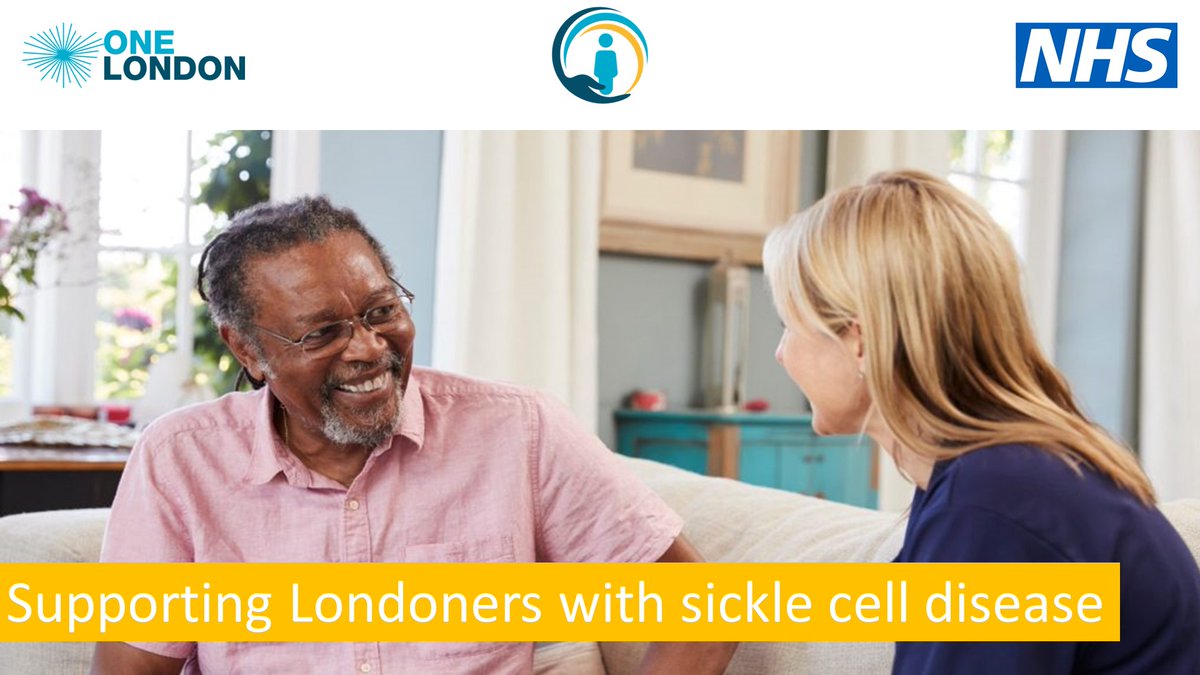
Great news that around three quarters of sickle cell patients who receive care in London now have a #UniversalCarePlan helping to ensure they get the right care wherever they are in the Capital.
You can read more here: https://t.co/dZCWyX1rq8
@LondonUCP
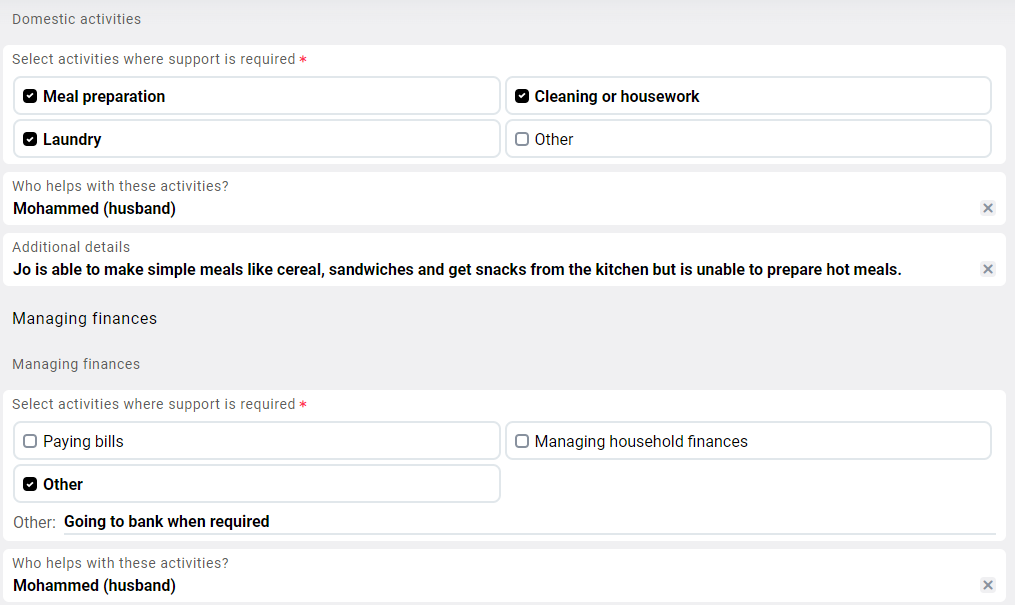
Co-designed by the Frailty network, the expanded UCP will capture more detailed information about patients' daily activities and support needs, such as washing, dressing, meal preparation, mobility and managing medication. #UCPexpansion
June was another record-breaking month for the UCP, with 4,200 new care plans being created and over 19,000 care plans being accessed. There are now over 64,000 patients in London who have a UCP that is visible to everyone who cares for them.
Weeknotes 1.2 working in @NHS_GM
Had the opportunity to hear some incredible work from the #frailty group and have begun to understand how we can support #clincialDigialSafety better. If you're a #cso working in GM please get in touch!
https://t.co/Ij9KWBiNbY
@KevinGMayfield@mwardle When you save a composition (template), yes the archetype has a link to the template. These queries easily turned into parametised API views. ConceptMap question is one for OpenEHR discourse but likely you wouldn’t need one if you define a valueset from external TS in template
@KevinGMayfield@mwardle In that example CPR is an archetype within ReSPECT template. It can have associated codes at archetype level but yes has independence to terminology so when using CPR in template you can associate with local codes or FHIR ValueSet via query to Term Server
@mwardle@KTheivendran@open_Outcomes I think this questionnaire example can be covered through clusters and slots as part of OpenEHR whereby you are creating reusable elements across archetypes and can query the cluster. Might be one to put on OpenEHR discourse with an example for a better response tho.
@KevinGMayfield@mwardle A vital signs template would be made up of individual archetypes - i.e. Blood Pressure. You can then query the Blood Pressure archetype across multiple templates (compositions) or a specific template.
@KevinGMayfield @BHaarbrandt The solution works natively with OpenEHR so saves the data as OpenEHR composition anyway. We have added FHIR bundle (can do same for QR) as a tag to OpenEHR composition but not sure this is perfect practice.
It's live! From today, the UCP can be used to co-create and share pain management plans for people with sickle cell. This is a pivotal development as our first new use case since launching the UCP, and will help reduce inequalities that people with Sickle Cell face.
@KevinGMayfield@elij@ianmcnicoll@maharris98@Johntq2@wolands_cat Sunquest ICE is integrated into GP practices, for EMIS anyway (not sure about TPP and unsure how many instances of ICE) to send orders to LIMS usually owned by Acute Trust.
Acute trusts use EPR’s built in order comms or use ICE. Look up AireLogic guide to Lab standards. Useful.
@KevinGMayfield@elij@ianmcnicoll@maharris98@Johntq2@wolands_cat That spec is Cerner Millennium and not HIE. Here is example from Interweave - https://t.co/5FXgT1jkYQ
No idea where UTL is up to so imagine all codes are local rather than SNOMED coded 🤷🏻♂️