Nah yang terjadi saat ini, dan mengakibatkan kecelakaan fatal, walau sinyal B105 sudah dibongkar, tapi skema sinyal masih seperti yang lama.
Ini bikin masinis Argo Anggrek lanjut ngebut di Bekasi, tapi tiba2 kena jackpot mendadak sinyal Merah pas mau Bekasi Timur.
(7/~)
Nike Downfall
Harga saham Nike hancur 66% dlm 5 tahun terakhir, di saat brand spt Hoka dan On Cloud makin on fire.
What went wrong?
Strategi Nike yg memutuskan total 100% berpindah jualan secara digital (demi menjadi direct to consumer brand atau DTC Brand) barangkali merupakan salah satu blunder paling fatal dalam sejarah bisnis modern.
Jadi begini.
Di era pendemi, CEO baru Nike (yg mantan ceo eBay dengan digital mindset kuat) dengan gagah berani memutuskan agar Nike full jualan secara digital.
Cut hubugan dg retailer besar poffline spt Foot Loker dkk.
Hentikan jualan via distributor offline.
Sebuah keputusan bisnis yg amat “heroik”.
Di saat pandemi, strategi itu memang lumayan sukses datangkan penjualan.
Selain itu, dengan menjadi DTC, Nike berharap bisa : 1) dapatkan margin yg lebih besar sebab tak ada lagi middleman 2) bisa bangun relasi lebih intim dengan para pelanggannya.
Namun saat pandemi berakhir, dan jutaan konsumen kembali berdatangan ke mall offline; Nike tetap memutuskan jualan full via channel digital. Ogah jualan via retailer offline lagi.
Blunder strategi itu memunculkan beragam efek yg amat fatal :
- Space kosong yg ditingalkan Nike segera dengan sukacita diisi oleh band lain (brand baru seperti Hoka dan On spt mendapatkan durian runtuh karena sekarang punya space kosong di banyak shoes retailer).
>>> Ingat : dalm dunia retail, space jualan di gera-gerai offline itu harta karun yg amat mahal harganya. Retailer hanya mau tampilkan brand bagus di posisi paling strategis. Brand kurang bagus cukup ada di pojokan kecil.
(makanya banyak brand FMCG yg berani kasi fee besar kpd Indomart agar produknya muncul di lokasi paling depan dan menonjol).
- Keputusan Nike meninggalkan space di retailer offline itu literally ibarat harta karunnya ditinggal begitu saja, dan diberikan kepada brand pesaing lainnya. Fatal mistake.
- Dampak lain dari blunder itu adalah : Nike spt membuang begitu saja aset marketing yg paling berharga.
Jadi begini.
Menampilkan aneka sneaker + poster di retailer offline itu sejatinya adalah iklan gratis Nike bagi jutaan konsumen yg tiap bulan datang ke gerai tsb.
- Bayangkan saat jutaan orang data ke Foot Looker dan tidak menemukan satupun poster dan produk Nike. Lama-lama mereka lupa dengan Nike. Brand awaraness Nike pelahan runtuh. Dan yang paling fatal : jutaan konsumen itu lalu akan coba tengok brand lain pesaingnya.
Keputusan Nike untuk menjadi DTC itu juga ciptakan problem stock menumpuk. Selama ini Nike tak pernah pusing mikirin hal ini. Sebab semua stock dilempar ke retailer2 besar.
Kini ketika Nike jualan sendiri, problem logistik ini membuat mereka kehilangan banyak biaya. Jualan secara direct to consumer ternyata bukannya untung, malah buntung. Banyak biaya logistik yg kudu dikeluarkan.
Blunder strategi spt itulah yang bikin kenapa penjualan Nike stagnan, dan bahkan tahun lalu penjualan anjlok 10%. Persis di saat brand lain spt Hoka dan On Cloud makin melesat penjualannya.
Moral of story :
Ternyata kejatuhan bisnis itu bukan karena SDM jelek atau R n D buruk. Nike punya SDM dan RnD terbaik di industrinya. Modalnya melimpah. Teknologi paling top. Budget iklan tak terkalahkan.
Spt Nokia dan Kodak, kejatuhan Nike ini benar-benar karena “KESALAHAN STRATEGI”.
Makanya dewa strategi Michael Porter pernah menulis : strategy is everything.
Begitu company Anda salah mengambil strategi, maka kehancuran biasanya akan segera menyusul.
Omong2 apa brand sneakers Anda gaes? Kalau saya lebih suka beli Adidas. Belum mau pindah pakai Skecher, Hoka, atau On. 😊
This 30-min workshop by the creator of Claude Code will teach you more about vibe-coding than 100 YouTube video guides.
Bookmark it & give it 30 minutes today. This video will change the way you use Claude forever.
Obsidian: 9 karyawan, $350 juta valuasi.
Orang fokus ke "wow 9 orang."
Yang seharusnya jadi pertanyaan: keputusan apa yang mereka bikin di tahun pertama supaya gak pernah butuh orang ke-10?
Local-first (skip infra), plugin ecosystem (skip feature team), markdown (skip migration team), bootstrapped (skip growth team).
Arsitektur produk = arsitektur organisasi.
Boss: “You arrived 10 minutes late.”
Employee: “Yesterday I stayed late finishing that last-minute report.”
Boss: “I understand… but rules are rules.”
The next day, the employee arrived exactly on time.
And at 6:00 p.m. sharp, shut down the computer.
No extra emails. No work taken home.
If punctuality is non-negotiable, then effort must have boundaries too.
Recognition cannot be one-sided.
When mistakes are highlighted but dedication is ignored, the real message becomes clear:
“Do only what’s required. Nothing more.”
Empathy costs nothing.
The absence of it? That can cost you everything—especially your best people.
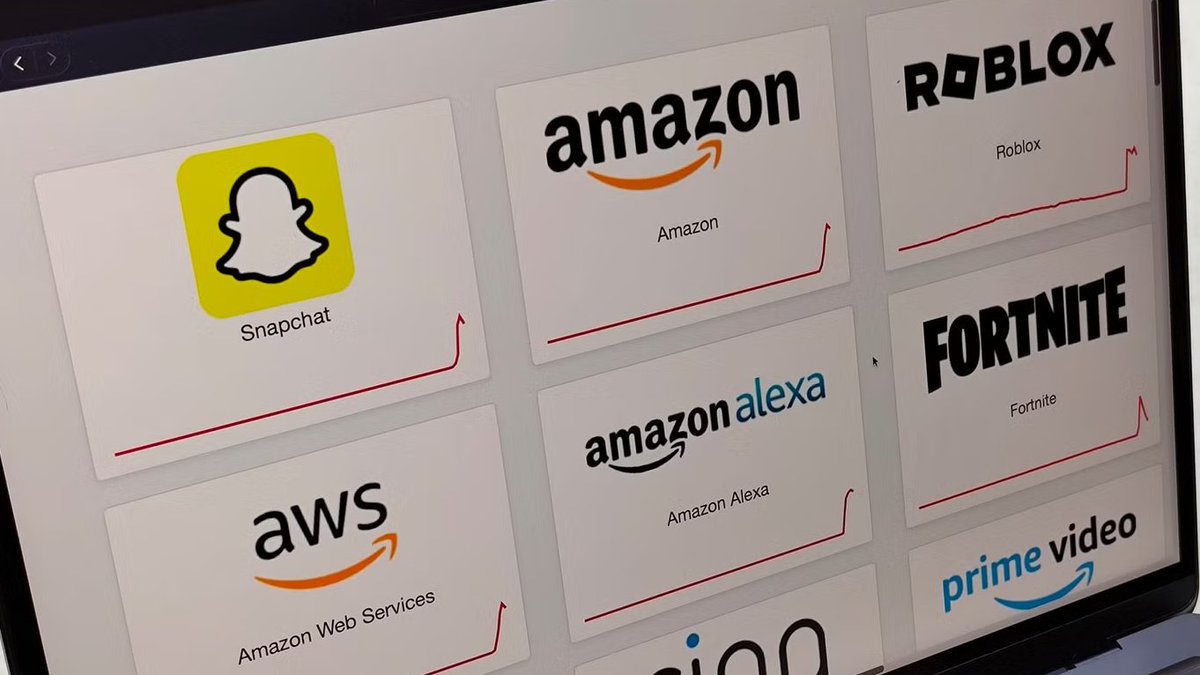
we all know that AWS went down for some time.
let’s look at what actually happened:
The US-EAST-1 region is one of AWS’s largest and most critical data centers, hosting infrastructure for thousands of major websites and applications.
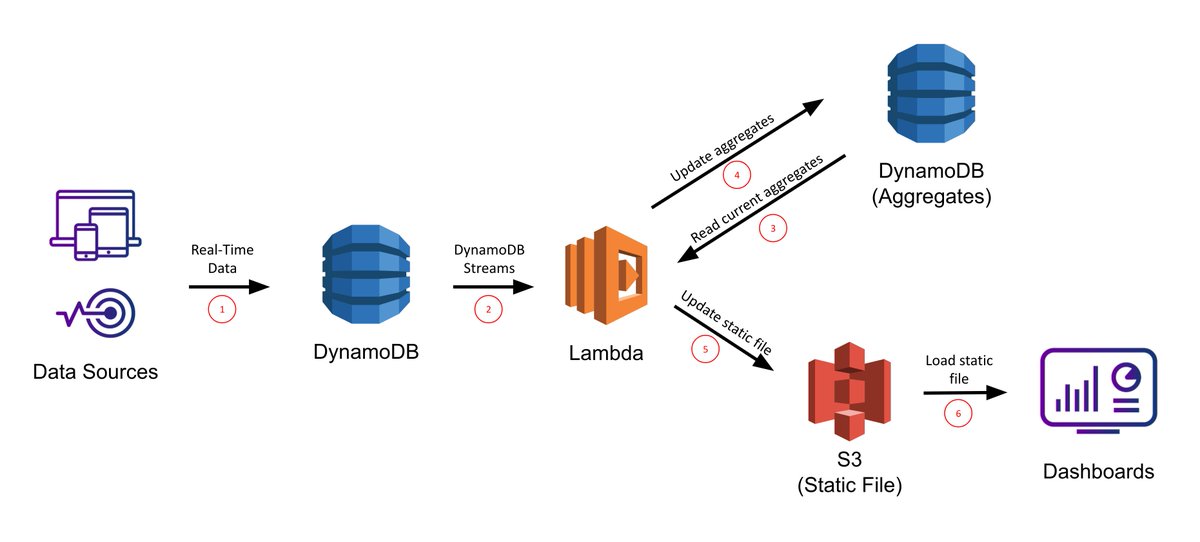
When DynamoDB, a key database service, began experiencing high error rates, it created a ripple effect across AWS’s interconnected systems. This caused widespread disruptions because many applications rely on DynamoDB for data storage and retrieval operations.
You see, DynamoDB is deeply embedded in AWS’s control plane architecture. Many AWS services use it internally for storing metadata, state information, and service configurations. So, when the DynamoDB API endpoint became unreachable via DNS, these dependent services couldn’t access critical operational data. The failure affected over 36 AWS services simultaneously.
When DNS resolution failed, client services couldn’t locate the DynamoDB endpoints. This triggered a feedback loop similar to the September 2015 DynamoDB outage. Each retry consumed more resources, causing more timeouts, which in turn triggered further retries, creating a vicious cycle.
AWS responded by pursuing multiple parallel recovery paths simultaneously, rather than waiting to identify and fix a single root cause.
The primary fix involved stabilizing the DNS resolution infrastructure for the DynamoDB endpoint. AWS’s engineering teams likely:
-Reconfigured or restarted DNS resolvers handling DynamoDB.
-Potentially rerouted DNS queries through alternative resolution paths.
-Implemented emergency DNS caching adjustments.
This incident reflects the interdependence and fragility of large-scale cloud ecosystems, where even a single point of failure in a core service can cascade across dozens of systems within minutes.
AWS went down this morning.
Everyone panicked.
Marketing couldn’t access the website.
Finance couldn’t open their dashboards.
I told everyone to stay calm — there was nothing we could do.
For the first time all year, every ticket became “blocked by external vendor.”
My workload instantly dropped to zero.
People kept asking for updates.
I just kept saying “we’re waiting on Amazon.”
Haven’t touched my keyboard in four hours.
I’ve never felt more efficient.