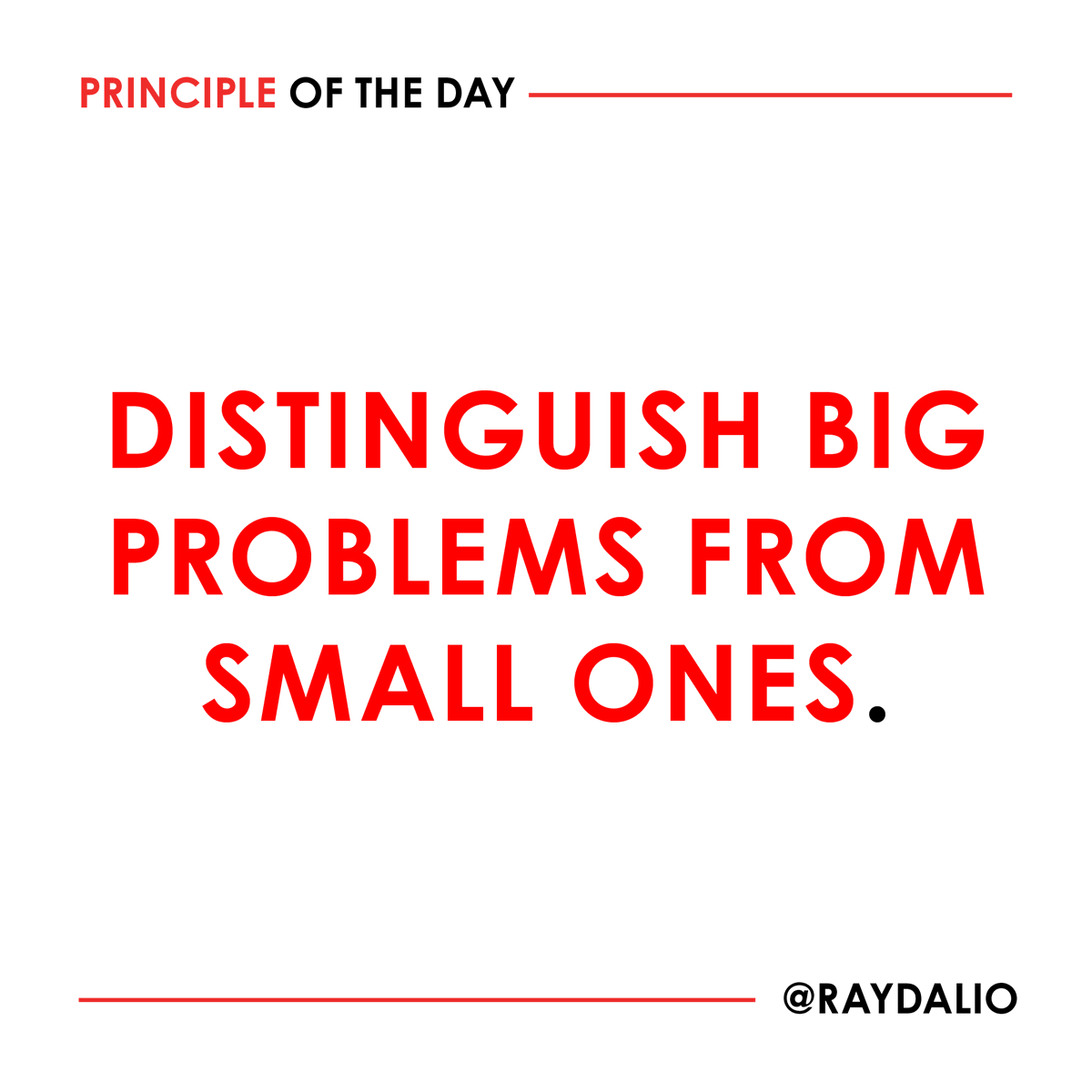
You only have so much time and energy; make sure you are investing them in exploring the problems that, if fixed, will yield you the biggest returns. #principleoftheday
hey @vfairs
alert, your domain is used for massive scams.
@gmail team, your blue label check was ever intended for ugc? seems it does't serve the purpose
If you’re a founder who’s great at building products but struggles with managing people,
Read "Get Scalable" by Ryan Deiss.
Here are 3 learnings I’ve put into practice:
1. Write down what we can’t afford to get wrong. Ignore the rest.
2. Understand deeply what’s broken before hiring/adding someone to fix it.
3. Give every process an owner who can make decisions without me.
The goal is to grow the company...
...without growing the queue of people waiting on you.
I think people are overcomplicating agent harnesses.
I've been building backend systems for almost 20 years. When I look at an AI agent harness, I recognize 70% of it.
In simple terms, an AI harness is the infrastructure around the model, and it is what makes it reliable enough for production.
The way I see it:
→ Tool routing looks like an API gateway.
→ Memory builds on storage, retrieval, and context management.
→ Agent workflows are state machines.
→ Checkpoints are durable workflow state.
→ Retries, timeouts, and fallbacks are resilience patterns.
→ Guardrails and tool permissions are authorization.
→ Tracing is observability.
→ Evals test non-deterministic behavior.
→ Human approval is a workflow gate.
We have used many of these concepts for decades.
Now, the remaining 30% is where AI changes the rules.
The model is probabilistic, so the same input can produce a different decision, tool call, or execution path. It can also produce something that looks correct while being completely wrong.
Traditional software executes the path we define. An agent may help choose the path while it is running.
And that unpredictability is why evaluations, observability, permissions, and constraints matter so much.
I think that many of these "ground-breaking" concepts are just old backend patterns with a new name.
If you take a 10,000-foot view, things will start to look similar.
Thoughts?
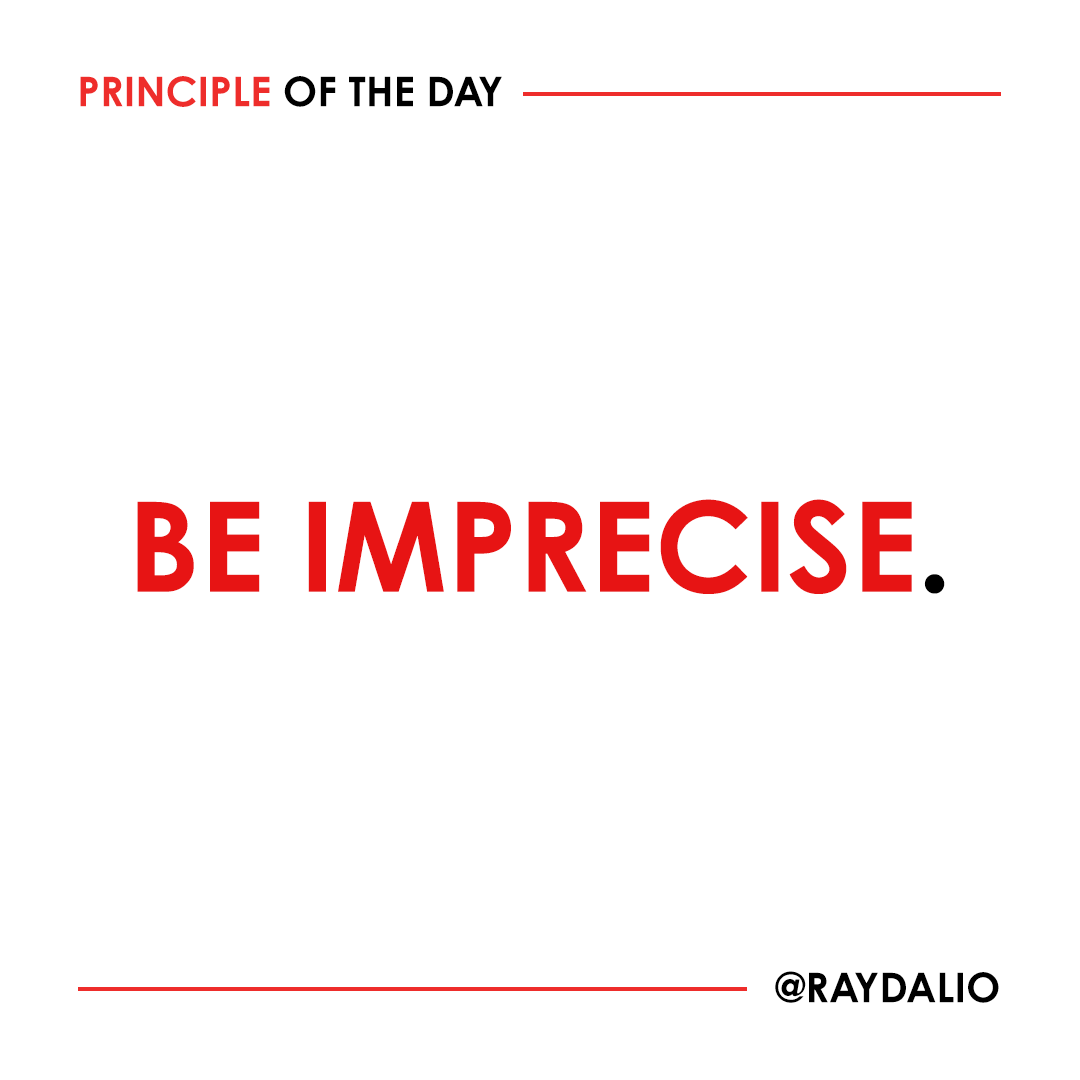
Understand the concept of "by-and-large" and use approximations. Because our educational system is hung up on precision, the art of being good at approximations is insufficiently valued. This impedes conceptual thinking. For example, when asked to multiply 38 by 12, most people do it the slow and hard way rather than simply rounding 38 up to 40, rounding 12 down to 10, and quickly determining that the answer is about 400. Look at the ice cream shop example and imagine the value of quickly seeing the approximate relationships between the dots versus taking the time to see all the edges precisely. It would be silly to spend time doing that, yet that's exactly what most people do. "By-and-large" is the level at which you need to understand most things in order to make effective decisions. Whenever a big-picture "by-and-large" statement is made and someone replies "Not always," my instinctual reaction is that we are probably about to dive into the weeds--i.e., into a discussion of the exceptions rather than the rule, and in the process we will lose sight of the rule. #principleoftheday
You think housing prices will keep going up because you've seen it all your life. But this is a historic anomaly that is likely to reverse soon: Prices might start shrinking in many places.
This thread is the case against investing in housing:
I hate annoying ads, but..
Internet without ads, what would it look like?
Count all websites/apps you visited in the last 30 days -> multiply by 5$ subscription = this is the fair price you'd have to contribute.
My result: $2765/month